
The Mediterranean Diet's Cellular Secret: Unlocking Anti-Aging Proteins
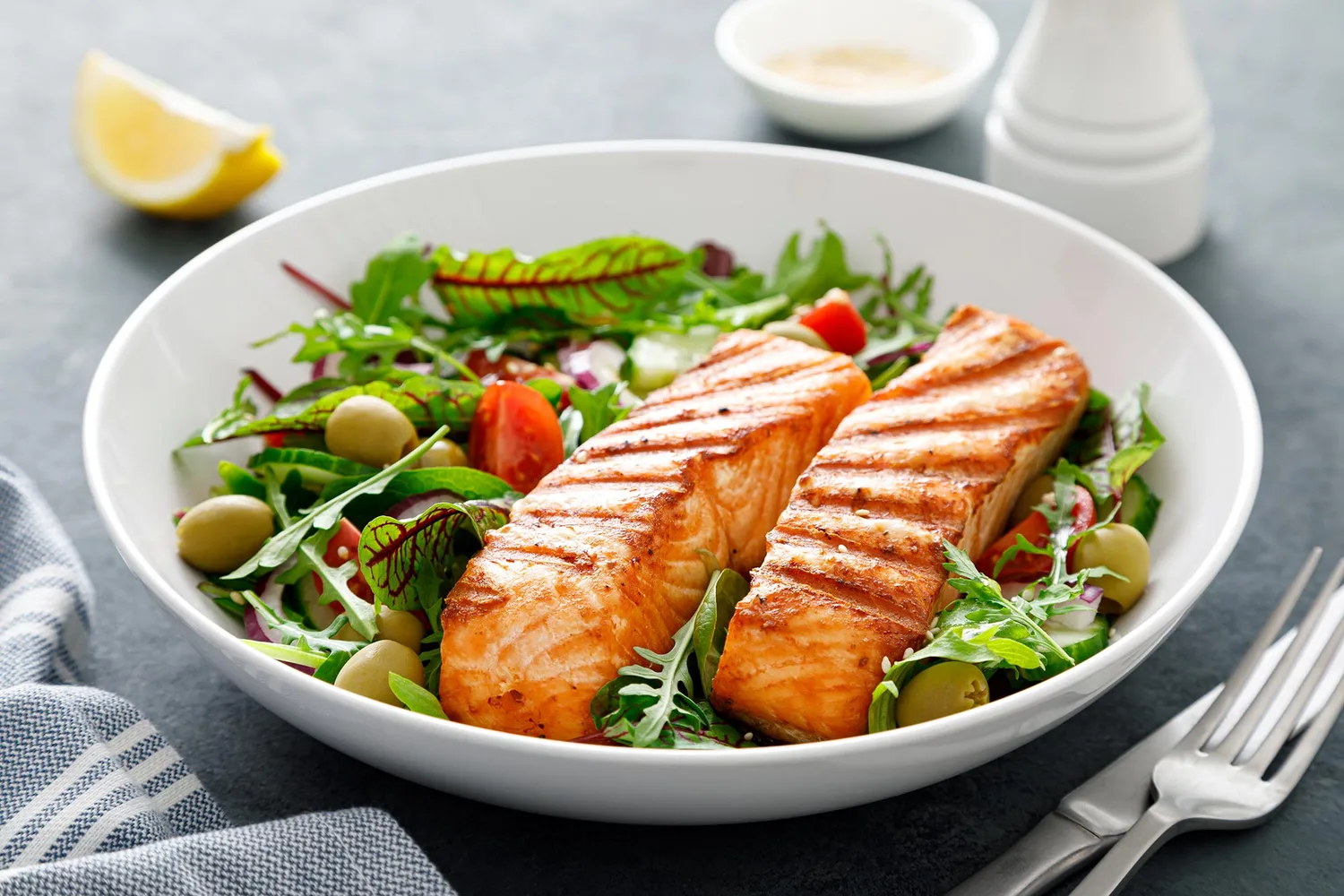
For decades, the Mediterranean diet has been lauded for its remarkable health benefits, from reducing the risk of heart disease and diabetes to preserving cognitive function. Rich in olive oil, fish, legumes, fruits, and vegetables, its principles are widely recognized as a cornerstone of healthy eating. But how exactly does this time-honored dietary pattern exert such a profound influence on our well-being and longevity? New research from the USC Leonard Davis School of Gerontology is shedding light on a fascinating cellular mechanism, suggesting that the diet's power lies, in part, within our very own mitochondria.
This cutting-edge study points to a novel frontier in "precision nutrition," where understanding individual cellular responses, guided by specific biomarkers, could pave the way for personalized dietary strategies to enhance health and extend lifespan. The findings highlight a potential link between what we eat, how our cells age, and our susceptibility to chronic diseases.
Mitochondrial Microproteins: The Unsung Heroes of Cellular Health
At the heart of this discovery are two tiny, yet potent, proteins produced within the mitochondria: humanin and SHMOOSE (Small Human Mitochondrial ORF Over SErine tRNA). Mitochondria, often referred to as the powerhouses of our cells, are crucial for energy production. However, they also play a significant role in the aging process and are implicated in various age-related diseases. Traditionally, scientists focused on proteins encoded by the cell's main DNA (nuclear DNA). Yet, a growing body of research, pioneered by USC's Pinchas Cohen, has revealed that the mitochondrial genome also produces its own unique set of small proteins, or microproteins, that carry out vital functions.
The new study, led by Instructional Associate Professor of Gerontology Roberto Vicinanza, found a compelling correlation: individuals who adhered more closely to a Mediterranean-style diet exhibited significantly higher levels of both humanin and SHMOOSE. These microproteins have previously been associated with protective effects against cardiovascular disease and neurodegenerative conditions like Alzheimer's disease.
"These microproteins may act as molecular messengers that translate what we eat into how our cells function and age," explains Vicinanza. "It's a new biological pathway that helps explain why the Mediterranean diet is so powerful."
Connecting Diet and Cellular Function: Key Findings
The research involved analyzing blood samples from older adults, assessing their adherence to the Mediterranean diet and measuring their levels of specific cellular markers. The results were striking:
- Higher Microprotein Levels: Participants with the strongest adherence to the Mediterranean diet showed substantially elevated levels of humanin and SHMOOSE.
- Reduced Oxidative Stress: These individuals also displayed lower markers of oxidative stress, a key contributor to cellular aging and the development of chronic diseases.
- Specific Food Links: The study identified particular dietary components associated with increased microprotein production. Olive oil, fish, and legumes were linked to higher humanin levels. Olive oil and a lower intake of refined carbohydrates were associated with higher SHMOOSE levels.
These findings suggest a direct influence of specific Mediterranean diet components on mitochondrial biology. Dean Pinchas Cohen emphasized the potential clinical significance: "Humanin and SHMOOSE could serve as biomarkers for adherence to the Mediterranean diet and have clinical significance."
Understanding Humanin and SHMOOSE
Humanin: First identified by Cohen's lab in 2003, humanin is a peptide that has been linked to improved insulin sensitivity, cardiovascular protection, longevity, and the preservation of cognitive function. The new study also explored its potential role in mitigating oxidative stress, noting a link between higher humanin levels and lower activity of Nox2, an enzyme that generates harmful reactive oxygen species. This suggests humanin may play a role in limiting cellular damage.
SHMOOSE: Discovered later by Cohen's lab, SHMOOSE is another mitochondrial microprotein associated with brain health. Research has indicated that a specific genetic variant of SHMOOSE might increase Alzheimer's disease risk, while the normal form appears to offer neuroprotection against damage related to amyloid proteins.
"These peptides are emerging as key regulators of aging biology," Cohen stated. "They connect mitochondrial function to diseases like Alzheimer's and heart disease and now, potentially, to nutrition."
Precision tracking for your journey
Join thousands using Shotlee to accurately track GLP-1 medications and side effects.
📱 Get the Shotlee App
Track your GLP-1 medications, peptides, and health metrics on the go with our mobile app!
A Dual Mechanism for Heart Protection
The researchers propose that the Mediterranean diet may protect cardiovascular health through a dual mechanism. Firstly, it directly reduces oxidative stress through its rich antioxidant content from fruits, vegetables, and olive oil. Secondly, it enhances the production of protective mitochondrial microproteins like humanin and SHMOOSE, which in turn help suppress damaging biological processes within the cell.
"This could represent a new cardioprotective mechanism of the Mediterranean diet," Vicinanza commented, highlighting the diet's role in reducing oxidative stress while simultaneously bolstering the cell's internal defense systems.
From Ancient Traditions to Molecular Biology
Roberto Vicinanza's work extends beyond the laboratory, advocating for the Mediterranean diet as a model for health, culture, and sustainability on an international scale. His collaboration with the Municipality of Pollica in Italy, an emblematic Mediterranean Diet community, has supported the establishment of the International Day of the Mediterranean Diet at the United Nations, observed annually on November 16th.
This global initiative aligns perfectly with the study's revelations. "We're connecting centuries-old dietary traditions with cutting-edge molecular biology," Vicinanza remarked. "It supports the idea that healthy eating patterns with little to no ultra-processed foods reflect how humans have eaten over long periods and may create conditions to which mitochondria -- ancient cellular organelles -- are likely adapted."
The Future of Precision Nutrition
While this study is observational and requires further validation, its implications for the burgeoning field of "precision nutrition" are significant. The identification of mitochondrial microproteins as potential biomarkers could revolutionize how we approach dietary recommendations. Imagine a future where personalized diets are tailored not just to general health goals, but to optimizing the function of specific cellular components like mitochondria.
Future research aims to move beyond association to establish causality. Studies will investigate whether specific dietary interventions can directly increase levels of humanin, SHMOOSE, and related peptides, and crucially, whether these molecular shifts translate into measurable reductions in disease risk. "Our goal is to move from observing associations to understanding causality," Vicinanza stated. "If we can harness these pathways, we may be able to design nutritional strategies that promote healthy aging at the molecular level."
Practical Takeaways
For individuals looking to embrace the benefits of the Mediterranean diet, the key takeaways are clear:
- Prioritize Whole Foods: Focus on fruits, vegetables, legumes, whole grains, nuts, and seeds.
- Embrace Healthy Fats: Use extra virgin olive oil as your primary source of added fat.
- Include Fish: Aim for at least two servings of fatty fish per week.
- Limit Processed Foods: Reduce intake of refined carbohydrates, sugary drinks, and highly processed snacks.
- Consider Tracking: For those on specific health journeys, tools like Shotlee can help track dietary adherence, symptom changes, and overall health metrics, providing valuable data to share with healthcare providers.
Conclusion
The discovery of humanin and SHMOOSE as potential mediators of the Mediterranean diet's benefits opens an exciting new chapter in nutrition science. It underscores the intricate relationship between our diet and cellular health, suggesting that ancient dietary wisdom may hold the keys to unlocking cellular resilience and promoting longevity. As research progresses, we move closer to a future where personalized nutrition, informed by molecular insights, empowers us to live healthier, longer lives.
Reference: Vicinanza, R., Cammisotto, V., Wan, J., Yen, K., Violi, F., Pignatelli, P., & Cohen, P. (2025). Mediterranean diet adherence is associated with mitochondrial microproteins Humanin and SHMOOSE; potential role of the Humanin-Nox2 interaction in cardioprotection. Frontiers in Nutrition, 12. DOI: 10.3389/fnut.2025.1727012