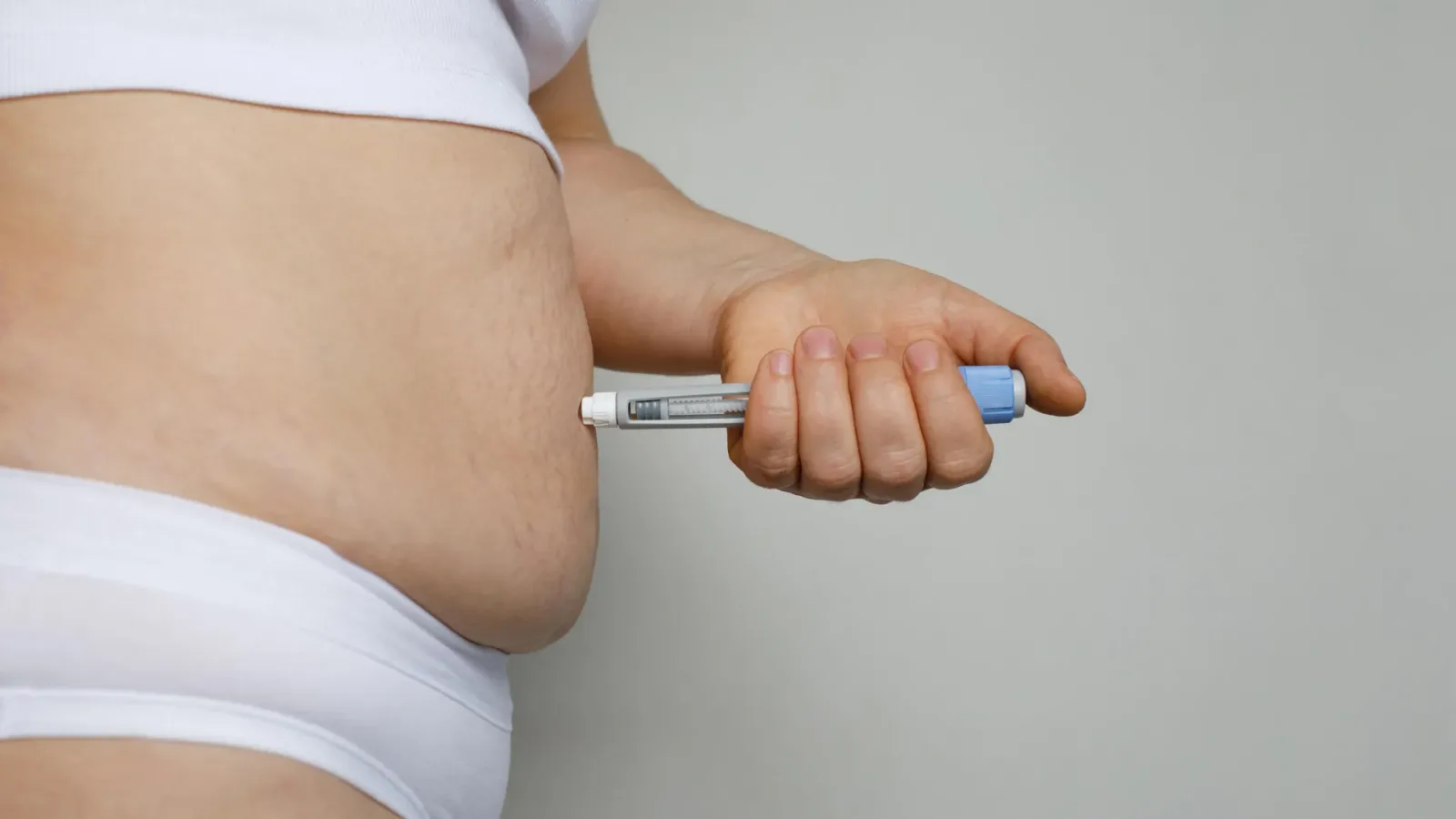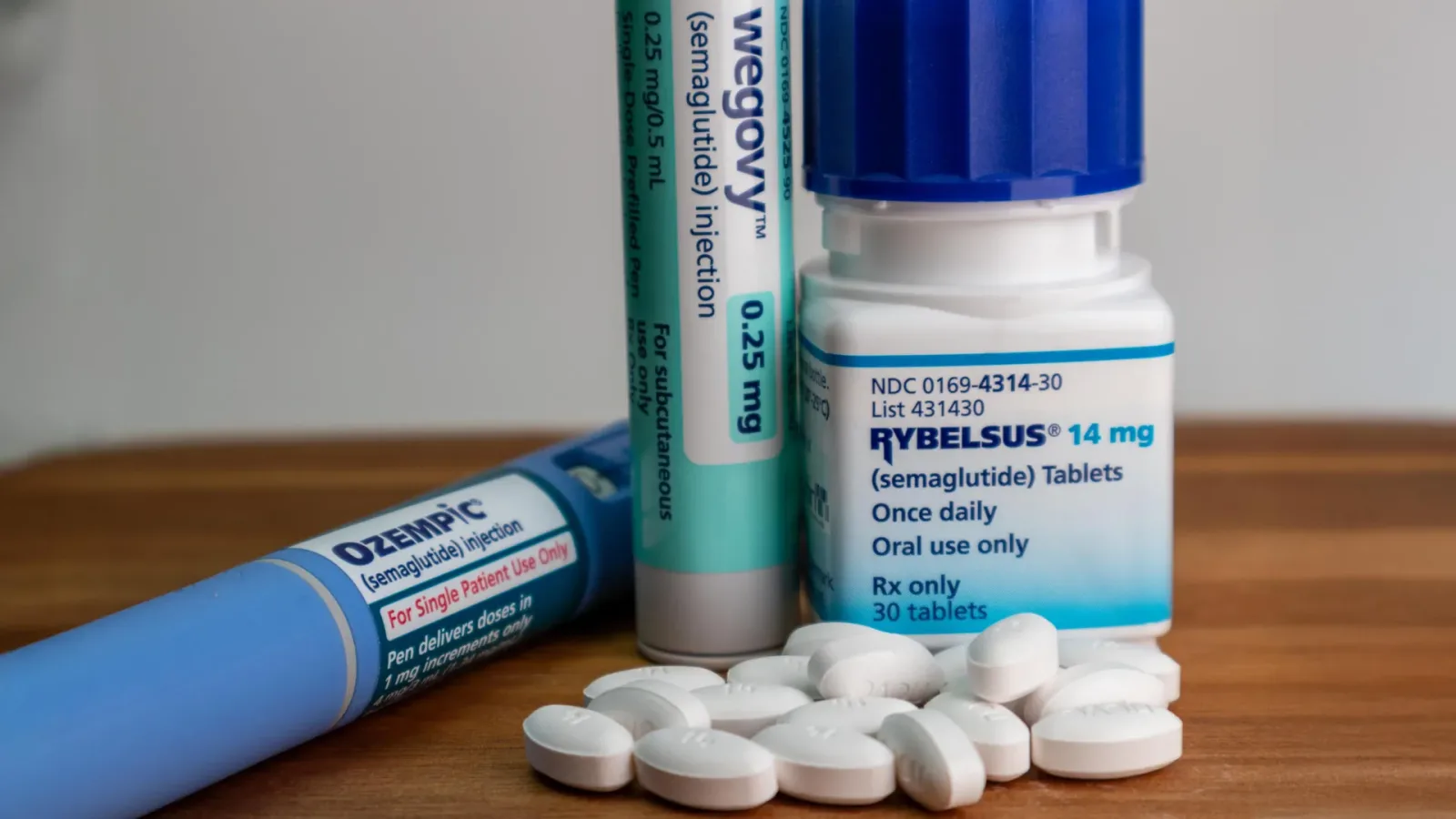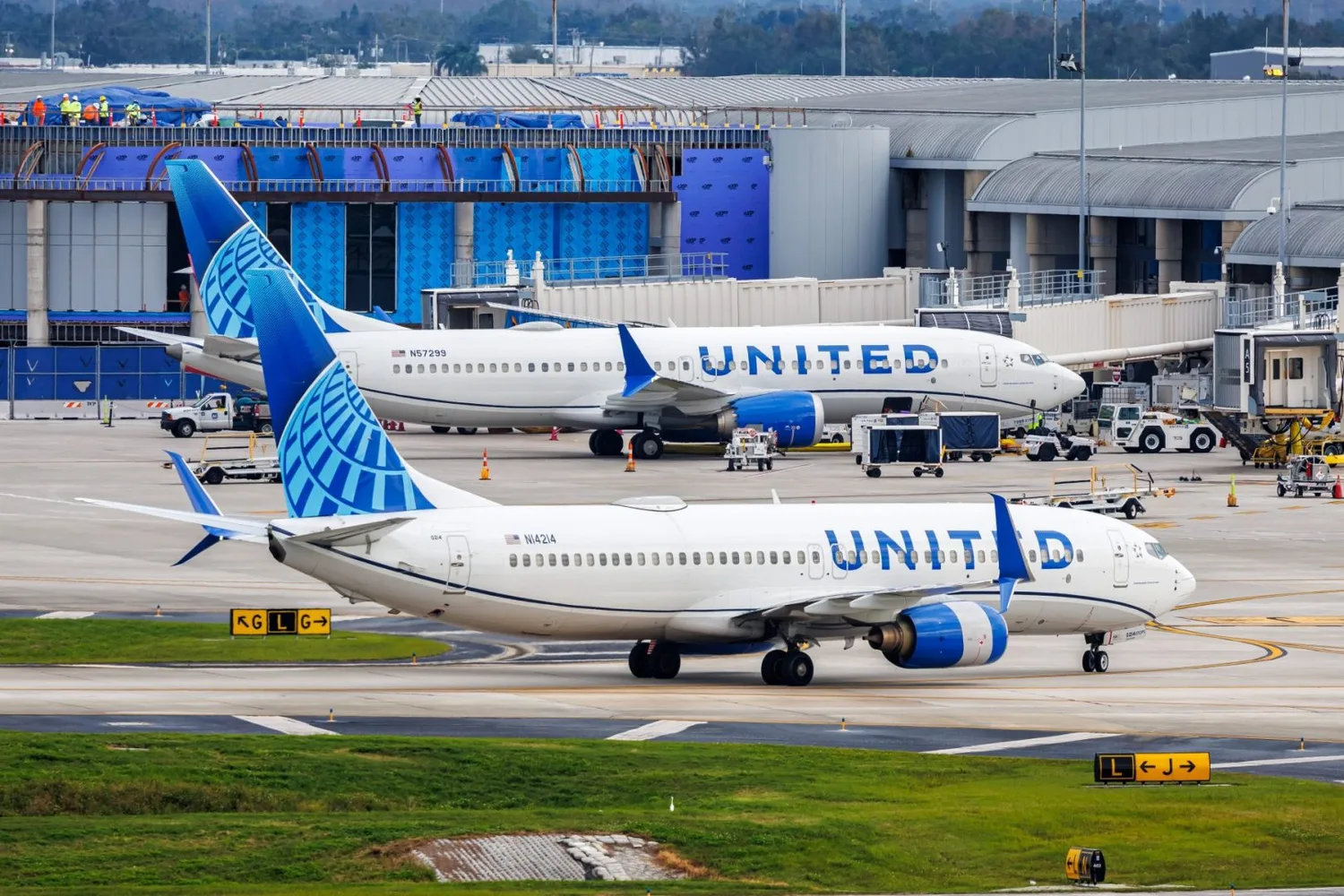

GLP-1 drugs like Ozempic aren't just helping people slim down—they could lighten the load for airlines too. A Jefferies financial analysis projects that widespread adoption of these weight loss medications could help the four largest US airlines—American, Delta, Southwest, and United—cut up to $580 million annually from their fuel expenses.
How Lighter Passengers Reduce Jet Fuel Use
The savings stem from basic physics: lighter passengers mean lighter planes, which burn less fuel. "It only makes sense that the weight of their passengers also impacts their costs," explains Jefferies equity analyst Sheila Kahyaoglu, who co-authored the report.
Fuel represents a massive cost for airlines. Jefferies forecasts that in 2026, these carriers will consume about 16 billion gallons of jet fuel, totaling $38.6 billion—nearly one-fifth of their overall expenses.
- Potential fuel savings: ~1.5% of total fuel costs
- Aircraft weight reduction by 2%: ~4% increase in earnings per share
Airlines' Obsession with Every Pound
While not transformative, these savings align with airlines' focus on minimizing onboard weight for safety and efficiency. A November KFF survey revealed about 1 in 8 US adults use GLP-1 drugs.
Precision tracking for your journey
Join thousands using Shotlee to accurately track GLP-1 medications and side effects.
📱 Get the Shotlee App
Track your GLP-1 medications, peptides, and health metrics on the go with our mobile app!
Kahyaoglu notes airlines won't reorder less fuel immediately, but users on appetite-suppressing GLP-1 medications might buy fewer in-flight snacks, impacting ancillary revenue.
Historical Weight-Saving Tactics in Aviation
Airlines have long pursued creative weight reductions:
- United Airlines switched to lighter paper for in-flight magazines
- American Airlines removed one olive per onboard salad, saving tens of thousands yearly
- Carriers like Air New Zealand, Finnair, and Korean Air have weighed passengers at gates for balance calculations
The four major US airlines declined to comment on the Jefferies findings.