
Forget Ozempic: Intuitive Surgical Thrives No Matter GLP-1 Winner
In the booming GLP-1 weight loss market, Novo Nordisk and Eli Lilly are locked in fierce competition, reignited by the pill version of Novo Nordisk's Ozempic. Wall Street remains heavily focused on these pharmaceutical leaders driving metabolic health innovations. However, another powerhouse in the medical world—device maker Intuitive Surgical (ISRG)—continues to chug along, positioned to thrive regardless of which GLP-1 drug emerges victorious.
This guide explores why Intuitive Surgical shares deserve a spot in healthcare investment portfolios, preserving the core narrative of its independent growth amid GLP-1 hype. We'll delve into the GLP-1 landscape, Intuitive Surgical's da Vinci robot success, investment metrics, and future opportunities.
The GLP-1 Weight Loss Market Hype
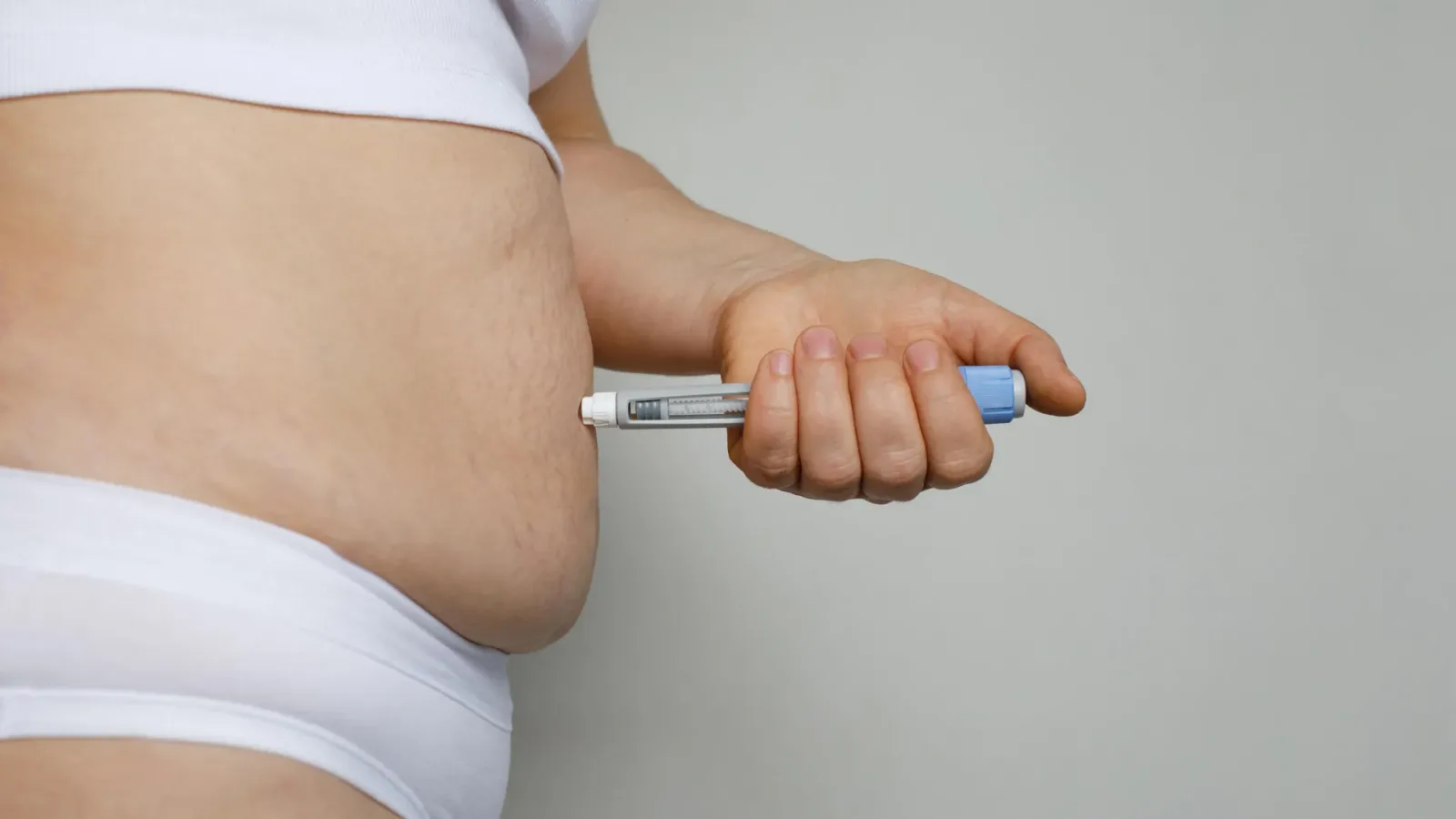
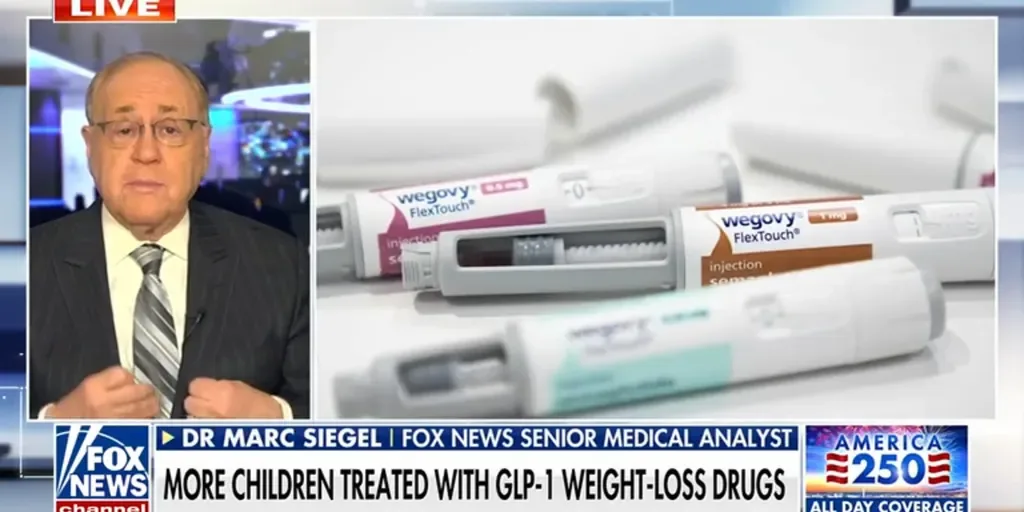
GLP-1 drugs like Ozempic represent a major advancement in metabolic health, mimicking glucagon-like peptide-1 hormones to regulate blood sugar, slow gastric emptying, and promote significant weight loss. These medications have transformed obesity treatment, with clinical trials showing 15-20% body weight reduction in many patients. Novo Nordisk and Eli Lilly dominate, but the recent launch of Ozempic's oral version has intensified rivalry, drawing investor attention to their stocks.
Yet, as exciting as GLP-1 agonists are for non-invasive weight management, they don't eliminate the need for surgical interventions in severe obesity cases. Bariatric procedures remain crucial for patients unresponsive to medications or requiring rapid, sustained results. This is where surgical robotics enters, offering precision tools that complement—not compete with—GLP-1 therapies.
Intuitive Surgical: Pioneer in Surgical Robotics
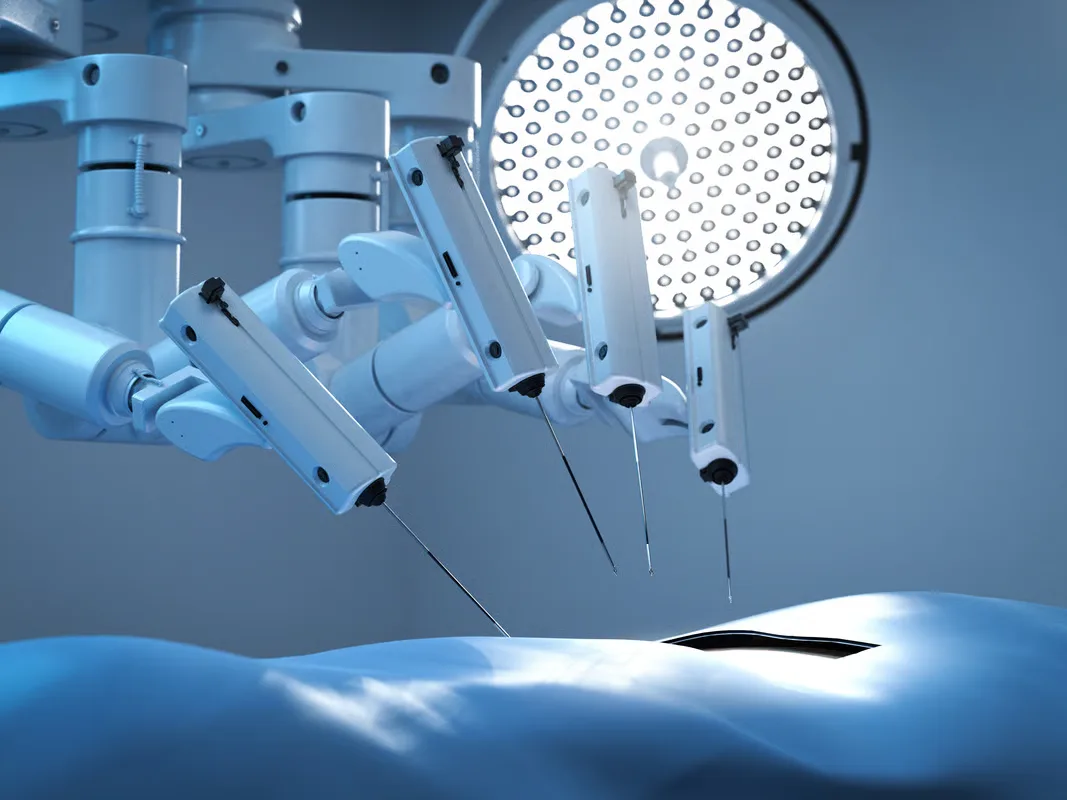
Intuitive Surgical pioneered surgical robotics with its da Vinci system, a minimally invasive platform enabling high-definition 3D visualization, tremor filtration, and articulated instruments for complex procedures. In metabolic health contexts, da Vinci robots are widely used in bariatric surgeries like sleeve gastrectomies and gastric bypasses, which help patients achieve durable weight loss by altering digestive anatomy.
These robotic-assisted surgeries offer key benefits: smaller incisions, reduced blood loss, shorter hospital stays, and faster recovery compared to traditional methods. Studies, including those from the American Society for Metabolic and Bariatric Surgery, highlight improved outcomes, lower complication rates, and better long-term weight maintenance.
By the end of 2025, Intuitive Surgical had 11,106 of its surgical robots in the market, up 12% from 9,902 at the end of 2024. Meanwhile, the number of surgeries performed with a da Vinci system rose 18% year over year. This demonstrates clear demand from practitioners and patients for robotic-assisted procedures, driven by their less invasive nature and superior outcomes.
Why da Vinci Persists Amid GLP-1 Dominance
Even as GLP-1 drugs expand access to weight loss therapy, obesity rates continue rising globally, with over 1 billion affected adults per WHO data. Not all patients qualify for or respond to injectables or pills; surgery addresses root causes in morbid obesity (BMI >40). Intuitive Surgical's growth isn't tied to any single drug winner—its da Vinci systems serve diverse procedures across urology, gynecology, general surgery, and bariatrics, insulating it from GLP-1 market shifts.
Precision tracking for your journey
Join thousands using Shotlee to accurately track GLP-1 medications and side effects.
📱 Get the Shotlee App
Track your GLP-1 medications, peptides, and health metrics on the go with our mobile app!
Risks and Opportunities for Investors
Wall Street hasn't ignored Intuitive Surgical; its price-to-earnings ratio stands at 61, high on an absolute basis but below the five-year average of 71. Historically, this positions the stock as relatively cheap, appealing to growth-oriented investors.
Longer-term opportunities abound. Surging procedure volumes signal sustained demand for da Vinci systems and consumables like instruments and filters, which generate recurring revenue. Additionally, Intuitive Surgical incorporates artificial intelligence (AI) to assist surgeons, enhancing precision and efficiency.
"With more and more surgeries performed using surgical robots, it seems likely that demand for da Vinci systems will remain strong. Meanwhile, there's an artificial intelligence (AI) angle, with the company already incorporating the technology to assist surgeons."
Looking ahead, AI could enable fully autonomous robotic surgeries using da Vinci platforms. Given the system's vast installed base of over 11,000 units, Intuitive Surgical stands to benefit immensely from such innovations, potentially expanding into new metabolic health applications.
Comparing Intuitive Surgical to GLP-1 Stocks
- GLP-1 Focus: High growth but competitive, patent risks, side effects like nausea or muscle loss prompting surgical consideration.
- ISRG Focus: Broader healthcare exposure, sticky installed base, procedural growth independent of pharma battles.
For patients, GLP-1s offer first-line therapy; for those needing surgery, da Vinci provides advanced options. Investors gain diversification by betting on procedural volume rather than drug sales.
Safety and Practical Considerations in Robotic Surgery
da Vinci systems have an established safety profile, with FDA clearance since 2000 and millions of procedures completed. Common side effects mirror traditional surgery—pain, infection risk—but robotics minimizes these. Patients considering bariatric robotics should discuss with surgeons, factoring BMI, comorbidities, and GLP-1 trial history.
Tools like symptom trackers can help monitor post-op recovery or GLP-1 side effects; for instance, apps such as Shotlee allow logging medication schedules and outcomes for better doctor discussions.
Key Takeaways for Healthcare Investors
- GLP-1 drugs like Ozempic fuel excitement, but Intuitive Surgical thrives independently with 12% robot growth and 18% procedure increases.
- P/E of 61 is below historical 71 average, offering relative value.
- AI integration and massive installed base position ISRG for future dominance in surgical robotics.
- Growth investors: Prioritize ISRG over pure GLP-1 plays for diversified metabolic health exposure.
Conclusion: Diversify Beyond GLP-1 Hype
Intuitive Surgical is a growth stock with years of potential ahead, making it ideal for healthcare sector bulls. While value investors may pass due to valuations, aggressive growth seekers should consider adding ISRG shares. Set aside the GLP-1 frenzy momentarily—this high-flying device maker offers material opportunities, cheap relative to its history, and resilience no matter which weight loss drug prevails. For balanced portfolios in metabolic health and beyond, da Vinci's precision pays off.