
Cardiologist Sues UPMC; BP Control Stagnant; GLP-1 in Pregnancy
Recent cardiology headlines highlight critical issues from workplace ethics to persistent public health challenges and emerging data on GLP-1 receptor agonists. This roundup covers a whistleblower lawsuit at the University of Pittsburgh Medical Center (UPMC), stagnant blood pressure (BP) control post-pandemic, and reassuring findings on GLP-1 drugs during pregnancy, alongside other key studies in heart failure, trials, and device alerts. These developments underscore ongoing priorities in cardiovascular care.
Cardiologist's Whistleblower Lawsuit Against UPMC
In a high-profile whistleblower lawsuit, a prominent cardiologist claims he was fired from the University of Pittsburgh Medical Center (UPMC) after reporting racist text messages exchanged between colleagues and a potential conflict of interest involving the medical center's CEO. Reported by PennLive, this case raises serious concerns about workplace culture and leadership accountability in major healthcare institutions.
Whistleblower protections in medicine are vital for patient safety and ethical standards. Such reports can expose systemic issues like discrimination, which may indirectly affect care quality. For healthcare professionals facing similar dilemmas, understanding legal recourse through frameworks like the False Claims Act is essential. Patients and colleagues should monitor outcomes, as they could influence diversity initiatives and conflict-of-interest policies at large systems like UPMC.
Blood Pressure Control Remains in a Rut Post-Pandemic
A national analysis reveals that blood pressure control across the country had not rebounded to pre-pandemic rates as of late 2022, according to research in the Journal of the American Heart Association. This stagnation highlights barriers like disrupted clinic visits, medication access, and lifestyle shifts during COVID-19.
Why does this matter? Uncontrolled hypertension drives heart attacks, strokes, and kidney disease. Pre-pandemic, about 50% of U.S. adults with hypertension achieved control; the lag means millions remain at risk. Clinicians recommend home monitoring, adherence strategies, and addressing social determinants like food insecurity.
Practical Guidance for Patients:
- Track BP daily using validated devices.
- Discuss combination therapies (e.g., ACE inhibitors + diuretics) with your doctor.
- Lifestyle tweaks: DASH diet, 150 minutes weekly exercise, limit sodium to <2,300 mg/day.
- Apps like Shotlee can help log readings and share trends with providers.
Reversing this trend requires policy focus on telehealth expansion and equity in care access.
GLP-1 Receptor Agonists Reduce Atherosclerosis Progression
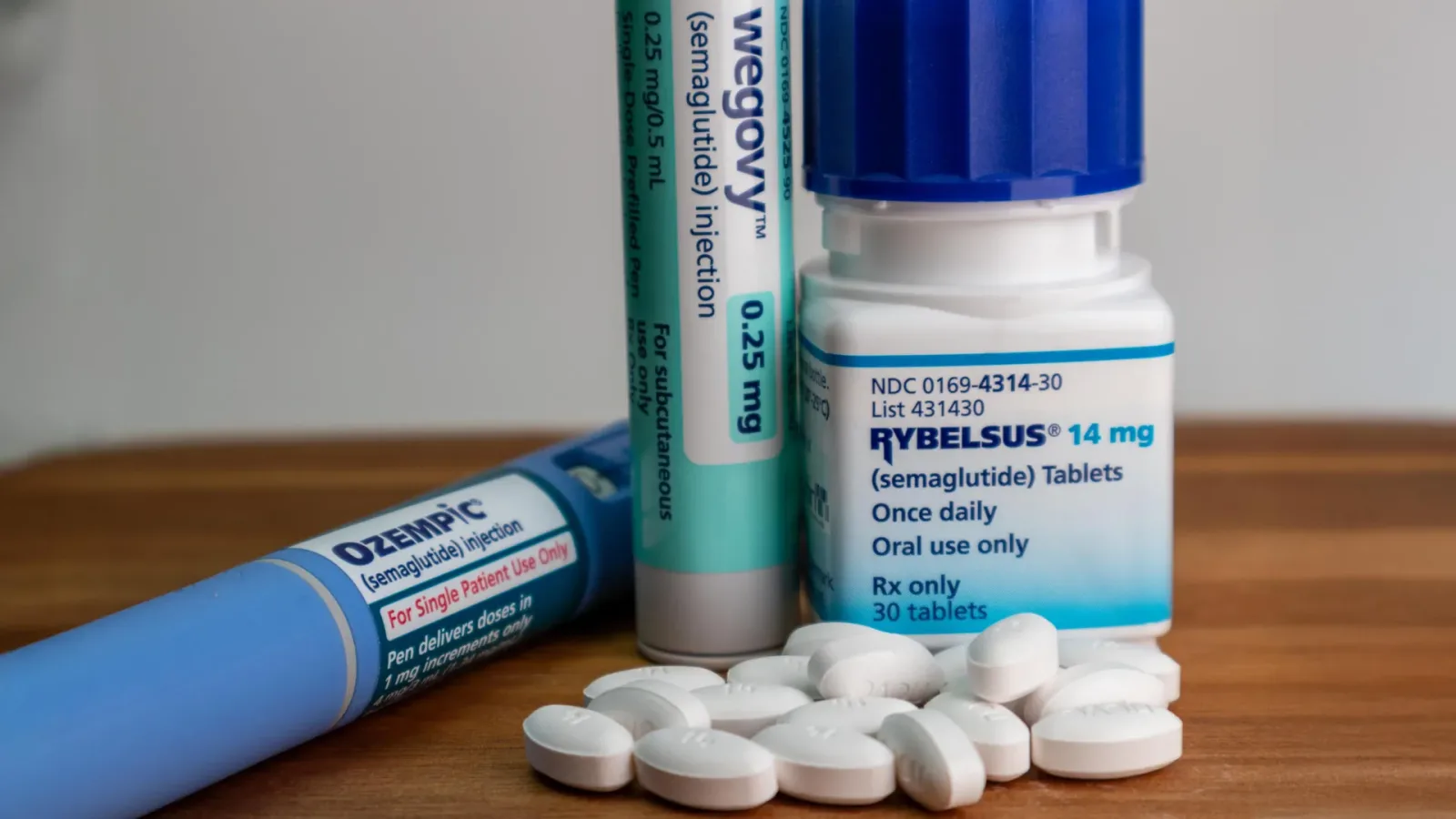
GLP-1 receptor agonists reduced atherosclerosis progression in rabbits and were associated with significantly lower levels of inflammatory biomarkers and lower rates of major adverse cardiovascular events (MACE) in a human biobank analysis, per the European Heart Journal.
These findings build on GLP-1s' (e.g., semaglutide, liraglutide) established benefits in diabetes and obesity. Mechanisms include weight loss, improved endothelial function, and reduced inflammation via GLP-1 receptor activation on vascular cells. For patients with metabolic syndrome, this suggests cardioprotective potential beyond glucose control.
Compared to statins alone, GLP-1s offer additive plaque stabilization. Discuss with cardiologists if high CV risk; monitor for GI side effects like nausea.
GLP-1 Drugs During Pregnancy: Improved Outcomes in Meta-Analysis
Exposure to GLP-1 drugs during pregnancy was linked to improved maternal and preterm birth outcomes, with no significant increase in congenital malformations or overall adverse fetal outcomes, according to a meta-analysis in JACC: Advances.
This is reassuring amid rising GLP-1 use for gestational diabetes or obesity. Prior concerns focused on animal data showing fetal growth effects, but human evidence shows benefits like lower preeclampsia risk. No specific malformations rose, aligning with real-world registries.
Patient Considerations: Consult OB-GYN before continuing; weigh benefits vs. unknowns in first trimester. Alternatives like insulin remain standard, but data supports case-by-case use. Track symptoms via tools like Shotlee for pregnancy-related side effects.
Precision tracking for your journey
Join thousands using Shotlee to accurately track GLP-1 medications and side effects.
📱 Get the Shotlee App
Track your GLP-1 medications, peptides, and health metrics on the go with our mobile app!
Key Trial Updates: NOBLE at 10 Years and More
10-Year NOBLE Trial Results
Ten years into the NOBLE trial, there was no significant difference in all-cause mortality with coronary artery bypass grafting (CABG) versus percutaneous coronary intervention (PCI) among patients with unprotected left main coronary artery disease, published in The Lancet.
This long-term follow-up informs revascularization choices in complex CAD. CABG showed early MACE edges, but mortality equalized, favoring patient-specific factors like diabetes or syntax score.
Lipoprotein(a) Reduction: PCSK9 Meta-Analysis
A meta-analysis found no statistically significant differences in lipoprotein(a) reduction among several PCSK9-targeting medications, per the Journal of Clinical Lipidology. Evolocumab and alirocumab reduce Lp(a) modestly (~25%), but variability persists; emerging therapies like pelacarsen may outperform.
Heart Failure and Device Insights
Advanced Heart Failure Compensation Reconsidered
Advanced heart failure specialists called for a reconsideration of compensation via a relative value unit (RVU) model in Circulation: Heart Failure. RVUs undervalue complex procedures like LVAD implants, risking specialist shortages.
Quadruple Therapy in HFrEF Veterans
In a retrospective cohort study, just over one in five veterans with heart failure with reduced ejection fraction (HFrEF) achieved quadruple therapy over a median follow-up of 3 years, per JAMA Cardiology. Quadruple therapy (ARNI/ACEI/ARB + beta-blocker + MRA + SGLT2i) slashes mortality; barriers include polypharmacy fears.
FDA Alert on Impella Devices
The FDA was alerted to Abiomed's warning not to use Generation 1 Impella Purge Cassettes and certain Impella RP Pump Sets. Users of some Impella devices should refer to official P-level flow rates instead of the Automated Impella Controller display.
Fetal RV Dilatation as Early DCM Sign
Fetal right ventricular dilatation and dysfunction may be the first sign of dilated cardiomyopathy, according to a case series in JACC: Heart Failure. Fetal echocardiography enables early intervention.
Preventive Cardiology Highlights
Pre-Pregnancy Folic Acid and Gestational Hypertension
Prospective data suggested that pre-pregnancy folic acid intake and genetic factors were associated with a lower risk of gestational hypertension, from the European Journal of Preventive Cardiology. Aim for 400-800 mcg daily preconception.
Early CKD Screening in CAD
Early screening for chronic kidney disease had prognostic value in patients with coronary artery disease, the multinational INTERASPIRE study showed in the Journal of the American College of Cardiology. eGFR <60 mL/min flags higher events; integrate into risk models.
Tempus ECG-AF Model Validation
The Tempus ECG-AF model underwent external validation for predicting 1-year risk of atrial fibrillation, in Heart Rhythm. AI-ECG tools enhance AF screening in primary care.
Key Takeaways for Patients and Providers
- Ethics Matter: UPMC lawsuit spotlights reporting racism/conflicts safely.
- BP Action: Prioritize control with monitoring and therapy optimization.
- GLP-1 Promise: Benefits in atherosclerosis and pregnancy; discuss risks/rewards.
- Trial Insights: Tailor CABG/PCI; pursue quadruple HF therapy.
- Prevention: Folic acid, CKD screens, AI predictions boost outcomes.
These updates guide evidence-based practice amid evolving CV science.
What This Means for Patients
Consult specialists for personalized plans. For metabolic health, GLP-1s offer multi-organ benefits; track progress diligently. Stay informed on devices and trials to advocate effectively.