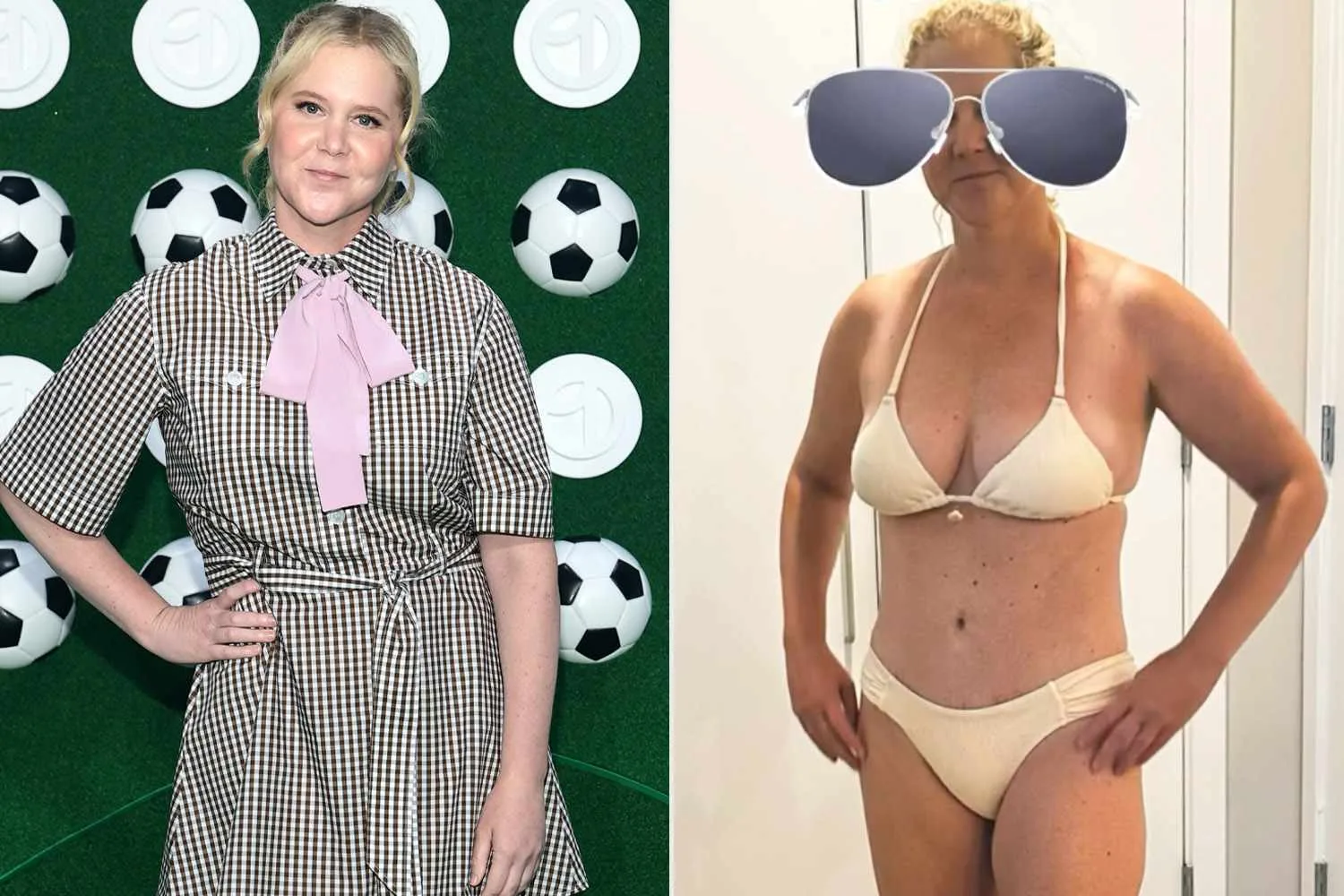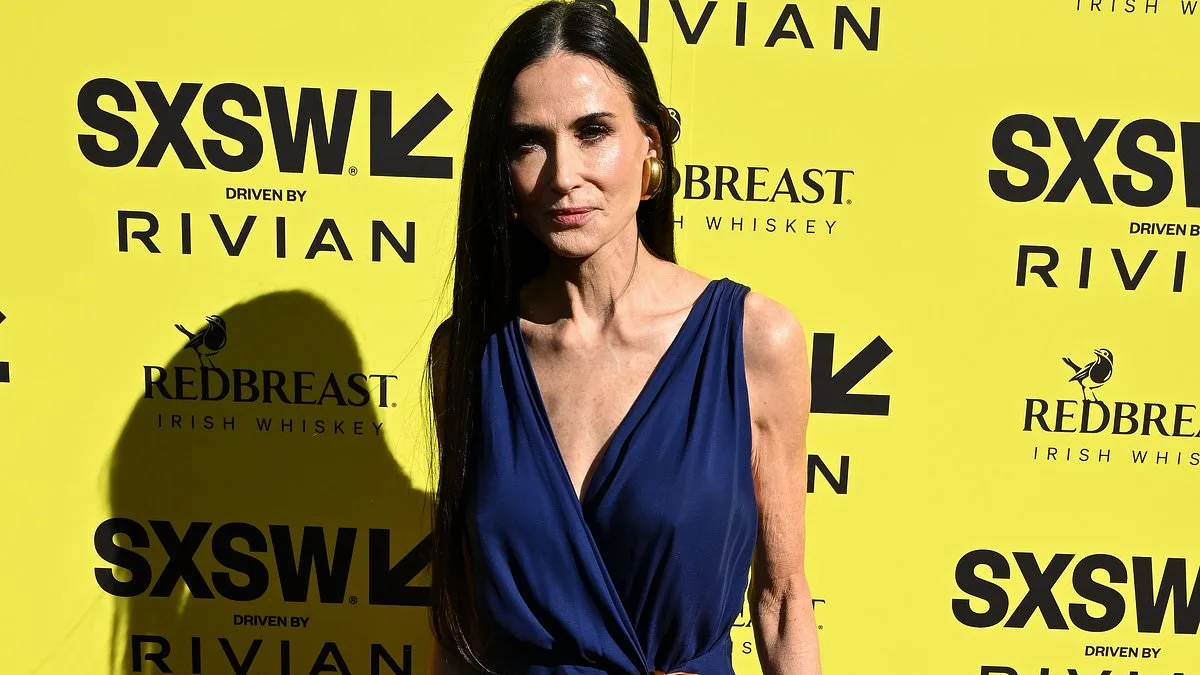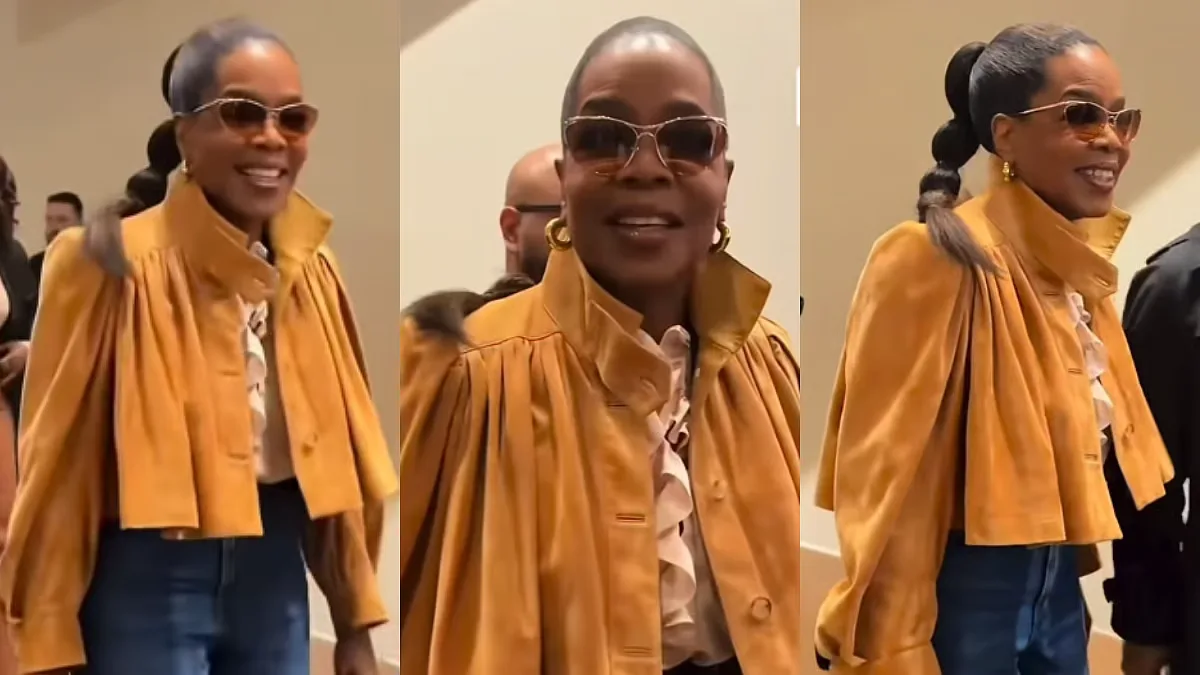
In a moment that blends bluntness with personal history, Page Six coverage of Brianna "Chickenfry" LaPaglia has pushed a new flashpoint into the Ozempic conversation: not celebrity weight loss itself, but the social normalization of GLP-1 use among people who "do not need" it. The 26-year-old influencer's Tuesday TikTok video, framed as "field research," claimed nearly everyone she knows is taking Ozempic and delivered a stark warning: "You're gonna die. You're all gonna die." This Brianna LaPaglia Ozempic warning resonates deeply, colliding personal anecdote with medical cautions.
What Is Ozempic and Why the Controversy Over 'Need'?
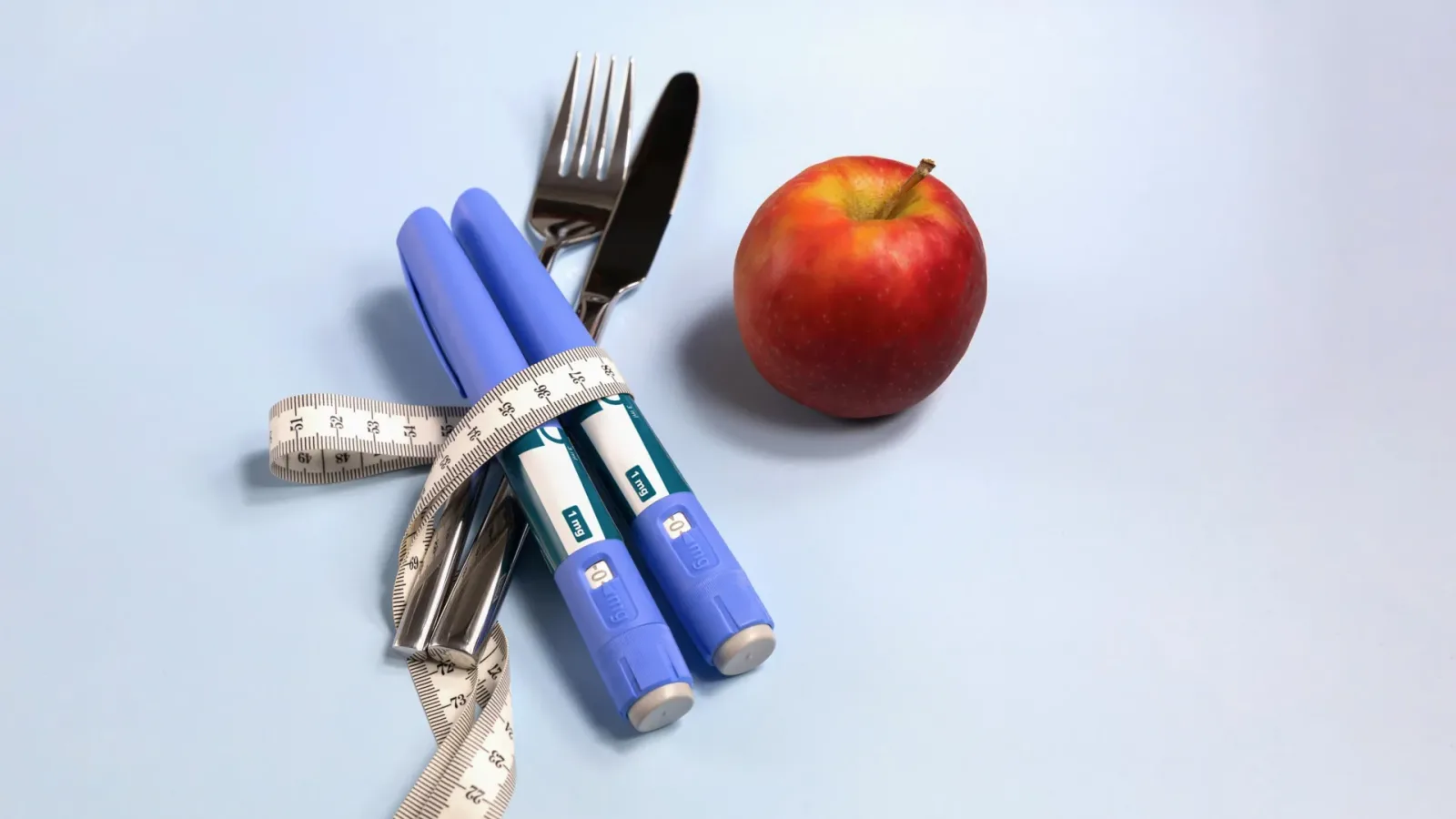
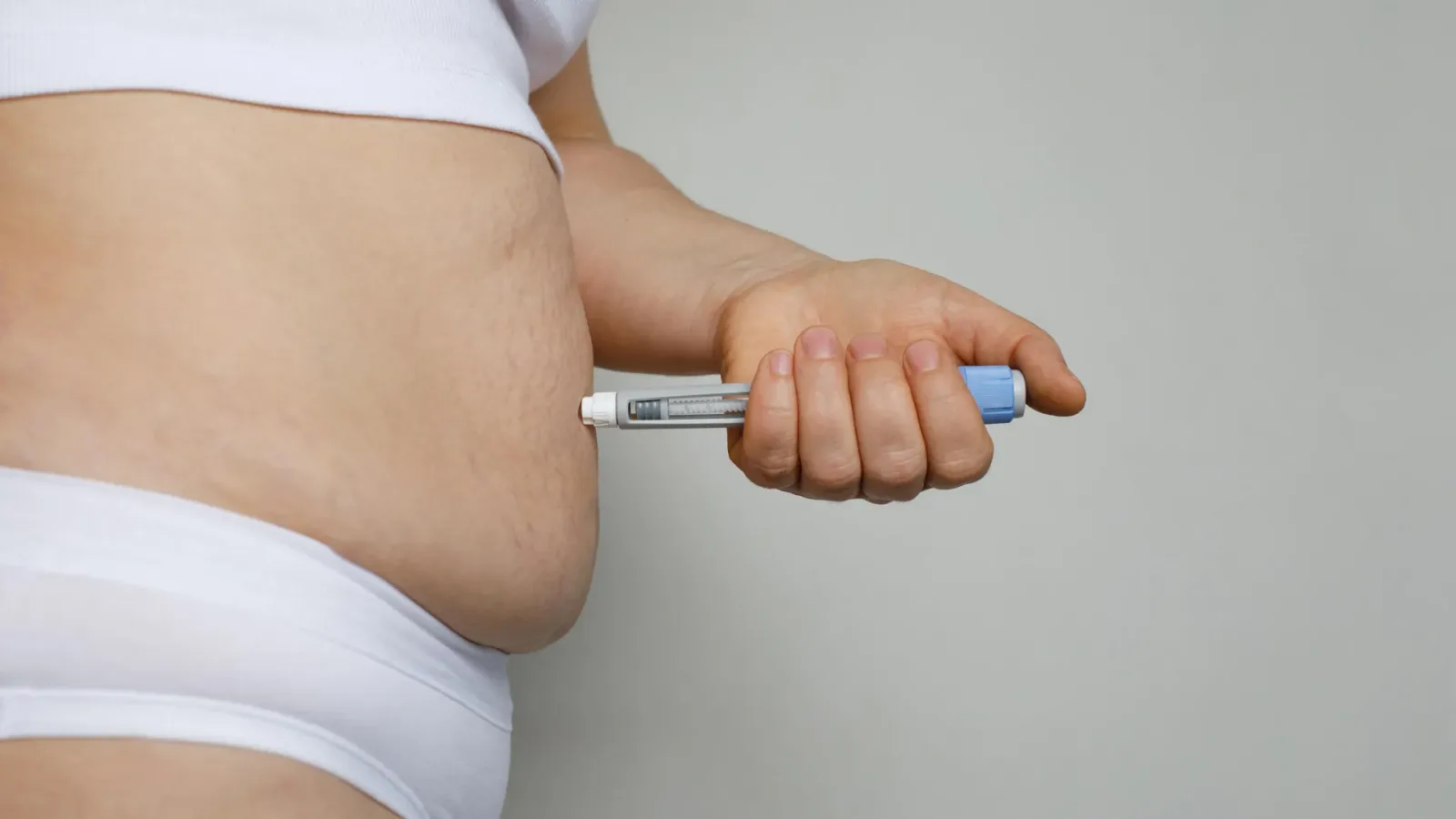
Ozempic (semaglutide) is a GLP-1 receptor agonist injection primarily approved to treat Type 2 diabetes by mimicking the GLP-1 hormone, which regulates blood sugar, slows gastric emptying, and reduces appetite. Off-label, it's widely prescribed for weight loss due to these effects, leading to significant demand. However, Baptist Health warns that using a GLP-1 like Ozempic when not needed could carry serious side effects, including gallbladder and kidney problems. This creates tension: clinical benefits for diabetes or obesity versus risks for casual use.
LaPaglia's comments land against these facts, framing widespread weight-loss prescribing against medically framed cautions. Her phrasing is absolute, but the concern is conditional—hinged on "not needed." This gap fuels online discourse on GLP-1 drugs for weight loss risks.
Deep Analysis: The Three Pressures Beneath the Headline
1. 'Need' Is Becoming a Social Category, Not Only a Medical One
LaPaglia sets an informal threshold: people "that do not need Ozempic." She places herself in that category, noting she could lose "a couple" pounds but does not need it. "Need" remains undefined, allowing projections from clinical BMI criteria (typically >30 for obesity) to aesthetics or peer comparison. Medically, Ozempic is indicated for Type 2 diabetes (A1C >7%) or chronic weight management in adults with obesity or overweight with comorbidities. Socially, it blurs into trend-driven use, amplifying her warning's impact.
2. The Warning Functions as a Cultural Speed Bump
Her line—"You're gonna die. You're all gonna die."—acts less as literal prognosis than a rhetorical brake on ubiquity in her circle: "every single [person] I know." This signals perceived saturation, heightening anxiety around safety and peer pressure. In GLP-1 therapy, normalization happens fast via social media, but experts emphasize individualized assessment over trends.
3. Her Personal Recovery Narrative Changes How the Warning Is Heard
LaPaglia shared on the "Real Pod" podcast in February her "anxiety-induced eating disorder," hitting "rock bottom" in 2023—anemic, bruised, nauseous, avoiding food. She gained 25 pounds back to a "healthy weight." This context frames her skepticism as hard-earned caution, not judgment, especially relevant amid disordered-eating vulnerabilities intersecting with weight-loss drugs.
Precision tracking for your journey
Join thousands using Shotlee to accurately track GLP-1 medications and side effects.
📱 Get the Shotlee App
Track your GLP-1 medications, peptides, and health metrics on the go with our mobile app!
Expert Perspectives: Established Facts vs. Viral Interpretation
Baptist Health provides the clinical anchor: unnecessary GLP-1 use risks serious side effects like gallbladder issues (e.g., cholecystitis) and kidney problems (e.g., acute injury from dehydration). These stem from mechanisms like rapid weight loss or gastrointestinal effects. LaPaglia's hyperbole discourages casual use but doesn't claim inevitable mortality—it's impact-driven rhetoric versus risk communication.
Common GLP-1 side effects include nausea, vomiting, diarrhea, and constipation; rarer ones involve pancreatitis or thyroid tumors in rodents (human risk unclear). For those with diabetes or obesity, benefits often outweigh risks under medical supervision, per FDA approvals.
Regional and Global Impact: Celebrity Talk Shapes Health Choices
LaPaglia's TikTok doesn't stand alone. A-listers like Amanda Bynes, who lost 28 pounds on Ozempic last December, and Vanessa Williams, using Mounjaro (tirzepatide, a GLP-1/GIP agonist) for two years to address menopausal weight gain—calling it "a game changer"—normalize medication-assisted change. LaPaglia challenges casualness among "unnecessary" users.
This tension spreads via testimonials outpacing guidance. Influencer certainty can bypass doctor visits; backlash may dismiss risks. Globally, GLP-1 prescriptions surged 300%+ post-celeb endorsements, per reports, underscoring real-world stakes.
Practical Guidance for Patients Considering GLP-1 Therapy
Discuss Ozempic with your doctor if you have Type 2 diabetes, obesity (BMI >30), or overweight with conditions like hypertension. Not for cosmetic loss. Monitor for side effects; stay hydrated to protect kidneys/gallbladder. Tools like Shotlee can help track symptoms, side effects, or injection schedules for better doctor discussions.
Alternatives include lifestyle changes, other meds (e.g., metformin), or bariatric options. Compare: Ozempic yields 15-20% weight loss in trials vs. Mounjaro's potentially higher due to dual action.
Key Takeaways: What This Means for Patients
- LaPaglia's warning highlights risks of Ozempic unnecessary use, backed by Baptist Health on gallbladder/kidney issues.
- "Need" blends medical (diabetes/obesity) and social definitions—prioritize clinical evaluation.
- Her recovery story adds nuance to disordered-eating contexts.
- Celeb stories like Bynes/Williams normalize use but underscore personalized medicine.
- Consult providers; avoid trend-driven starts.
Conclusion: Navigating the Ozempic Conversation
The unresolved question: how to interpret "need" and risks. LaPaglia's message may deter experimentation or spark backlash. For readers, distinguish personal boundaries from universal claims—her experience lends weight, Baptist Health clinical reminder. Can culture balance routine Ozempic with nuance before extremes harden debate? Actionable insight: Seek medical advice tailored to your health, not social media.