
Behavioral Adherence Tools Key to GLP-1 Weight Loss Success: New Data
In the rapidly expanding world of GLP-1 weight loss therapies, new data underscores a crucial insight: behavioral adherence tools may determine long-term success. As use of GLP-1 receptor agonists continues to rise across the United States, tools like Weight Loss Buddy are positioning themselves as critical infrastructure for sustaining weight loss and improving health outcomes.
"You can't help someone up a hill, without getting closer to the top yourself"
-- Joey Dweck, WLB Founder & CEO
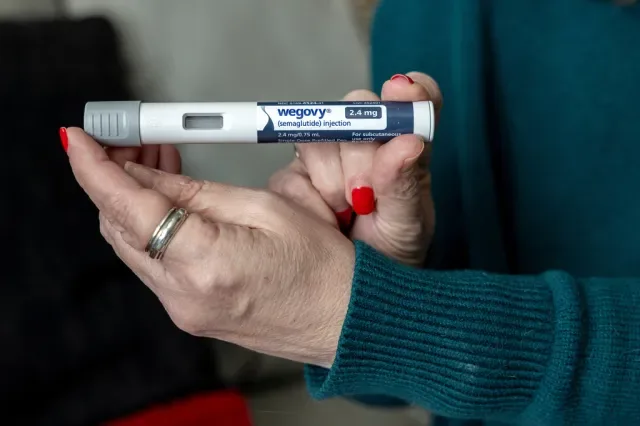
GLP-1 receptor agonists, such as semaglutide and tirzepatide, mimic the glucagon-like peptide-1 hormone to regulate blood sugar, slow gastric emptying, and suppress appetite. These mechanisms drive impressive short-term weight loss—often 15-20% of body weight in clinical trials—but real-world sustainability hinges on more than pharmacology alone.
The Rise of GLP-1 Medications and the Adherence Challenge
A recent industry report from Weight Watchers (WW) found that individuals combining GLP-1 medications with structured lifestyle support achieved significantly greater weight loss than those using medication alone—highlighting a critical gap in how obesity is currently treated.
This aligns with broader clinical evidence. GLP-1 therapies excel in reducing caloric intake and promoting initial fat loss, but without sustained behavioral changes, weight regain is common. Studies like the STEP trials for semaglutide show peak weight loss at 68 weeks, followed by plateaus or rebounds in many participants due to waning adherence.
Key Barriers to Long-Term GLP-1 Success
- Inconsistent usage: Skipping doses due to side effects like nausea or supply issues.
- Behavioral drift: Returning to old habits once appetite suppression fades.
- Lack of accountability: Isolation in weight management journeys.
- Discontinuation: Stopping meds after initial results, leading to relapse.
"The conversation is shifting from whether GLP-1 medications work to what makes them work sustainably," said WLB Founder & CEO Joey Dweck. "Medication can reduce appetite, but it doesn't build habits, reinforce consistency or prevent relapse. That's where behavioral infrastructure becomes essential."
Weight Loss Buddy: A Behavioral Layer for the GLP-1 Era
Weight Loss Buddy (WLB), a behavioral health platform, addresses this challenge by combining AI-powered "digital twin" modeling for personalized guidance, peer-to-peer accountability networks, and daily behavioral reinforcement loops. This approach transforms weight loss from an individual effort into a socially reinforced system, increasing adherence and long-term sustainability.
Unlike one-size-fits-all programs, WLB acts as an always-on support layer. It can integrate seamlessly with GLP-1 therapies, providing reminders for medication schedules, habit tracking, and community motivation. For patients, this means practical tools to discuss with healthcare providers: pairing meds with app-based check-ins to monitor progress and adjust behaviors.
How WLB Complements GLP-1 Mechanisms
GLP-1 drugs target physiological drivers of obesity, but behavioral tools tackle psychological and social ones. WLB's AI analyzes user data to predict slip-ups, while peer networks foster accountability—proven in behavioral science to boost habit formation by up to 65% per habit research from sources like the American Journal of Health Promotion.
Precision tracking for your journey
Join thousands using Shotlee to accurately track GLP-1 medications and side effects.
📱 Get the Shotlee App
Track your GLP-1 medications, peptides, and health metrics on the go with our mobile app!
Patients on GLP-1s should consider WLB or similar apps if they've hit plateaus or worry about post-medication maintenance. Always consult a doctor before starting, especially if managing side effects like gastrointestinal discomfort or monitoring for rarer risks such as pancreatitis.
Beyond Programs: Infrastructure for Metabolic Health
We're not competing with medication—we're completing it," Dweck added. "The future of weight management is integrated, but integration doesn't have to mean centralized programs. It can be dynamic, personalized and community-driven."
This modular approach contrasts with traditional programs like WW or Noom, which bundle coaching and tracking. WLB focuses purely on adherence infrastructure, making it stackable with employer wellness plans, telehealth GLP-1 prescriptions, or even symptom trackers like Shotlee for logging side effects alongside daily habits.
Comparisons to Alternatives
- WW + GLP-1: Structured but group-focused; WLB adds AI personalization.
- Noom: Psychology-heavy; lacks peer networks.
- Standalone apps: Miss social reinforcement WLB provides.
Implications for Healthcare and Patients
As healthcare systems, employers, and digital health platforms invest in obesity treatment, solutions addressing both biological and behavioral drivers will define innovation. WLB represents a new category: behavioral adherence infrastructure for long-term metabolic health.
For patients: Start by assessing your adherence—track doses and habits. Discuss combo therapies with providers. Tools like WLB can enhance outcomes without replacing medical advice.
Key Takeaways
- Weight Watchers data confirms GLP-1 + lifestyle support outperforms meds alone.
- WLB's AI, peers, and loops solve adherence gaps.
- Focus on integration for sustainable weight loss.
- Consult professionals; behavioral tools amplify, don't replace, treatment.
About Weight Loss Buddy: WLB empowers health journeys with tech, community, and personalization. Visit www.WeightLossBuddy.com. Download on Apple App Store or Google Play.
Contact: Joey Dweck, +1 917-841-2521, joey@weightlossbuddy.com. Follow on LinkedIn, Instagram, Facebook, X.
Conclusion: Actionable Insights for GLP-1 Users
The GLP-1 weight loss boom needs behavioral adherence tools to endure. By bridging pharmacology and habits, platforms like Weight Loss Buddy pave the way for lasting metabolic health. Patients: Pair your meds with support today—your long-term success depends on it.