
The Rise of GLP-1s and the Need for Deeper Insights
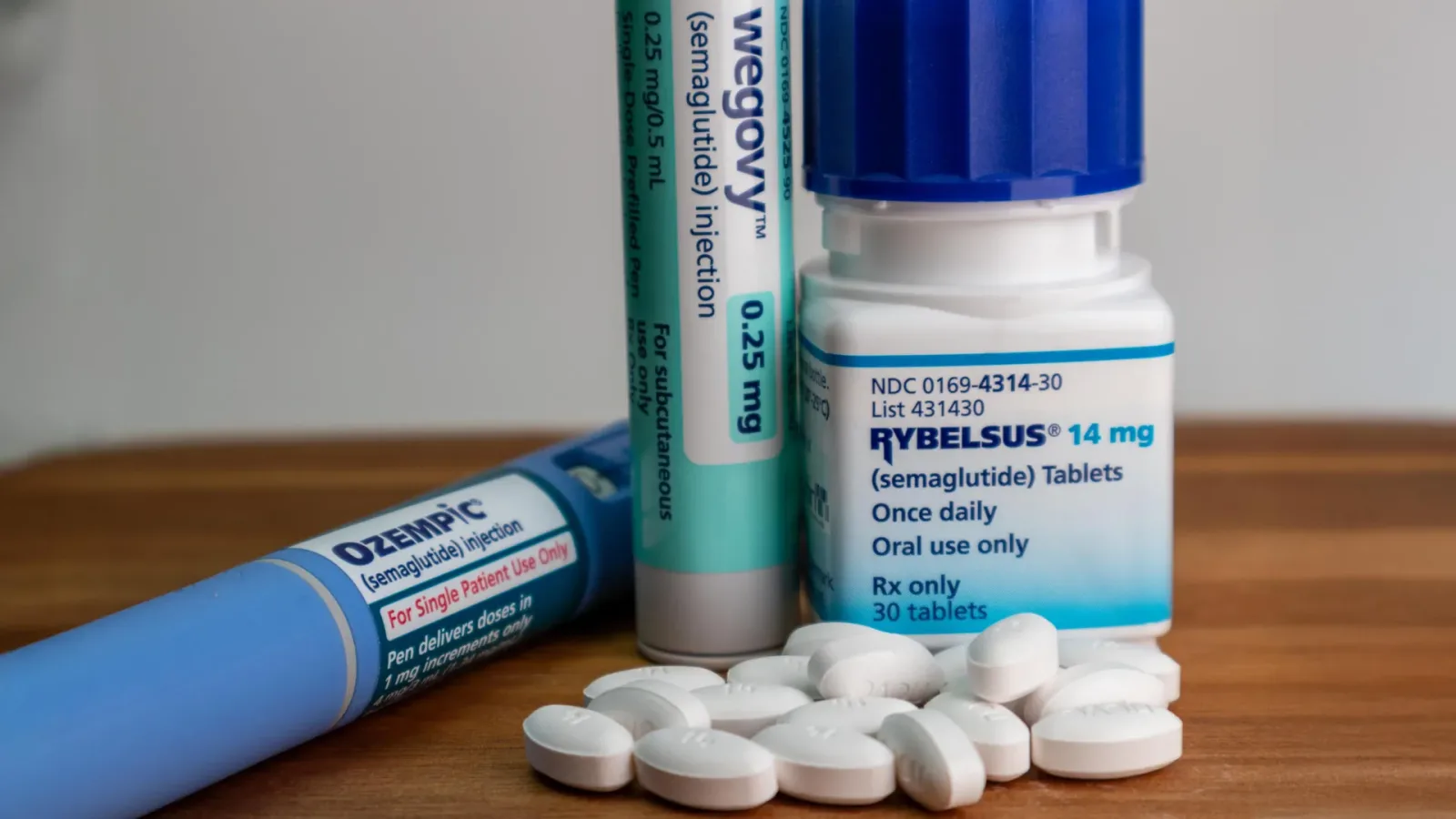
Weight loss and diabetes management have been significantly transformed by the advent of GLP-1 receptor agonists. Medications like semaglutide (found in Ozempic and Wegovy) and tirzepatide (found in Mounjaro and Zepbound) have become household names, offering new hope for individuals struggling with these chronic conditions. While clinical trials are the cornerstone of drug safety and efficacy evaluation, they have limitations. They are meticulously designed, but inherently slow-paced and may not always capture the full spectrum of patient experiences, especially concerning less common or more nuanced side effects that emerge once a drug reaches a broad population.
Recognizing this gap, researchers at the University of Pennsylvania have harnessed the power of artificial intelligence (AI) to delve into the real-world experiences of patients. By analyzing a massive dataset of online discussions, they aim to uncover potential side effects that might be discussed among users but not yet fully documented through traditional channels. This innovative approach promises to provide a faster, more comprehensive understanding of how these popular medications affect individuals in their daily lives.
AI Scans the Digital Grapevine: Unpacking 400,000 Reddit Posts
In a significant study published in Nature Health, a team of researchers employed AI to sift through over 400,000 Reddit posts. These discussions, contributed by nearly 70,000 users over a period of more than five years, offered a rich tapestry of patient experiences with GLP-1 medications. The goal was not to prove causation but to identify patterns and signals that warrant further scientific investigation.
"Some of the side effects we found, like nausea, are well known, and that shows that the method is picking up a real signal," explained Sharath Chandra Guntuku, Research Associate Professor in Computer and Information Science (CIS) at Penn Engineering and the study's senior author. "The underreported symptoms are leads that came from patients themselves, unprompted, and clinicians could potentially pay attention to them."
Lyle Ungar, a Professor in CIS and co-author of the study, highlighted the unique value of social media in this context. "Social media can offer insight into concerns patients may not always bring up during medical visits," he noted. "Clinical trials generally identify the most dangerous side effects of drugs, but they can fail to find what symptoms patients are most concerned about." While acknowledging that social media isn't perfectly representative of the entire population, Ungar emphasized that a large volume of posts can indeed reflect additional patient concerns.
Beyond the Known: Emerging Symptoms Under the AI Lens
The study's findings revealed several commonly discussed symptoms, including some that may deserve closer scientific attention. While well-documented side effects like nausea and other gastrointestinal issues were frequently reported, the AI analysis also flagged symptoms that appeared less prominently in official drug documentation or clinical trial summaries.
One of the most striking findings was the discussion around reproductive health. The researchers noted that nearly 4% of users who reported side effects also described reproductive symptoms. These included:
- Irregular menstrual cycles
- Intermenstrual bleeding
- Heavy bleeding
"We can't say that GLP-1s are actually causing these symptoms," cautioned Neil Sehgal, the study's first author and a doctoral student. "But nearly 4% of the Reddit users in our sample reported menstrual irregularities, which would be even higher in a female-only sample. We think that's a signal worth investigating."
Temperature-related complaints also emerged as a notable theme. Users discussed experiencing symptoms such as:
- Chills
- Feeling cold
- Hot flashes
- Fever-like sensations
Fatigue was another frequently discussed complaint, ranking as the second most common symptom reported by Reddit users, despite sometimes appearing less prominently in many clinical trials. Researchers suggest that the way these drugs interact with the hypothalamus, a part of the brain involved in regulating various hormones, might offer a biological basis for why these symptoms are being reported. Jena Shaw Tronieri, Senior Research Investigator at Penn's Center for Weight and Eating Disorders and a co-author, stated, "That doesn't mean the medications are necessarily causing these symptoms, but it could suggest that reports of menstrual changes and body temperature fluctuations are worth studying more systematically."
Precision tracking for your journey
Join thousands using Shotlee to accurately track GLP-1 medications and side effects.
📱 Get the Shotlee App
Track your GLP-1 medications, peptides, and health metrics on the go with our mobile app!
The Power of Large Language Models in Health Surveillance
A significant hurdle in analyzing online health discussions has always been scale and standardization. Patients describe their experiences in countless ways, making it challenging to map these descriptions to the standardized medical terminology used in systems like the Medical Dictionary for Regulatory Activities (MedDRA). The advent of large language models (LLMs) like GPT and Gemini has revolutionized this process.
According to the researchers, these AI systems can now process vast amounts of online discussion data with unprecedented speed and consistency. "Large language models have made it possible to do this kind of analysis much faster with a level of standardization that could be difficult to achieve before," said Sehgal. This technological advancement allows for the rapid identification of patterns and trends that were previously difficult or impossible to detect.
The study acknowledges that Reddit users do not perfectly represent the general population. They tend to be younger, more likely to be male, and disproportionately based in the United States. However, the fact that many reported symptoms aligned with known side effects of semaglutide and tirzepatide (with approximately 44% of users mentioning at least one side effect, most commonly gastrointestinal issues) lends credibility to the AI's ability to identify real signals within the data.
From Online Chatter to Clinical Attention: Bridging the Gap
The researchers are hopeful that their findings will encourage scientists and healthcare providers to pay closer attention to the discussions happening in online patient communities. "They're clearly on patients' minds, and that's worth paying attention to," emphasized Sehgal.
This AI-driven approach offers a crucial advantage in the context of rapidly evolving health trends and the widespread adoption of new medications. Clinical trials, while essential, are a slow process. For drugs that quickly move from niche treatments to mainstream use, or for substances like injectable peptides sold in less regulated markets, online conversations can provide some of the earliest clues about user experiences.
As Ungar put it, "Online patient communities work a lot like a neighborhood grapevine. People who are living with these medications are swapping notes with each other in real time, sharing experiences that rarely make it into a doctor's office visit or an official report." This real-time, grassroots information exchange, amplified by AI analysis, can help identify emerging concerns much earlier than traditional pharmacovigilance systems.
Looking Ahead: Expanding the Scope of AI in Drug Monitoring
The Penn team plans to expand their analysis beyond Reddit and English-speaking communities to see if similar patterns emerge across different social media platforms and global populations. "We don't really know yet whether what we're seeing on Reddit reflects the experience of GLP-1 users globally, or whether it's particular to the kind of person who posts on Reddit in the United States," Ungar stated.
Ultimately, the vision is for AI-assisted analysis of social media conversations to become an integral tool in identifying emerging drug concerns and wellness trends. For individuals managing their health with medications like Ozempic, Wegovy, Mounjaro, or Zepbound, understanding potential side effects, both common and less common, is paramount. Tools that can help track doses, symptoms, and overall health can be invaluable. Platforms like Shotlee can assist users in diligently recording their experiences, which can then be discussed with healthcare providers, potentially informing future research and clinical guidance.
Conclusion: A New Frontier in Patient-Centric Health Monitoring
The integration of AI into health research, exemplified by this study of Reddit posts, marks a significant step forward in understanding the real-world impact of medications. By listening to the collective voice of patients online, researchers can gain faster, more nuanced insights into potential side effects. This patient-centric approach complements traditional research methods, paving the way for more informed healthcare decisions and improved patient outcomes in the era of popular GLP-1 therapies.