Mounjaro vs Zepbound
Same Tirzepatide — Different FDA Indication, Different Insurance Coverage
Mounjaro and Zepbound are the same drug: tirzepatide, Eli Lilly's dual GIP+GLP-1 receptor agonist. Mounjaro is FDA-approved for type 2 diabetes; Zepbound is approved for chronic weight management and obstructive sleep apnea. Dosing is identical (2.5–15 mg weekly), side effects are identical — only the label, indication, and insurance coverage differ. Track either in Shotlee.
Mounjaro vs Zepbound at a Glance
- →FDA indication: type 2 diabetes management
- →Dose range: 2.5 mg → 5 mg → 7.5 mg → 10 mg → 12.5 mg → 15 mg weekly
- →Maximum approved dose: 15 mg weekly
- →Key T2D trials: SURPASS programme (−2.3% HbA1c at 15 mg)
- →SURMOUNT data also shows ~22% weight loss at 15 mg
- →Often used off-label for weight loss by prescriber discretion
- →Insurance: generally covered for T2D indication
- →FDA indication: chronic weight management (November 2023)
- →Also approved for obstructive sleep apnea (2024) — first drug for this
- →Dose range: identical to Mounjaro (2.5–15 mg weekly)
- →Key obesity trial: SURMOUNT-1 (~20.9% weight loss at 15 mg)
- →SURMOUNT-5 (2025): ~47% more weight loss than Wegovy
- →Eli Lilly offers lower-cost single-dose vials for self-pay patients
- →Insurance: covered by obesity benefit plans; excluded from many standard plans
Head-to-Head Comparison
| Factor | Mounjaro | Zepbound |
|---|---|---|
| Active molecule | Tirzepatide | TirzepatideBest |
| Manufacturer | Eli Lilly | Eli Lilly |
| FDA indication | Type 2 diabetes | Obesity + obstructive sleep apnea |
| Dose range | 2.5–15 mg weekly | 2.5–15 mg weekly |
| Dose escalation | Same 4-week steps | Same 4-week steps |
| Weight loss data | ~22% at 15 mg (SURMOUNT-4 T2D) | ~20.9% at 15 mg (SURMOUNT-1 obesity) |
| Sleep apnea approval | No | Yes (2024) |
| T2D insurance coverage | Usually covered | Usually not covered |
| Obesity insurance coverage | Off-label only | Covered if qualifying |
| Monthly cost (uninsured) | ~$1,000–1,200 | ~$1,000–1,200 (autoinjector); lower via Lilly vials |
Key Numbers
Choose Based on Your Goal
You have type 2 diabetes
Mounjaro is the T2D-approved brand with strong SURPASS trial data. Most T2D insurance plans cover it; your endocrinologist will typically prescribe Mounjaro.
Weight loss is the primary goal
Zepbound is specifically dosed and approved for obesity. SURMOUNT-1 showed 20.9% mean weight loss — the highest of any approved obesity drug.
Obstructive sleep apnea
Zepbound gained the first-ever FDA approval specifically for obstructive sleep apnea in 2024. Mounjaro does not have this indication.
Insurance covers T2D but not obesity
Mounjaro is often prescribed off-label for weight loss when the plan does not cover Zepbound. Same drug, different label.
Cost for self-pay patients
Eli Lilly launched lower-cost Zepbound single-dose vials specifically for self-pay patients. Check Lilly's direct pharmacy programme for current pricing.
Switching between them
Switching from Mounjaro to Zepbound (or vice versa) requires no dose adjustment — it is literally the same drug. Update your prescription brand in Shotlee.
Why Two Brand Names?
Pharmaceutical companies seek separate FDA approvals for different indications — even when the drug is identical. This allows them to market the product to different specialties (endocrinology vs obesity medicine), negotiate insurance coverage separately, and set different formulary positions. The pharmacology is completely unchanged.
Zepbound gained an additional approval in 2024 for obstructive sleep apnea — the first medication ever specifically approved for this condition — making it the more versatile option for patients with multiple weight-related conditions.
If you have type 2 diabetes, your doctor will typically prescribe Mounjaro for better insurance coverage. If your primary goal is weight loss or you have sleep apnea, Zepbound is the on-label choice. In practice, the drugs are interchangeable — the brand name determines coverage.
Mounjaro vs Zepbound: Frequently Asked Questions
Yes — both contain tirzepatide at identical doses. The distinction is purely in FDA indication and brand positioning. If you switched from Mounjaro to Zepbound, you are taking the exact same drug.
Both reach the same maximum of 15 mg weekly, with the same dose escalation schedule (2.5 mg, 5 mg, 7.5 mg, 10 mg, 12.5 mg, 15 mg). There is no pharmacological difference between the two products.
Yes, doctors can prescribe Mounjaro off-label for weight loss, but insurance typically will not cover it without a diabetes diagnosis. Zepbound is the FDA-approved on-label option for weight management.
Yes. In 2024, Zepbound became the first medication ever approved specifically for moderate-to-severe obstructive sleep apnea in adults with obesity. Mounjaro does not have this indication.
Eli Lilly launched Zepbound single-dose vials at lower prices to compete with compounded tirzepatide. Autoinjector pens for both brands are similarly priced, but Lilly's self-pay vial programme offers Zepbound at a lower cost for uninsured patients.
Track Mounjaro or Zepbound in Shotlee
Full 2.5–15 mg dose escalation tracking, injection reminders, and weight charts. Free.
📚References & sources
Latest on Mounjaro

Anandita Sundar's 7-Year Weight Loss Journey and Body Shaming
Anandita Sundar opens up about her seven-year weight loss journey, highlighting the profound impact of body shaming on mental health and her commitment to prioritizing well-being over societal expectations.
7 min read
Plus-Size Swimsuit Model on Inclusivity Amidst GLP-1 Medications
Plus-size model Hunter McGrady shares her concerns about a perceived decline in fashion inclusivity, particularly in the context of the growing popularity of GLP-1 weight loss medications.
7 min read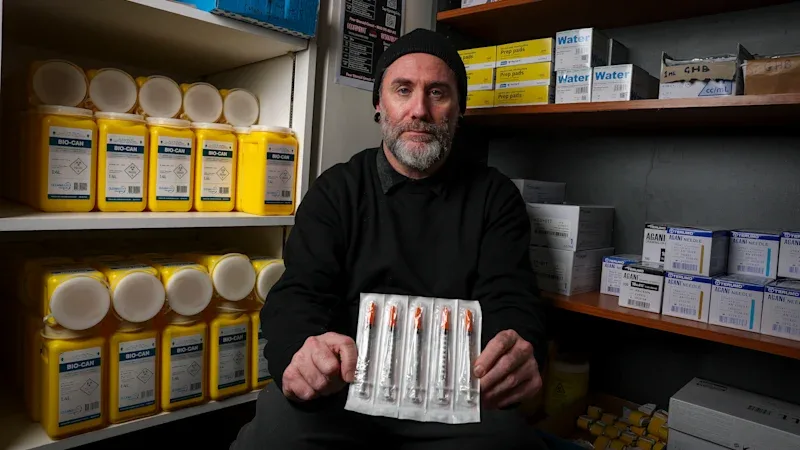
Black-Market Peptide Surge Strains Needle and Syringe Programs
The rise of unregulated peptides for performance and image enhancement is placing significant pressure on vital harm reduction services, originally established to combat HIV. These programs are now facing increased demand and potential shortages of essential supplies.
7 min read