Social media platforms are buzzing with a new trend promising a budget-friendly path to weight loss, often referred to as the "natural Ozempic" drink. This concoction, typically made with unflavored gelatin mixed into warm water, is being promoted by influencers as an appetite suppressant that can aid in weight management. The idea is to consume this mixture shortly before meals, with the belief that it will create a feeling of fullness, thereby reducing overall food intake. But as with many viral health trends, it's crucial to approach such claims with a critical eye and consult with medical professionals.
Understanding the 'Natural Ozempic' Drink Trend
The core of this viral trend involves a simple recipe: unflavored gelatin dissolved in warm water. Proponents suggest drinking this mixture 15 to 30 minutes before eating. The purported mechanism of action is that the gelatin, upon contact with stomach fluids, forms a gel-like substance. This gel is believed to expand in the stomach, mimicking the sensation of being full and consequently reducing hunger pangs and the desire to eat large portions. On platforms like TikTok and Instagram, numerous videos showcase individuals preparing and consuming this drink, often accompanied by claims of significant appetite reduction and weight loss.
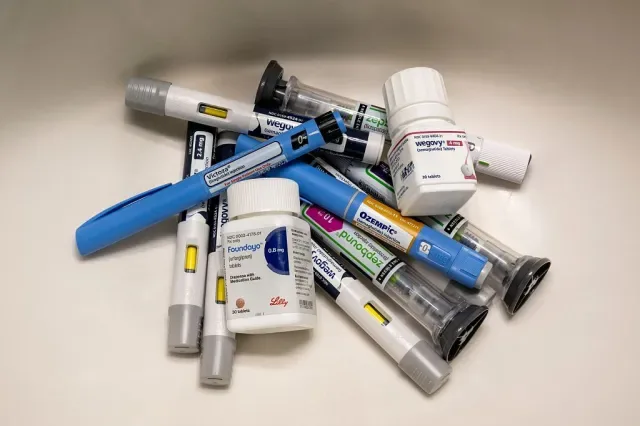
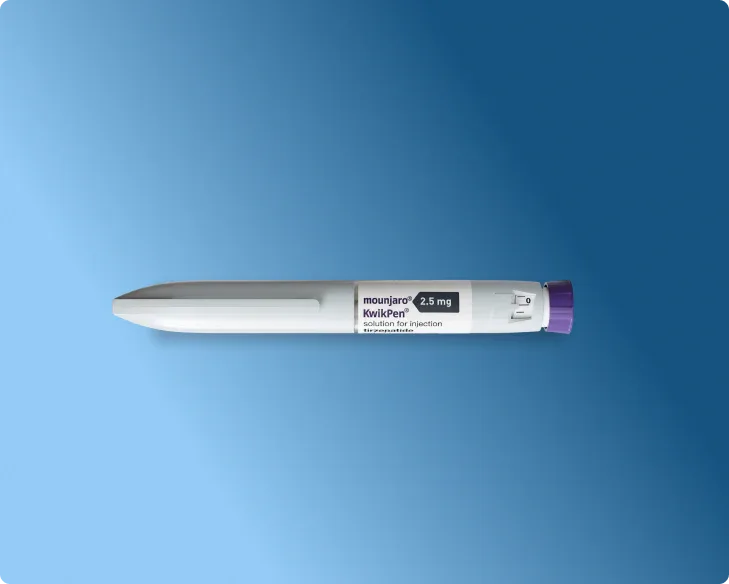
The comparison to Ozempic, a well-known prescription medication that mimics the action of the GLP-1 hormone to help regulate blood sugar and promote weight loss, highlights the allure of this trend. Ozempic and similar medications (like Wegovy, Mounjaro, and Zepbound) have gained significant attention for their effectiveness in weight management. The "natural Ozempic" drink is positioned as an accessible, over-the-counter alternative, appealing to those seeking simpler or more affordable methods to control their appetite.
The Science Behind Gelatin and Satiety
Gelatin is a protein derived from collagen, which is abundant in connective tissues, bones, and skin of animals. When consumed, gelatin can indeed form a gel in the digestive tract. As a protein source, it can contribute to satiety, the feeling of fullness after eating. The amino acid profile of gelatin, particularly its glycine and proline content, is thought to play a role in this effect. Some studies have explored the impact of gelatin-based supplements on appetite and satiety, with some suggesting a potential benefit in reducing hunger.
However, the extent to which this simple gelatin drink can replicate the effects of medically prescribed weight-loss medications like Ozempic or even contribute to substantial, sustainable weight loss is a subject of considerable debate among health professionals. The primary concern is that the claims surrounding this trend often overstate the efficacy of gelatin as a standalone weight-loss solution.
Expert Opinions and Health Considerations
Medical experts generally express caution regarding the viral "natural Ozempic" drink. Dr. Stephanie Widmer, an emergency medicine physician and medical toxicologist, has stated that most viral claims about gelatin and weight loss are overstated. While gelatin can be a component of a balanced diet, it is not a magic bullet for weight management.
Key concerns raised by health professionals include:
Precision tracking for your journey
Join thousands using Shotlee to accurately track GLP-1 medications and side effects.
📱 Get the Shotlee App
Track your GLP-1 medications, peptides, and health metrics on the go with our mobile app!
- Overstated Efficacy: The idea that a simple gelatin drink can lead to significant or sustained weight loss is largely unsubstantiated by robust scientific evidence.
- Nutritional Imbalance: Relying on this drink as a primary weight-loss strategy can lead to neglecting a balanced diet. Sustainable weight loss typically requires a comprehensive approach that includes a variety of nutrient-dense foods.
- Not a Replacement for Balanced Meals: Gelatin should not replace whole foods that provide essential fiber, vitamins, minerals, and other proteins crucial for long-term satiety and overall health. These nutrients are vital for feeling full longer and maintaining metabolic health.
- Potential for Misguided Expectations: Consumers might be led to believe this is a quick fix, potentially delaying or discouraging the adoption of evidence-based weight management strategies.
Experts advise that if individuals choose to use the gelatin drink, it should be done sparingly and as a minor adjunct to a healthy eating plan, rather than a central component. It's viewed as a potential, albeit limited, appetite aid, not a long-term weight-loss strategy comparable to medical interventions.
Comparing with Medical Weight-Loss Treatments
It is crucial to differentiate the "natural Ozempic" drink from scientifically validated medical treatments for weight loss, such as GLP-1 receptor agonists (like semaglutide found in Ozempic and Wegovy) and tirzepatide (found in Mounjaro and Zepbound). These medications work through complex hormonal pathways in the body to:
- Regulate Appetite: They significantly reduce hunger and increase feelings of fullness, leading to a natural reduction in calorie intake.
- Slow Gastric Emptying: This further contributes to prolonged satiety.
- Improve Blood Sugar Control: Many of these medications are also used to manage type 2 diabetes.
- Promote Metabolic Changes: They can influence how the body processes food and stores fat.
These medical treatments are backed by extensive clinical trials demonstrating their safety and efficacy when prescribed and monitored by healthcare professionals. They are typically recommended for individuals with a certain body mass index (BMI) or weight-related health conditions. The "natural Ozempic" drink, on the other hand, lacks such rigorous scientific validation for weight loss claims.
Practical Takeaways for Health-Conscious Individuals
For those interested in managing their weight or improving their overall health, focusing on evidence-based strategies is paramount. While the "natural Ozempic" drink may offer a temporary feeling of fullness for some, it should not be considered a substitute for a healthy lifestyle.
Here are some practical takeaways:
- Prioritize a Balanced Diet: Emphasize whole foods, including lean proteins, fruits, vegetables, and whole grains. These provide essential nutrients and fiber, which are key to sustained satiety and metabolic health.
- Stay Hydrated: Drinking plenty of water throughout the day can also help manage appetite and support overall bodily functions.
- Incorporate Regular Physical Activity: Exercise plays a vital role in weight management, improving metabolism, and enhancing overall well-being.
- Consult Healthcare Professionals: Before starting any new diet, supplement, or weight-loss regimen, especially one that involves significant dietary changes or claims to mimic prescription medications, consult with a doctor or a registered dietitian. They can provide personalized advice based on your individual health needs and goals.
- Use Tracking Tools: Tools like Shotlee can be invaluable for monitoring food intake, exercise, and progress, helping you stay accountable and informed on your health journey. Tracking your meals, water intake, and any new dietary additions can provide valuable insights into what works best for your body.
Conclusion
The viral "natural Ozempic" drink trend, while intriguing due to its simplicity and accessibility, should be viewed with a healthy dose of skepticism. While gelatin may offer some mild satiety benefits as part of a balanced diet, it is not a scientifically proven weight-loss solution, nor is it comparable to the efficacy and mechanisms of prescription weight-loss medications like Ozempic or Mounjaro. Health experts emphasize that sustainable weight management relies on a holistic approach encompassing balanced nutrition, regular physical activity, and professional medical guidance. For those seeking effective weight loss strategies, consulting with healthcare providers and focusing on evidence-based lifestyle changes remains the most reliable path forward.