
What Is Orforglipron? New Oral Weight-Loss Pill Trial Results
Orforglipron is emerging as a promising contender in the GLP-1 medication landscape, particularly for those seeking an oral alternative to injectable weight-loss drugs like semaglutide (Ozempic and Wegovy). A recent 52-week phase 3 clinical trial demonstrated that this daily pill not only matched but exceeded current oral semaglutide in reducing HbA1c levels and promoting weight loss among adults with type 2 diabetes. Developed by Eli Lilly, orforglipron could address key barriers to GLP-1 therapy accessibility.
Understanding GLP-1 Medications and the Shift to Oral Options
GLP-1 receptor agonists like semaglutide have transformed management of type 2 diabetes and obesity by mimicking the gut hormone glucagon-like peptide-1 (GLP-1). Released shortly after eating, natural GLP-1 signals fullness to the brain, slows gastric emptying, and boosts insulin secretion while suppressing glucagon. This mechanism explains their dual benefits for blood sugar control and sustained weight loss.
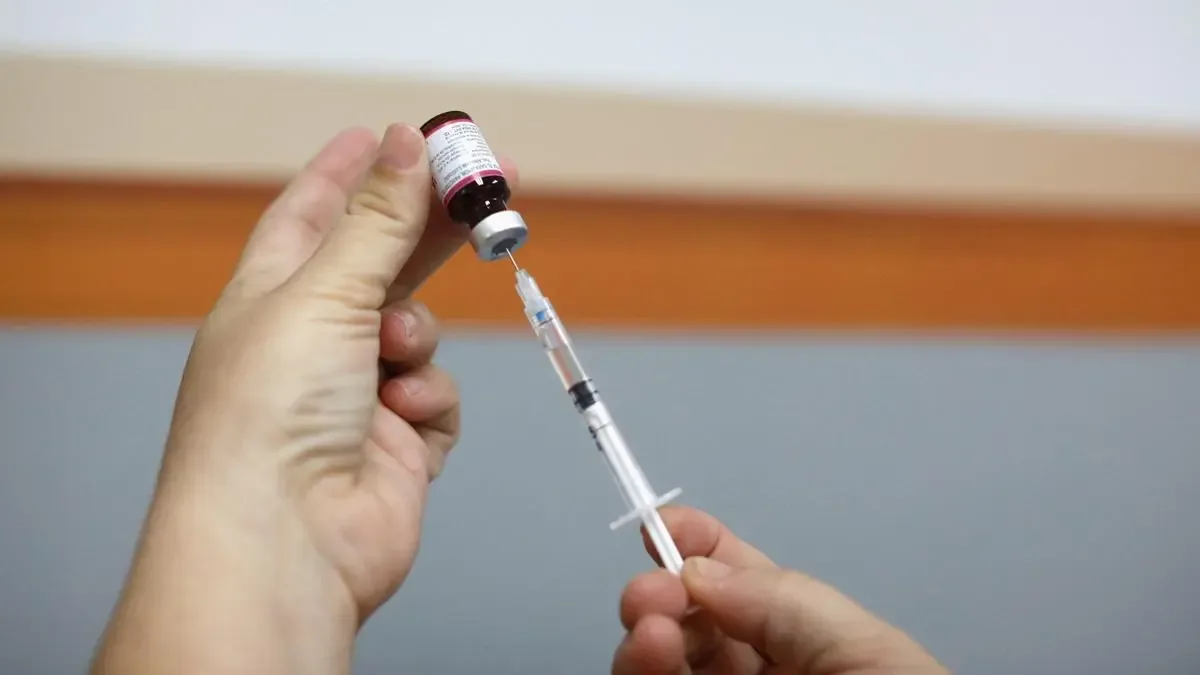
Injectable semaglutide marked a pivotal advancement when introduced a few years ago, but challenges persist: weekly self-injections into the belly, thigh, or arm deter patients with needle phobia or lifestyle inconveniences. Additionally, these formulations require refrigeration throughout the supply chain, limiting access in low- and middle-income countries with unreliable cold storage.
Researchers have pursued oral GLP-1 alternatives, with oral semaglutide (marketed as Rybelsus) showing efficacy but drawbacks: it must be taken on an empty stomach, followed by a 30-minute fast from food and drink. Its peptide structure yields poor bioavailability—only about 1% absorption—driving up production costs.
What Is Orforglipron and How Does It Work?
Orforglipron represents a breakthrough as a small-molecule GLP-1 receptor agonist. Unlike peptide drugs such as semaglutide, which mimic the hormone's amino acid structure, orforglipron is a synthetic chemical compound small enough to be absorbed directly through the gut wall. This allows it to activate GLP-1 receptors without structural similarity to the natural hormone.
Key advantages include simpler, cheaper manufacturing and no refrigeration needs, enhancing global scalability. Taken as a daily tablet, it avoids injection hassles and strict fasting protocols of oral semaglutide.
Phase 3 Trial Results: Orforglipron vs. Oral Semaglutide
Study Design and Participants
The pivotal 52-week phase 3 trial enrolled 1,698 adults with type 2 diabetes across six countries. Participants had a baseline average HbA1c of 8.3%, well above the diabetes threshold of 6.5%. The study directly compared orforglipron doses against oral semaglutide, focusing on HbA1c reduction as the primary endpoint—a standard measure of three-month average blood sugar control.
Glycemic Control Outcomes
Orforglipron achieved superior results, reducing HbA1c by an average of 1.71-1.91%. In contrast, oral semaglutide lowered it by 1.47%. This not only met non-inferiority goals but proved statistical superiority in diabetes management.
Weight Loss Achievements
Weight reduction was also more pronounced with orforglipron: participants lost 6.1kg to 8.2kg on average, compared to 5.3kg with semaglutide. These outcomes in type 2 diabetes patients align broadly with weight loss seen in injectable GLP-1 trials, though no direct head-to-head studies exist yet.
Precision tracking for your journey
Join thousands using Shotlee to accurately track GLP-1 medications and side effects.
📱 Get the Shotlee App
Track your GLP-1 medications, peptides, and health metrics on the go with our mobile app!
Safety Profile and Tolerability Challenges
While efficacious, orforglipron's tolerability lags. Gastrointestinal side effects—nausea, vomiting, diarrhea, and constipation—affected 59% of participants, versus 37-45% on semaglutide. Daily dosing likely causes higher peak concentrations, exacerbating these issues.
Consequently, 10% discontinued orforglipron due to adverse effects, double the 4-5% rate for semaglutide. Common to all GLP-1 drugs, these side effects often improve over time, but higher dropout rates underscore the need for strategies like dose titration.
For patients, monitoring symptoms is crucial. Tools like Shotlee can help track gastrointestinal issues, medication adherence, and blood sugar trends to optimize therapy with a healthcare provider.
Advantages of Orforglipron Over Existing GLP-1 Options
- Oral Convenience: No injections or fasting requirements.
- Small-Molecule Design: Better gut absorption, lower costs, easier production.
- Logistics: Room-temperature stable, ideal for global distribution.
- Efficacy Edge: Superior HbA1c and weight loss vs. oral semaglutide.
Compared to injectables like Ozempic or Wegovy, orforglipron offers comparable weight loss potential without needles, though tolerability remains a hurdle.
Who Might Benefit from Orforglipron?
Ideal candidates include adults with type 2 diabetes struggling with injectable adherence or needle aversion. Those in regions without reliable refrigeration could gain most. Patients should discuss with endocrinologists or primary care providers, weighing benefits against GI risks. Starting at lower doses may mitigate side effects.
Orforglipron is not yet approved; ongoing trials target obesity without diabetes, potentially expanding indications.
Market Implications and Future Outlook
In a competitive GLP-1 arena dominated by Novo Nordisk's semaglutide, Eli Lilly's orforglipron emerges as a credible challenger. Its superior efficacy is tempered by tolerability concerns—long-term adherence will be key. Broader market performance against oral semaglutide remains to be seen.
Key Takeaways for Patients and Providers
- Orforglipron reduced HbA1c by 1.71-1.91% (vs. 1.47% for oral semaglutide) in a 52-week trial of 1,698 type 2 diabetes patients.
- Average weight loss: 6.1-8.2kg vs. 5.3kg.
- GI side effects in 59% (vs. 37-45%), with 10% discontinuation.
- Small-molecule advantages: oral, non-refrigerated, cost-effective.
- Consult doctors for personalized fit; monitor via apps like Shotlee for side effects.
Conclusion: A Step Forward in Accessible GLP-1 Therapy
Orforglipron's phase 3 success positions it as a game-changer for oral weight-loss and diabetes management, overcoming injection and logistics barriers. While side effects demand careful patient selection, its profile could broaden GLP-1 access worldwide. Stay tuned for regulatory updates and obesity trial results—discuss with your healthcare team to see if emerging options like this fit your needs.