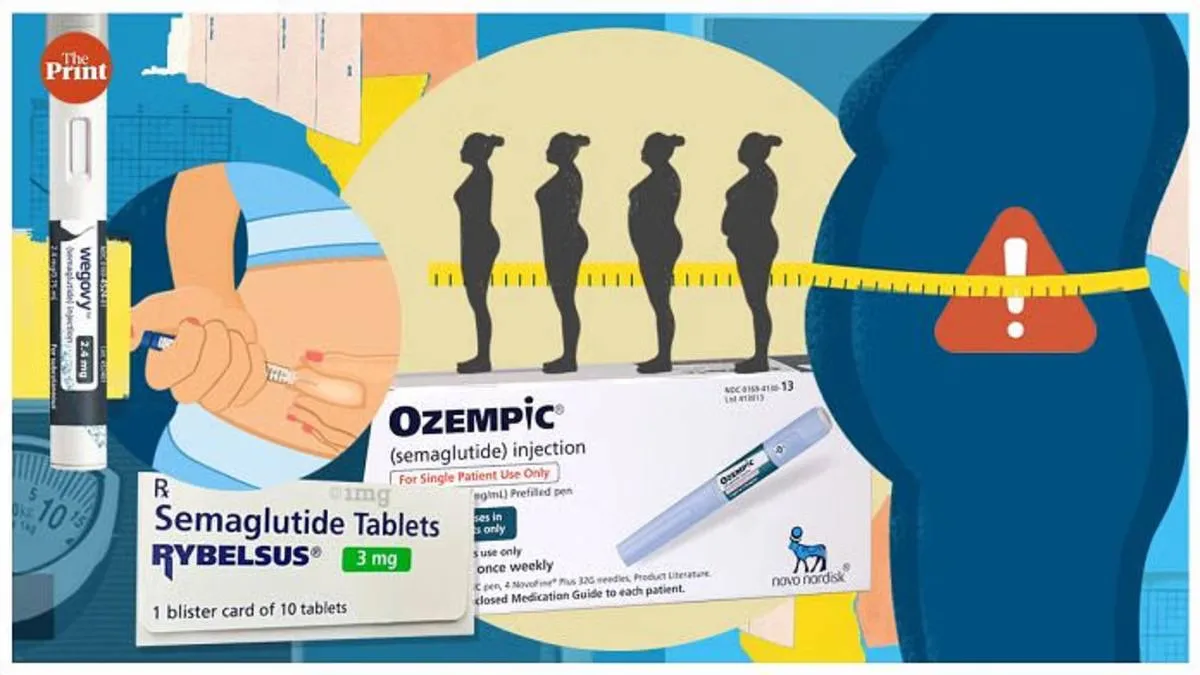

What Happens After Stopping GLP-1 Drugs Like Ozempic? UK Study Findings
Weight regain after stopping GLP-1 drugs is a critical concern for patients using medications like Ozempic and Wegovy. A recent University of Cambridge study, published in eClinicalMedicine, tracked changes in body weight for up to one year after discontinuation, providing key insights into what happens when GLP-1 receptor agonists are stopped. This research addresses a gap in prior knowledge, as few large-scale trials had followed patients beyond short-term periods.
Understanding GLP-1 Receptor Agonists
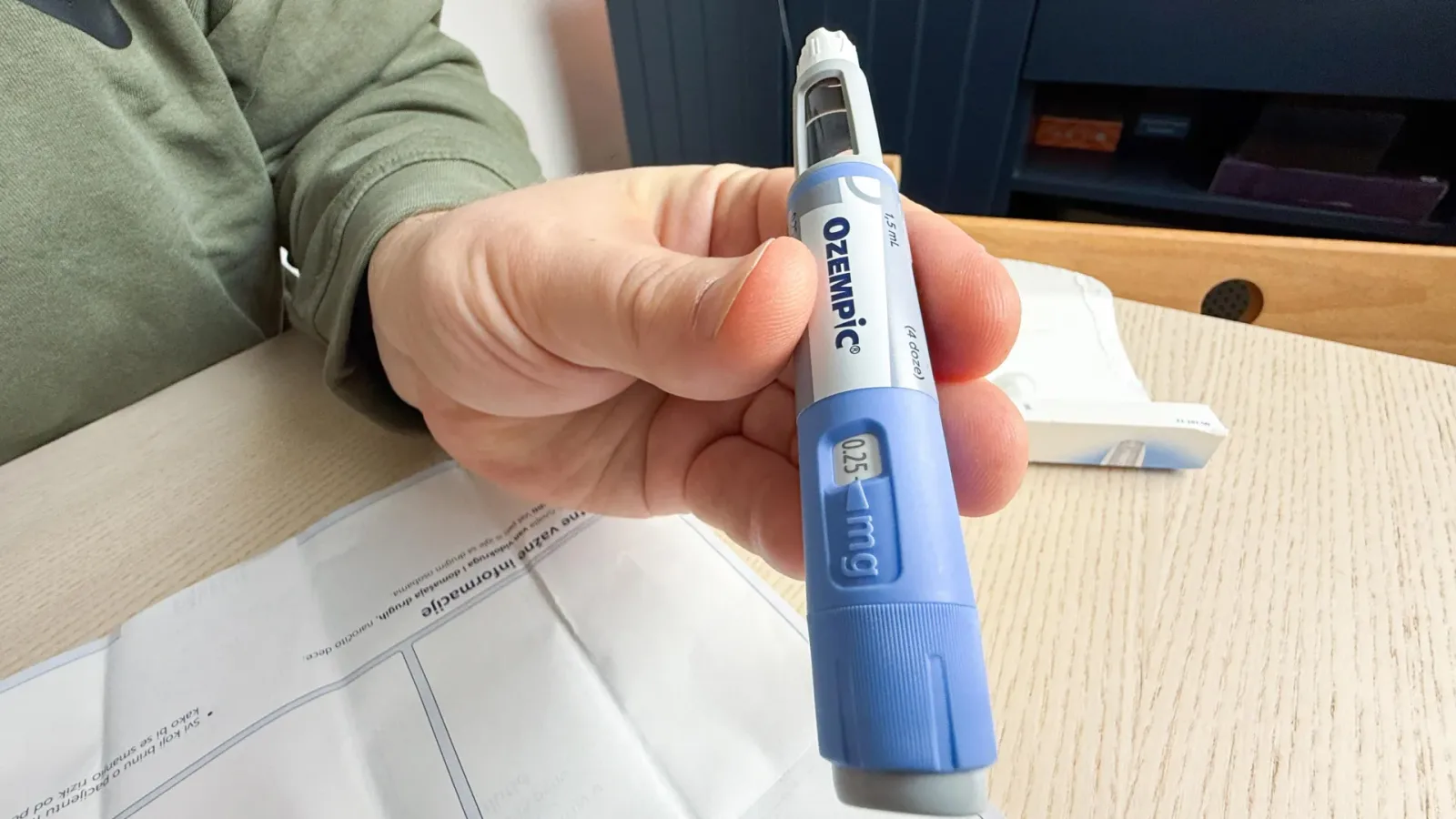
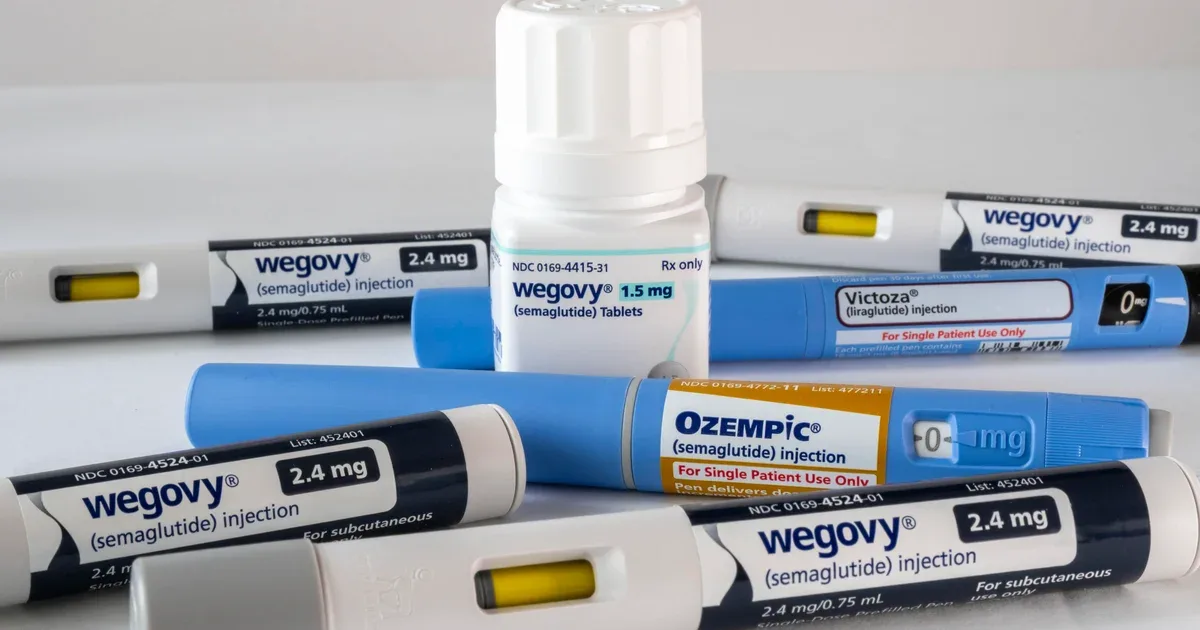
GLP-1 receptor agonists, such as semaglutide—the active ingredient in Ozempic and Wegovy—mimic a natural hormone that prompts the body to produce more insulin and helps control blood sugar. In higher amounts, these drugs interact with parts of the brain that reduce appetite, leading people to eat less and lose weight effectively.
Ozempic was initially approved for treating Type 2 diabetes, while Wegovy was approved specifically for chronic weight management. Both are developed by Novo Nordisk, the Danish pharmaceutical company, and have transformed obesity treatment. However, many patients discontinue these GLP-1 drugs due to side effects or high costs, raising questions about sustained weight loss.
The Cambridge Study: Methodology and Key Findings
Researchers at the University of Cambridge reviewed 48 previous studies, including 36 randomized controlled trials and 12 non-randomized studies, to examine weight changes after GLP-1 treatment ends. Most prior research only followed patients for short periods post-discontinuation. To model longer-term effects, the team focused on six trials involving more than 3,200 participants tracked for up to 52 weeks.
Weight Regain Timeline
The model revealed that weight regain occurs most rapidly in the first few months after stopping the medication. By the end of 52 weeks, participants had regained nearly 60 percent of the weight they had lost during treatment. After nearly 60 weeks, the regain began to level off.
Over the long term, researchers estimated that people are likely to regain nearly 75 percent of their lost weight, meaning roughly a quarter of the original weight loss is maintained. For example, someone who lost 20 percent of their body weight while on the medication might still maintain a weight that is five percent below their starting weight after stopping.
Composition of Regained Weight
It's still unclear whether the regained weight is primarily fat or includes muscle. Previous studies suggest that up to 40 percent of weight loss during GLP-1 treatment comes from lean body mass, including muscle. This highlights the importance of preserving muscle through diet and exercise during and after therapy.
"Drugs such as Ozempic and Wegovy act like brakes on our appetite, making us feel full sooner, which means we eat less and therefore lose weight. When people stop taking them, they are essentially taking their foot off the brake, and this can lead to rapid weight regain," said Brajan Budini, a medical student at the University of Cambridge and one of the study's authors.
Expert Perspectives on Discontinuation
"When people take GLP-1 drugs, they can lose a significant amount of weight. But once the medication stops, appetite returns, and the body often tries to regain that weight," said Dr. Monika Sharma, an endocrinologist at Aakash Healthcare Super Speciality Hospital.
Precision tracking for your journey
Join thousands using Shotlee to accurately track GLP-1 medications and side effects.
📱 Get the Shotlee App
Track your GLP-1 medications, peptides, and health metrics on the go with our mobile app!
Doctors emphasize treating obesity as a chronic disease. Dr. Dheeraj Kapoor, head of endocrinology at Kokilaben Dhirubhai Ambani Hospital in Mumbai, noted: "Long-term success cannot rely on medication alone. Patients need nutrition support, physical activity, sleep, and regular medical follow-up." Dr. Sharma added that maintaining weight loss requires a combination of medication, dietary changes, regular exercise, and ongoing medical supervision.
Implications for Patients Considering Stopping GLP-1 Drugs
For patients on semaglutide-based therapies, understanding weight regain after stopping GLP-1 drugs is essential. While these medications offer substantial initial benefits—often 15-20% body weight reduction—the study underscores that discontinuation without support leads to partial reversal.
- Who might stop? Common reasons include gastrointestinal side effects (nausea, vomiting), cost barriers, or achieving personal goals.
- What to discuss with your doctor: Develop a tapering plan, incorporate strength training to protect muscle mass, and monitor blood sugar if diabetic.
- Tools for success: Apps like Shotlee can help track symptoms, side effects, weight fluctuations, and medication adherence during transitions.
Comparatively, alternatives like older weight-loss drugs (e.g., phentermine) show even higher regain rates, while bariatric surgery offers more permanence but with greater risks. GLP-1s provide a middle ground when combined with lifestyle changes.
Relevance in India: Rising Obesity and Future Access
Obesity and related metabolic diseases are rising steadily in India, with an estimated 135 million people living with diabetes. According to the National Family Health Survey (NFHS-5) (2019-21), 24 percent of women and 23 percent of men are overweight or obese. GLP-1 drugs are gaining popularity amid this crisis.
The patent for semaglutide expires in March 2026, potentially allowing cheaper generic versions from Novo Nordisk competitors to enter the market, improving accessibility. The Cambridge findings highlight the need for integrated care to sustain benefits.
Safety Considerations and Mechanisms of Action
GLP-1 agonists work by delaying gastric emptying, enhancing satiety signals, and improving insulin sensitivity. Common side effects prompting discontinuation include nausea (up to 44% in trials), diarrhea, and injection-site reactions. Rare risks like pancreatitis or thyroid tumors require monitoring.
Post-discontinuation, patients may experience rebound hyperphagia (increased hunger). To mitigate, focus on high-protein diets, resistance training, and behavioral therapy. Longer-term studies are needed to assess changes years after stopping GLP-1 medicines.
Key Takeaways: What This Means for Patients
- Expect rapid weight regain (60% in 52 weeks) after stopping Ozempic or Wegovy; long-term ~75% regain.
- Maintain ~25% of losses with lifestyle interventions.
- Prioritize muscle preservation, as up to 40% of loss may be lean mass.
- Combine meds with diet, exercise, and follow-up for chronic obesity management.
- Discuss generics post-2026 patent expiry for affordability.
Conclusion: Actionable Insights for Sustainable Weight Management
The Cambridge study on weight changes after GLP-1 discontinuation reinforces that these drugs are powerful tools but not standalone cures. Patients should view obesity treatment holistically, partnering with healthcare providers for personalized plans. By integrating nutrition, activity, and monitoring—potentially with tools like symptom trackers—individuals can maximize lasting benefits from semaglutide therapies. Consult your doctor before any changes to ensure safe, informed decisions.