
What Are Peptides? Are They Safe and Backed by Evidence?
Peptides are short chains of amino acids, and understanding what peptides are is crucial amid the growing hype from influencers, athletes, and high-profile figures promoting them for injury repair, weight loss, anti-aging, and mood enhancement. While some peptides occur naturally in the body with essential functions, many experimental versions flood the market unregulated. This guide dives into their definition, the evidence behind popular claims, legal considerations in the UK, and critical safety concerns to help you navigate the murky industry.
What Are Peptides Exactly?
At their core, peptides are short chains of amino acids, the building blocks of proteins. Some peptides occur naturally in the body and play key roles in physiological processes. For instance:
- Insulin, a peptide hormone, regulates blood sugar levels.
- Oxytocin influences social behaviors.
- Vasopressin manages water retention and blood pressure.
Other naturally occurring peptides form when proteins break down, such as during food digestion. These natural peptides maintain bodily balance through tightly regulated levels.
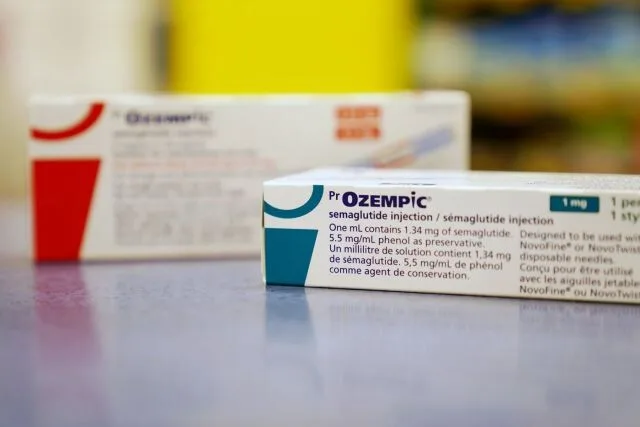
In recent years, interest has surged in synthetic peptides for therapeutic uses, including weight loss, anti-aging, and injury recovery. Approved prescription medications exemplify this trend: semaglutide (found in Wegovy) and tirzepatide (found in Mounjaro) are synthetic peptides mimicking natural hormones to promote weight loss via appetite suppression and glucose regulation. These have undergone rigorous clinical trials and regulatory approval.
However, contrast this with many peptides on the market today—unregulated, experimental products sold for self-injection without the strict processes applied to medications. This distinction is vital for anyone researching peptide therapy, as it separates evidence-based treatments from speculative ones.
How Do Peptides Work in the Body?
Peptides function by binding to specific receptors, triggering signaling pathways. Natural ones like insulin activate cells to uptake glucose, stabilizing energy levels. Synthetic versions aim to amplify these effects, but experimental peptides often target growth hormone pathways or tissue repair mechanisms without proven human translation. For context, the body's homeostasis keeps natural peptide levels precise; exogenous injections risk disruption, a point experts emphasize when evaluating safety.
Who Is Using Peptide Products and Why?
Peptide use began as a niche in the 2010s among powerlifters and bodybuilders, per Dr. Luke Turnock, a senior lecturer in criminology at the University of Lincoln. Early favorites included growth-hormone-releasing peptides like GHRP-2 and GHRP-6, used not just for muscle growth and tissue repair but to counter post-steroid slumps.
Interest has since exploded, fueled by figures like US podcaster Joe Rogan, who touts BPC-157 and TB-500—the 'Wolverine stack' after the Marvel superhero—for injury recovery. Other popular ones include:
- CJC-1295, MK-677, and ipamorelin for muscle building.
- GHK-Cu for anti-aging effects.
Social media buzz covers selling, buying, and injecting tips. Turnock notes it's mainly health, fitness, and wellbeing enthusiasts in the UK driving this trend.
Is There Evidence to Support Claims for Experimental Peptides?
Most experimental peptides lack robust scientific backing. Academics highlight that where studies exist, they're often limited to animals or cells. A recent US review on peptides for musculoskeletal injuries states BPC-157 "demonstrated potential benefits in tendon and muscle repair, but these findings are largely unvalidated in human trials," with no randomized controlled trials in humans and flawed case series.
Precision tracking for your journey
Join thousands using Shotlee to accurately track GLP-1 medications and side effects.
📱 Get the Shotlee App
Track your GLP-1 medications, peptides, and health metrics on the go with our mobile app!
For TB-4 and synthetic TB-500, cell and animal studies suggest blood vessel formation and tissue repair promotion, but human data for musculoskeletal conditions is absent—no studies of TB-500 in humans. Both are banned by the World Anti-Doping Agency. Researchers stress: "Importantly, information regarding the indications, dosing, frequency and duration of treatment remains unknown."
This evidence gap underscores why approved peptides like semaglutide succeed—they're backed by large-scale human trials—while experimental ones remain hype-driven.
What Is the Legal Situation for Peptides in the UK?
Many popular peptides aren't classified as medicines by the UK's Medicines and Healthcare products Regulatory Agency (MHRA), evading regulation. However, this shifts if sellers claim medicinal effects.
Lynda Scammell, head of borderline products at the MHRA, said: "Where medicinal claims are made, or products are being used in a way which brings them within the definition of a 'medicinal product' under the Human Medicines Regulations 2012, a peptide-containing product must hold a marketing authorisation to be legally sold or supplied in the UK."
Unauthorized medicines face MHRA action, including market removal. Labeling as "for research purposes only"—common among vendors—doesn't exempt them: "We disregard claims that products are for 'research purposes' if it is clear that such claims are being used as an attempt to avoid medicines regulations," Scammell added.
Safety Concerns and Risks of Experimental Peptides
Experts raise alarms about unregulated peptides. Prof. Adam Taylor from Lancaster University warns pre-clinical benefits (animals/cells) don't guarantee human efficacy, citing how many drugs fail human trials despite early promise.
Key risks include:
- Purity issues: Research-grade peptides may contain dangerous impurities or bacterial endotoxins, risking septic shock.
- Imbalance: Injections exceed natural levels, disrupting pathways; peptides affect multiple systems, yielding unpredictable effects.
- Cancer concerns: Some peptides mimic those overproduced in tumors—though no direct evidence, low-grade inflammation or early cancer could accelerate growth.
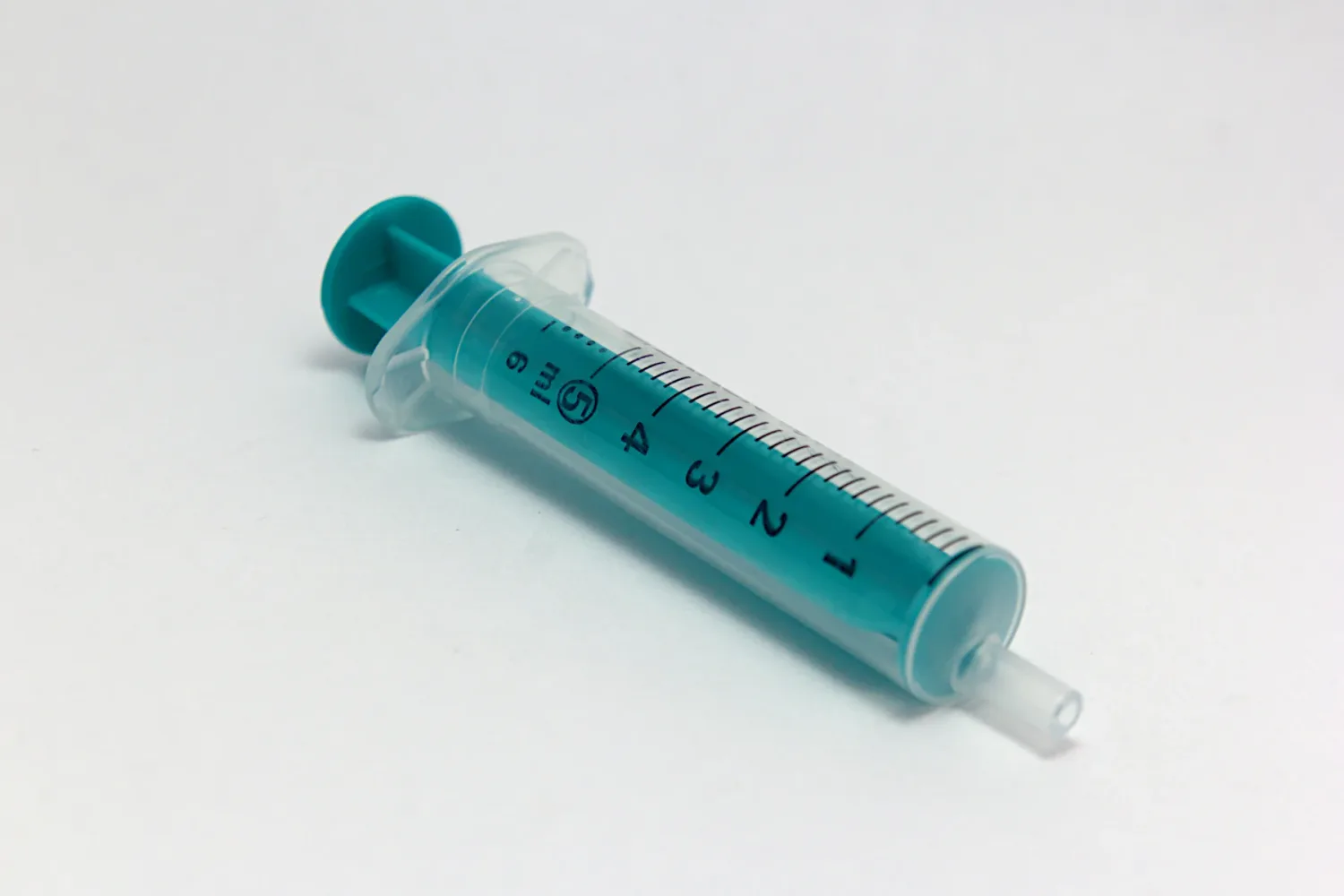
- Self-injection dangers: Air embolism risks, plus interactions with existing medications.
- Lack of monitoring: No long-term data; short- or slow-onset issues go undetected.
For patients considering peptides, consult a doctor. Tools like Shotlee can track symptoms or side effects if prescribed approved options, aiding safe management.
Approved Peptides vs. Experimental: A Comparison
Approved like semaglutide/tirzepatide offer proven weight loss (via GLP-1/GIP mimicry) with monitored side effects (nausea, GI issues). Experimental lack dosing guidelines, human safety data, and regulation, heightening risks versus benefits.
Key Takeaways: What This Means for You
- Peptides range from natural regulators to hyped experimentals; stick to approved ones.
- Evidence for BPC-157, TB-500, etc., is preclinical—human trials needed.
- UK law targets medicinal claims; 'research only' labels often fail scrutiny.
- Prioritize safety: Discuss with healthcare providers before use.
Conclusion
The peptide boom promises wellness, but hype outpaces evidence for most experimental options. Preserve health by favoring regulated treatments, verifying sources, and seeking professional advice. Stay informed to separate fact from fitness folklore.