
Wellness Awaits RFK Jr.'s FDA Move on Peptides
In the world of wellness and longevity, anticipation is building around Health Secretary Robert F. Kennedy Jr.'s promised regulatory shift on peptides. During a late February appearance on Joe Rogan's podcast, RFK Jr. signaled that the FDA could change the status of "about 14" of these compounds within a "couple of weeks," allowing consumers access from "ethical suppliers." This development could mark a turning point for peptide therapy, addressing the growing demand for therapies touted for tissue repair, skin health, longevity, and more.
What Are Peptides and Why the Buzz?
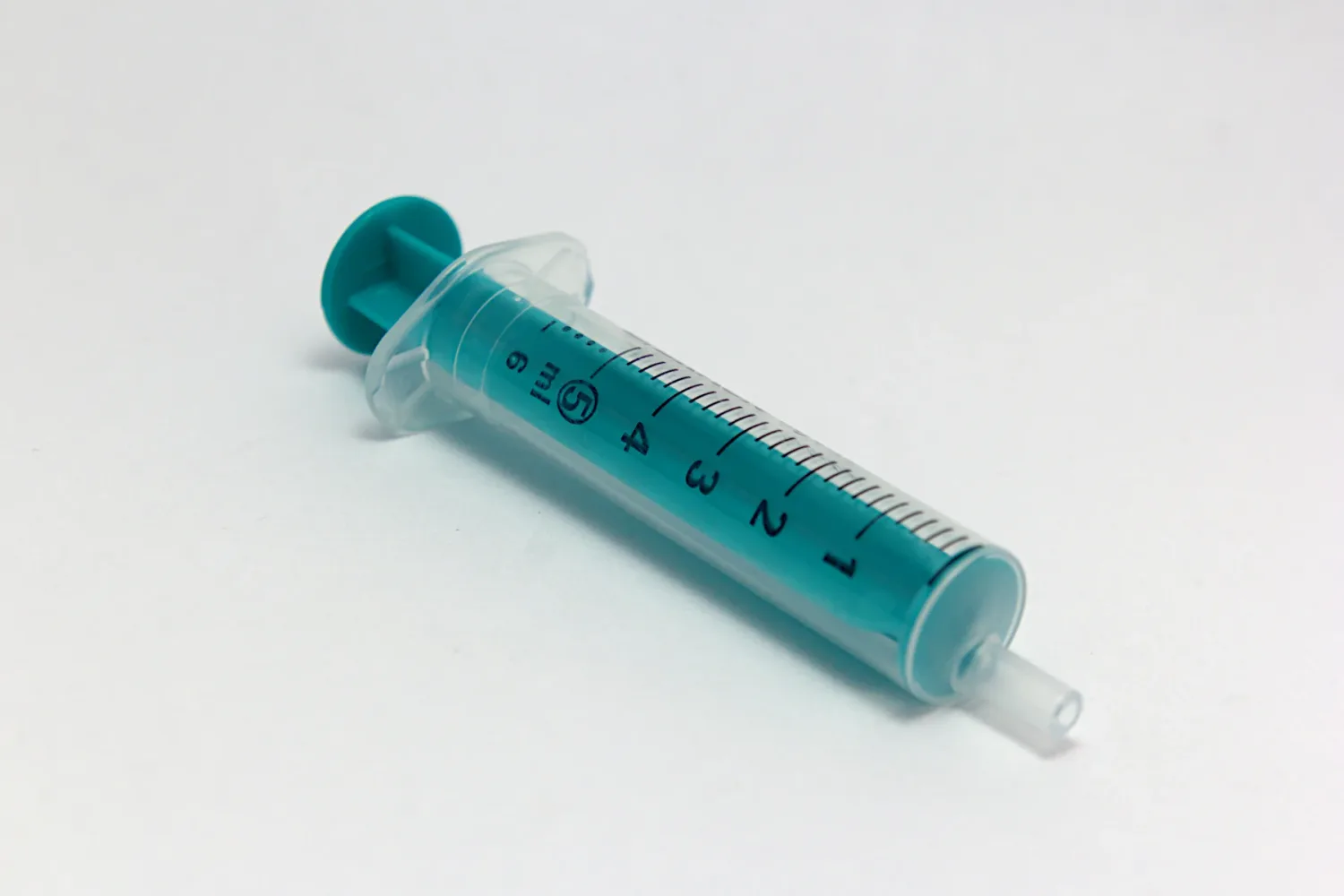
Peptides are short strings of amino acids, smaller than proteins, naturally produced by the body. Synthetic versions mimic these natural signaling molecules, targeting pathways like growth hormone promotion, immune modulation, and tissue regeneration. In wellness circles, they're often injected subcutaneously and combined in "stacks" for synergistic effects on body composition, immune function, and anti-aging.
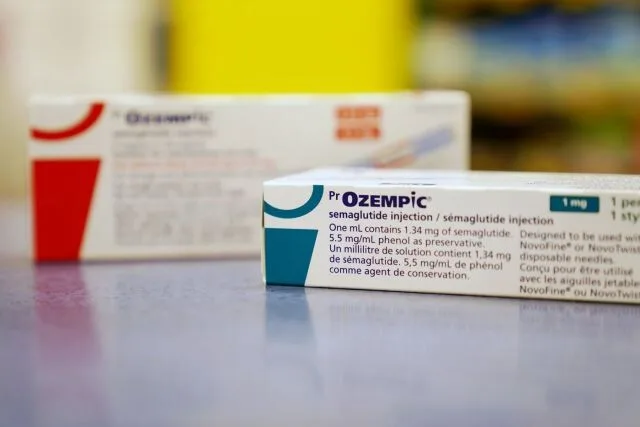
The surge in interest stems from anecdotal reports and preliminary research showing promise in areas like wound healing and metabolic health. Unlike larger proteins, peptides' smaller size allows them to penetrate cells easily, influencing biological processes at a molecular level. For context, GLP-1 weight-loss drugs like semaglutide (Ozempic) are peptides that have undergone rigorous testing and FDA approval, highlighting the contrast with these unapproved wellness peptides.
Popular Peptides in the Spotlight
- BPC-157: Known for tissue repair and gut health.
- Ipamorelin: Stimulates growth hormone release.
- MOTs-C: Targets mitochondrial function for metabolic benefits.
These compounds have captured attention, but their unapproved status limits legal access.
RFK Jr.'s Promise: A Path to Ethical Access
RFK Jr.'s comments have fueled excitement among enthusiasts waiting for the federal government to loosen restrictions. To fulfill this, the FDA would need to add these peptides to a curated list authorizing compounding pharmacies to produce them using pharmaceutical-grade ingredients. Currently, pharmacies cannot compound BPC-157, ipamorelin, MOTs-C, and others due to safety concerns and insufficient data.
When NPR sought comment, Emily Hilliard, press secretary for the Department of Health and Human Services, provided no timeline details. She emphasized the FDA's goal: ensuring Americans access products "produced under appropriate quality standards." This reclassification wouldn't approve them as drugs but would enable regulated compounding, potentially curbing unregulated sources.
The Risks of the Unregulated Peptide Market
With FDA prohibitions in place, users turn to overseas vendors or research-grade peptides not intended for humans. This black and gray market poses serious dangers. "The reality is people are getting them, and they're getting them from very disreputable sources where they don't know what's in them," says Dr. Myles Spar, an integrative medicine specialist and chief medical officer at WndrHLTH. "They're injecting themselves with things that are potentially dangerous."
Dr. Spar doesn't prescribe these unapproved peptides but guides patients who use them. Scott Brunner, CEO of the Alliance for Pharmacy Compounding, echoes this: "It's all over social media. The black market and the gray market are running amok." He argues consumers would benefit if the FDA allowed compounding for peptides with demonstrated safety records.
Chemical biologist Eileen Kennedy from UNC Eshelman School of Pharmacy warns of unknowns: toxicity to liver or kidneys, or life-threatening immune responses. Even if naturally occurring, higher injected doses could reach unintended areas, causing harm like liver failure despite local benefits.
Safety Profile: Known Compounds, Unknown Risks
Proponents claim peptides' natural origins ensure safety, but experts disagree. Without large-scale human trials—evidence mostly from animal or cell studies—long-term effects remain unclear. GLP-1 peptides succeeded through thorough testing; these wellness peptides lack that scrutiny.
Precision tracking for your journey
Join thousands using Shotlee to accurately track GLP-1 medications and side effects.
📱 Get the Shotlee App
Track your GLP-1 medications, peptides, and health metrics on the go with our mobile app!
Patients considering peptides should discuss with physicians, monitoring for side effects like injection-site reactions or systemic issues. Tools like Shotlee can help track symptoms and schedules for safer self-management under medical supervision.
Clinician Perspectives: Frontiers of Peptide Therapy
Clinicians like Dr. Edwin Lee, an endocrinologist at the Institute for Hormonal Balance, offer peptides despite restrictions, citing small studies from his clinic on BPC-157's safety. He lectures globally on their regenerative properties and believes the 2023 FDA ban overlooked data, such as for thymosin alpha 1.
"I'm really impressed by the regenerative properties of peptides," Lee says. He compares it to medicine's "wild, wild West," where pioneers test unproven therapies. However, he worries gray-market fakes could tarnish peptides' image through injuries or deaths.
Even post-reclassification, supply ramps up slowly. Brunner notes pharmacies need time for ingredients: "If the FDA flipped a switch tomorrow, you're going to have prescribers and patients dashing to their compounding pharmacy only to be frustrated."
Expert Views on Regulatory Change
Robin Feldman, FDA law expert at UC Law San Francisco, calls it a "probably a good move" to bring peptides "out of the back alley and into the light." Yet, she cautions the FDA must prevent misleading claims and new shady producers.
This shift aligns with balancing innovation and safety. For patients, it means potentially cleaner products, but not full endorsement—efficacy and long-term safety still need study.
Comparing Peptides to Approved Therapies
Unlike unapproved wellness peptides, GLP-1 agonists like tirzepatide or semaglutide have proven cardiovascular benefits alongside weight loss. Wellness peptides target similar metabolic and repair pathways but without equivalent data. Patients with conditions like obesity or inflammation might explore approved options first, discussing peptides as adjuncts with specialists.
Practical Guidance for Patients
If pursuing peptides:
- Consult a qualified provider experienced in integrative medicine.
- Verify sources; post-change, seek compounding pharmacies.
- Start low doses, monitor via bloodwork for organ function.
- Avoid stacks without guidance to prevent interactions.
Those on peptides should track adherence and effects meticulously, perhaps using apps for symptom logging.
Key Takeaways: What This Means for Patients
- RFK Jr.'s pledge could enable safer peptide access via compounding.
- Black market risks remain high until changes implement.
- Evidence is preliminary; prioritize approved therapies like GLP-1s where applicable.
- Regulatory light won't equal approval—discuss risks with doctors.
Conclusion: A Cautious Step Forward
The wellness community's eagerness for RFK Jr.'s FDA move on peptides reflects demand for innovative therapies. While promising, caution prevails amid safety gaps. Patients should stay informed, prioritize evidence-based options, and advocate for rigorous research to bring these frontiers into mainstream medicine safely.