The Promise and the Problem of Wegovy in New Zealand
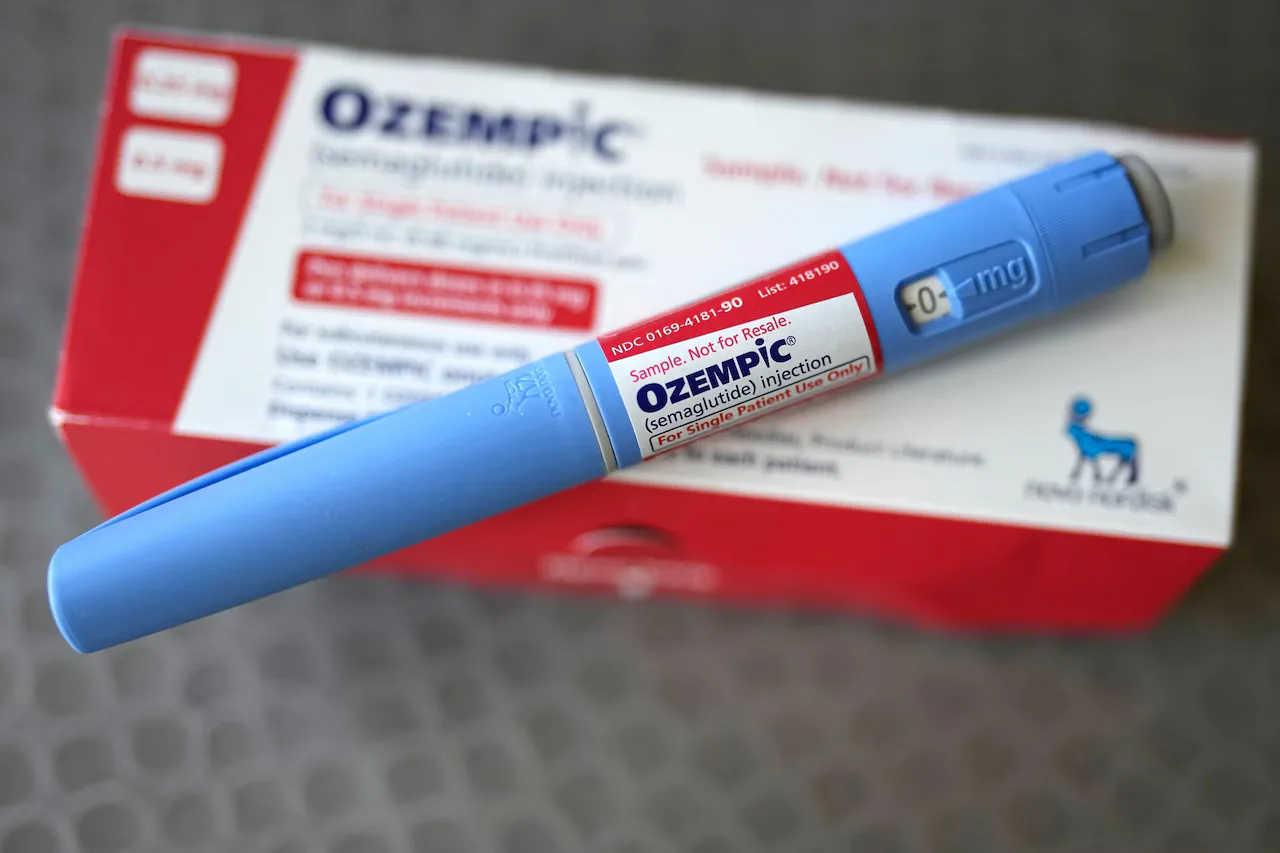
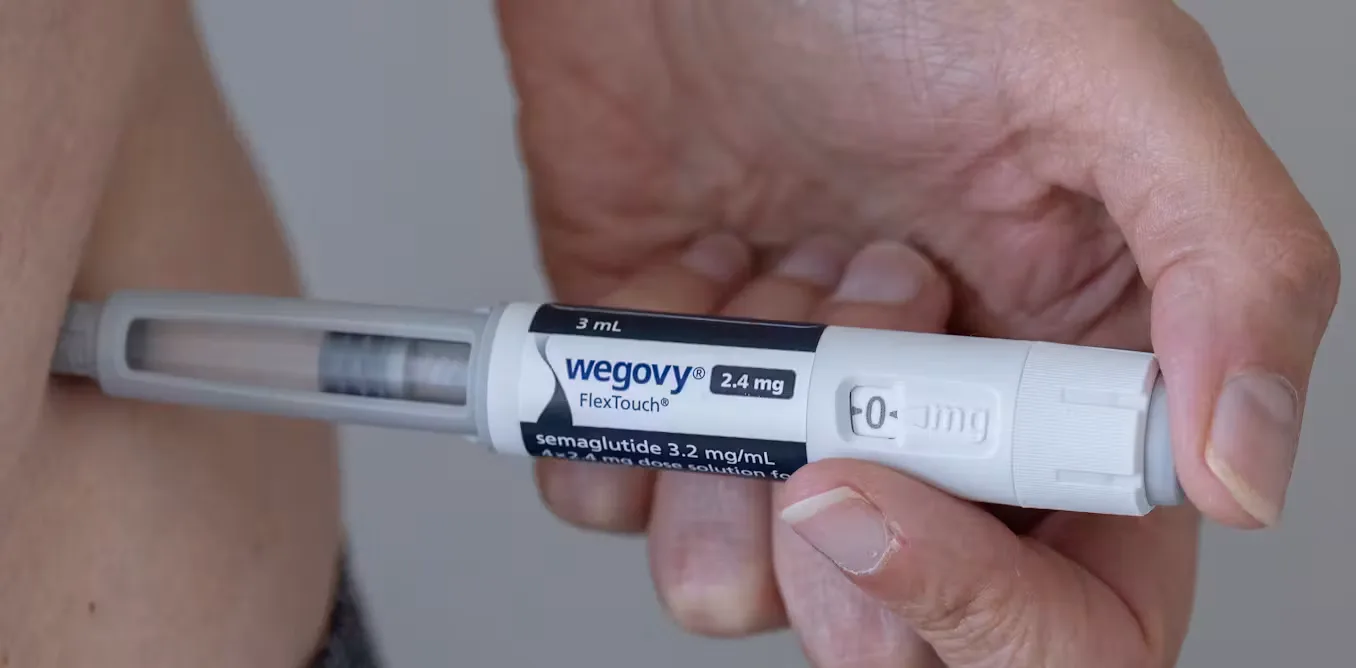
Even before receiving public funding, Wegovy has drawn significant media attention in New Zealand for the dramatic difference it can make for weight loss. However, with its rise in popularity has come a necessary debate about what these next-generation drugs really mean for a worsening obesity crisis and its driving causes.
Last month, New Zealand's drug-funding agency, Pharmac, added Wegovy to its list of medicines suitable for future public funding. If that happens, the drug would initially be targeted at people with severe obesity or those who are overweight with related health conditions. This decision highlights a critical juncture in public health: can pharmaceutical intervention tip the scales against an epidemic rooted in complex social and environmental factors?
Right now, the drug's private prescription costs—upwards of NZD $400 per month—place it beyond the reach of many New Zealanders, particularly those disproportionately affected by obesity. This has strengthened arguments that public funding could improve equity while reducing long-term health-care costs. Yet, as New Zealand reports some of the developed world's highest obesity rates, with around one in three adults and one in eight children classified as obese, the question remains whether a needle alone can fix a system that is broken.
Understanding the Mechanism: How Semaglutide Works
To understand the potential of Wegovy, we must first look at its active ingredient: semaglutide. This medication belongs to a class of drugs known as GLP-1 receptor agonists. It works by mimicking a hormone called glucagon-like peptide-1, which is naturally produced in the gut after eating.
When administered, semaglutide helps regulate appetite and blood sugar levels, making people feel fuller for longer. This biological mechanism is distinct from traditional weight loss methods because it targets the brain's hunger centers rather than relying solely on willpower.
Clinical trials have shown that when the drug is taken in tandem with lifestyle changes, effects can be striking. In one landmark study, participants lost around 15% of their body weight over 68 weeks, which was far more than those who instead took a placebo. For some people, such weight loss can be transformative, significantly reducing the risk of type 2 diabetes, cardiovascular disease, and other long-term conditions associated with excess weight.
The Reality of Long-Term Use
Despite the impressive trial data, the drug has significant drawbacks that must be considered by patients and healthcare providers alike. People generally need to keep taking it to maintain weight loss. Studies indicate that many individuals regain weight once treatment stops, suggesting that the medication is a management tool rather than a permanent cure. Additionally, side effects are common, ranging from gastrointestinal distress to potential long-term impacts that remain uncertain as the drug's usage scales up in the general population.
Access, Equity, and the Cost of Care
The debate around new drugs such as Wegovy can sometimes reduce obesity to a question of personal choice and responsibility. However, the high cost of private prescription creates a barrier that exacerbates existing health inequities. In New Zealand, obesity rates are rising for decades, particularly among children and more deprived communities.
Research shows that the environments people live in strongly reflect what and how they eat. Highly processed, energy-dense foods are today widely available, aggressively marketed, and often cheaper than healthier options. But some sections of society are much more exposed than others. Māori and Pacific communities experience significantly higher rates of obesity, reflecting broader inequities in income, housing, and access to healthy food.
Fast-food outlets are disproportionately concentrated in more deprived areas. These "food swamps," dominated by unhealthy options, are common across New Zealand. In many neighborhoods, unhealthy food is often the easiest and most accessible choice, making the $400 monthly out-of-pocket cost for weight loss medication a prohibitive expense for those who need it most.
Food Swamps vs. Food Havens
Addressing the root causes of obesity requires looking beyond the pharmacy counter. Children's everyday environments also play a part. Studies suggest many New Zealand schools still make unhealthy food easier to access, with healthy food policies unevenly applied. This creates a cycle where medication treats the symptom, but the environment continues to drive the disease.
Yet there are signs of what works. So-called "food havens"—community spaces designed to make healthy food affordable, accessible, and culturally appropriate—show how local initiatives can improve food environments. These interventions are obviously more complex than prescribing a drug, but they are also more likely to produce a lasting solution to a crisis that is bringing a heavier toll for New Zealand each year.
Precision tracking for your journey
Join thousands using Shotlee to accurately track GLP-1 medications and side effects.
📱 Get the Shotlee App
Track your GLP-1 medications, peptides, and health metrics on the go with our mobile app!
Comparing Intervention Strategies
When considering the path forward for public health, it is helpful to compare the scope and impact of pharmaceutical interventions versus systemic changes.
| Intervention Type | Primary Focus | Immediate Impact | Long-Term Sustainability |
|---|---|---|---|
| Pharmaceutical (e.g., Wegovy) | Biological regulation of appetite | High (Rapid weight loss) | Moderate (Requires continuous use) |
| Systemic (Food Policy) | Environment and access | Low (Slow cultural shift) | High (Generational change) |
| Lifestyle Modification | Behavioral habits | Moderate (Depends on adherence) | High (If sustained) |
The Role of Technology in Holistic Management
While medication can be a powerful tool, it is most effective when integrated into a broader health strategy. This is where tools like Shotlee become valuable. Managing a condition like obesity or preparing for GLP-1 therapy requires consistent monitoring of weight trends, dietary habits, and physical symptoms.
For patients considering semaglutide or similar therapies, tracking data can provide critical insights. Side effects like nausea or changes in blood sugar can be logged and shared with healthcare providers to adjust dosages safely. Furthermore, maintaining a record of lifestyle changes—such as protein intake or physical activity—helps ensure that the medication is supported by the foundational habits necessary for long-term success.
By using technology to track progress, patients can better understand the relationship between their medication, their diet, and their overall health metrics. This data-driven approach empowers individuals to take an active role in their treatment plan, rather than passively relying on a prescription alone.
Conclusion: A Systems Problem Requires Systems Solutions
All of this reinforces that obesity is fundamentally a systems problem, not one that can be solved through pharmaceutical treatment alone. Framing these drugs as a silver bullet risks diverting attention from the broader preventive changes needed to address its root causes.
There is also a policy tension. Public funding for Wegovy might indeed help reduce future health-care costs by lowering rates of diabetes and heart disease. But unless the drivers of obesity are addressed—such as food marketing, school environments, and economic inequality—the number of people needing treatment will likely continue to grow. Reducing obesity at a population level requires action on the environments which shape daily life. These interventions are complex, but they are essential for a sustainable future.
Practical Takeaways
- Medication is a Tool, Not a Cure: GLP-1 agonists like Wegovy are effective for weight loss but often require ongoing use to maintain results.
- Equity Matters: High private costs limit access for those most affected by obesity, highlighting the need for public funding and systemic support.
- Environment is Key: Food swamps and marketing heavily influence dietary choices, often overriding individual willpower.
- Track Your Health: Use tools like Shotlee to monitor weight, symptoms, and lifestyle factors to support medical treatment.
- Advocate for Change: Sustainable health solutions require policy changes regarding food access and school nutrition.
Frequently Asked Questions
1. Will Wegovy be publicly funded in New Zealand soon?
Pharmac has added Wegovy to the list of medicines suitable for future public funding, but a final decision on implementation and eligibility criteria has not been fully finalized. If approved, it will initially target those with severe obesity or overweight with related conditions.
2. What happens if I stop taking semaglutide after losing weight?
Current evidence suggests that many people regain weight once treatment stops. The medication regulates appetite and blood sugar, so without it, the physiological signals that drove weight loss may return unless lifestyle changes are firmly established.
3. Why are obesity rates higher in Māori and Pacific communities in NZ?
Higher rates reflect broader inequities in income, housing, and access to healthy food. These communities often face "food swamps" where processed food is cheaper and more accessible than nutritious options.
4. Can I use Shotlee to track side effects of weight loss medication?
Yes. Shotlee allows users to log symptoms, weight trends, and lifestyle data. This can help you and your healthcare provider monitor how your body responds to medication and adjust your plan accordingly.
5. Is diet and exercise still necessary if I am on Wegovy?
Absolutely. Clinical trials show the best results occur when the drug is taken in tandem with lifestyle changes. Nutrition and physical activity support the medication's effects and help maintain muscle mass and metabolic health.