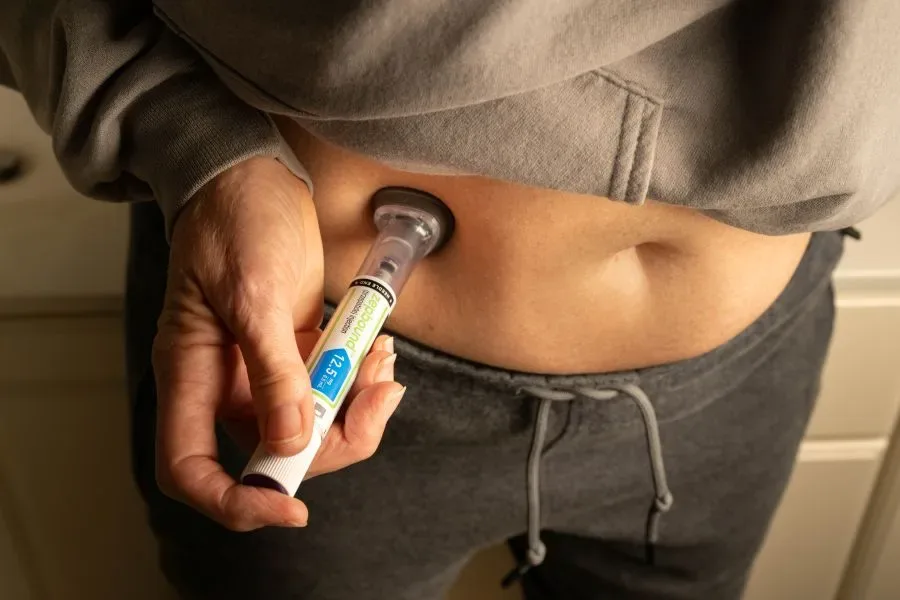

Introduction to GLP-1 Medications and Their Real-World Impact
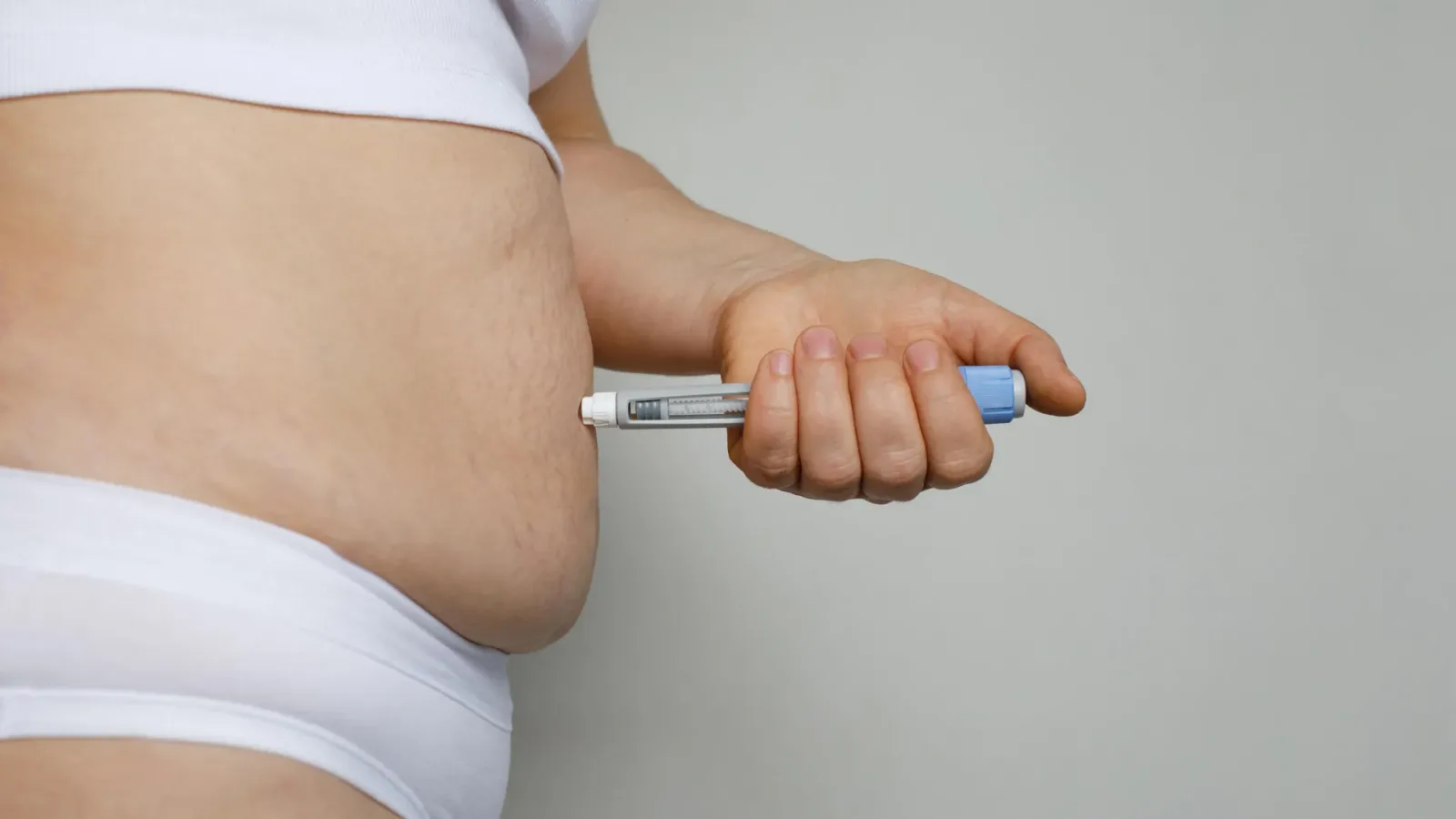
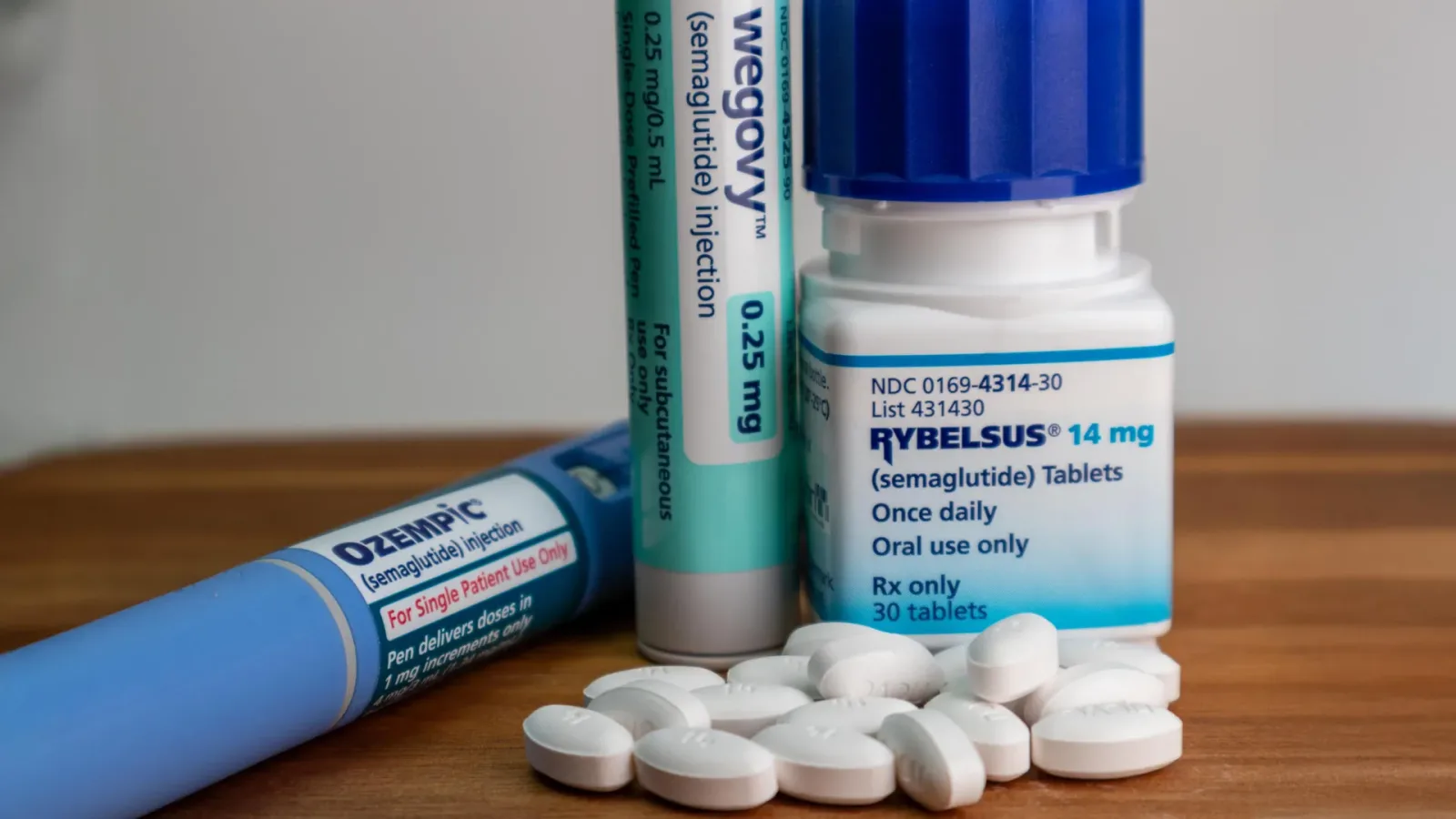
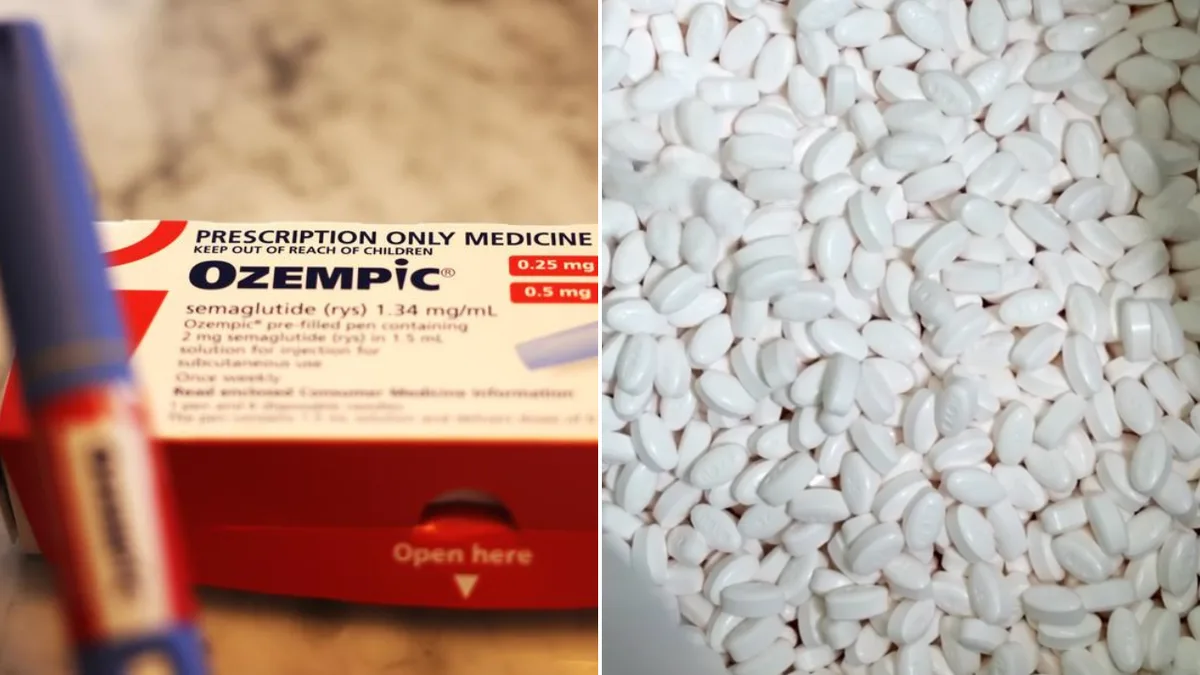
GLP-1 receptor agonists like semaglutide (Ozempic, Wegovy) and tirzepatide (Mounjaro, Zepbound)—a dual GLP-1/GIP agonist—mimic gut hormones to slow gastric emptying, signal fullness to the brain, and improve insulin sensitivity. Clinical trials like the STEP program for semaglutide showed 15-20% body weight loss over 68 weeks, while SURMOUNT trials for tirzepatide reported up to 22% loss. Yet, as prescriptions surged, user reports uncover unexpected side effects of Ozempic, Wegovy, and Mounjaro that go beyond common GI issues.
These anecdotes from hundreds of patients reveal highly individual responses. While many achieve remission from type 2 diabetes or metabolic syndrome, others face challenges like malnutrition or emotional shifts. This guide synthesizes real experiences with clinical data for evidence-based insights.
Common Side Effects: What Clinical Trials Predicted
Gastrointestinal issues dominate, affecting 20-50% of users per trial data. Nausea peaks during dose escalation (titration from 0.25mg semaglutide weekly), vomiting occurs in 5-10%, and constipation in 10-20%. These stem from delayed gastric emptying (gastroparesis-like effects) and reduced motility.
- Nausea and vomiting: Often worst 24-48 hours post-injection, resolving in weeks for most.
- Constipation: Due to slowed transit; fiber and hydration help 80% of cases.
- Diarrhea: Less common but triggered by fatty foods.
Management starts with slow titration—doctors recommend staying at lower doses longer—and antiemetics like ondansetron.
Unexpected Side Effects: Insights from Real User Experiences
Beyond labels, users report diverse effects. We've categorized 34+ stories for clarity, cross-referenced with emerging data from post-marketing surveillance like FDA's FAERS database.
Severe GI Complications and Hospitalizations
Several accounts describe ileus (intestinal blockage), gallstones, and pancreatitis—black-box warnings for GLP-1s. One user on Zepbound developed metabolic acidosis and acute kidney injury after forgetting to eat at 10mg, landing in ICU with organ shutdown. Clinical context: Rapid weight loss (>1.5kg/week) risks dehydration and electrolyte imbalance; eGFR drops in 5-10% per STEP trials.
"I almost died... developed metabolic acidosis. All my organs were shutting down." — User on Zepbound
Another faced two stomach surgeries for blocked intestines on Ozempic; Mounjaro users reported gallbladder removal after abdominal pain from treats. Prevalence: Gastroparesis reports rose 2-3x post-GLP-1 surge (Cedars-Sinai study, 2023). Monitor for persistent vomiting or severe pain.
Appetite Suppression Extremes and Malnutrition Risks
"No appetite... set reminders to eat" is common. With ADHD or busy lifestyles, users forget meals, leading to nausea from low blood sugar or GLP-1 induced malnutrition. One passed out over a fan; others lost muscle/hair from caloric deficits.
Science: These drugs curb hunger via hypothalamic signaling, but extreme suppression affects 10-15% profoundly. Counter with protein goals (1.6g/kg body weight) and tools like Shotlee to track nutrition and symptoms alongside medication.
Hair Loss, Muscle Wasting, and Body Composition Changes
Hair loss (telogen effluvium) hit multiple users after 3-6 months, linked to rapid 10-20% weight loss stressing follicles. Muscle loss—sarcopenia—is concerning; trials show 25-40% of loss is lean mass without resistance training. Users noted shrinking shoe/bra sizes, loose skin, and cold extremities from fat/muscle shifts.
Precision tracking for your journey
Join thousands using Shotlee to accurately track GLP-1 medications and side effects.
📱 Get the Shotlee App
Track your GLP-1 medications, peptides, and health metrics on the go with our mobile app!
"Lost my hair, muscle mass, and even part of my vision." — Long-term semaglutide user
Advice: Prioritize strength training (3x/week) and 30g protein/meal. Bone density dips noted in some; DEXA scans recommended for long-term users.
Neurological and Sensory Changes
Brain fog, wild dreams, phantom cigarette smells, taste aversion (e.g., meat, mustard), and dental sensitivity emerged. One Zepbound user had post-injection neck pain; others reported dry mouth/skin/vagina from dehydration.
Mechanism: GLP-1 receptors in the brain influence cognition/mood. Post-marketing data links to rare vestibular issues or olfactory changes.
Mental Health and Emotional Effects
Impacts vary: One user's 30-year OCD silenced ("brain is quiet"), possibly via compulsion-blunting. Conversely, emotional numbness, suicidal thoughts, anxiety spikes, or feeling like a "failure" when weight loss stalled affected others. Birth control interactions caused "Ozempic babies" via slowed absorption.
Trials underreport psych effects (2-5%), but forums amplify them. Screen for history; monitor mood closely.
Social and Psychological Burdens
Stigma ("cheating"), weight regain post-stopping, and superficial compliments highlighted emotional toll. One regained weight after insurance loss, feeling "invisible."
Balancing Risks: The Proven Benefits
Not all stories are cautionary. Users reported diabetes remission, 40-70lb loss, inflammation relief, and better exercise response. No more metabolic syndrome, cravings shifted to fruits, and fullness brought "unsettling calm." For obesity (BMI >30) or diabetes, benefits often outweigh risks when monitored.
Tips for Managing GLP-1 Side Effects
- Hydrate: 3-4L/day; electrolyte drinks prevent kidney strain.
- Fiber & Probiotics: Gummies or psyllium for constipation.
- Diet: Small, protein-rich meals; avoid greasy foods.
- Exercise: Cardio + weights preserve muscle.
- Track: Use apps like Shotlee to log symptoms, side effects, and nutrition for doctor discussions.
- Titrate Slowly: Extend intervals if needed.
Who’s at Higher Risk and When to Seek Help
Predisposed: GI history (gastroparesis), kidney issues, mental health conditions, or low muscle mass. Stop if severe vomiting (>24h), abdominal pain, vision changes, or suicidal ideation. Rare risks: Thyroid C-cell tumors (medullary cancer family history contraindicated).
See a doctor for yellowing skin (gallbladder), blood in stool, or unexplained fatigue.
Conclusion
GLP-1 medications like Ozempic, Wegovy, Mounjaro, and Zepbound offer powerful tools for metabolic health, but unexpected side effects from real GLP-1 users underscore personalization. Combine with lifestyle changes, vigilant monitoring, and professional guidance. Discuss risks openly—your body’s response is unique. For sustainable results, view these as adjuncts, not magic bullets.