
From Pizza to Protein: How GLP-1s Are Changing Eating Habits
GLP-1 medications, the appetite-suppressing drugs gaining massive traction, are fundamentally altering American eating habits. No longer are high-calorie staples like pizza and Chinese takeout the default at gatherings—users are gravitating toward protein-rich, nutrient-dense options. This shift, driven by medications now used by 12% of Americans according to Bernstein analysts, is prompting seismic changes across the food industry, from smaller portions to reformulated snacks.
The Rise of GLP-1 Medications in Everyday Life
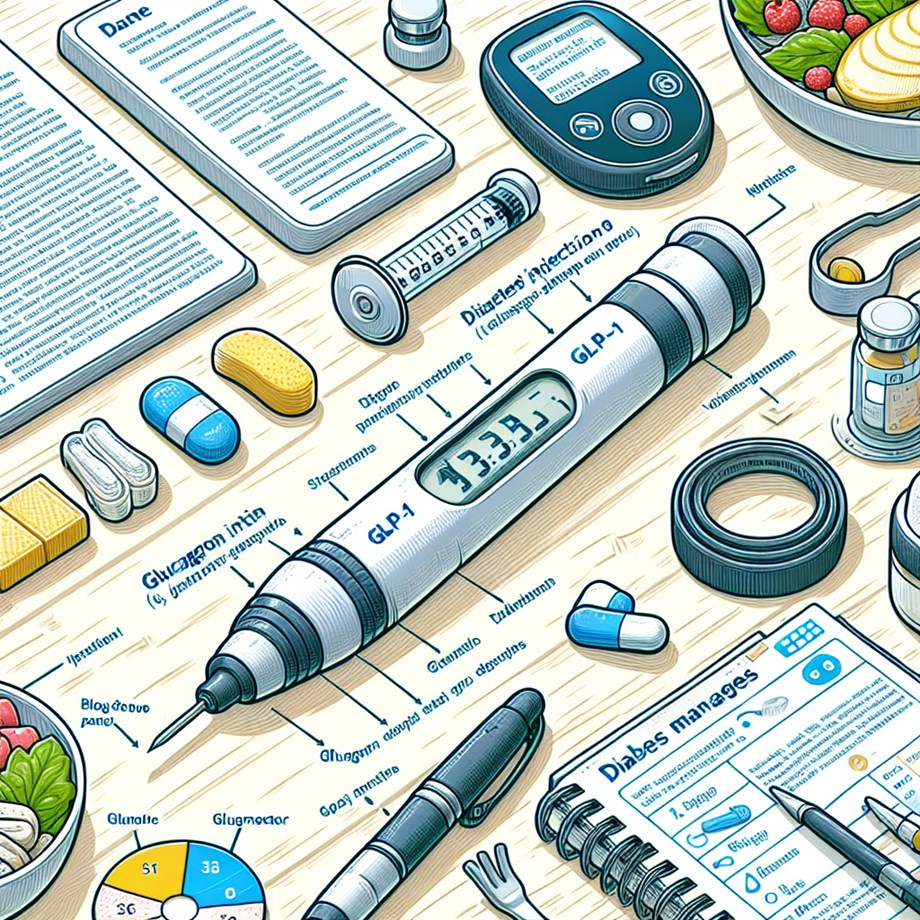
GLP-1 receptor agonists, commonly known as GLP-1s, have surged in popularity for their effectiveness in weight management and metabolic health. These injectable drugs mimic the glucagon-like peptide-1 hormone, which regulates blood sugar and signals fullness to the brain. As adoption grows—with recent data from Bernstein analysts showing 12% of U.S. adults now taking weight-loss drugs—lifestyle ripple effects are becoming evident, particularly in dietary patterns.
This isn't just about shedding pounds; it's reshaping social and consumer behaviors. Consider Marla Senzon's Super Bowl gatherings: the once-reliable pizza and Chinese takeout have been swapped for healthier alternatives. Senzon's experience exemplifies a broader trend where GLP-1 users report reduced cravings for processed, carb-heavy foods, leading to more intentional eating.
Why GLP-1s Target Appetite and Cravings
At the core of this transformation is the mechanism of GLP-1s. These drugs slow gastric emptying, enhance insulin secretion, and directly suppress appetite via brain signaling. The result? Users feel satisfied with smaller, more nutritious meals. Clinical studies support this: patients on GLP-1 therapy often increase protein intake while cutting back on sugars and fats, aligning perfectly with the shift from pizza to protein observed in real-world anecdotes like Senzon's.
Food Industry Adaptations to GLP-1-Driven Demands
Major food companies are responding swiftly to these changing eating habits. PepsiCo, for instance, is reformulating products with higher protein content and smaller serving sizes to appeal to GLP-1 users who prioritize satiety over volume. Similarly, Good Times Restaurants—a chain known for burgers and fries—is introducing protein-focused menu items to capture this demographic.
These adaptations reflect a data-driven pivot. GLP-1 users fill grocery baskets with lean meats, Greek yogurt, nuts, and veggies rather than chips and sodas. Restaurant menus are evolving too, with chains emphasizing high-protein bowls and salads. Analysts note that this isn't temporary; as GLP-1 penetration deepens, expect widespread menu overhauls.
Smaller Portions and Protein-Rich Offerings Take Center Stage
- PepsiCo's Strategy: Shifting from sugary drinks and oversized snacks to protein-fortified bars and portion-controlled packs.
- Good Times Restaurants: Adding grilled chicken options and veggie sides to traditional fast-food fare.
- Broader Trends: Grocery giants stocking more ready-to-eat proteins, reflecting GLP-1 users' preference for convenient, filling foods.
Analyst Insights: A Lasting Shift, Not a Fad
Bernstein analysts predict enduring impacts from GLP-1 medications on the food sector. With 12% of Americans already on these drugs, the appetite-suppressing effects are curbing impulse buys and promoting mindful consumption. Company leaders echo this: the move toward healthier snacks will influence everything from supermarket shelves to drive-thru windows.


