
The Unprecedented Price Wars in the Weight-Loss Drug Market
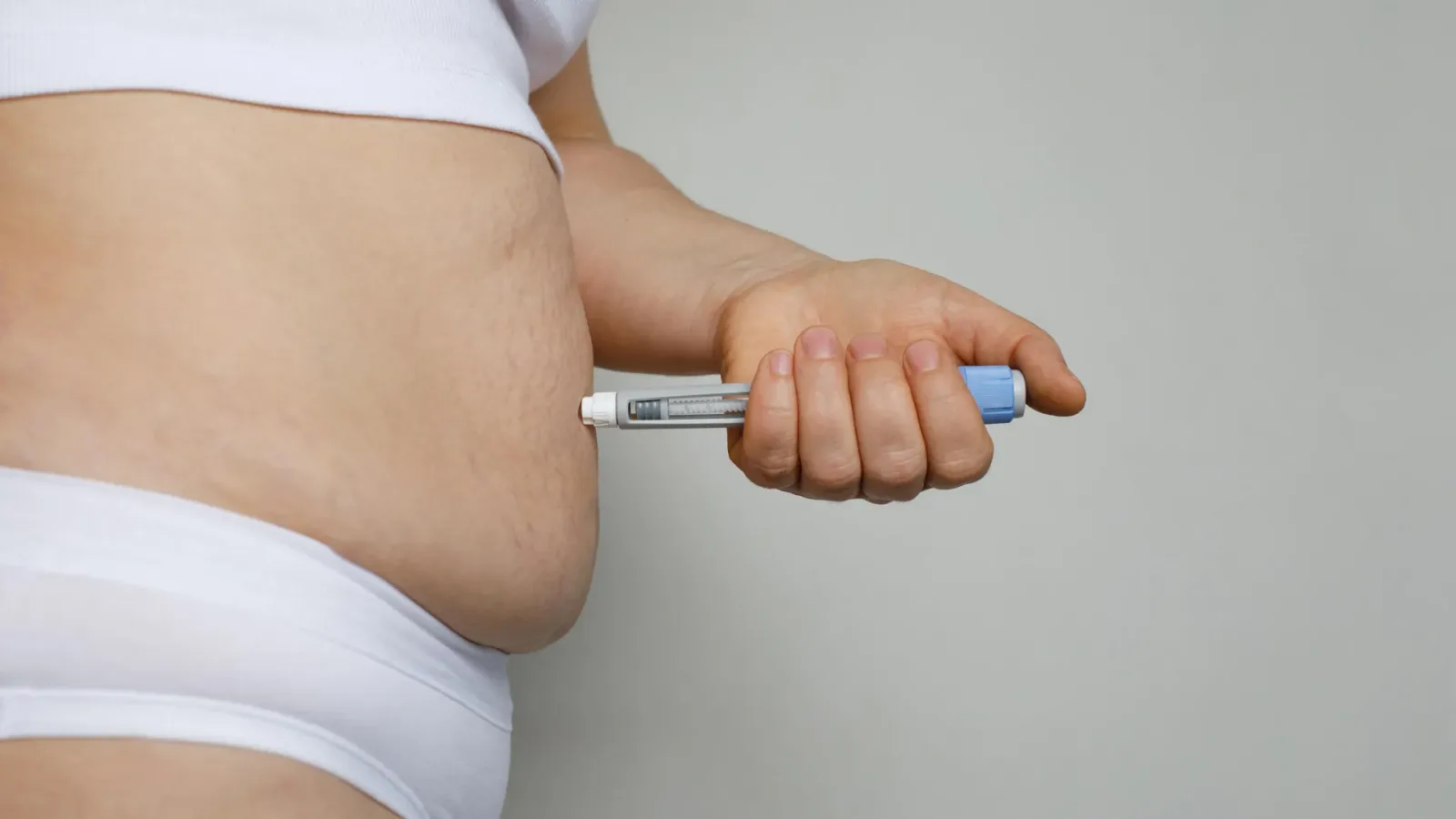
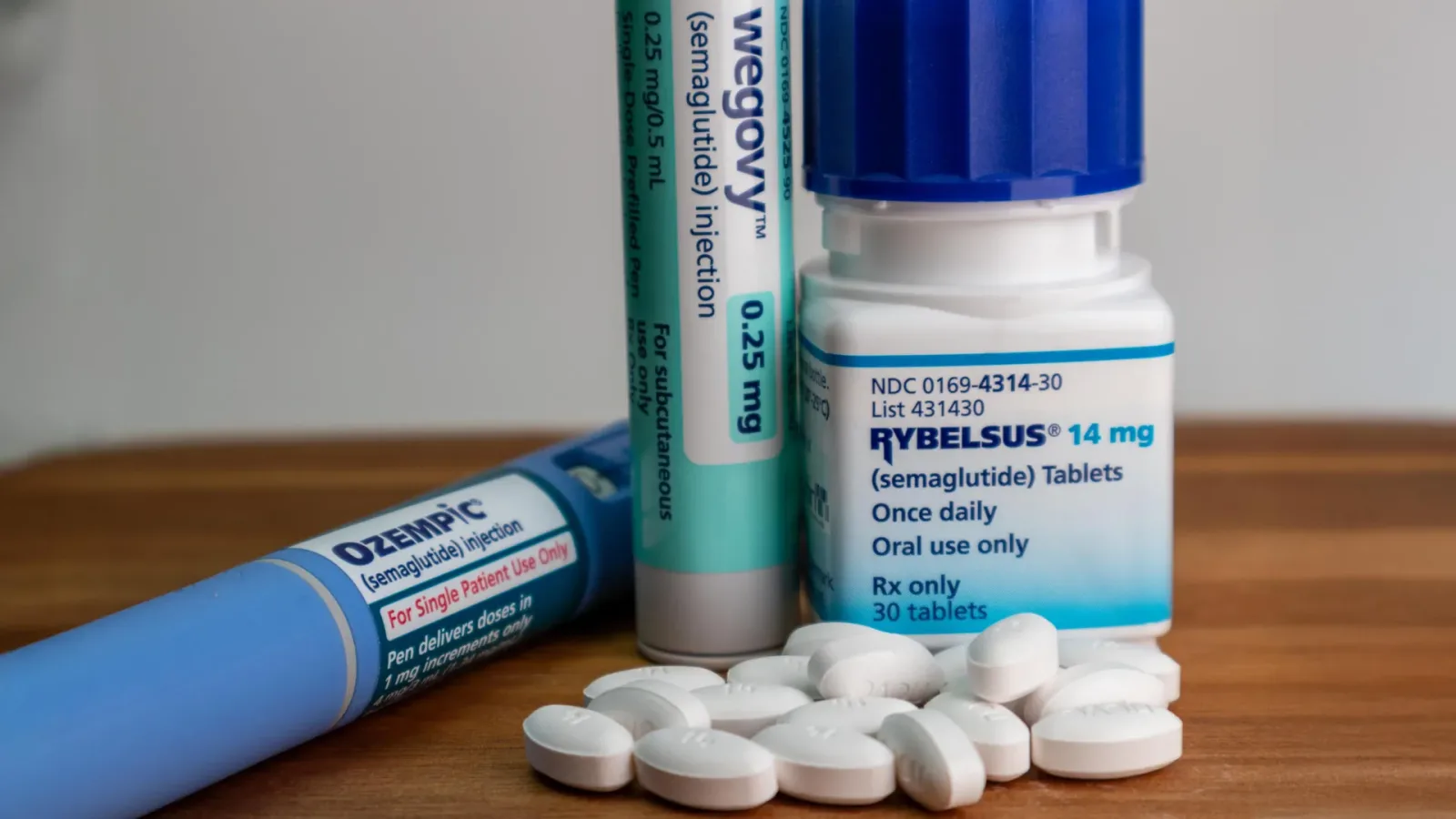
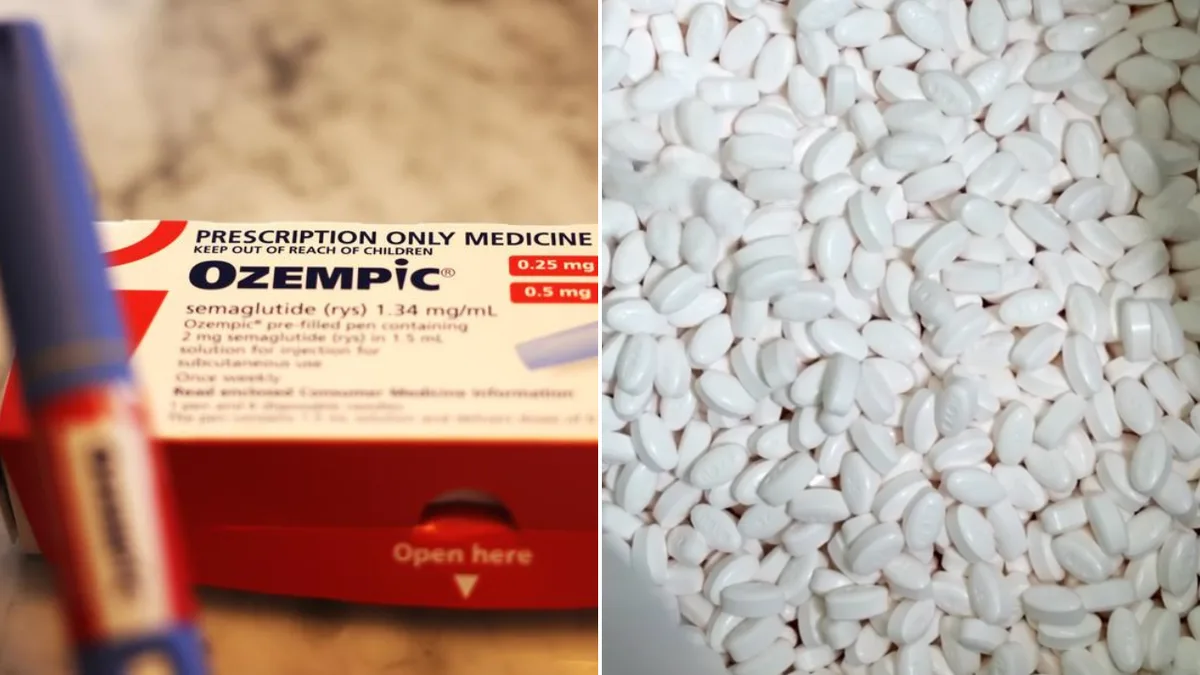
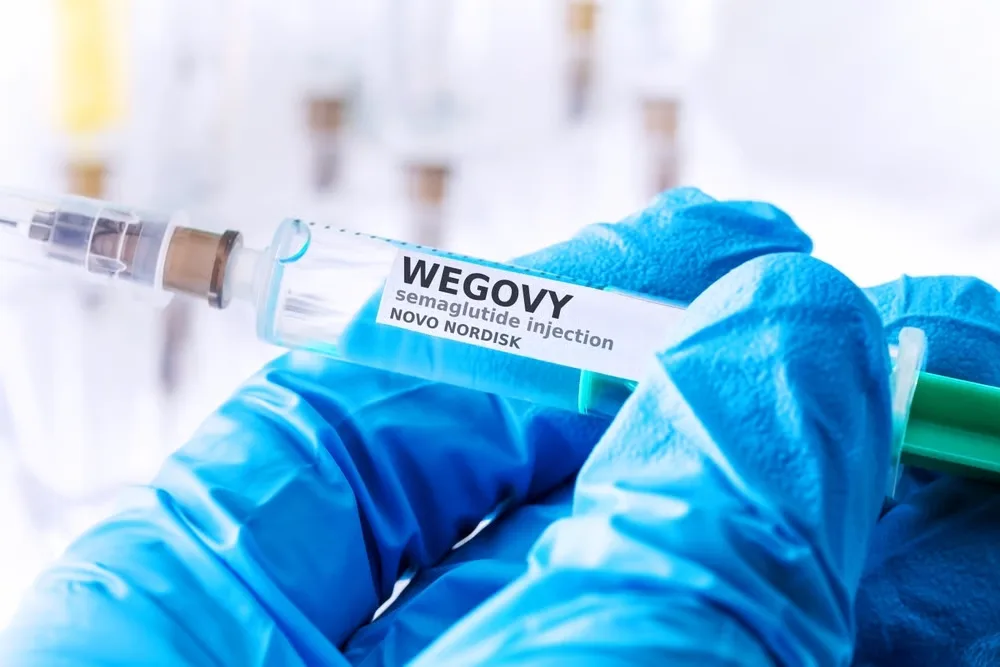
Two years ago, a GLP-1 prescription could cost an uninsured patient more than $1,000 a month. Today, Novo Nordisk's Wegovy pill starts at just $149 through cash-pay programs. This dramatic shift exemplifies how weight-loss price wars are breaking Big Pharma's traditional business model, where drug prices typically climb or plateau until generics arrive years later.
In a market dominated by a duopoly—Novo Nordisk (Wegovy, Ozempic) and Eli Lilly (Zepbound, Mounjaro)—such rapid price erosion defies historical norms. As Leerink analyst David Risinger notes, there isn't a comparable precedent for this level of price erosion in the industry's history. GLP-1 receptor agonists, which mimic the GLP-1 hormone to regulate blood sugar, slow gastric emptying, and reduce appetite, have fueled explosive demand for obesity and type 2 diabetes management, amplifying these competitive pressures.
Impact on Big Pharma: Stock Dips and Revised Forecasts
This past week, investors witnessed the direct cost of this price war. Novo Nordisk forecast a sharp sales decline for 2026, sending its stock down nearly 20% in the days that followed. The outlook for Eli Lilly remains brighter, but only because a strong surge in volume is expected to offset the drag of recent price cuts.
Then on Thursday, shares of both companies fell sharply after Hims & Hers Health announced a $49-a-month compounded version of the Wegovy pill. They rebounded Friday after the Food and Drug Administration chief threatened action against the mass marketing of copycat drugs. Both companies are projecting net price declines this year, highlighting the volatility in this evolving landscape.
Novo Nordisk's Challenges
Novo Nordisk is cutting prices, but volume hasn't yet made up the difference. Sales are expected to fall between 5% and 13% in 2026. The company is hoping that—longer term—volume will bounce back enough to make up for the price pressures. Novo Nordisk Chief Financial Officer Karsten Munk Knudsen argued in an interview this week that this isn't a price war so much as a search for the price points that open the floodgates of access.
Eli Lilly's Market Dominance
Eli Lilly is aggressively capturing market share. Lilly says it recently surpassed a 60% share of the U.S. GLP-1 market, and it now expects 2026 revenue to climb about 25% to more than $80 billion. Lilly's primary advantage is clinical: Zepbound is simply seen as more effective than Wegovy for weight loss, with studies showing superior reductions in body weight due to its dual GIP/GLP-1 mechanism.
The Shift to Cash-Pay and Compounded Alternatives
The wild week for GLP-1 makers was a stark reminder of how unusual this market has become, operating more like a high-growth consumer business than a traditional drug market. In recent years, demand spread through TikTok, Instagram, and word-of-mouth, often before patients ever saw a physician. Unlike treatments for conditions such as high blood pressure, the impact of GLP-1s isn't measured only in lab results: it's visible in rapid weight loss and improved metabolic health.
That viral demand overwhelmed manufacturing capacity and outpaced employers' willingness to cover the drugs. As insurers and employers moved slowly, patients bypassed the system entirely, turning to cash payments. This shift—combined with persistent brand-name shortages—opened the door for telehealth firms and compounded "copycats," introducing cutthroat price competition years earlier than the industry expected.
Precision tracking for your journey
Join thousands using Shotlee to accurately track GLP-1 medications and side effects.
📱 Get the Shotlee App
Track your GLP-1 medications, peptides, and health metrics on the go with our mobile app!
Drugmakers were ultimately forced to respond with lower prices. They needed cash prices low enough to fend off compounders and to reach uninsured patients at scale. They also later reached a deal with the Trump administration to lower prices in exchange for broader access, including Medicare coverage for millions of seniors.
Patient Guidance on Cash-Pay Options
For patients exploring GLP-1 therapies, cash-pay programs like NovoCare or LillyDirect offer starting prices around $149 monthly for oral formulations. Tools like Shotlee can help track dosing schedules, side effects such as nausea or gastrointestinal issues, and even out-of-pocket costs to optimize adherence. Always consult a healthcare provider to assess eligibility, as GLP-1s are FDA-approved for chronic weight management in adults with BMI ≥30 or ≥27 with comorbidities.
Company Strategies in the New Consumer Era
While Eli Lilly is thriving under the new logic, Novo Nordisk is struggling to keep pace. The Indianapolis-based company was quicker to realize that a direct-to-consumer, cash-pay model was the future. More than 30% of Zepbound prescriptions now flow through LillyDirect. Lilly is already preparing to launch its own daily pill, Orforglipron, at a similar price point to Novo Nordisk's $149 entry-level oral Wegovy.
Novo Nordisk was slower to embrace the cash-pay pivot, but it is making up for lost time. In just a few weeks since launching the Wegovy pill, it has already added 170,000 patients onto the treatment—most of whom are paying out-of-pocket through portals such as NovoCare or telehealth partners such as Ro.
This weekend's Super Bowl will codify the shift. One of the most talked-about ads could be from Ro. Featuring Serena Williams, the spot aims to dismantle the "willpower" stigma around weight loss. As Ro Chief Executive Officer Zach Reitano puts it in an interview: "No one in the world has more willpower than Serena Williams." By positioning GLP-1s as a tool for an elite athlete's health—not a "cheat code" for the lazy—Ro is attempting to accelerate the consumerization of the category.
Understanding GLP-1 Mechanisms and Why Demand is Elastic
GLP-1 medications like semaglutide (Wegovy, Ozempic) and tirzepatide (Zepbound, Mounjaro) work by activating GLP-1 receptors in the brain and gut, promoting satiety, delaying digestion, and aiding glycemic control. This leads to 15-20% average weight loss in clinical trials, far surpassing lifestyle interventions alone. The visible, transformative results drive word-of-mouth demand, making the obesity market uniquely elastic—lower prices unlock exponential volume growth.
Comparatively, alternatives like older anti-obesity drugs (e.g., phentermine) offer modest 5-10% weight loss with higher cardiovascular risks, underscoring GLP-1s' edge. Safety profiles include common GI side effects, but long-term data supports cardiovascular benefits, enhancing appeal.
Key Takeaways: What This Means for Patients and the Market
- Price Accessibility: Cash-pay options now start at $149/month, with compounded versions as low as $49—discuss with your doctor to weigh efficacy and safety.
- Market Leaders: Eli Lilly holds 60% U.S. share with Zepbound's superior efficacy; Novo Nordisk added 170,000 patients rapidly via Wegovy pill.
- Demand Elasticity: Lower prices are spurring volume, potentially offsetting revenue dips long-term.
- Regulatory Watch: FDA scrutiny on compounders emphasizes sticking to FDA-approved brands when possible.
- Consumer Shift: Social media and DTC models prioritize patient agency over traditional insurance gatekeeping.
Conclusion: A New Paradigm for Pharma Economics
The weight-loss market is a special case shaped by conditions that don't exist elsewhere in the drug industry, not least of which is the mass appeal of the product. But it also reveals what happens when consumers have more agency and more transparent prices. It is a lesson pharmaceutical companies are unlikely to forget. For patients, this means greater access to life-changing GLP-1 therapies—consult your provider to explore personalized options amid these evolving price dynamics.