
The GLP-1 Consumption Shift: Meat Snacks Emerge as Clear Winners
In the evolving landscape of American diets driven by GLP-1 medications like Ozempic and Wegovy, meat snacks have undergone a remarkable rebranding. Once synonymous with truck stops and road trips, these protein-packed options are now a $5.5 billion powerhouse in the savory snacks category. This surge aligns directly with the "Ozempic effect," where widespread adoption of GLP-1 agonists has shifted consumer preferences toward portion-controlled, nutrient-dense foods that promote satiety while minimizing carbohydrates.
Bank of America Research reports that meat snacks sales grew 6.6% in 2025 alone, outpacing the broader savory snacks market. This category, totaling $74.9 billion, includes potato and tortilla chips, crackers, popcorn, pretzels, and more—with meat snacks claiming 7% of the market. The driver? A national protein hunt, with 71% of U.S. consumers actively seeking higher protein intake, per the International Food Information Council 2024 Food & Health Survey.
Understanding GLP-1 Medications and Their Impact on Appetite and Diet
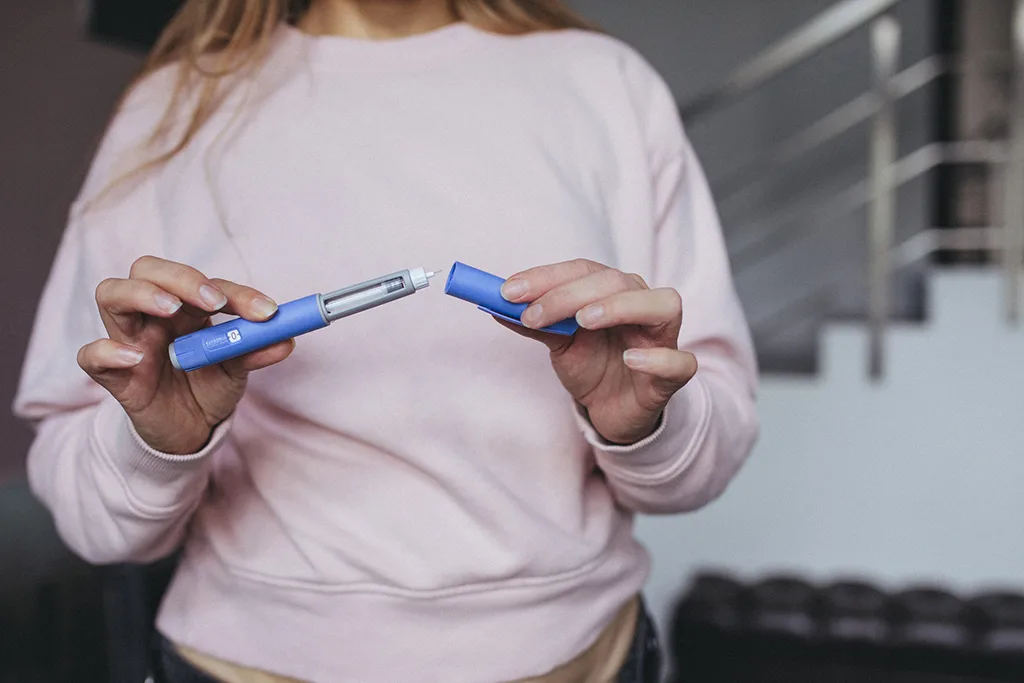
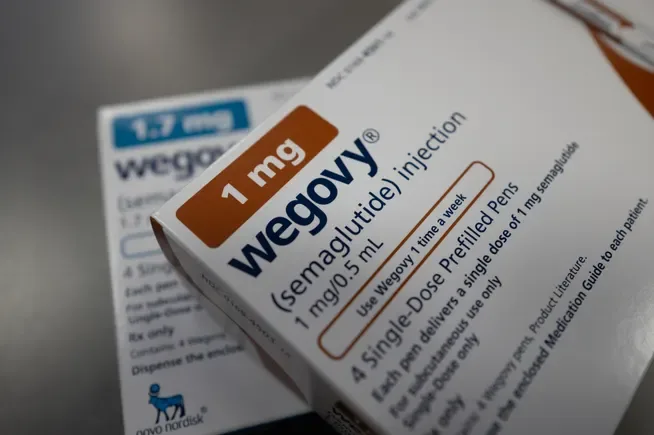
GLP-1 receptor agonists like semaglutide (the active ingredient in Ozempic and Wegovy) mimic the glucagon-like peptide-1 hormone, slowing gastric emptying, reducing appetite, and regulating blood sugar. This leads to significant weight loss—often 20% to 25% of body mass—but also poses challenges like muscle preservation during calorie restriction. Patients on these medications experience heightened satiety from proteins and fats, making carb-heavy snacks like popcorn less appealing.
As Wells Fargo agricultural economist Michael Swanson told Fortune, "GLP-1s are not a fad." He compares them to statins, predicting broader adoption with new mechanisms tailored to individuals. "They're going to be here and they're going to be ever more pervasive... that's actually going to change how we eat in a big, big way, favoring some, hurting others. The push for proteins, that's a very huge thing that's popped up in the last few years."
Why Protein Matters for GLP-1 Users
During rapid weight loss, high-protein intake helps maintain lean muscle mass, supports metabolic health, and curbs hunger. Swanson notes that post-weight-loss maintenance is tough without GLP-1 support, prompting food makers to emphasize protein. At events like the International Dairy Forum, demand for whey and milk protein concentrates has surged, as manufacturers race to label products as "high-protein." Consumers now prioritize "cost per gram of protein," especially amid affordability concerns.
Market Performance: Meat Snacks Lead, Popcorn Lags
Meat snacks posted 6.6% compound annual growth from 2020-2025, leading savory snacks over the last three years. Popcorn, conversely, has plummeted as health-conscious shoppers opt for better-for-you (BFY) alternatives. This bifurcation has elevated protein-forward brands while legacy players struggle.
Precision tracking for your journey
Join thousands using Shotlee to accurately track GLP-1 medications and side effects.
📱 Get the Shotlee App
Track your GLP-1 medications, peptides, and health metrics on the go with our mobile app!
- Chomps: Gained 822 basis points in market share over three years; 70% female customer base.
- Archer and Fatty (ConAgra-acquired): Rising with grass-fed options, which saw 81% year-over-year volume growth in 2025 (Circana data).
- Jack Link's: Lost 573 basis points, highlighting a changing guard.
Swanson emphasizes that success hinges on convenience and taste: "Americans, it has to be convenient, they don't want to do a lot of prep, a lot of cleanup. And if it's not tasty, it's not on the menu." Meat snacks fit perfectly as grab-and-go options for GLP-1-friendly diets.
Shifting Sales Channels and Consumer Demographics
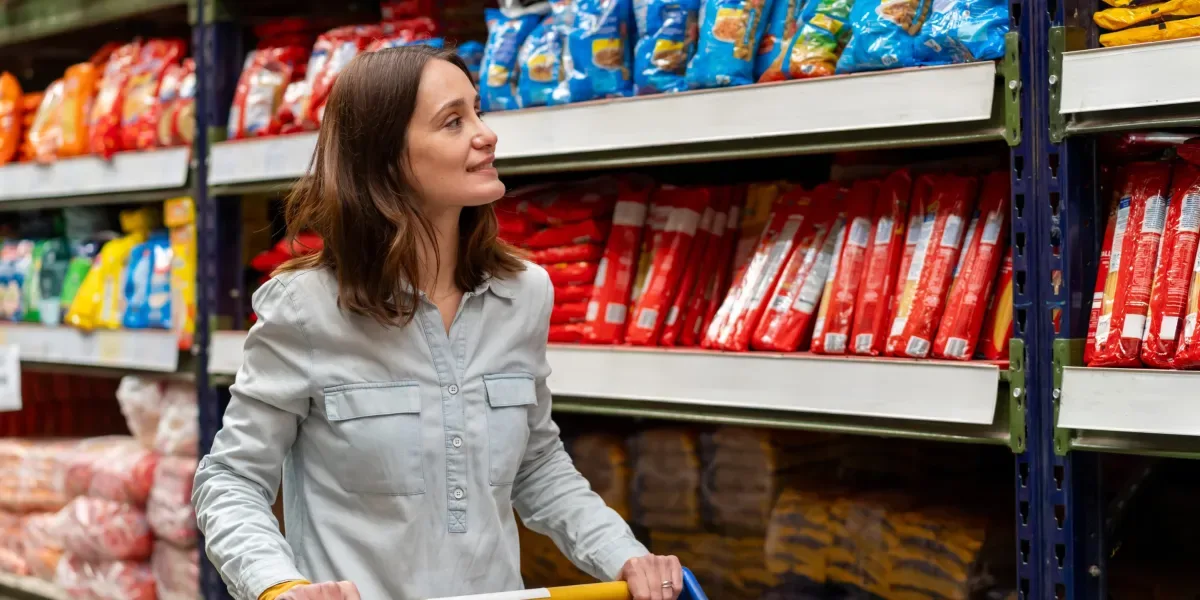
Traditional convenience stores, once beef jerky strongholds, see declining sales. Instead, growth explodes in club stores like Costco and online via Amazon. This reflects a demographic pivot: wellness-focused consumers—often women—treat meat snacks as pantry staples for meal prepping, not impulse buys.
Practical Guidance for GLP-1 Patients Choosing Snacks
If you're on Ozempic, Wegovy, or similar GLP-1 therapies, prioritize snacks with 10-20g protein per serving to sustain fullness and protect muscle. Opt for grass-fed or low-sodium varieties to align with heart-healthy metabolic goals. Discuss dietary shifts with your doctor, as high-protein needs may vary by dosage and health status. Apps like Shotlee can help track protein intake alongside symptoms and medication schedules for better adherence.
Safety Considerations and Comparisons to Alternatives
While meat snacks support GLP-1 weight management, balance is key. Excessive processed meats may raise sodium concerns; choose minimally processed options. Compared to popcorn (high-carb, low-protein), meat snacks offer superior satiety—crucial since GLP-1s amplify protein's appetite-suppressing effects. Alternatives like nuts or Greek yogurt provide variety, but meat sticks excel in portability.
Side effects like nausea from GLP-1s can make heavy carbs intolerable, further boosting protein demand. Always monitor for gastrointestinal issues and ensure hydration.
Key Takeaways: What This Means for Patients and the Food Industry
- Meat snacks represent 7% of a $74.9B savory market, with 6.6% growth tied to GLP-1s.
- Protein is essential for muscle preservation during 20-25% weight loss.
- Brands like Chomps lead BFY disruption; popcorn suffers from carb aversion.
- Sales shift to Costco/Amazon signals planned wellness snacking.
- GLP-1s will reshape diets long-term, per expert Michael Swanson.
Conclusion: Navigating the Protein-Powered GLP-1 Future
The meat snacks boom underscores a seismic shift in consumption fueled by GLP-1 medications like Ozempic and Wegovy. As protein claims proliferate—from dairy to snacks—consumers gain tools for sustainable weight maintenance. For patients, this means smarter snacking: high-protein, convenient, tasty options that complement therapy. Consult healthcare providers to tailor your diet, and consider tracking tools for optimal results. This isn't just a trend—it's a new dietary paradigm.