Introduction to the Semaglutide Nasal Spray Development
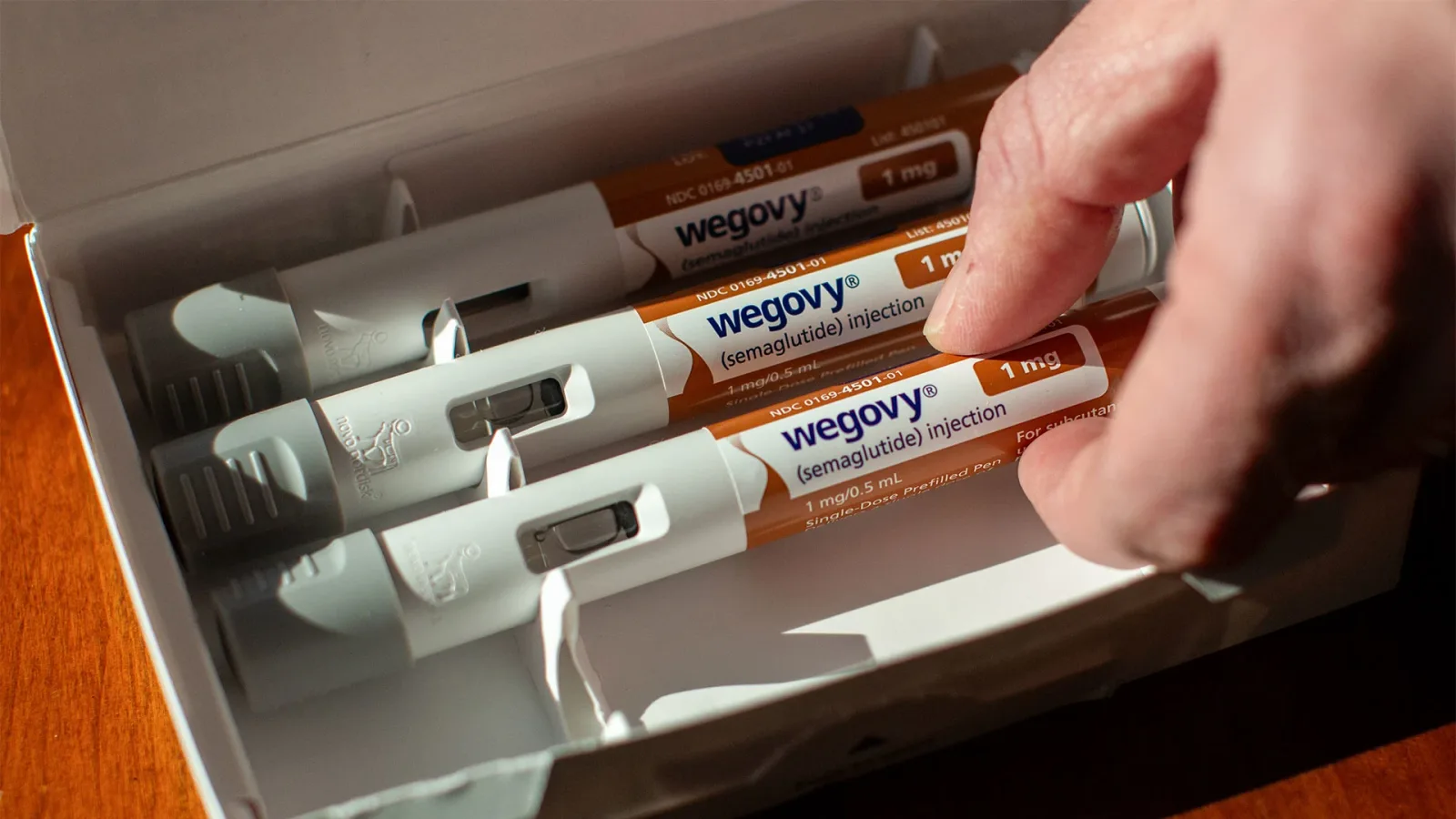
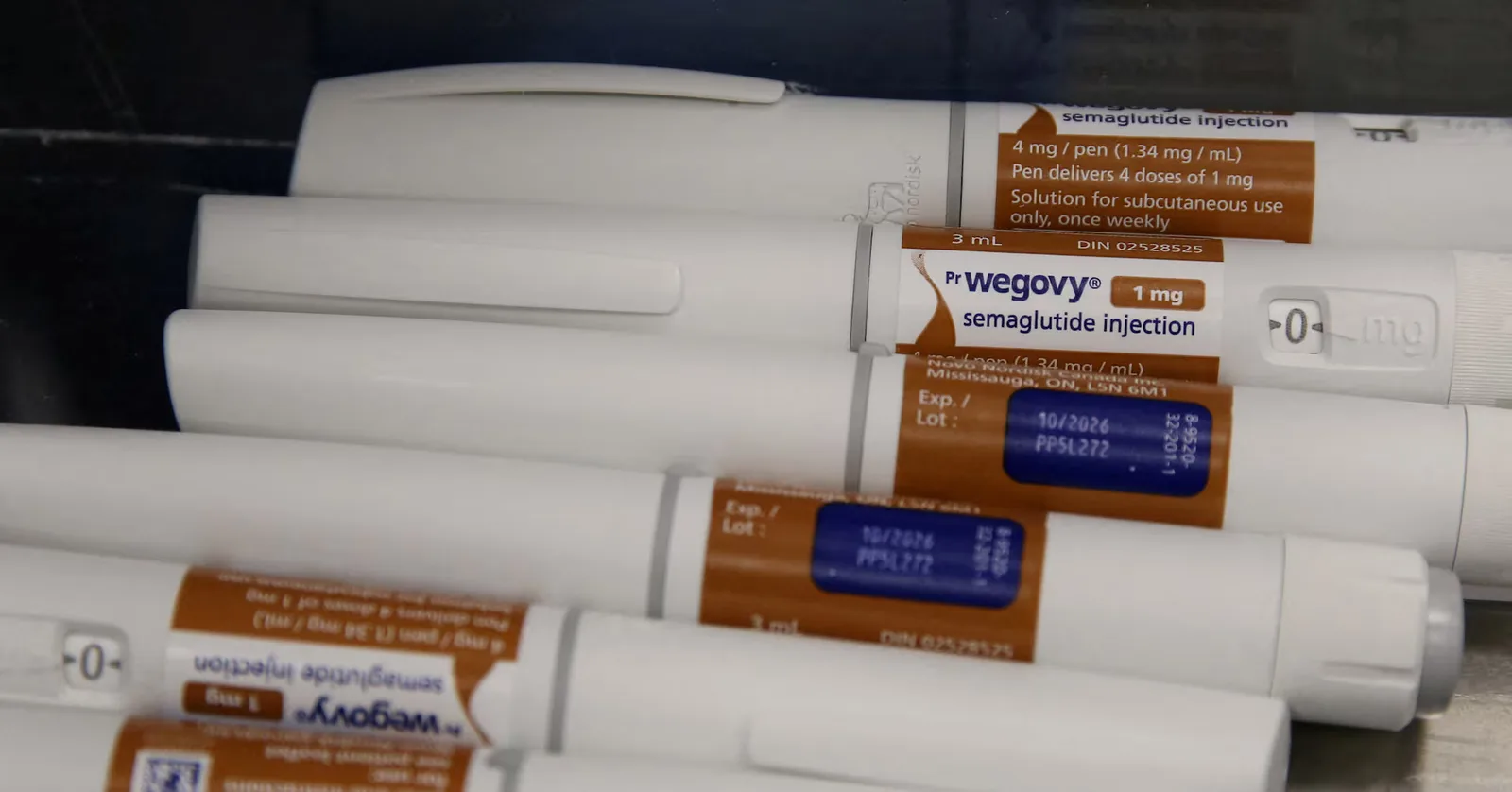
Shanghai Shiling Pharmaceutical, a Chinese biotech firm, is advancing an experimental semaglutide nasal spray for weight management, utilizing the same active ingredient as Novo Nordisk's Wegovy obesity injection. The company announced plans to complete global clinical trials by 2028, positioning this innovation as a potential game-changer in accessible obesity treatments. This development comes amid fierce competition in China's pharmaceutical market, where patients increasingly seek effective GLP-1 therapies like Wegovy, containing semaglutide.
Shiling's nasal spray is designed for long-term use and offers a lower cost compared to semaglutide tablets, according to a statement provided to Reuters on February 10. Following trial completion, the company intends to enter major pharmaceutical markets worldwide. Crucially, Shiling holds patents for the spray in China, the U.S., Europe, and Southeast Asia, providing a strong intellectual property foundation.
Background on Semaglutide and the GLP-1 Market in China
Semaglutide, a glucagon-like peptide-1 (GLP-1) receptor agonist, mimics the GLP-1 hormone to regulate blood sugar, slow gastric emptying, and reduce appetite, leading to significant weight loss and cardiovascular benefits. Novo Nordisk's Wegovy, approved for obesity, delivers semaglutide via once-weekly subcutaneous injections, demonstrating up to 15-20% body weight reduction in clinical trials.
In China, the world's second-largest pharmaceutical market, demand for these therapies is surging. Danish drugmaker Novo Nordisk (NOVOb.CO), Eli Lilly (LLY.N), and China's Innovent Biologics (1801.HK) are vying for share with injectable GLP-1s like Wegovy. However, Novo's patent on semaglutide is set to expire in China in March, opening doors for generics and biosimilars. Several Chinese drugmakers are racing to develop their own Wegovy versions ahead of this deadline.
Why China Matters in Global GLP-1 Development
China's massive patient population and growing obesity rates—over 16% of adults affected—make it a critical hub. Local biotechs like Shiling leverage cost advantages and rapid trial execution, potentially exporting innovations globally. This semaglutide nasal spray could address injection fatigue, a common barrier to adherence in long-term obesity management.
Key Features of Shanghai Shiling's Semaglutide Nasal Spray
Shiling emphasizes the spray's suitability for long-term use, which aligns with obesity treatment needs, often requiring indefinite therapy for sustained results. Unlike injections, a nasal delivery could improve patient convenience, bypassing needles and potentially offering faster absorption via the nasal mucosa directly into the bloodstream.
- Active Ingredient: Semaglutide, identical to Wegovy.
- Administration: Nasal spray, easier for daily or frequent dosing.
- Cost Advantage: Lower than semaglutide oral tablets (e.g., Rybelsus).
- Patents: Secured in China, U.S., Europe, Southeast Asia.
- Timeline: Global trials completion by 2028.
Post-trial, Shiling plans market entry in major regions, capitalizing on patent protection. Reporting by Andrew Silver and edited by Muralikumar Anantharaman underscores the credibility, adhering to Thomson Reuters Trust Principles.
Precision tracking for your journey
Join thousands using Shotlee to accurately track GLP-1 medications and side effects.
📱 Get the Shotlee App
Track your GLP-1 medications, peptides, and health metrics on the go with our mobile app!
Mechanism of Action: How Semaglutide Works via Nasal Delivery
Semaglutide binds to GLP-1 receptors in the pancreas, brain, and gut, promoting insulin secretion, inhibiting glucagon, and enhancing satiety. Nasal sprays may achieve similar pharmacokinetics to injections by avoiding first-pass metabolism, potentially matching Wegovy's efficacy with improved tolerability. Preclinical data (not yet public from Shiling) suggests nasal routes could reduce gastrointestinal side effects common in orals.
Comparisons: Nasal Spray vs. Existing Semaglutide Forms
| Form | Dosing | Pros | Cons |
|---|---|---|---|
| Wegovy (Injection) | Weekly SC | Proven efficacy, convenient frequency | Needles, injection site reactions |
| Rybelsus (Tablet) | Daily oral | No needles | GI issues, strict fasting requirements, higher cost |
| Shiling Nasal Spray | TBD (likely daily) | Lower cost, long-term suitability, needle-free | In trials; nasal irritation possible |
This spray could bridge gaps, offering affordability and ease over tablets while avoiding injections. As Novo's patent lapses, expect more semaglutide variants.
Safety Considerations and Patient Guidance
Semaglutide's safety profile includes nausea, vomiting, diarrhea, and rare risks like pancreatitis or thyroid tumors. Nasal delivery might alter side effects—potentially less GI upset but possible nasal congestion. Patients should discuss with physicians, especially those with nasal conditions or on other GLP-1s.
Who Might Benefit?
- Obese adults (BMI ≥30) or overweight with comorbidities.
- Those preferring non-injectable options.
- Patients in cost-sensitive markets like China.
Monitor progress with tools like Shotlee for tracking symptoms, side effects, or dosing schedules in peptide therapy. Always consult healthcare providers before starting.
Market Implications and Competition
With Novo, Lilly, and Innovent dominating injectables, Shiling's spray targets underserved segments. Patent expiration accelerates Chinese innovation, potentially lowering global prices and expanding access. Novo did not immediately comment on the announcement.
Key Takeaways for Patients and Providers
- Shanghai Shiling's semaglutide nasal spray aims for 2028 trial completion, using Wegovy's ingredient at lower cost.
- Suited for long-term weight management with broad patents.
- Enhances options amid China's GLP-1 boom and patent shifts.
- Discuss emerging therapies with doctors; track adherence diligently.
Conclusion: What This Means for Metabolic Health
This development signals advancing delivery innovations in GLP-1 therapy, preserving semaglutide's benefits in a more accessible form. Patients should stay informed on trials, weigh pros/cons with providers, and prioritize lifestyle alongside meds. As 2028 approaches, monitor updates for potential shifts in obesity care worldwide.