
Understanding Fueling Challenges with GLP-1 Medications
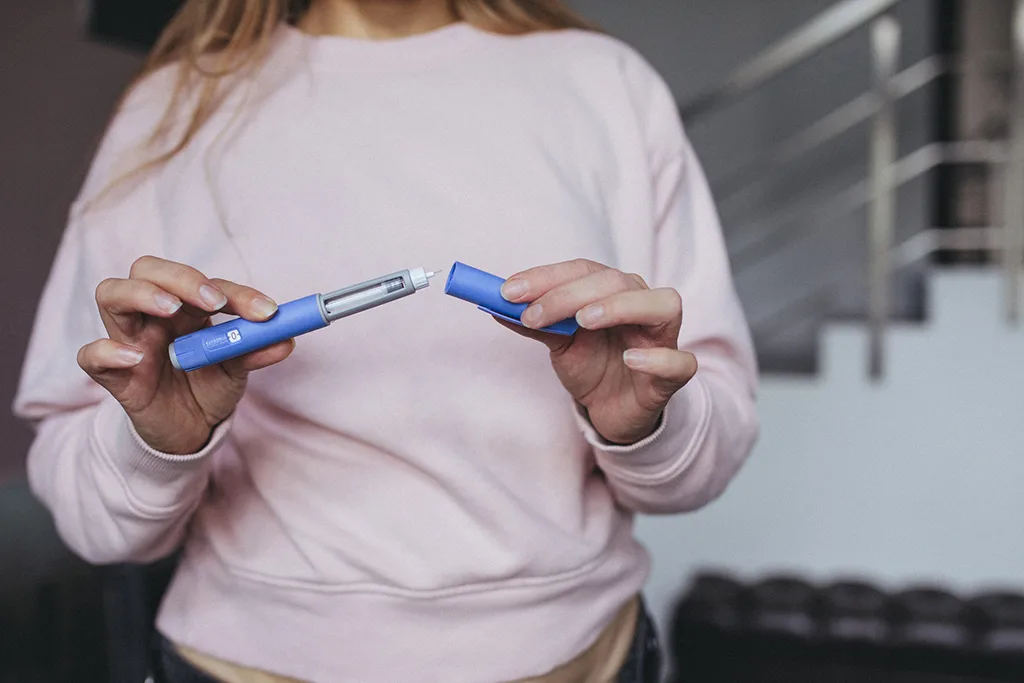
Fueling your body adequately is crucial during any weight loss program that includes running. However, medications such as GLP-1 agonists might interfere with your ability to eat sufficiently. If you're using drugs like Ozempic or Wegovy, your hunger signals could be diminished, requiring careful pre-planning of meals to ensure proper nourishment.
GLP-1 Effects on Appetite and Digestion
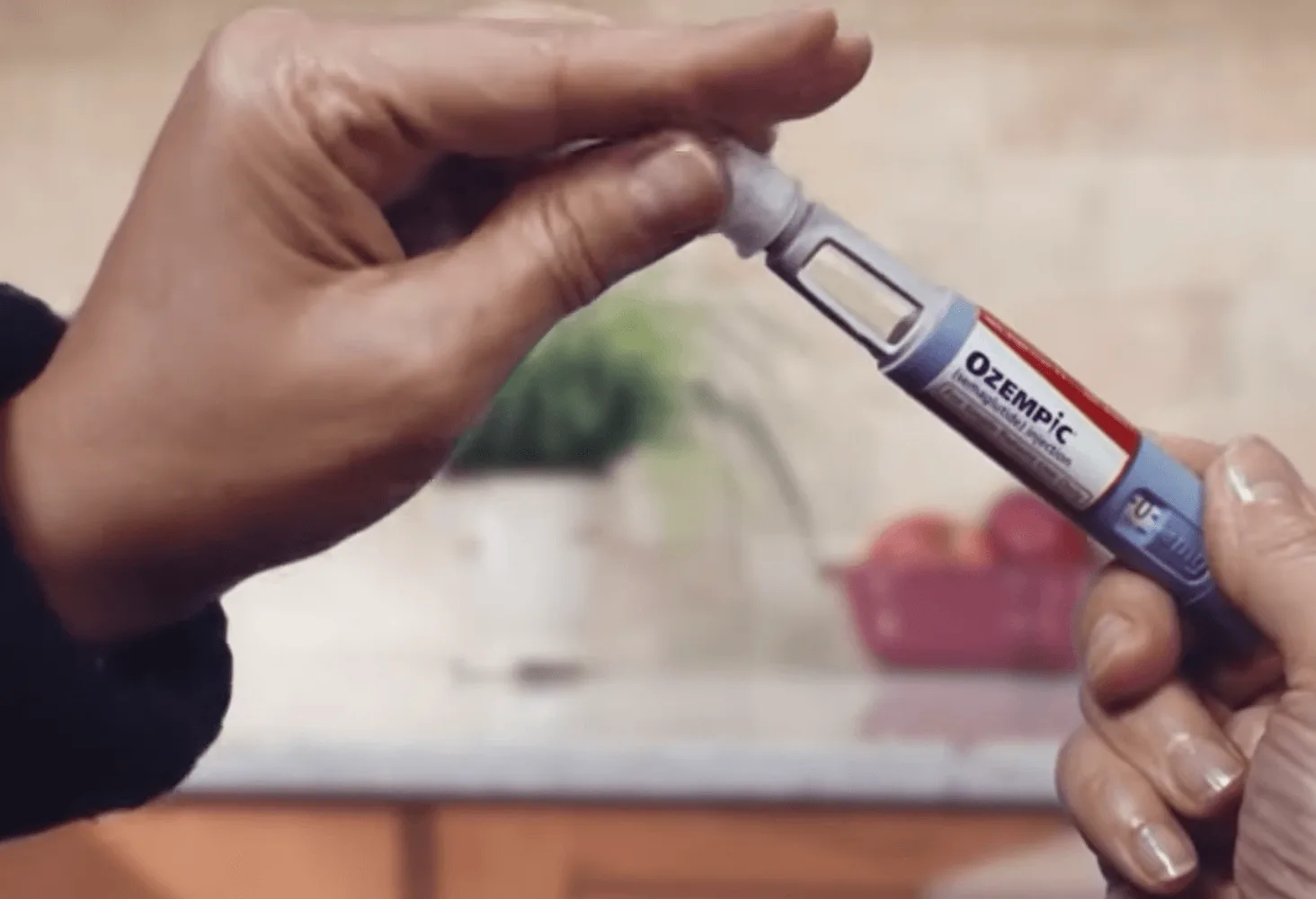
GLP-1, or glucagon-like peptide 1, refers to agonists that include options like Ozempic and Wegovy. These drugs delay the processing of glucose, causing food to linger in the stomach for extended periods. Consequently, users often feel sated for longer durations, leading to reduced food intake. In some cases, appetite becomes so suppressed that individuals overlook the need to eat altogether.
Common Side Effects Associated with GLP-1s
In addition to appetite changes, those on GLP-1 medications may encounter unpleasant symptoms. These can include feelings of sickness, expulsion of stomach contents, tiredness, hardened stools, lightheadedness, and loose bowel movements. Such reactions might further complicate efforts to consume necessary nutrients.
Risks of Inadequate Fueling
With a compromised sense of hunger due to GLP-1 use, you might not consume the required energy for running performance. This shortfall can lead to deficiencies in essential elements like fiber, potentially causing constipation or bloating. Moreover, it heightens the chance of insufficient nutrition and disorders such as low energy availability (LEA) and relative energy deficiency in sport (RED-S). Severe calorie limitations accelerate weight reduction but erode lean tissue, encompassing bones and muscles, vital for robustness and vitality. To tackle extended runs successfully, adequate nourishment is essential.
Precision tracking for your journey
Join thousands using Shotlee to accurately track GLP-1 medications and side effects.
📱 Get the Shotlee App
Track your GLP-1 medications, peptides, and health metrics on the go with our mobile app!
Expert Guidance on Managing Challenges
Due to the bodily impacts of GLP-1s, including weariness, queasiness, and vertigo, it may be wise to opt for gentle physical activity. Focus on exercises with minimal intensity and impact, incorporating regular pauses, as advised by specialists. Gradually build up mileage while monitoring how side effects influence your workouts. Rapid weight reduction often results in muscle depletion alongside fat loss, so emphasize strength-building exercises to preserve and enhance muscle tissue for peak functionality.
"For me, these medications really have been life changing -- not because they did the work for me, but because they helped me see my own strength more clearly." -- Jennifer Brown, host
Health tracking apps like Shotlee can assist in monitoring your nutrition and energy levels during this process, ensuring you stay on top of your needs.