Queer Eye's Tan France Addresses Obesity Bias
For Tan France, renowned stylist and advocate, clothing has consistently represented more than mere appearance; it serves as a vehicle for self-expression. For years, he has empowered individuals to articulate their uniqueness through fashion. However, he has also witnessed the stigma faced by individuals managing obesity, a stigma often fueled by societal misunderstandings of the scientific underpinnings of this chronic condition and the persistent misconception that obesity arises solely from a lack of willpower.
France notes that many individuals with obesity utilize clothing as a means of concealing themselves from prejudice and judgment. This bias and judgment can, over time, become internalized, exerting a negative influence on their clothing choices.
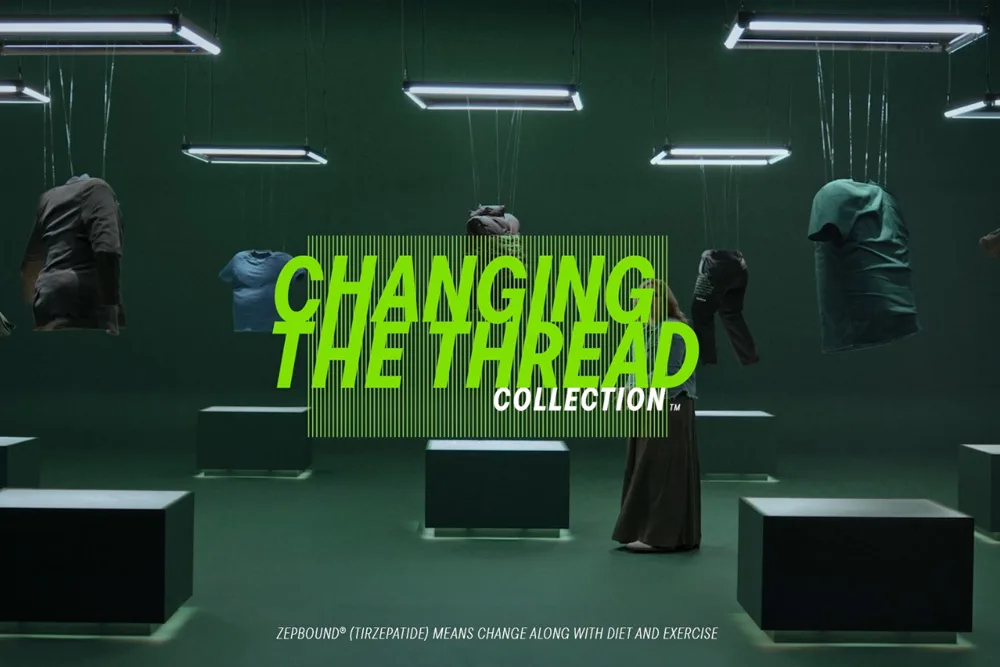
The 'Changing the Thread Collection™' marks a collaboration between the Queer Eye personality and Lilly, the creators of Zepbound. This groundbreaking collection utilizes clothing as a medium for disseminating the science, challenges, and achievements associated with the obesity journey. Each garment, spanning from scrubs to swimwear, features embroidery that narrates the experiences of individuals living with obesity. The collection endeavors to "unthread" bias through these stitched stories, fostering a cultural transformation that acknowledges obesity as a chronic disease deserving of both understanding and appropriate medical intervention.
Zepbound is an injectable prescription medication that can assist adults dealing with obesity, or overweight adults who also have weight-related health issues, in reducing excess body weight and maintaining that weight loss. Its use should be accompanied by a reduced-calorie diet and increased physical activity. Zepbound contains tirzepatide and should not be combined with other products containing tirzepatide or any GLP-1 receptor agonist medications. The safety and efficacy of Zepbound in children have not yet been established.
France asserts his advocacy for all body types. He hopes to foster an environment where individuals can seek obesity care without hesitation by challenging stereotypes and embracing scientific understanding.
Partnership with Lilly and the 'Changing the Thread Collection'
France explains that his belief in the power of clothing to convey stories motivated his involvement. He notes that for many on a weight loss journey, their clothing narrates a more complex tale, influenced by the difficulties of navigating a world where size can lead to prejudice and judgment.
This campaign resonated with France because he has personally observed weight stigma impacting those he cares about. He explains his commitment to reshaping the narrative through education, community building, and support.
The Intersection of Clothing and Obesity Bias
Clothing serves both functional and expressive purposes. For many managing obesity, clothing can become a means of concealment in a society that frequently focuses solely on size.
France recalls a particularly impactful story about a black puffer vest worn almost year-round. The vest accompanied its wearer to work meetings, social dinners, and even dates. Such narratives underscore the potency of the 'Changing the Thread Collection.' By illuminating these experiences, it demonstrates how clothing can encapsulate meaning, commemorate life events, and reflect self-presentation.
Insights Gained from Individuals with Obesity
France acknowledges the profound impact of weight stigma on the perception and treatment of individuals with obesity. He has seen this firsthand on Queer Eye and within his own family. He believes that everyone deserves the freedom to express themselves through clothing, free from the fear of judgment. While treatments such as Zepbound, combined with diet and exercise, can facilitate weight loss and maintenance, the stigma surrounding obesity frequently presents a significant obstacle. Campaigns like 'Changing the Thread Collection' can, he hopes, facilitate a shift in the conversation surrounding weight bias and clothing. Health tracking apps like Shotlee can help monitor progress and provide support during these journeys.
Aspirations for the 'Changing the Thread Collection'
France hopes that people will approach the collection with an open mind and a willingness to understand different perspectives. He aims to convey the weight of stigma and bias while simultaneously showcasing the resilience embodied in each garment within the 'Changing the Thread Collection.'
He envisions the campaign amplifying the voices of individuals with obesity, urging others to listen attentively, examine more closely, and contribute to reshaping the narrative surrounding obesity with empathy and understanding. By collectively sharing words of encouragement, demonstrating resilience, and challenging stigmas, he believes we can collectively dismantle bias and foster a more inclusive conversation.
France concludes by emphasizing that unthreading stigma begins with recognizing the inherent worthiness of care in every body.
About the Changing the Thread Collection
Zepbound's Changing the Thread Collection is a movement focused on reshaping the narrative around obesity through clothing, merging art and science to reveal authentic stories from Zepbound patients. Inspired by the belief in prioritizing health, the campaign aims to reframe obesity, unthread stigma, and replace judgment with understanding. Through storytelling, education, and immersive experiences, the collection transforms garments into expressions of personal journeys, inspiring audiences to see obesity as a disease and celebrate resilience.
About Zepbound (tirzepatide) Injection
Zepbound is the first dual GIP (glucose-dependent insulinotropic polypeptide) and GLP-1 (glucagon-like peptide-1) receptor agonist medication for obesity. It addresses underlying causes of excess weight by reducing appetite and food intake. Zepbound is indicated for adults with obesity or overweight adults with weight-related medical problems to lose weight and maintain it. It's also FDA-approved for moderate-to-severe obstructive sleep apnea and obesity. Zepbound should be used with a reduced-calorie diet and increased physical activity. It contains tirzepatide and should not be used with other tirzepatide-containing products or GLP-1 receptor agonists. Safety and effectiveness in children are unknown.
Indications and Safety Summary with Warnings
Zepbound (ZEHP-bownd) is an injectable prescription medicine that may help adults with:
- obesity, or some adults with overweight who also have weight-related medical problems to lose excess body weight and keep the weight off.
- moderate-to-severe obstructive sleep apnea (OSA) and obesity to improve their OSA.
It should be used with a reduced-calorie diet and increased physical activity.
Zepbound contains tirzepatide and should not be used with other tirzepatide-containing products or any GLP-1 receptor agonist medicines. It is not known if Zepbound is safe and effective for use in children.
Precision tracking for your journey
Join thousands using Shotlee to accurately track GLP-1 medications and side effects.
📱 Get the Shotlee App
Track your GLP-1 medications, peptides, and health metrics on the go with our mobile app!
Warnings
Zepbound may cause tumors in the thyroid, including thyroid cancer. Watch for possible symptoms, such as a lump or swelling in the neck, hoarseness, trouble swallowing, or shortness of breath. If you have any of these symptoms, tell your healthcare provider.
- Do not use Zepbound if you or any of your family have ever had a type of thyroid cancer called medullary thyroid carcinoma (MTC).
- Do not use Zepbound if you have Multiple Endocrine Neoplasia syndrome type 2 (MEN 2).
- Do not use Zepbound if you have had a serious allergic reaction to tirzepatide or any of the ingredients in Zepbound.
Zepbound may cause serious side effects, including:
Severe stomach problems. Stomach problems, sometimes severe, have been reported in people who use Zepbound. Tell your healthcare provider if you have stomach problems that are severe or will not go away.
Dehydration leading to kidney problems. Diarrhea, nausea, and vomiting may cause a loss of fluids (dehydration), which may cause kidney problems. It is important for you to drink fluids to help reduce your chance of dehydration.
Gallbladder problems. Gallbladder problems have happened in some people who use Zepbound. Tell your healthcare provider right away if you get symptoms of gallbladder problems, which may include pain in your upper stomach (abdomen), fever, yellowing of skin or eyes (jaundice), or clay-colored stools.
Inflammation of the pancreas (pancreatitis). Stop using Zepbound and call your healthcare provider right away if you have severe pain in your stomach area (abdomen) that will not go away, with or without vomiting. You may feel the pain from your abdomen to your back.
Serious allergic reactions. Stop using Zepbound and get medical help right away if you have any symptoms of a serious allergic reaction, including swelling of your face, lips, tongue or throat, problems breathing or swallowing, severe rash or itching, fainting or feeling dizzy, or very rapid heartbeat.
Low blood sugar (hypoglycemia). Your risk for getting low blood sugar may be higher if you use Zepbound with medicines that can cause low blood sugar, such as a sulfonylurea or insulin. Signs and symptoms of low blood sugar may include dizziness or light-headedness, sweating, confusion or drowsiness, headache, blurred vision, slurred speech, shakiness, fast heartbeat, anxiety, irritability, mood changes, hunger, weakness or feeling jittery.
Changes in vision in patients with type 2 diabetes. Tell your healthcare provider if you have changes in vision during treatment with Zepbound.
Depression or thoughts of suicide. You should pay attention to changes in your mood, behaviors, feelings or thoughts. Call your healthcare provider right away if you have any mental changes that are new, worse, or worry you.
Food or liquid getting into the lungs during surgery or other procedures that use anesthesia or deep sleepiness (deep sedation). Zepbound may increase the chance of food getting into your lungs during surgery or other procedures. Tell all your healthcare providers that you are taking Zepbound before you are scheduled to have surgery or other procedures.
Common Side Effects
The most common side effects of Zepbound include nausea, diarrhea, vomiting, constipation, stomach (abdominal) pain, indigestion, injection site reactions, feeling tired, allergic reactions, belching, hair loss, and heartburn. These are not all the possible side effects of Zepbound. Talk to your healthcare provider about any side effect that bothers you or doesn't go away.
Tell your doctor if you have any side effects. You can report side effects at 1-800-FDA-1088 or www.fda.gov/medwatch.
Before Using Zepbound
- Your healthcare provider should show you how to use Zepbound before you use it for the first time.
- Talk to your healthcare provider about low blood sugar and how to manage it. Tell your healthcare provider if you are taking medicines to treat diabetes including an insulin or sulfonylurea.
- If you take birth control pills by mouth, talk to your healthcare provider before you use Zepbound. Birth control pills may not work as well while using Zepbound. Your healthcare provider may recommend another type of birth control for 4 weeks after you start Zepbound and for 4 weeks after each increase in your dose of Zepbound.
Review these questions with your healthcare provider:
- Do you have other medical conditions, including problems with your pancreas, or severe problems with your stomach, such as slowed emptying of your stomach (gastroparesis) or problems digesting food?
- Do you take diabetes medicines, such as insulin or sulfonylureas?
- Do you have a history of diabetic retinopathy?
- Are you scheduled to have surgery or other procedures that use anesthesia or deep sleepiness (deep sedation)?
- Do you take any other prescription medicines or over-the-counter drugs, vitamins, or herbal supplements?
- Are you pregnant, plan to become pregnant, breastfeeding, or plan to breastfeed? Zepbound may harm your unborn baby. Tell your healthcare provider if you become pregnant while using Zepbound. Zepbound may pass into your breast milk. You should talk with your healthcare provider about the best way to feed your baby while using Zepbound.
- Pregnancy Exposure Registry: There will be a pregnancy exposure registry for women who have taken Zepbound during pregnancy. The purpose of this registry is to collect information about the health of you and your baby. Talk to your healthcare provider about how you can take part in this registry, or you may contact Lilly at 1-800-LillyRx (1-800-545-5979).
How to Take
- Read the Instructions for Use that come with Zepbound.
- Use Zepbound exactly as your healthcare provider says.
- Use Zepbound with a reduced-calorie diet and increased physical activity.
- Inject Zepbound under the skin (subcutaneously) of your stomach (abdomen), thigh, or have another person inject in the back of the upper arm. Do not inject ZEPBOUND into a muscle (intramuscularly) or vein (intravenously).
- Use Zepbound 1 time each week, at any time of the day.
- Change (rotate) your injection site with each weekly injection. Do not use the same site for each injection.
- If you take too much Zepbound, call your healthcare provider, call the Poison Help line at 1-800-222-1222 or go to the nearest hospital emergency room right away.
Zepbound injection is approved as a 2.5 mg, 5 mg, 7.5 mg, 10 mg, 12.5 mg, or 15 mg per 0.5 mL in single-dose pen or single-dose vial.
Zepbound is a prescription medicine. For more information, call 1-800-LillyRx (1-800-545-5979) or go to www.zepbound.lilly.com.
This summary provides basic information about Zepbound but does not include all information known about this medicine. Read the information that comes with your prescription each time your prescription is filled. This information does not take the place of talking with your healthcare provider. Be sure to talk to your healthcare provider about Zepbound and how to take it. Your healthcare provider is the best person to help you decide if Zepbound is right for you.