
Supplement Makers Push FDA to Allow Peptides and New Ingredients
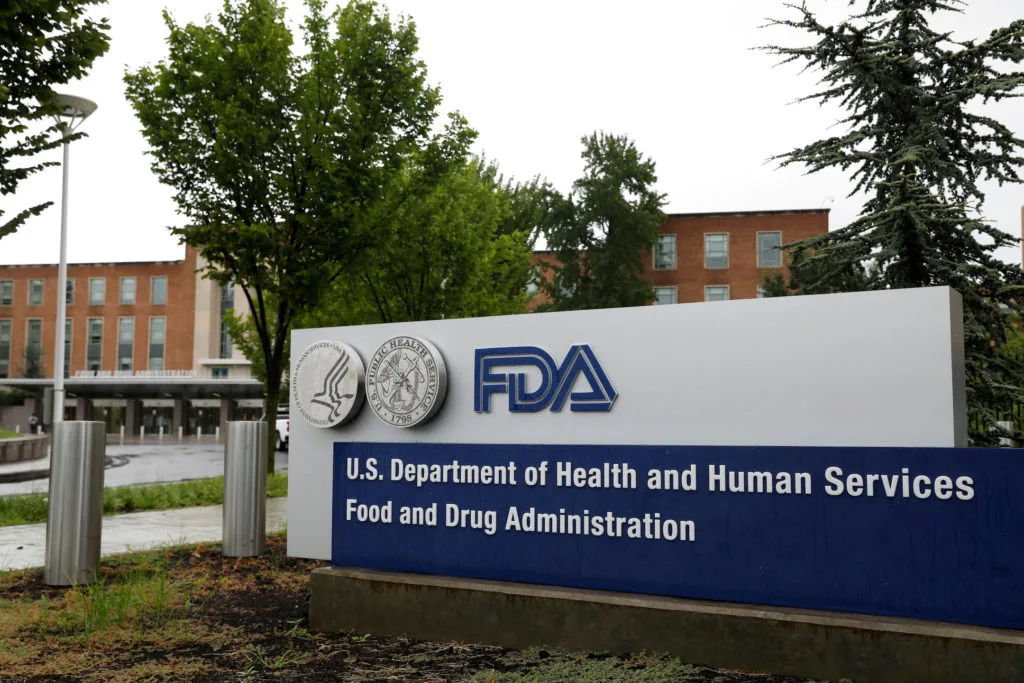
In a significant development for the dietary supplement industry, makers are urging the Food and Drug Administration (FDA) to revise its criteria for allowable ingredients. This push, centered on including peptides, probiotics, and other novel substances, was spotlighted at a public FDA meeting on Friday. The discussion comes amid commitments from top health officials to reduce regulatory hurdles, potentially reshaping the market for trendy wellness products like peptide-infused capsules and gut health probiotics.
The FDA Public Meeting: A Turning Point for Supplement Ingredients
The FDA convened its first public meeting on dietary supplement criteria since Robert F. Kennedy Jr. assumed the role of the nation's top health official last year. Requested by the Natural Products Association (NPA) in a January letter, the session addressed "the cost and uncertainty that arise when regulatory expectations are unclear." Industry executives, consumer advocates, and academics presented their views on broadening criteria beyond traditional sources like food, vitamins, herbs, and plants found in the American diet.
FDA's top food official, Kyle Diamantas, opened the meeting by emphasizing the administration's pledge to "cut red tape" and lower industry costs. "The industry has grown tremendously over the last 30 years yet the regulatory framework has largely stayed the same," Diamantas stated, underscoring the need for updates to match market evolution.
RFK Jr.'s Influence on Peptides and Supplements
Robert F. Kennedy Jr. has positioned himself as a champion for dietary supplements, peptides, and products aligned with his Make America Healthy Again movement. He vowed to "end the war at FDA" on these items and recently declared himself "a big fan" of peptides during a podcast with Joe Rogan, noting personal use for injury treatment. Kennedy also pledged to ease FDA limits on injectable peptides, which face federal safety restrictions.
This stance intersects with allies in the industry. Gary Brecka, a self-described "longevity expert," sells peptide injectables, patches, and nasal sprays via his website. Dr. Mark Hyman, another Kennedy associate, offers dozens of supplements, including peptide-claiming products, online. Former campaign advisers Calley Means (now a senior HHS adviser) co-founded a platform for tax-free wellness purchases, while his sister, Dr. Casey Means—Trump's surgeon general nominee—earned significant income promoting supplements and probiotics.
Current FDA Regulations on Dietary Supplements
Under FDA rules, dietary supplements are classified as food, requiring most ingredients to derive from plants, herbs, or substances in the American diet. This framework, largely unchanged since the 1994 Dietary Supplement Health and Education Act (DSHEA), poses challenges for innovative products. The FDA does not pre-approve supplements like drugs, lacking safety and efficacy reviews. Manufacturers bear responsibility for safety and truthful advertising, with no comprehensive product list maintained by the agency.
Supplements cannot claim to treat diseases but may make structure/function claims (e.g., "supports bone health") or general wellness statements, accompanied by the disclaimer: "This statement has not been evaluated by the FDA." They are exempt from nutrition labeling and rigorous health claim substantiation. Former FDA official Mitch Zeller critiqued this as sanctioning "unauthorized, implied health claims" through carefully worded labels and ads.
Challenges with Peptides and Probiotics
Peptides—druglike chains of amino acids—are increasingly popular for purported muscle-building and anti-aging benefits, promoted by celebrities and influencers. Despite limited scientific support, they appear in specialty pharmacy injections, IV infusions, and now supplement forms like capsules, gummies, and powders. Certain probiotics for digestion and gut health face similar issues. FDA lawyers deem these additions violations, as they aren't traditional dietary substances.
Precision tracking for your journey
Join thousands using Shotlee to accurately track GLP-1 medications and side effects.
📱 Get the Shotlee App
Track your GLP-1 medications, peptides, and health metrics on the go with our mobile app!
Industry voices like Robert Durkin, ex-FDA supplements official turned consultant, hope the meeting signals openness to reinterpreting "dietary ingredient" to include non-food substances. With over 100,000 supplements on the market, companies argue outdated rules stifle innovation.
Opposition from Consumer Advocates
Not everyone supports expansion. Jensen Jose, senior regulatory counsel at the Center for Science in the Public Interest, urged the FDA to prioritize current market safety over new chemicals. "FDA should focus on making the current market safer instead of allowing more chemicals and substances in supplements," Jose stated during the meeting. Critics highlight the agency's oversight struggles and risks of unproven ingredients proliferating unchecked.
Implications for Peptide Therapy and Wellness Trends
Peptides represent a crossover between supplements and emerging peptide therapy, often explored for metabolic health, recovery, and longevity. While injectable forms require compounding pharmacy oversight, oral or topical supplement versions bypass this but risk regulatory scrutiny. This FDA debate could legitimize peptides in mainstream products, boosting accessibility but raising safety questions given sparse evidence.
For consumers interested in peptides or probiotics, understanding mechanisms is key. Peptides mimic natural signaling molecules to potentially influence muscle repair or inflammation, though clinical data remains preliminary. Probiotics introduce beneficial bacteria to modulate gut microbiota, linked to digestion and immunity. Always consult healthcare providers before use, especially alongside medications.
Safety Considerations and Patient Guidance
Given the FDA's hands-off approach, self-monitoring is crucial. Track symptoms, side effects, or interactions—tools like Shotlee can help log peptide or probiotic responses alongside medication schedules. Discuss with doctors if you have conditions like metabolic disorders, as unapproved ingredients may interact unpredictably. Compare to alternatives: Traditional herbs offer proven safety profiles, while pharma-grade peptides undergo stricter testing.
Comparing Peptides in Supplements vs. Clinical Use
| Aspect | Supplements | Injectable Peptide Therapy | |--------|-------------|---------------------------| | Regulation | FDA food rules; manufacturer responsible | Compounding/pharma oversight | | Forms | Capsules, gummies, powders | Injections, IVs | | Evidence | Limited science | More studied for specific uses | | Accessibility | Over-the-counter | Prescription often required | This table highlights why regulatory clarity matters: Supplements promise convenience, but clinical peptide therapy provides targeted dosing.
Key Takeaways: What This Means for Patients and Industry
- Regulatory Shift Possible: FDA may reinterpret rules, enabling peptides and probiotics in supplements.
- Industry Growth: Eases costs for 100,000+ products, fostering innovation.
- Safety First: Advocates stress oversight amid limited FDA review.
- RFK Jr. Role: Pro-peptide stance influences policy via allies.
- Consumer Action: Verify claims, use disclaimers as guides, consult pros.
Conclusion: Navigating the Future of Supplements
The FDA meeting marks a pivotal moment, balancing innovation with safety in the $50B+ supplement sector. While peptides and probiotics tantalize wellness seekers, preserved regulations ensure some guardrails. Patients should prioritize evidence-based choices, discussing options like peptide therapy for metabolic health with providers. Stay informed as outcomes unfold—this could redefine what's in your next supplement bottle.
The Associated Press Health and Science Department receives support from the Howard Hughes Medical Institute's Department of Science Education and the Robert Wood Johnson Foundation. The AP is solely responsible for all content.