
RFK Jr. Big Fan of Peptides: FDA Ban May Lift Soon
A potential shift in FDA policy on peptides is gaining attention, driven by Health and Human Services Secretary Robert F. Kennedy Jr. On the February 27 episode of Joe Rogan's podcast, Kennedy described himself as a "big fan of peptides" and hinted at upcoming FDA action on injectable peptides "within a couple of weeks." This comes amid discussions to possibly lift a 2023 FDA ban on certain chemicals flagged for "significant safety risks."
RFK Jr.'s Push for Greater Peptide Access
Kennedy expressed hope that the FDA would relocate these peptides "to a place where people have access from ethical suppliers." He specifically referenced 14 peptides banned by the FDA in 2023, criticizing the Biden administration for placing them on a "do not produce" list "illegally." According to Kennedy, the agency overstepped its authority, fostering a black market— an argument echoed by manufacturers who have challenged the ban in court.
The New York Times reported on March 31, citing a senior HHS official, that Kennedy's wishes could soon materialize. HHS did not immediately respond to USA TODAY's request for comment. Kennedy's advocacy aligns with his broader views on health regulation, but critics note his ties to peptide supporters like Gary Brecka, Dr. Mark Hyman, and Brigham Buhler, a compounding pharmacy owner he previously hosted on his podcast. Two of his former campaign advisers, Calley Means (now a senior HHS adviser) and Dr. Casey Means (Trump's surgeon general nominee), have also promoted wellness products including peptides and supplements.
What Are Peptides? A Breakdown
Peptides are short strings of amino acids, the organic compounds that form the building blocks of proteins. Chains of about five to 50 amino acids qualify as peptides, while longer, more complex chains (generally over 50) are classified as proteins, per sources like WebMD and the Cleveland Clinic.
Natural Roles of Peptides in the Body
Our bodies produce various peptides for essential functions, such as blood pressure regulation and digestion. A prime example is insulin, a peptide hormone from the pancreas that controls blood sugar levels. Peptides also occur naturally in foods like milk, eggs, legumes, and oats.
Synthetic Peptides for Health and Wellness
Synthetic peptides mimic natural ones to address deficiencies or conditions. Some studies suggest certain peptides offer anti-inflammatory, anti-aging, and muscle-building effects, fueling their popularity in wellness communities. Common applications include:
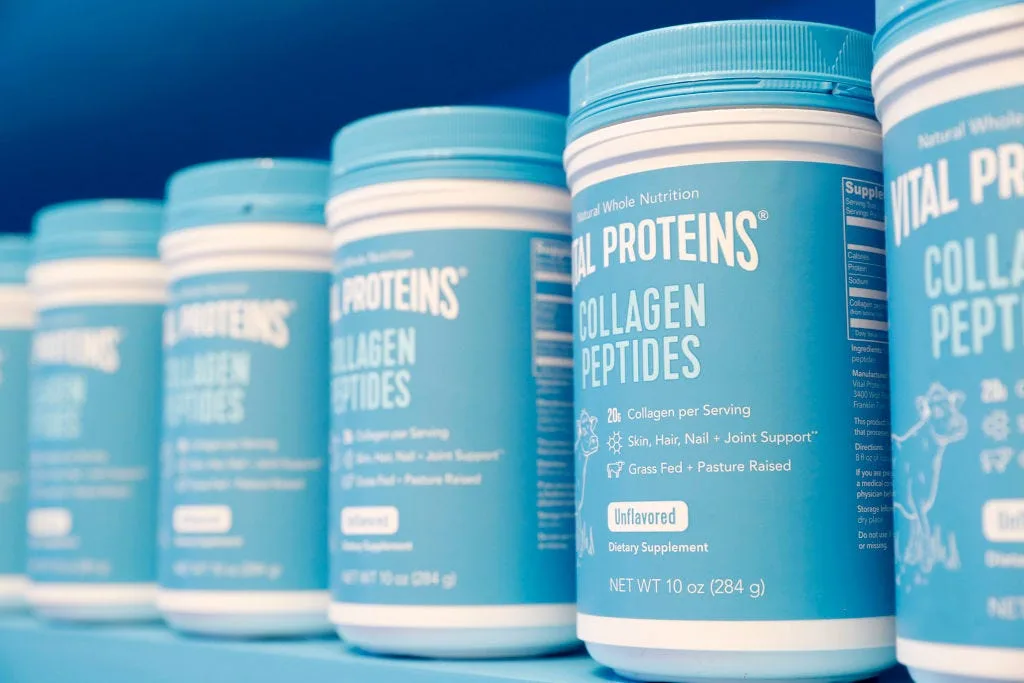
- Skincare: Collagen peptides in creams to restore skin elasticity.
- Supplements: Creatine peptides for muscle support.
- Other uses: Investigated for appetite control, wound repair, sleep regulation, and immunity.
These broken-down forms are easier for the body to absorb via serums, pills, or injections, allowing entry into the bloodstream.
The FDA's 2023 Ban on 14 Specific Peptides
In 2023, the FDA prohibited compounding pharmacies from producing 14 specific peptides due to "potential significant safety risks." Compounding pharmacies create customized formulations and must use FDA-approved ingredients, though they lack the full approvals of mass-produced drugs. They remain under state and federal oversight.
Among the banned were growth hormone-releasing peptides (GHRPs), popular in fitness for stimulating growth hormone to aid muscle building and repair. Others targeted appetite suppression or stimulation, wound repair, sleep, anti-aging, and immunity. The FDA noted a lack of robust evidence for efficacy—many tested only on animals or in limited trials.
Precision tracking for your journey
Join thousands using Shotlee to accurately track GLP-1 medications and side effects.
📱 Get the Shotlee App
Track your GLP-1 medications, peptides, and health metrics on the go with our mobile app!
Identified Risks and Adverse Effects
The agency highlighted serious concerns, including:
- Heart toxicity
- Infections
- Pancreatitis
- Increased or decreased insulin sensitivity
- Serious immune responses
- Melanoma
- Death
In most cases, insufficient human testing failed to confirm safety or effectiveness. For contrast, insulin has 50 years of research, while peptides like Melanotan I and II (used for tanning) remain less studied.
Current Availability and the 'Research' Loophole
Despite the ban, these peptides persist online via a grey-area loophole: sold as "research chemicals," they evade regulation, as noted in an April 2025 paper. This has accelerated with influencers touting unproven benefits.
At an FDA public meeting on March 27, dietary supplement makers, academics, and advocates urged reconsideration of supplement criteria. FDA lawyers argued unsupported peptide claims already violate rules, but proponents called for updated oversight.
Peptide Therapy: Mechanisms, Comparisons, and Patient Guidance
Peptides work by binding to specific receptors, mimicking natural signals—like GHRPs prompting growth hormone release for tissue repair. Compared to full proteins, their smaller size enhances bioavailability.
Versus alternatives like steroids, peptides may offer targeted effects with potentially fewer side effects, though evidence varies. For patients interested in peptide therapy for metabolic health or wellness:
- Consult a doctor: Discuss personal risks, especially with heart or immune issues.
- Source ethically: Avoid unregulated online buys; prioritize compounding pharmacies if approved.
- Monitor effects: Tools like Shotlee can help track symptoms or side effects during use.
Safety remains key—start low-dose under supervision, given risks like insulin sensitivity changes relevant to GLP-1 contexts.
Key Takeaways: What This Means for Patients and Wellness Enthusiasts
- RFK Jr. aims to make 14 banned peptides more accessible from ethical sources.
- Peptides are short amino acid chains with natural roles (e.g., insulin) and synthetic promise in anti-aging, muscle building.
- FDA banned them in 2023 over safety risks like heart toxicity and lack of human data.
- Black market thrives via "research" sales; policy changes could shift this.
- Always prioritize evidence-based use and medical advice.
Conclusion: Watching FDA's Next Moves on Peptides
RFK Jr.'s vocal support signals potential regulatory easing, balancing innovation with safety. Patients should stay informed, discuss with healthcare providers, and weigh benefits against documented risks. As peptide research evolves, ethical access could expand options for metabolic health and beyond—monitor official FDA updates closely.