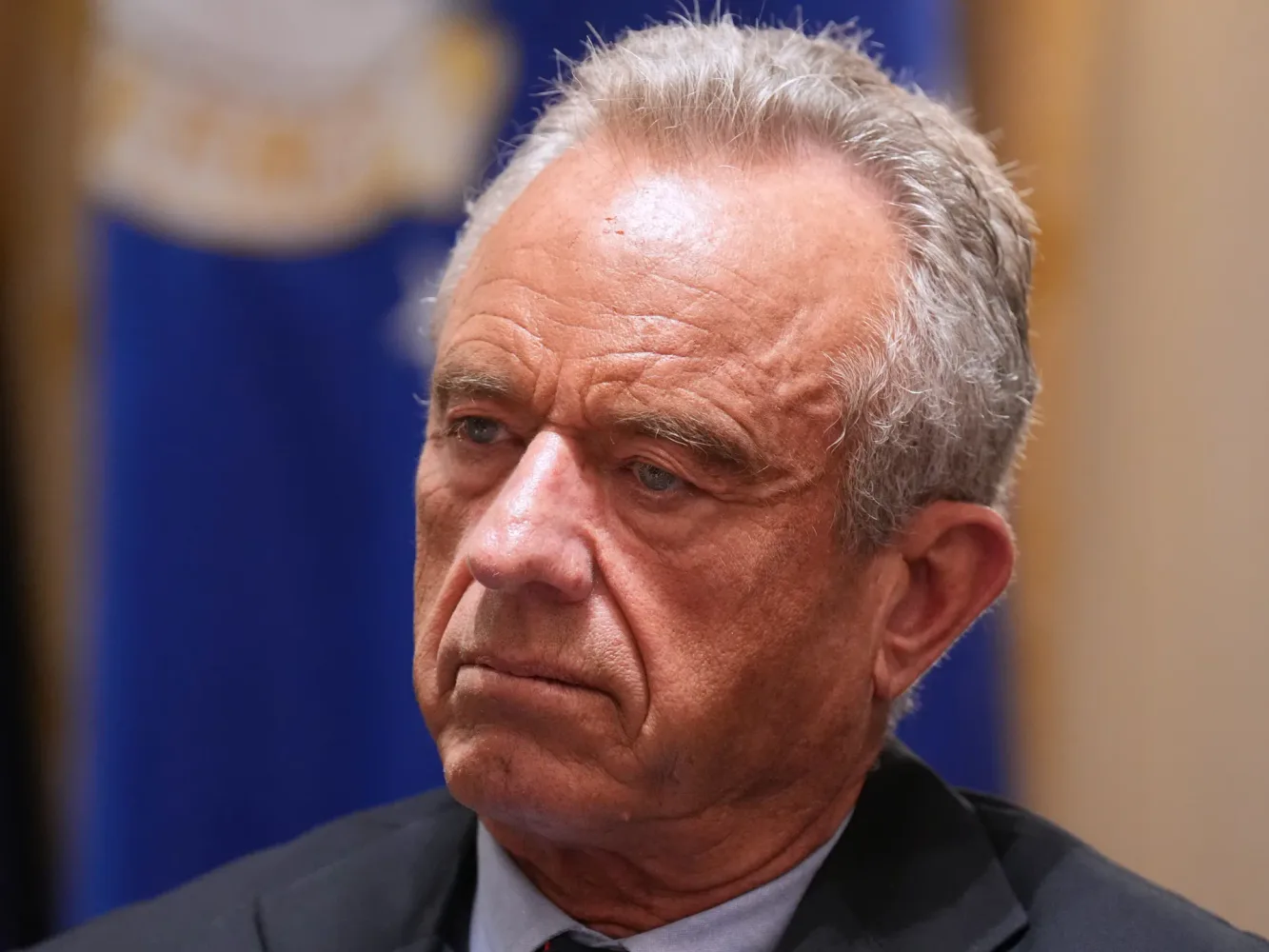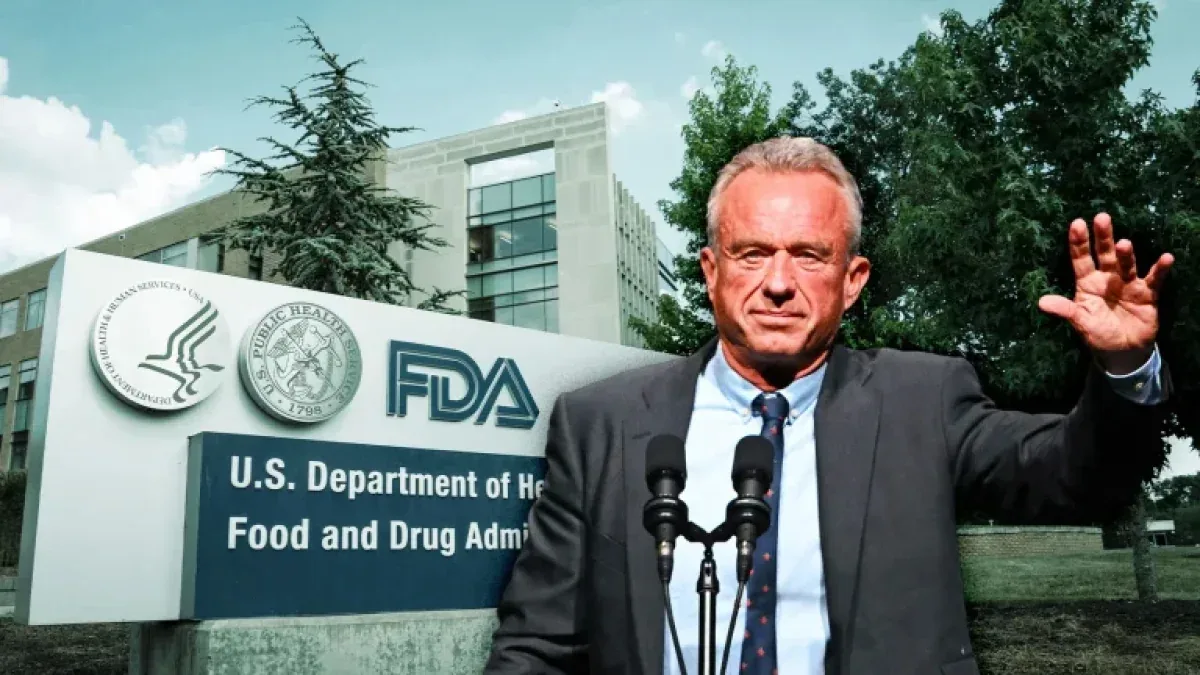

The Food and Drug Administration (FDA) made a significant decision nearly three years ago, ruling that 19 peptide drugs were too unsafe to be dispensed by compounding pharmacies. These pharmacies mix approved drug components to create tailored medications for patients. Now, under Health and Human Services Secretary Robert F. Kennedy Jr., there are moves to lift the ban on these peptides, despite a lack of supporting clinical studies regarding their safety and effectiveness. This controversy centers on RFK Jr.'s assertions that the FDA overstepped, drawing sharp rebuttals from former agency officials.
Background on the FDA Peptide Ban and Compounding Pharmacies
Compounding pharmacies play a crucial role in personalized medicine, customizing drugs for patients who cannot use commercial formulations due to allergies, dosages, or other needs. Peptides—short chains of amino acids—have gained attention for potential uses in metabolic health, fitness, anti-aging, and recovery therapies. However, in 2023, the FDA classified 19 specific peptides as posing significant health risks, prohibiting their inclusion in compounded drugs. This decision stemmed from evaluations under longstanding regulations, including those from 1962 requiring evidence of both safety and efficacy for drug approval.
The ban reflects broader concerns about peptides lacking robust human clinical data. While established peptide drugs like insulin have decades of proven safety, many newer peptides promoted for wellness lack similar scrutiny. This regulatory action aimed to protect patients from unproven formulations, especially as compounding pharmacies operate outside standard manufacturing oversight.
RFK Jr.'s Claims on the Joe Rogan Experience and Beyond
In February, Kennedy argued on "The Joe Rogan Experience" podcast that the FDA's 2023 classification of these peptides was illegal. He claimed that the agency based its decision without observing any safety signal, emphasizing their restriction to safety assessments only. Kennedy has openly supported peptide therapies, stating he personally utilizes them. His push as HHS Secretary signals potential policy shifts, prioritizing access over current restrictions amid growing public interest.
Why RFK Jr.'s Stance Resonates with Some
Proponents, including wellness advocates, view the ban as overly restrictive, arguing that regulated compounding could offer safer alternatives to unregulated sources. Kennedy's narrative frames the FDA as bureaucratic, appealing to those frustrated with slow drug approval processes.
Reactions from Former FDA Officials
Three former FDA officials have contested Kennedy's assertions, alleging he misrepresented their regulatory framework. They maintain that the FDA's decision was grounded in documented safety concerns associated with the peptides. Janet Woodcock, a former acting commissioner, emphasized that both safety and efficacy need to be assessed before a substance can be approved for compounding.
"Both safety and efficacy need to be assessed before a substance can be approved for compounding," said Janet Woodcock.
These officials underscore that the FDA did not act arbitrarily but responded to real data, countering claims of no safety signals.
Safety Concerns Driving the FDA's Peptide Ban
The FDA's restrictions highlight specific risks with these 19 peptides:
- Potential immune reactions to injectable peptides.
- Testimonies from clinical trials indicated adverse events, including fatalities, associated with certain peptides.
- Insufficient human studies for many newer peptides, unlike proven ones like insulin.
Injectable peptides can trigger hypersensitivity or other immune responses due to impurities or formulation issues in compounding. Clinical trial data revealed serious adverse events, reinforcing the need for full approval pathways. Patients considering peptides should discuss these risks with healthcare providers, monitoring for symptoms like swelling, rash, or breathing difficulties. Tools like Shotlee can assist in tracking side effects or symptoms during any peptide use.
Precision tracking for your journey
Join thousands using Shotlee to accurately track GLP-1 medications and side effects.
📱 Get the Shotlee App
Track your GLP-1 medications, peptides, and health metrics on the go with our mobile app!
Comparison to Approved Peptide Therapies
Approved peptides undergo rigorous phase 1-3 trials proving safety and efficacy. The banned ones bypass this, entering compounding without equivalent data, heightening risks compared to GLP-1 medications like semaglutide, which have extensive cardiovascular outcome trials.
Rising Demand for Peptides Amid the Ban
Despite the FDA's ruling, public demand for these drugs has surged, bolstered by social media influencers touting their benefits for fitness and aesthetics. This increased interest has led to a thriving gray market, prompting unregulated sellers like wellness spas and telehealth services to offer "research grade" peptides. These products often lack purity testing or dosing standards, amplifying dangers.
Recent Incidents Highlighting Peptide Risks
Recent incidents have raised further concerns about the safety of peptide usage. In Las Vegas, two women fell critically ill after receiving peptide injections at a conference. Although an investigation was conducted, the exact cause of their adverse reactions has not been determined. Such events underscore the perils of unregulated access, where quality control is absent.
The Regulatory Landscape for Compounding and Peptides
The FDA has historically had a slow and complicated path to regulating compounding pharmacies and the ingredients they use. A 1997 law provided the framework for compounding regulations, but controversy has continued regarding the establishment of the FDA's "bulks list"—which outlines ingredients permissible for compounding. In 2023, the FDA categorized 19 specific peptides in a way that reflects significant health risks, but Kennedy's potential changes could alter the trajectory of these regulations.
This landscape balances innovation with protection. Lifting the ban without new data could expand access but risks more adverse events, while maintaining it pushes demand underground.
The Alliance for Pharmacy Compounding's Position
The Alliance for Pharmacy Compounding is pressing for the FDA to reconsider its stance, pointing out the lack of clarity regarding the safety of these peptides. The organization argues that regulation could mitigate risks better than allowing their sale in the gray market.
What Lies Ahead for Peptide Regulation?
The pathway for these peptides remains complex, with varying opinions on their safety. Proponents argue that allowing regulated uses in compounding pharmacies could benefit public health compared to the gray market. However, many experts caution against bypassing the rigorous clinical trial processes designed to ensure drug safety.
As demand continues to grow, it remains to be seen whether Kennedy's administration will facilitate easier access to these peptides. The potential implications on health, regulation, and market dynamics warrant careful consideration as stakeholders grapple with the future of peptide therapies.
Key Takeaways for Patients and Providers
- The FDA banned 19 peptides for compounding due to safety and efficacy concerns, including immune reactions and trial fatalities.
- RFK Jr.'s push to lift the ban has drawn criticism from ex-officials like Janet Woodcock for misrepresentation.
- Gray market peptides pose high risks; stick to FDA-approved therapies.
- Discuss any peptide interest with a doctor, weighing benefits against unproven status.
- Monitor for side effects rigorously if using any experimental therapies.
What This Means for Patients: While peptides show promise, current evidence supports caution. Prioritize approved options and consult professionals before exploring compounded or research-grade products. Regulatory changes could shift access, but safety must guide decisions.
Conclusion
The debate over the FDA's peptide ban, fueled by RFK Jr.'s claims and rebuttals from former officials, highlights tensions between innovation and safety. With surging demand and real-world risks like the Las Vegas incident, balanced regulation is key. Stay informed on updates, and for related topics like GLP-1 medications or metabolic health, explore trusted resources.