
Breakthrough Findings: Tirzepatide Reduces Alcohol Intake in Rodents
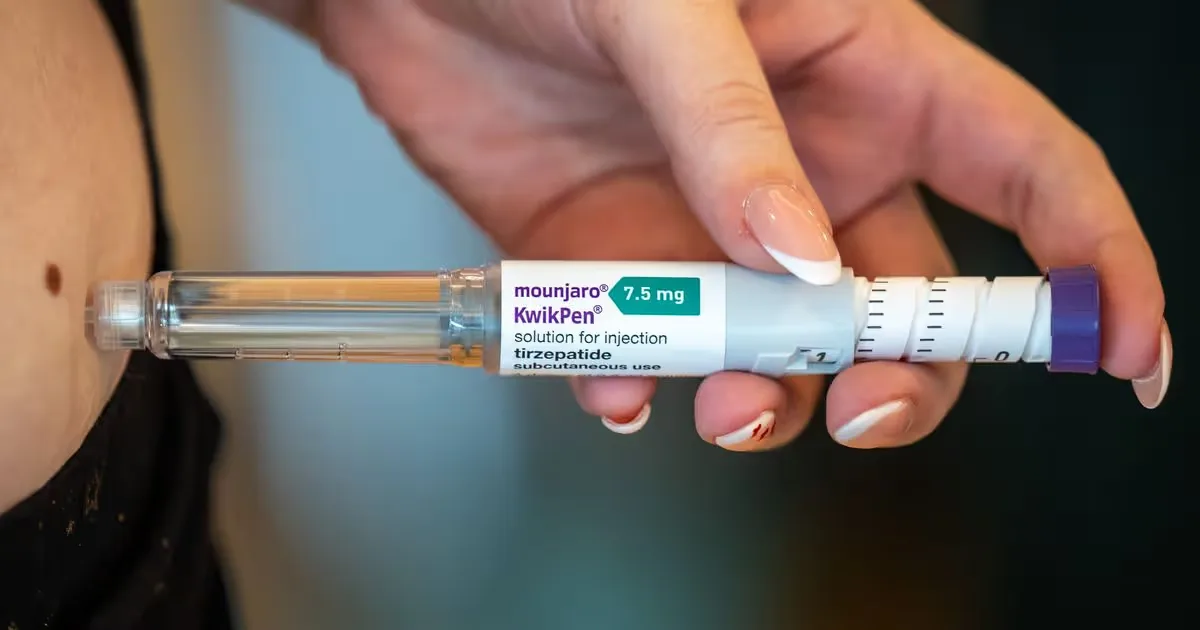
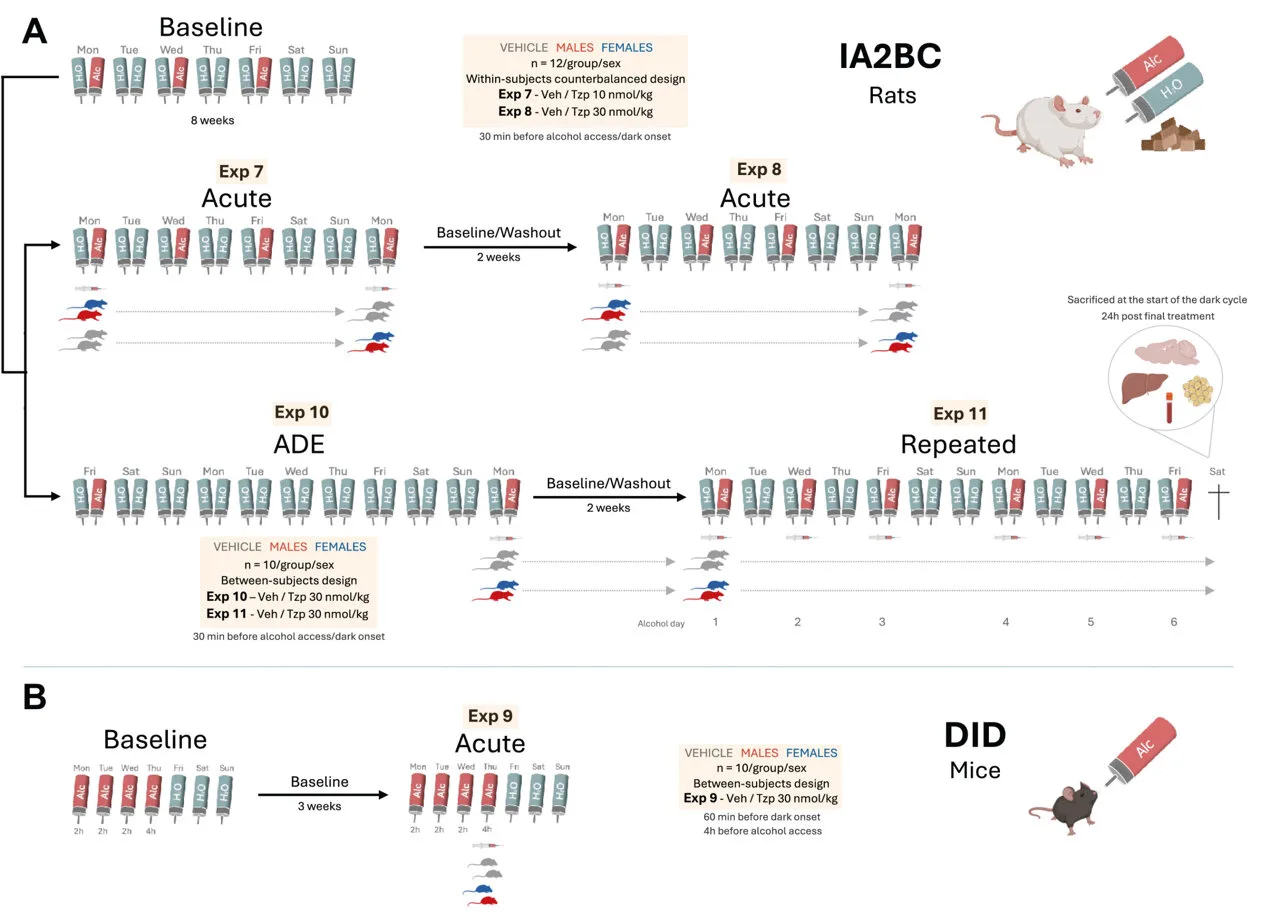
In a groundbreaking study, researchers have shown for the first time that tirzepatide—the active ingredient in the diabetes and weight-loss drug Mounjaro—significantly reduces alcohol intake as well as relapse-like behaviors in rats and mice. Published in the journal eBioMedicine, these results from the University of Gothenburg position tirzepatide as a promising candidate in the ongoing search for new treatments for alcohol use disorder (AUD). Voluntary alcohol consumption fell by more than half in animals treated with tirzepatide, and the drug also prevented relapse-like drinking. After a period without alcohol, the animals did not increase their drinking; instead, it decreased compared with earlier levels.
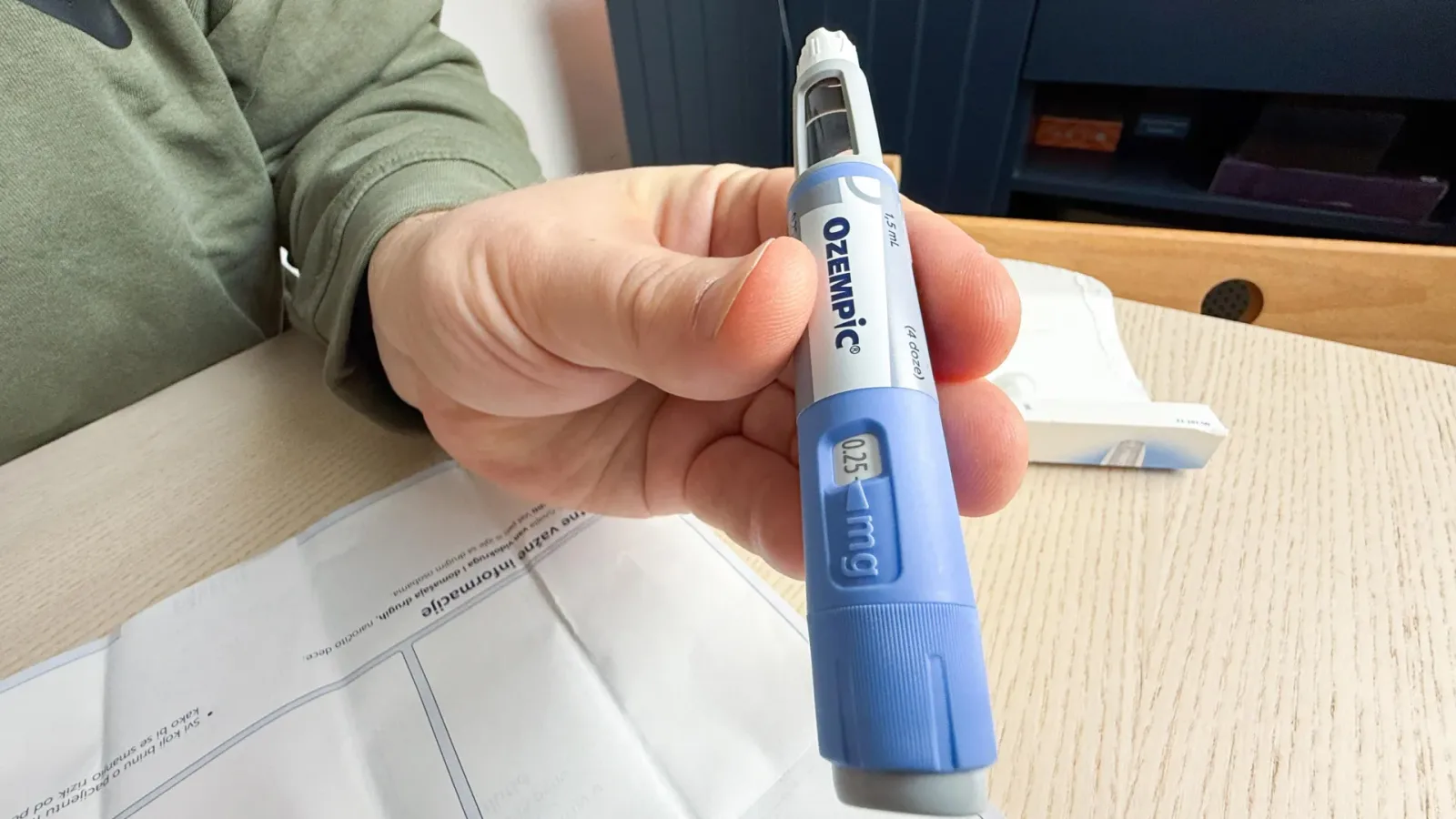
This research builds on previous work from the same team, which demonstrated that semaglutide, found in the diabetes and weight-loss drugs Ozempic and Wegovy, reduces alcohol consumption in rats. The shift to tirzepatide in this study underscores the potential of dual-agonist therapies in addressing not just metabolic conditions but also addictive behaviors.
Study Details and Key Results
The study, conducted by researchers at the University of Gothenburg in collaboration with colleagues at the Medical University of South Carolina, combined intake and behavioral tests with measurements of neurotransmitter levels in the brain and molecular analyses. "We observed clear and robust reductions in long-term alcohol consumption, binge-like drinking, and relapse-like drinking in both male and female animals," says Christian Edvardsson, a doctoral student in pharmacology at the Sahlgrenska Academy, University of Gothenburg. "What makes this study particularly compelling is that it also provides new insight into how this class of drugs may influence the brain's reward system."
Effects on Alcohol Consumption and Relapse
- Voluntary alcohol consumption: Reduced by more than half in treated rodents.
- Binge-like drinking: Significantly curtailed.
- Relapse-like behaviors: Prevented, with post-abstinence drinking levels lower than baseline.
These consistent effects across both sexes highlight the drug's broad applicability in preclinical models of AUD.
How Tirzepatide Works: Blunting Alcohol's Rewarding Effects
Tirzepatide is the first medication approved as a dual agonist at receptors for the satiety hormones GIP (glucose-dependent insulinotropic polypeptide) and GLP-1 (glucagon-like peptide-1). Primarily used for type 2 diabetes treatment and widely prescribed for weight loss under the brand Mounjaro, its safety profile has been extensively studied in clinical practice, paving the way for exploring off-label applications like AUD.
In this study, researchers found that tirzepatide attenuated alcohol-induced effects on dopamine, a key neurotransmitter in the brain's reward system that drives alcohol's reinforcing properties. This blunting effect appears mediated, at least in part, through the lateral septum, a brain region implicated in motivation, reward, and relapse in both animals and humans. The findings provide a neurobiological explanation for earlier observations that GLP-1 receptor agonists reduce alcohol consumption and craving.
Molecular Insights in the Lateral Septum
Additionally, the study identified changes in histone-related proteins in the lateral septum, which influence gene expression by determining whether genes are switched on or off. Such alterations have been previously linked to substance use and addiction. While these changes do not directly cause the reduction in alcohol intake, they suggest tirzepatide affects broader biological mechanisms underlying addiction.
Understanding these pathways is crucial because the brain's reward system, particularly dopamine signaling, is central to why alcohol is addictive. By targeting GIP and GLP-1 receptors, tirzepatide may normalize dysregulated reward processing, reducing the appeal of alcohol without broadly impairing other pleasures.
Precision tracking for your journey
Join thousands using Shotlee to accurately track GLP-1 medications and side effects.
📱 Get the Shotlee App
Track your GLP-1 medications, peptides, and health metrics on the go with our mobile app!
Clinical Context: Why These Rodent Findings Matter for Humans
Alcohol use disorder affects millions worldwide, characterized by compulsive drinking despite harmful consequences. Current treatments like naltrexone, acamprosate, and disulfiram have modest efficacy, with relapse rates exceeding 50% within a year. GLP-1/GIP agonists like tirzepatide offer a novel approach by addressing both metabolic and neurological aspects of addiction.
Prior human observational data and smaller trials with semaglutide have hinted at reduced alcohol use in patients treated for obesity or diabetes. This tirzepatide study in rodents strengthens the preclinical foundation, suggesting similar mechanisms could translate to humans given the conserved role of the lateral septum across species.
Comparison to Semaglutide and Other GLP-1 Agonists
Unlike semaglutide, which primarily targets GLP-1 receptors, tirzepatide's dual GIP/GLP-1 action may enhance its effects on reward pathways. Both drugs show promise, but tirzepatide's potency in weight loss trials (up to 20% body weight reduction) correlates with stronger preclinical anti-alcohol effects here. Other GLP-1 agonists like liraglutide have shown mixed results in AUD models, positioning tirzepatide as potentially superior.
Safety Profile and Considerations for Patients
Tirzepatide's extensive clinical data from diabetes and obesity trials reveal a well-characterized safety profile. Common side effects include gastrointestinal issues (nausea, vomiting, diarrhea), which are typically mild and diminish over time. Serious risks like pancreatitis or thyroid tumors are rare, monitored via ongoing studies.
For individuals with AUD interested in GLP-1 therapies, this is not yet a new treatment. "This is not yet a new treatment for alcohol use disorder. But the findings reinforce the view that drugs targeting these neural systems may be relevant to investigate further as potential treatment options," says Elisabet Jerlhag Holm, Professor of Pharmacology at the Sahlgrenska Academy, University of Gothenburg.
Patients should consult healthcare providers before considering off-label use. Discuss personal AUD history, metabolic health, and monitor for interactions. Tools like Shotlee can assist in tracking symptoms, side effects, or medication adherence during trials.
Implications for Future AUD Treatments
These results open doors to clinical trials repurposing tirzepatide for AUD, potentially combining it with behavioral therapies. The focus on relapse prevention addresses a key unmet need, as most users struggle post-detox. Broader implications extend to other substance use disorders, given shared reward circuitry.
Key Takeaways
- Tirzepatide (Mounjaro) cut alcohol intake by >50%, binge drinking, and relapse in rodents.
- Mechanisms involve dopamine blunting in the lateral septum and histone changes.
- Builds on semaglutide findings; dual GIP/GLP-1 action may enhance effects.
- Safety profile supports further AUD research, but not approved for this use yet.
- Patients: Talk to your doctor about GLP-1 options for co-occurring metabolic/AUD issues.
What This Means for Patients and Researchers
For those battling AUD alongside obesity or type 2 diabetes, tirzepatide represents hope for multifaceted treatment. Researchers should prioritize human trials to validate these effects. Stay informed on GLP-1 developments in addiction medicine.
In summary, this eBioMedicine study preserves the excitement around tirzepatide's potential while emphasizing the need for cautious translation from rodents to real-world therapy. Monitor upcoming trials for updates on tirzepatide and alcohol use disorder.