
Rhode Island's Health Goals vs. Budget Cuts: The GLP-1 Dilemma
Rhode Island has earned national acclaim for its proactive public health initiatives, consistently striving to improve the well-being of its residents and address health disparities. A prime example is the Rhode Island Department of Health's 2022 strategic plan, a five-year roadmap designed to boost access to nutritious food and encourage active living, directly confronting the escalating rates of obesity across the state.
These efforts are not just about individual health; they represent a smart investment in the state's future. When Rhode Islanders adopt healthier lifestyles, their personal health improves, leading to a significant reduction in overall healthcare costs for the state. It is precisely because of this critical link between public health and fiscal responsibility that the National Consumers League has expressed profound concern over Governor Dan McKee's fiscal year 2027 budget proposal. This proposal seeks to eliminate Medicaid coverage for GLP-1 (Glucagon-Like Peptide-1) medications specifically prescribed for obesity treatment.
The Governor's Rationale and Legislative Action
Governor McKee's administration views the elimination of GLP-1 coverage as a necessary step to balance the state budget and curb rising expenditures. State lawmakers have echoed this sentiment, approving a budget that restricts Medicaid coverage for these powerful medications to only individuals diagnosed with Type 2 diabetes. This legislative action is projected to save the state $20.3 million in the upcoming fiscal year, with $6.3 million of those savings coming directly from general revenues.
While the immediate financial impact of these savings is undeniable, the National Consumers League and other advocates argue that this decision is short-sighted. They contend that the long-term consequences of untreated obesity will far outweigh any immediate budgetary relief, leading to poorer health outcomes and substantially greater medical costs down the line.
The True Cost of Untreated Obesity
Obesity is not merely a cosmetic concern; it is a complex chronic disease that significantly exacerbates the risk and severity of over 230 other health conditions. These include, but are not limited to, cardiovascular diseases, type 2 diabetes, certain cancers, sleep apnea, osteoarthritis, and fatty liver disease. By withholding access to effective obesity treatments like GLP-1s for those who medically qualify, Rhode Island risks a cascade of escalating healthcare needs.
The current annual spending on obesity care in Rhode Island is estimated at approximately $96 million. However, experts predict that the downstream costs of managing the complications arising from untreated obesity could soar to an estimated $218 million annually. This figure accounts for increased needs such as:
- More frequent and complex knee and hip replacements due to joint stress.
- Expanded treatments for sleep apnea, a common obesity-related condition.
- Greater reliance on glucose monitors and diabetes management supplies.
- Increased interventions for heart disease, including the need for heart stents.
- Higher rates of hospitalizations and emergency room visits for obesity-related complications.
These are not hypothetical scenarios; they represent the predictable and costly trajectory of untreated chronic disease. The proposed budget cuts, therefore, represent a false economy, trading immediate savings for a future burdened by significantly higher healthcare expenditures and diminished public health.
The Risk of a Two-Tiered Healthcare System
Beyond the fiscal implications, the elimination of Medicaid coverage for GLP-1 obesity treatments raises profound ethical concerns about equity and access to care. This decision could inadvertently create a two-tiered healthcare system within Rhode Island. Individuals with private insurance, who are more likely to have coverage for these advanced treatments, will have access to potentially life-changing therapies for obesity. Meanwhile, medically underserved populations relying on Medicaid could be left without these crucial options, potentially leading to a widening gap in health outcomes.
Precision tracking for your journey
Join thousands using Shotlee to accurately track GLP-1 medications and side effects.
📱 Get the Shotlee App
Track your GLP-1 medications, peptides, and health metrics on the go with our mobile app!
This disparity is particularly troubling given that individuals from lower socioeconomic backgrounds often face a higher prevalence of obesity and related health issues due to a complex interplay of factors, including limited access to healthy foods, safe environments for physical activity, and comprehensive healthcare. Denying them access to effective treatments based on their insurance status exacerbates existing health inequities.
Understanding GLP-1 Medications for Weight Management
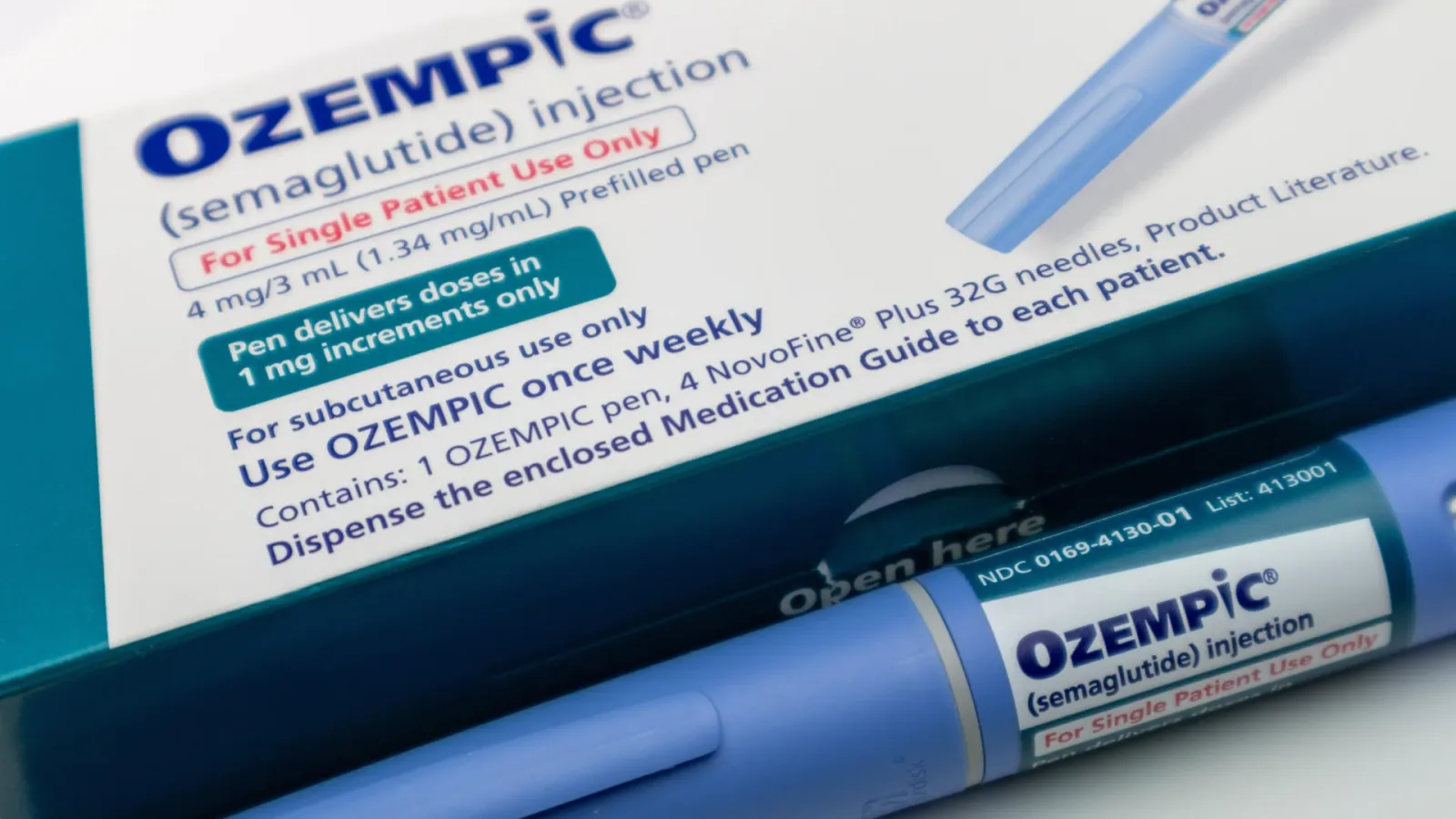
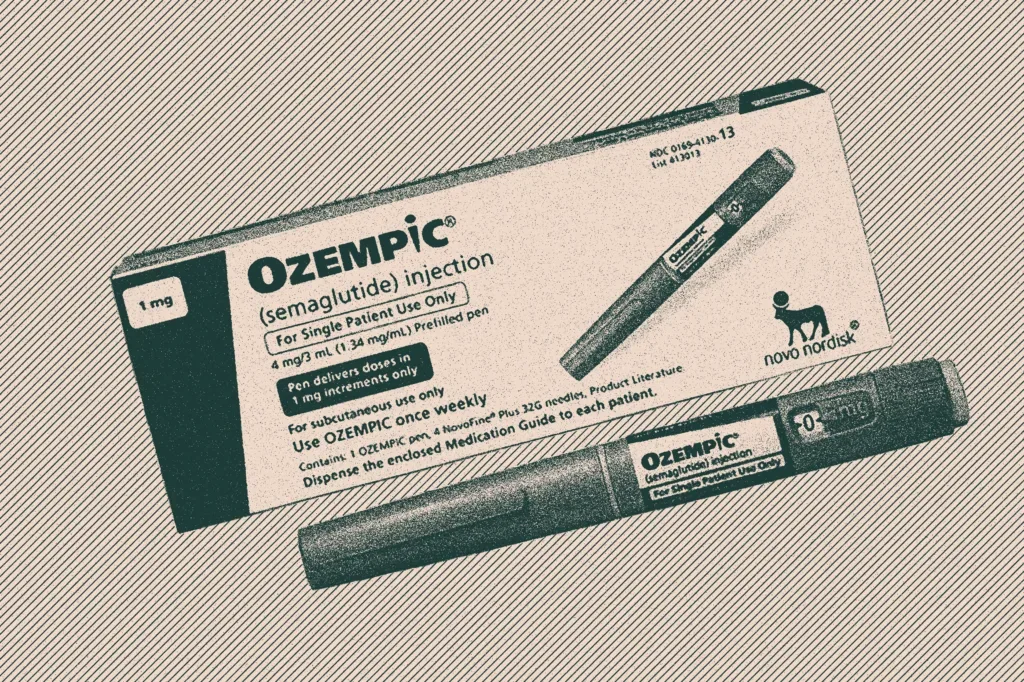
GLP-1 receptor agonists, such as semaglutide (found in Ozempic and Wegovy) and tirzepatide (found in Mounjaro and Zepbound), have emerged as significant advancements in the medical management of obesity. These medications work by mimicking the action of the natural GLP-1 hormone, which plays a crucial role in regulating appetite and blood sugar levels.
How GLP-1s Work
- Appetite Regulation: They help individuals feel fuller for longer, reducing overall calorie intake and cravings.
- Blood Sugar Control: They improve insulin sensitivity and reduce glucose production by the liver, which is beneficial for individuals with or at risk of Type 2 diabetes.
- Delayed Gastric Emptying: They slow down the rate at which food leaves the stomach, contributing to increased satiety.
When prescribed as part of a comprehensive weight management program that includes dietary changes and increased physical activity, these medications have demonstrated significant and sustained weight loss in clinical trials. This weight loss is associated with substantial improvements in various health markers, including blood pressure, cholesterol levels, and glycemic control, ultimately reducing the risk of obesity-related complications.
The Case for Continued Medicaid Coverage
The National Consumers League, alongside local advocates, is urging Rhode Island's General Assembly to reconsider the governor's budget proposal and maintain Medicaid coverage for GLP-1 obesity treatments. The argument is clear: investing in effective obesity treatment now will yield substantial long-term benefits, both in terms of improved public health and reduced overall healthcare costs.
Key Considerations for Rhode Island
When considering the future of GLP-1 coverage, it's important to look at the data and the potential impact:
| Aspect | Current Situation (Proposed Cut) | Long-Term Impact (Continued Coverage) |
|---|---|---|
| Short-Term Savings | Estimated $20.3 million (including $6.3M general revenue) | Minimal immediate savings |
| Obesity Care Costs | Current $96 million/year | Potential reduction through effective treatment |
| Complication Costs | Projected $218 million/year (untreated obesity) | Significant reduction through prevention and management |
| Health Outcomes | Worsening of chronic diseases, reduced quality of life | Improved health, reduced disease burden, enhanced quality of life |
| Equity | Risk of two-tiered system, exacerbating disparities | More equitable access to effective treatment |
The decision to cover or deny coverage for GLP-1s for obesity is not just a budgetary line item; it is a policy choice with profound implications for the health and economic future of Rhode Island. For individuals managing their weight and health journey, leveraging tools like the Shotlee app can be invaluable for tracking medication adherence, monitoring symptoms, and logging progress, providing crucial data to share with healthcare providers.
Conclusion: A Call for Prudent Investment in Health
While fiscal responsibility is paramount, it must be balanced with a clear understanding of long-term health economics. Governor McKee's proposal to eliminate Medicaid coverage for GLP-1 obesity treatments represents a short-sighted approach that prioritizes immediate savings over sustained public health and economic well-being. The National Consumers League urges Rhode Island's General Assembly to recognize the significant health benefits and potential cost savings associated with treating obesity effectively. Maintaining coverage for GLP-1s is not just a matter of compassion; it is a prudent investment in the health of Rhode Islanders and the future financial stability of the state.