
The Challenge of GLP-1 Discontinuation
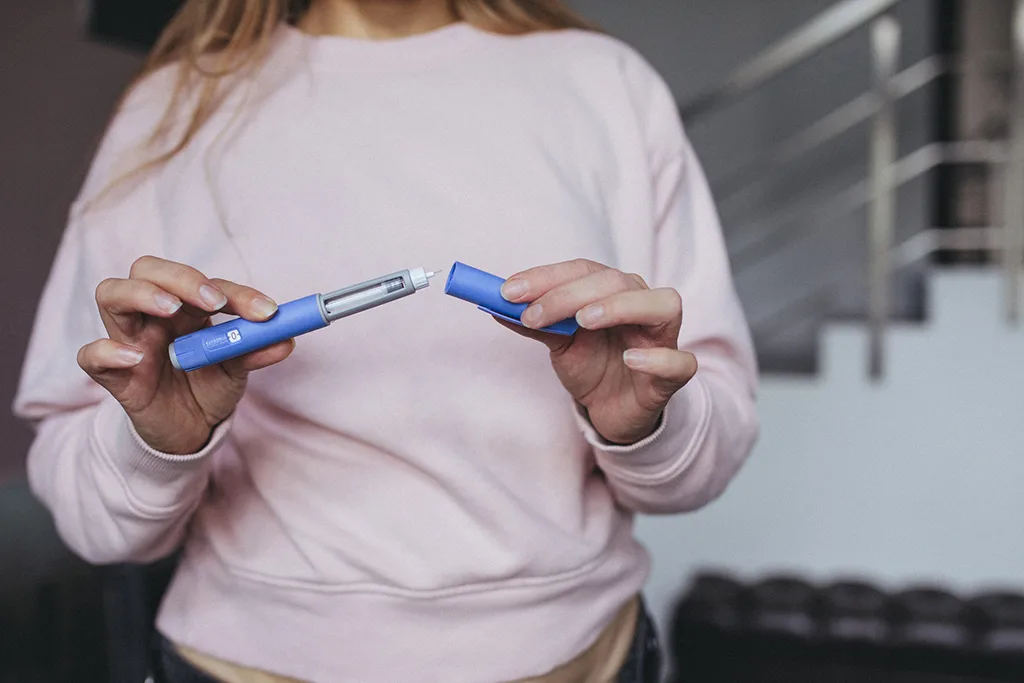
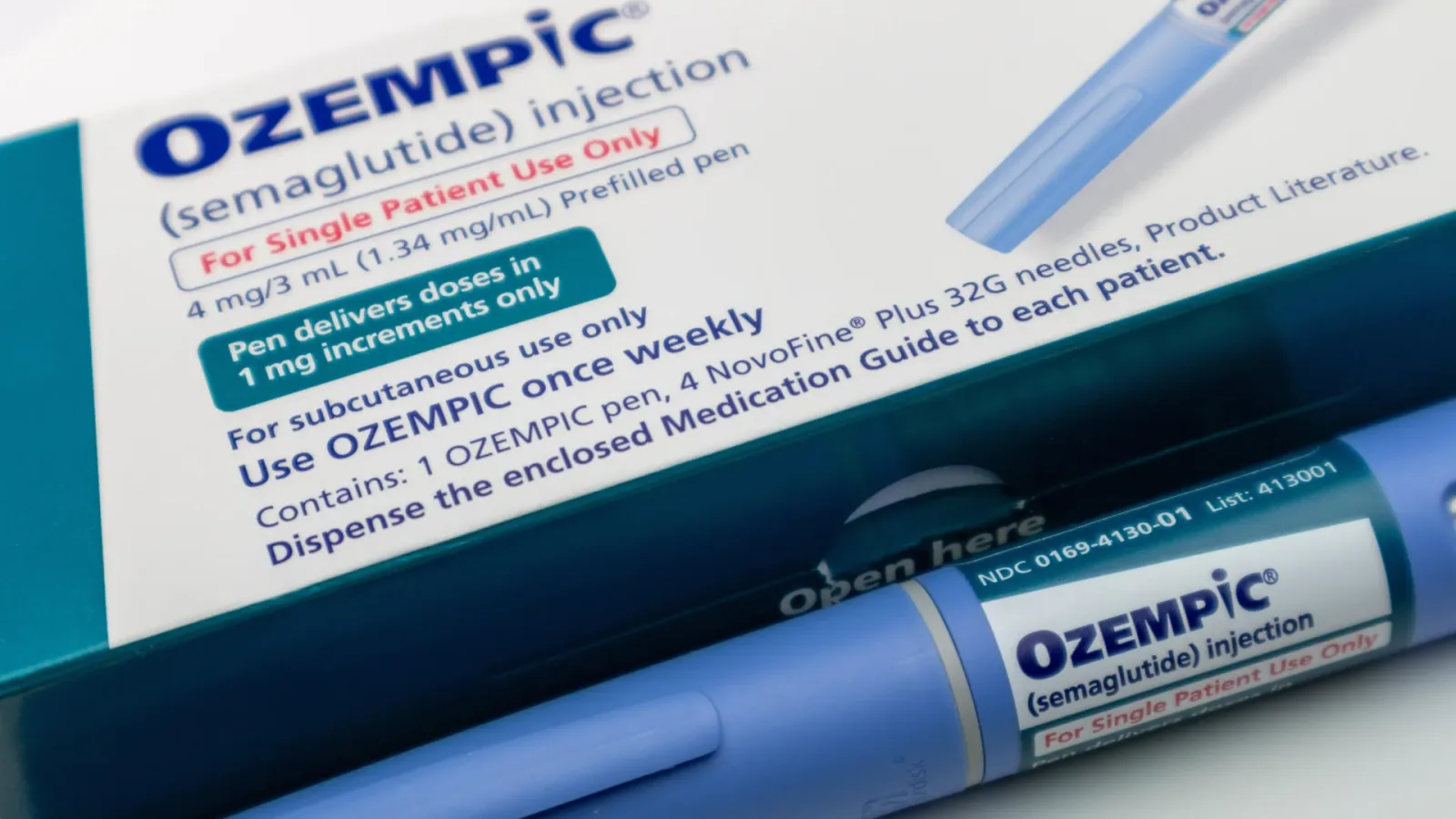
The rise of GLP-1 receptor agonists like semaglutide (Ozempic, Wegovy) and tirzepatide (Mounjaro) has revolutionized obesity treatment. However, a significant clinical challenge remains: what happens when a patient stops the medication? Studies indicate that approximately 70% of individuals experience weight rebound within 18 months of cessation. This cycle of weight loss and regain can be physically and emotionally taxing.
Recent data presented at the 2026 Digestive Disease Week (DDW) suggests a potential breakthrough. Researchers are exploring duodenal mucosal resurfacing (DMR) as a minimally invasive way to 'reset' the metabolism and prevent weight regain after discontinuing peptide therapy.
What is Duodenal Mucosal Resurfacing?
DMR is an investigational endoscopic procedure that targets the duodenum—the first section of the small intestine. Experts believe that high-sugar, high-fat diets cause the duodenal lining to thicken, which disrupts hormone signaling and contributes to insulin resistance. By using targeted heat to ablate the unhealthy inner mucosal lining, the procedure stimulates the growth of new, healthy tissue.
As Dr. Shelby Sullivan, lead author of the REMAIN-1 trial, notes, this procedure aims to rejuvenate the gut biology. By resetting how the body processes nutrients, patients may maintain the metabolic benefits achieved during their time on GLP-1 medications.
Precision tracking for your journey
Join thousands using Shotlee to accurately track GLP-1 medications and side effects.
📱 Get the Shotlee App
Track your GLP-1 medications, peptides, and health metrics on the go with our mobile app!
Promising Results from the REMAIN-1 Trial
The REMAIN-1 trial provides the first blinded, randomized, sham-controlled evidence for this intervention. The study followed participants who had already lost at least 15% of their body weight using tirzepatide. Six months after stopping the medication, the results were striking:
- Weight Maintenance: Participants who underwent the resurfacing procedure regained significantly less weight compared to the sham group.
- Durable Effects: Those with more extensive resurfacing maintained over 80% of their initial weight loss.
- Safety Profile: No serious complications were reported, and recovery time was minimal, allowing patients to return to their daily routines within 24 hours.
Integration with Health Tracking
Whether you are currently on a GLP-1 regimen or transitioning off, consistency is key. Using tools like Shotlee to track your progress, nutritional intake, and metabolic markers is essential for long-term success. Even with medical interventions like DMR, data-driven insights into your body's response remain the gold standard for sustainable health.
Conclusion
While GLP-1 medications have changed the landscape of obesity medicine, the future lies in combining these therapies with procedures that offer lasting, drug-free results. Duodenal mucosal resurfacing represents a promising frontier in metabolic health, potentially offering a way to lock in hard-earned weight loss results permanently.
FAQ
- Q: Is duodenal mucosal resurfacing currently available? A: No, it is an investigational procedure currently undergoing clinical trials.
- Q: How does it help after stopping GLP-1s? A: It rejuvenates the duodenal lining, which may reset metabolic signaling pathways disrupted by obesity.
- Q: Is the procedure painful? A: It is performed under anesthesia, and patients typically experience minimal symptoms post-procedure.
- Q: Does this replace the need for diet and exercise? A: No, it is intended to be a metabolic aid alongside healthy lifestyle choices.
- Q: How can I track my GLP-1 journey? A: Utilizing comprehensive health tracking platforms like Shotlee helps you monitor your progress and maintain accountability.