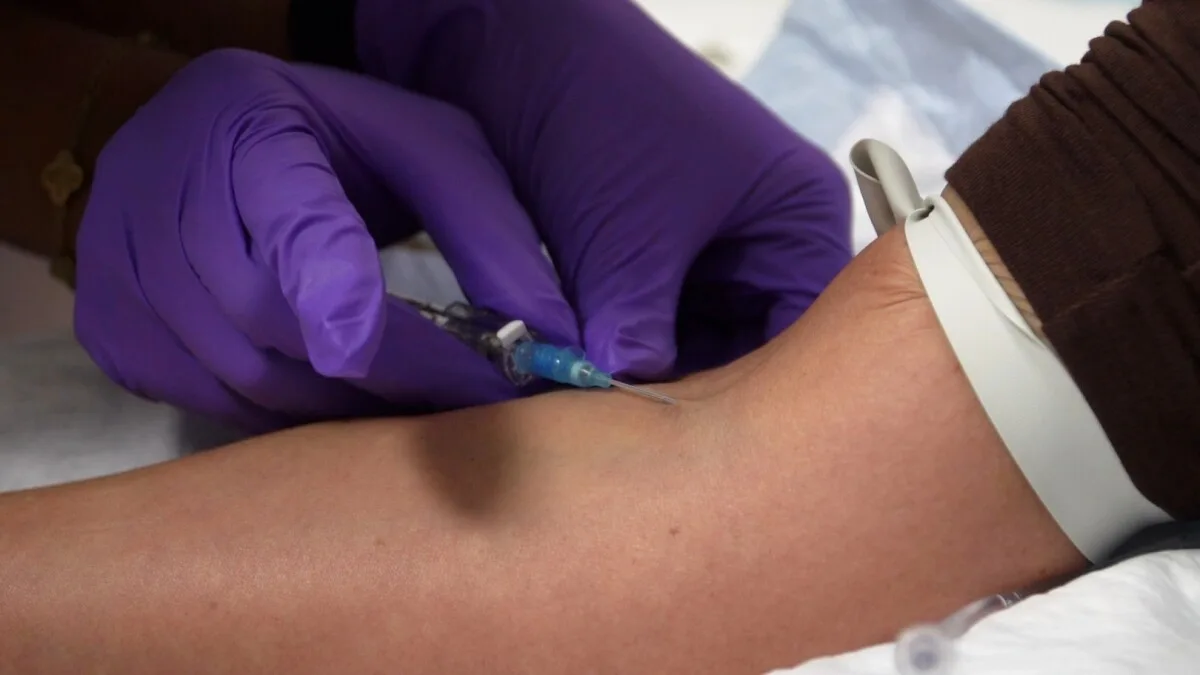

The world of ultra-running recently found itself at the epicenter of anti-doping discussions following a public admission by a record-breaking athlete regarding the use of a substance now under scrutiny. This revelation has sparked a fervent online debate concerning which substances should be officially prohibited by anti-doping agencies and to whom these regulations should apply. Given the interconnected nature of endurance sports, this conversation naturally extends to triathlon and other disciplines.
What is Peptide BPC-157 and Why is it Controversial?
At the heart of the ultra-running controversy is a peptide known as BPC-157. This substance is a synthetic pentadecapeptide originally derived from gastric juice. Despite its origin, our understanding of BPC-157 is remarkably limited; there is scant reliable information available regarding its benefits, mechanisms of action, and potential side effects. A comprehensive systemic review projected for 2025 has identified only one human study involving just 12 participants. The 35 other studies conducted on BPC-157 have exclusively used animal models. These animal studies suggest that BPC-157 may lead to “improved outcomes in muscle, tendon, ligament, and bone injury models.”
According to Dr. Christopher Raffo of Maryland Orthopedic Specialists, BPC-157 appears to operate through several pathways that could aid in healing musculoskeletal injuries. These include:
- Promoting the growth of new blood vessels (angiogenesis).
- Enhancing collagen production, a key component of connective tissues.
- Reducing inflammation, which is crucial for the healing process.
- Supporting the function of muscles and nerves.
Dr. Raffo highlights the particular relevance of these combined effects for orthopedic applications, noting that many common musculoskeletal injuries, such as Achilles tendon ruptures, rotator cuff tears, and chronic tendinopathies, occur in areas with inherently limited blood flow, making healing a slow and challenging process. However, it is critical to emphasize that BPC-157 is not approved by the FDA for human therapeutic use. It is often available for purchase online labeled “for research purposes only,” placing it in a significant regulatory gray area. While it may be legally obtainable, there is no guarantee of standardization, a risk of contamination, and unknown long-term consequences for human health.
Why is BPC-157 Prohibited by WADA?
Due to its lack of FDA approval and the absence of robust human safety and efficacy data, BPC-157 is classified by the World Anti-Doping Agency (WADA) under class S-0 of the Prohibited List. This designation means its use is forbidden at all times, both in and out of competition. The WADA Code explicitly states that “Any pharmacological substance which is not addressed by any of the subsequent sections of the List and with no current approval by any governmental regulatory health authority for human therapeutic use (e.g. drugs under pre-clinical or clinical development or discontinued, designer drugs, substances approved only for veterinary use) is prohibited at all times.” In essence, while BPC-157 might show promise for healing orthopedic injuries in animal models, its unapproved status in humans makes it a banned substance under WADA regulations.
How Did BPC-157 Usage Emerge in Ultra-Running?
The presence of BPC-157 in ultra-running came to prominence when athlete Mike McKnight publicly disclosed on a podcast that he had used the peptide to avoid surgery for a herniated disc. McKnight, who has achieved significant results in major ultra-marathons, including a course record at the Arizona Monster 300 and top finishes at Cocodona 250, explained that he had scheduled back surgery after sustaining the injury. He stated that friends recommended BPC-157, and after receiving guidance from a nurse, he administered the peptide. He reported experiencing substantial improvement within the first week and felt nearly 100% recovered by the time his surgery was scheduled, leading him to cancel the procedure.
McKnight acknowledged his lack of awareness that BPC-157 was on WADA's Prohibited List. However, he also expressed no regret, emphasizing that the peptide allowed him to avoid surgery and continue his passion for running. He stated his willingness to face consequences, including potential bans, while remaining committed to his sport. Notably, podcast host Cam Hanes had also previously admitted to using BPC-157 to aid recovery from a foot injury, an application aligning with the potential benefits suggested by Dr. Raffo for musculoskeletal healing. Unlike McKnight, Hanes competes in an age-group category and is not typically a contender for overall race victories.
The Three Camps in the Ultra-Running Debate
The revelations surrounding BPC-157 use have divided the ultra-running community into distinct viewpoints. The first camp, represented by athletes like Sage Canaday, advocates for strict adherence to WADA regulations. This perspective holds that any athlete admitting to the use of a prohibited substance, regardless of intent, should face penalties. This group also emphasizes the athlete's responsibility to be aware of anti-doping rules, with resources available to help them understand WADA's guidelines.
A second viewpoint centers on the perceived therapeutic benefits of BPC-157. Proponents of this view argue that athletes like McKnight and Hanes used the peptide for legitimate medical reasons to treat injuries, rather than for performance enhancement. This distinction between medical treatment and doping is a key point of contention.
The third camp differentiates based on an athlete's competitive status. This perspective suggests that professional racers and coaches, like McKnight, should be held to a higher standard than age-group athletes, such as Hanes, even if the latter has a significant public profile. This nuanced approach acknowledges that not all athletes compete for the same stakes or with the same resources.
Precision tracking for your journey
Join thousands using Shotlee to accurately track GLP-1 medications and side effects.
📱 Get the Shotlee App
Track your GLP-1 medications, peptides, and health metrics on the go with our mobile app!
How Does WADA Apply to Triathlon and Other Endurance Sports?
The debate in ultra-running directly raises a crucial question: where should the line be drawn regarding WADA Code applicability across different levels of athletes? Currently, any participant in a sanctioned event falls under the WADA Code, much like they are subject to rules on drafting or equipment. By this strict interpretation, both McKnight and Hanes could face bans, irrespective of their motivations or health outcomes.
Outside of dedicated sports news circles, many triathletes express surprise that even common medical treatments, including over-the-counter medications, are prohibited in competition. The regulation of treatments like hormone replacement therapy, which individuals might receive from their doctors, is often a point of astonishment. A past instance involved Andrew Starykowicz receiving a ban in 2020 for medication taken during an infection.
It is plausible that age-group triathletes might be using substances like BPC-157. However, it would be highly unexpected to find professional triathletes engaging in such practices, given the extensive testing protocols employed by various sporting organizations. The number of tests conducted by USADA on Mountain, Ultra, and Trail athletes since 2023 totals 175; in contrast, triathlon has seen five times that number of tests from USADA alone during the same period, highlighting a significant disparity in anti-doping enforcement.
Categorizing Athletes Under WADA Regulations
To navigate these complexities, it's helpful to consider three distinct categories of athletes participating in endurance sports:
- Professional/Elite License Holders: These athletes are expected to adhere to the strictest interpretation of the WADA Code. The anti-doping framework was largely established to ensure fair competition at the highest levels, stemming from incidents like the Festina Affair in the 1998 Tour de France.
- Competitive Age-Group Athletes: This group includes individuals who may be winning local races, vying for qualification spots at major events like the IRONMAN World Championship, or competing at national and international levels. Some may be on a path toward professional status. Historically, there have been calls for race organizers to invest more in anti-doping efforts for this segment, potentially through opt-in systems for championship qualifications, which would signify agreement to stricter WADA Code adherence.
- Participatory Athletes: These are athletes who complete events within broader timeframes, often representing the financial backbone of many sports. Their primary motivation may be personal achievement or completing a bucket-list item, rather than competitive placing. There is a valid question about whether applying the same stringent WADA standards to this group is always appropriate or beneficial to the sport's ecosystem.
There is a degree of sympathy for the perspective that distinguishes between athletes striving for elite status or championship qualifications and those participating purely for personal fulfillment. Rules regarding aspects like running with family members or drafting could potentially be relaxed for recreational athletes without compromising the integrity of the sport. However, when it comes to experimental treatments like BPC-157, a cautious approach is warranted, particularly until more robust human trials and FDA approval are achieved. For now, the prohibition of such unapproved treatments should remain.
What are the Implications for Professional and Age-Group Athletes?
Ultimately, the consensus leans towards some form of sanction for athletes like McKnight and Hanes. McKnight, as a professional, cannot claim ignorance of the WADA Code, which he is subject to. Hanes' situation is more complex; his strong performance in a recent marathon may place him in the “elite amateur” category, thus warranting a higher standard of adherence. However, the current rulebooks may need refinement to better reflect the realities of modern medical care and diverse athletic statuses. Professionals and elite amateurs should undoubtedly face the strictest standards regarding unapproved treatments. For recreational athletes, however, a different approach might be more suitable. The precise demarcation of this line remains a subject for ongoing discussion, but the prohibition of unapproved treatments should persist.
Practical Takeaways for Athletes
The ongoing debate highlights the importance of understanding and adhering to anti-doping regulations, regardless of your competitive level. Athletes considering any form of treatment or supplement should proactively research its status with WADA and relevant sporting federations. Utilizing health tracking tools, like those offered by Shotlee, can help athletes meticulously record their training, nutrition, and any treatments or supplements they are using, providing a clear and organized history that can be crucial for accountability and transparency.
Table: Athlete Categories and WADA Code Applicability
| Athlete Category | WADA Code Applicability | Considerations |
|---|---|---|
| Professional/Elite | Strict Adherence Required | Highest level of scrutiny; responsible for full knowledge of prohibited substances. |
| Competitive Age-Group | Generally Required (especially for championship qualifiers) | May require opt-in for stricter enforcement; pathway to elite status implies higher standards. |
| Participatory/Recreational | Debatable; potential for leniency on non-performance-enhancing rules | Focus on personal achievement; strictness on experimental treatments still advised. |
Conclusion
The controversy surrounding BPC-157 in ultra-running underscores a growing tension between therapeutic use, athlete autonomy, and the integrity of competitive sports. While peptides like BPC-157 may offer promising avenues for healing musculoskeletal injuries, their current status as unapproved substances places them firmly on WADA’s Prohibited List. The debate over athlete classification and the extent to which different categories should be held to the same anti-doping standards is complex and ongoing. As endurance sports continue to evolve, a clearer framework is needed to address the nuanced realities of medical treatments and athletic participation, ensuring fair play while also acknowledging the diverse motivations of athletes across all levels.