
Peptide Boom: Legal Loophole Fuels Unregulated Injectables Rise
The surge in unregulated peptides sold online as "research only" products has sparked urgent calls for regulatory review from the National Pharmacy Association. These injectable substances, popular among fitness influencers, beauty gurus, and wellness enthusiasts, are marketed with disclaimers stating they are not for human consumption—yet thousands promote and self-inject them anyway. This grey market phenomenon highlights a critical gap in oversight for peptides, short chains of amino acids that serve as chemical messengers in the body.
What Are Peptides and Why the Boom?
Peptides are short chains of amino acids, the building blocks of proteins, functioning as signaling molecules that influence various bodily processes like healing, metabolism, and hormone regulation. While regulated peptide-based medicines such as Wegovy, Ozempic, and Mounjaro are FDA-approved (or equivalent) for treating diabetes, hormone disorders, and obesity, many circulating online— including Retatrutide, BPC-157, TB-500, Melanotan 2, and GHK-Cu—lack approval.
The appeal stems from promises of accelerated recovery, weight loss, anti-aging, and cosmetic enhancements. In fitness and combat sports circles, peptides like BPC-157 and TB-500 are dubbed the "Wolverine stack" for purported rapid tissue repair. Social media amplifies this, portraying idealized body compositions that drive demand for both performance and aesthetic uses.
Mechanisms Behind Popular Unregulated Peptides
BPC-157 is claimed to promote healing in tendons, ligaments, and gut tissue by modulating growth factors and inflammation, though evidence remains anecdotal. TB-500, a thymosin beta-4 derivative, is said to enhance cell migration and angiogenesis for injury recovery. Melanotan 2 stimulates melanin production for tanning, while Retatrutide—a triple agonist targeting GLP-1, GIP, and glucagon receptors—is in phase three trials for weight loss but unavailable as an approved drug. GHK-Cu supports collagen production for skin health. These mechanisms explain their allure, but without clinical validation, risks outweigh unproven benefits.
Personal Experiences: Dean Hepburn's Story
Dean Hepburn, a combat athlete and personal trainer with degrees in exercise physiology and cardiovascular rehab, turned to peptides eight years ago for a knee injury. "Within two weeks I was back running 5Ks and swimming a kilometre," he shared. He used BPC-157 and TB-500, the "Wolverine stack," and credits them for benefits in multiple soft tissue injuries common in combat sports.
"It's anecdotal data - it doesn't mean anything. It could just be that at that point in my life the way I was able to heal and stuff was fantastic, my nutrition was well managed. But whether it's largely placebo, whether it's individual dependent, it's for people more intelligent than myself to decipher and hopefully research," Dean cautioned. He still advocates for them based on personal experience but notes cultural pressures from social media fueling cosmetic peptide use, including anabolics.
On Retatrutide ("Reta"), Dean hasn't tried it but remains open: "From a cosmetic point of view and from a vanity point of view, it interests me. I would be open to using it but I don't see the point in adding additional drugs to my body unless I'm well aware of why I'm using them - and if there's going to be an overwhelming positive need to use them."
Expert Warnings on Risks and Misinformation
Sehar Shahid, owner of a Scottish online pharmacy and Scottish director of the National Pharmacy Association, combats peptide misinformation on social media. "When people are using what they believe is retatrutide, I always say to them, it is not retatrutide because it's not yet available. It's not on the market because it's not approved. So what they're probably using is something else. We don't know exactly what's in there; how do you know what dose to take? What the side effects are? How to administer it? That poses a huge amount of risk."
Precision tracking for your journey
Join thousands using Shotlee to accurately track GLP-1 medications and side effects.
📱 Get the Shotlee App
Track your GLP-1 medications, peptides, and health metrics on the go with our mobile app!
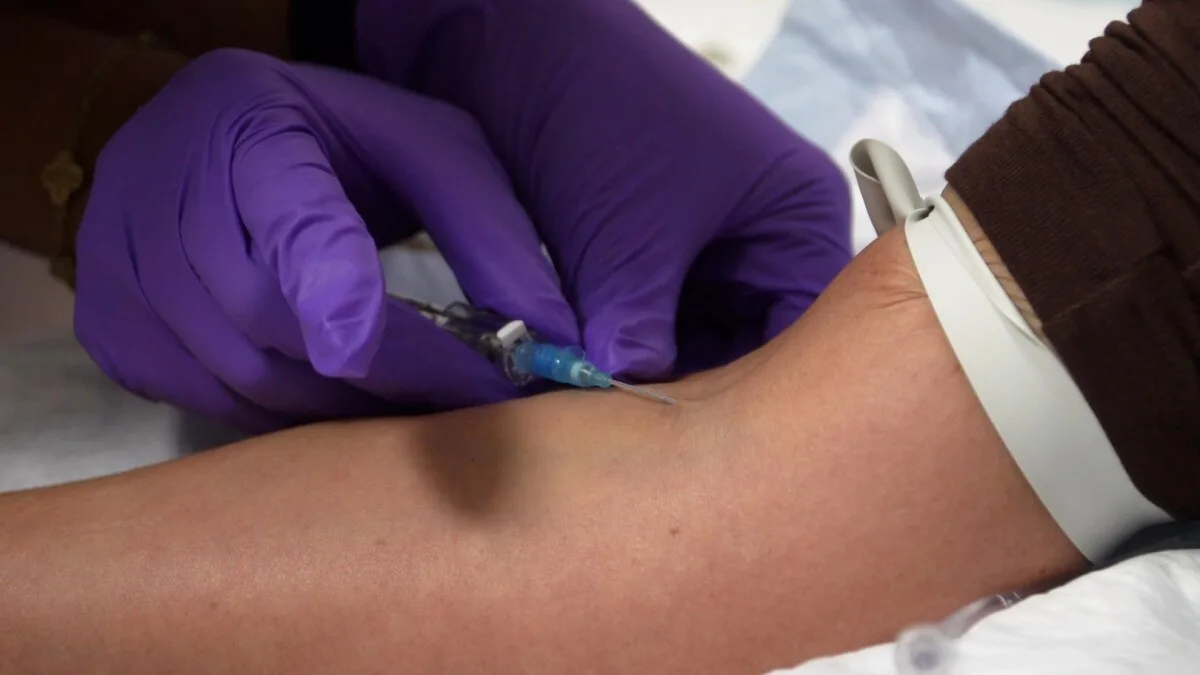
Unlike pre-filled pens for approved drugs like Mounjaro and Wegovy, unregulated peptides arrive as powders in vials, requiring users to mix and inject—raising contamination and infection risks. Red flags include bank transfers without consultations, she warns.
Dermatologist Insights on Cosmetic Peptides
Dr. Amy Perkins, a dermatologist campaigning against skin cancer, views tanning injections like Melanotan 2 as the "original peptide" trend. "Now that we're seeing people use legitimate peptides like Mounjaro, the concept of a skinny pen or a skinny jab has become so normal that it now seems standard practice to inject yourself and this is becoming very worrying." She calls the "research only" label a cynical loophole: "It's alarmingly easy. You can buy an illicit peptide in the market just as easily as you can buy a new Hoover. But it's just not worth it at all - and sometimes the damage can't be reversed." Reports of peptides sourced alongside party drugs underscore the public health crisis.
The Illicit Supply Chain and Regulatory Actions
Criminologist Luke Turnock traces most peptides to China, bought in bulk (e.g., 10,000 vials), repackaged with fake EU labels, and distributed via social media, beauty clinics, and gyms. Recent MHRA raids targeted facilities in Lincolnshire and Nottinghamshire for illegal weight loss medicines, some now mimicking pens.
Luke predicts some peptides may gain approval due to demand for anti-aging therapies but warns against assumptions without data. The National Pharmacy Association demands review of "research purpose only" sales and tougher crackdowns. Sehar Shahid adds: "We've seen a huge influx in peptide use and unregulated medication - we should review the current policies and legislation and ask if they're still fit for purpose."
A Department of Health and Social Care spokesperson said: "Unregulated peptides and other grey‑market substances can be dangerous, unpredictable and, in some cases, life‑threatening. They have not been tested for safety, quality or effectiveness, and we urge extreme caution for anyone considering using them."
MHRA's Lynda Scammell clarifies: "We disregard claims that products are for 'research purposes' if it is clear that such claims are being used as an attempt to avoid medicines regulations." TikTok claims enforcement, but experts like Dr. Perkins demand more: "They need to step up and take action because these things are being hosted on their platforms - people are coming to harm."
Regulated vs. Unregulated: Safer Alternatives
Approved peptides like Ozempic (semaglutide), Wegovy, and Mounjaro (tirzepatide) undergo rigorous testing, delivered safely in pens with known dosing and side effects like nausea or gastrointestinal issues—monitored under medical supervision. Unregulated options lack this, with unknown purity leading to potential organ damage or infections. For those exploring peptide therapy, consult a GP for prescriptions; tools like Shotlee can help track symptoms and schedules for approved medications.
Key Takeaways: What This Means for Patients and Enthusiasts
- Stick to Regulated Options: Use only pharmacy-dispensed peptides like Ozempic for proven benefits.
- Recognize Risks: Unknown contents, dosing errors, and injection hazards from unregulated sources.
- Watch for Red Flags: No consultations, bank transfers, or "research only" labels.
- Seek Professional Advice: Discuss needs with a doctor; education beats black market reliance.
- Regulatory Momentum: MHRA actions signal tighter controls ahead.
Conclusion: Prioritizing Safety in Peptide Use
The peptide boom, propelled by a legal loophole, underscores the dangers of unregulated injectables. While anecdotes like Dean's fuel curiosity, experts from Sehar Shahid to Dr. Perkins and MHRA emphasize untested risks. Patients should prioritize approved therapies, consult healthcare providers, and advocate for better regulations to protect public health.