
Ozempic Hair Loss: Understanding the Reports and Real Causes
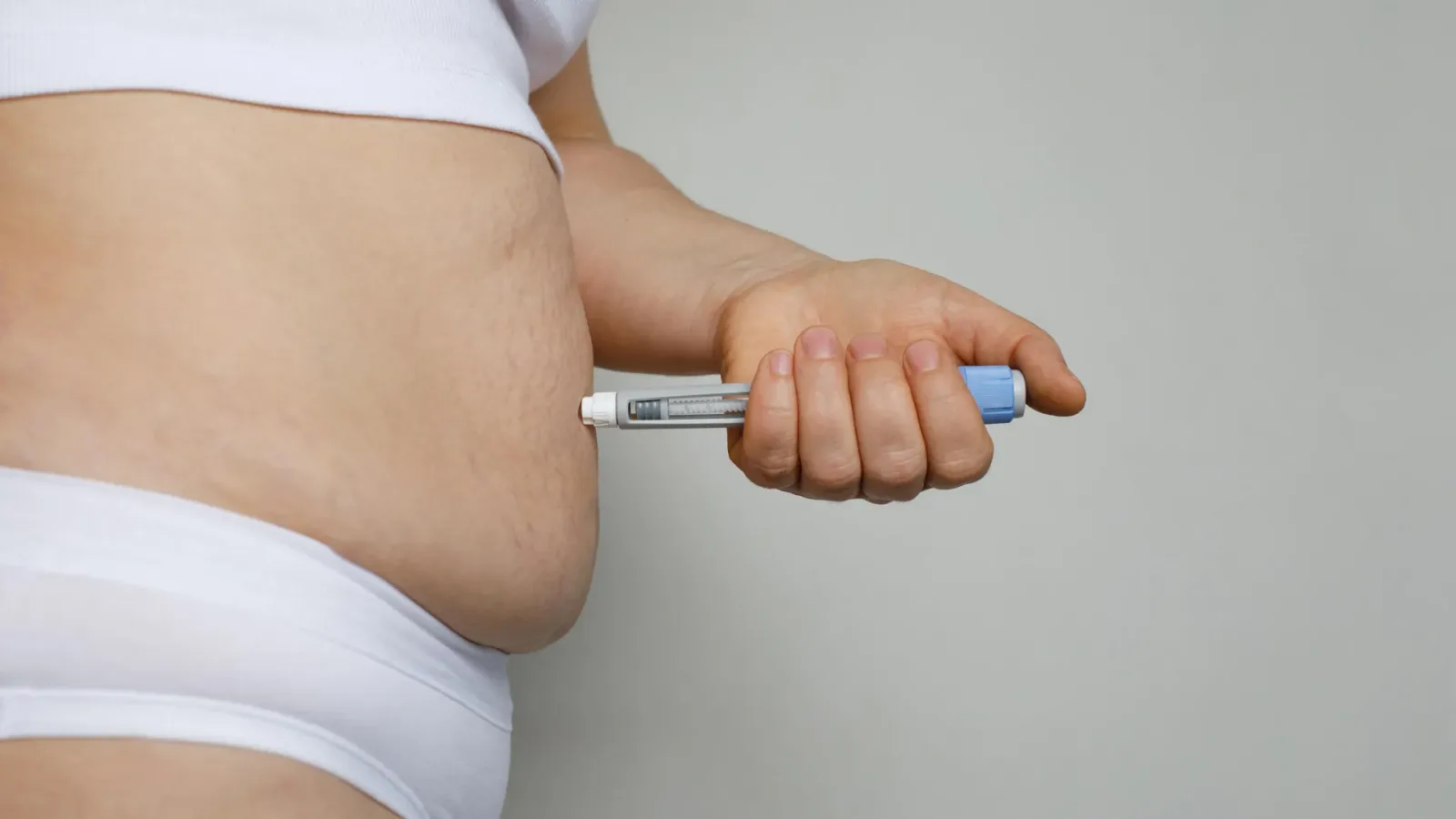
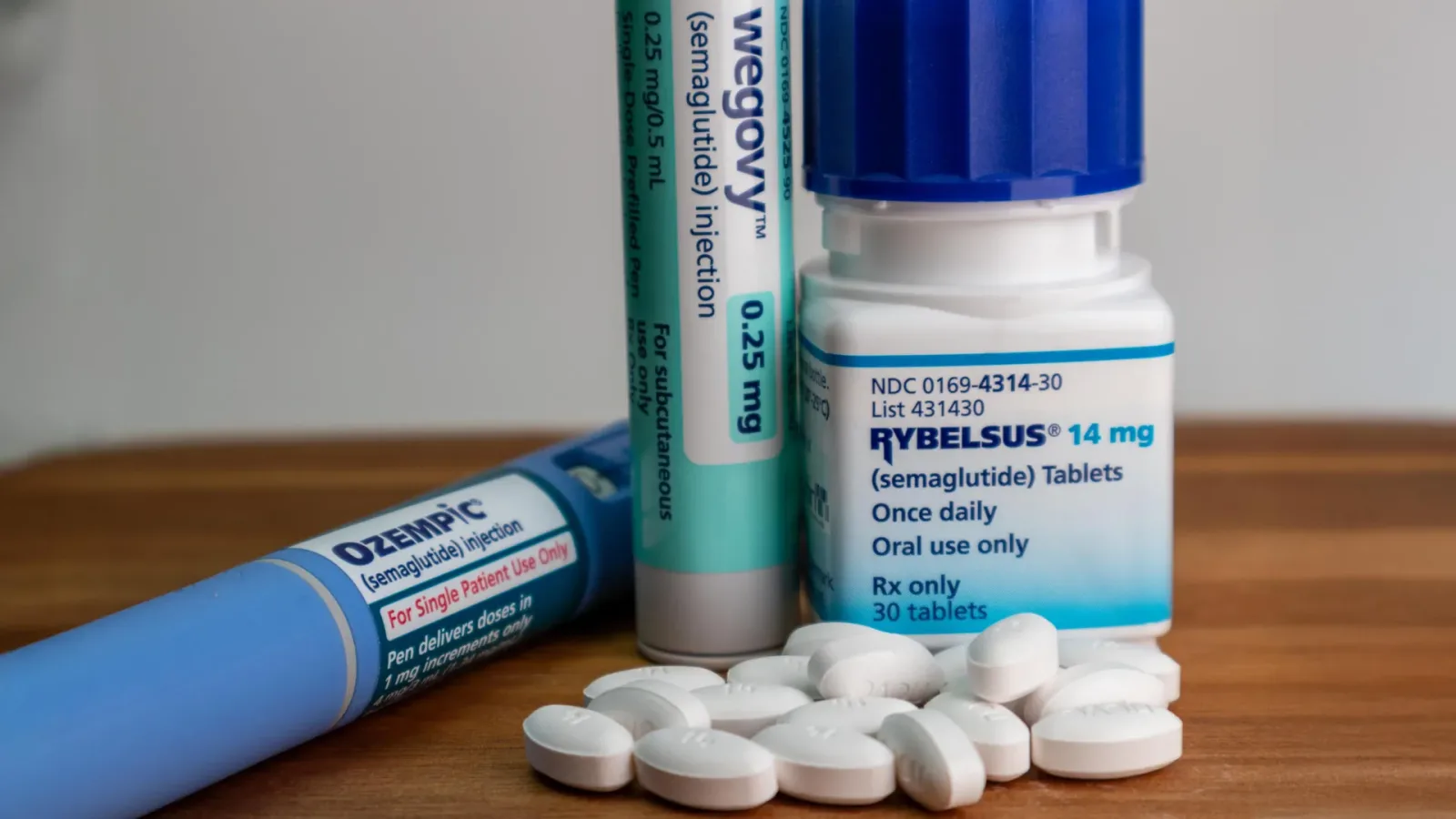
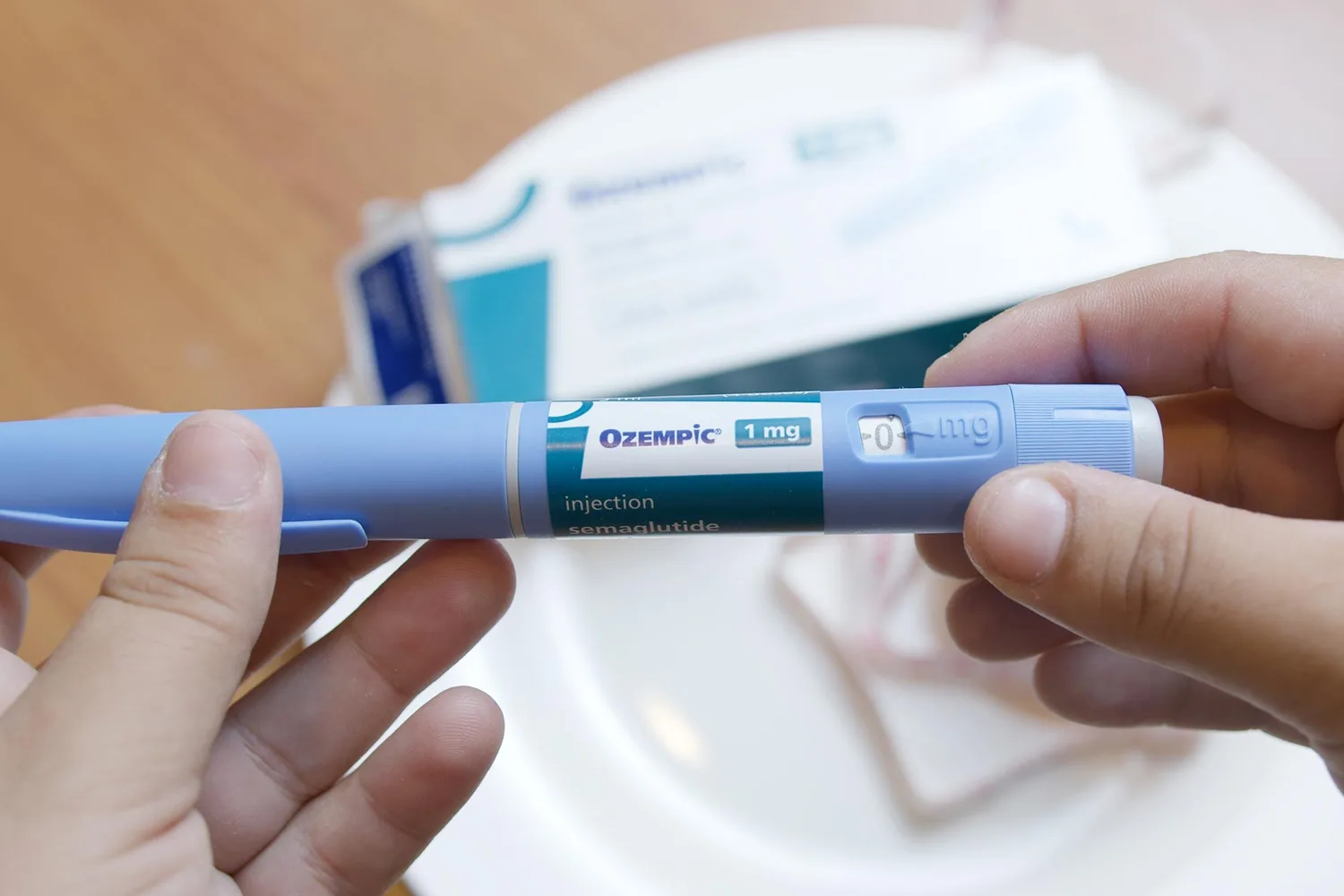
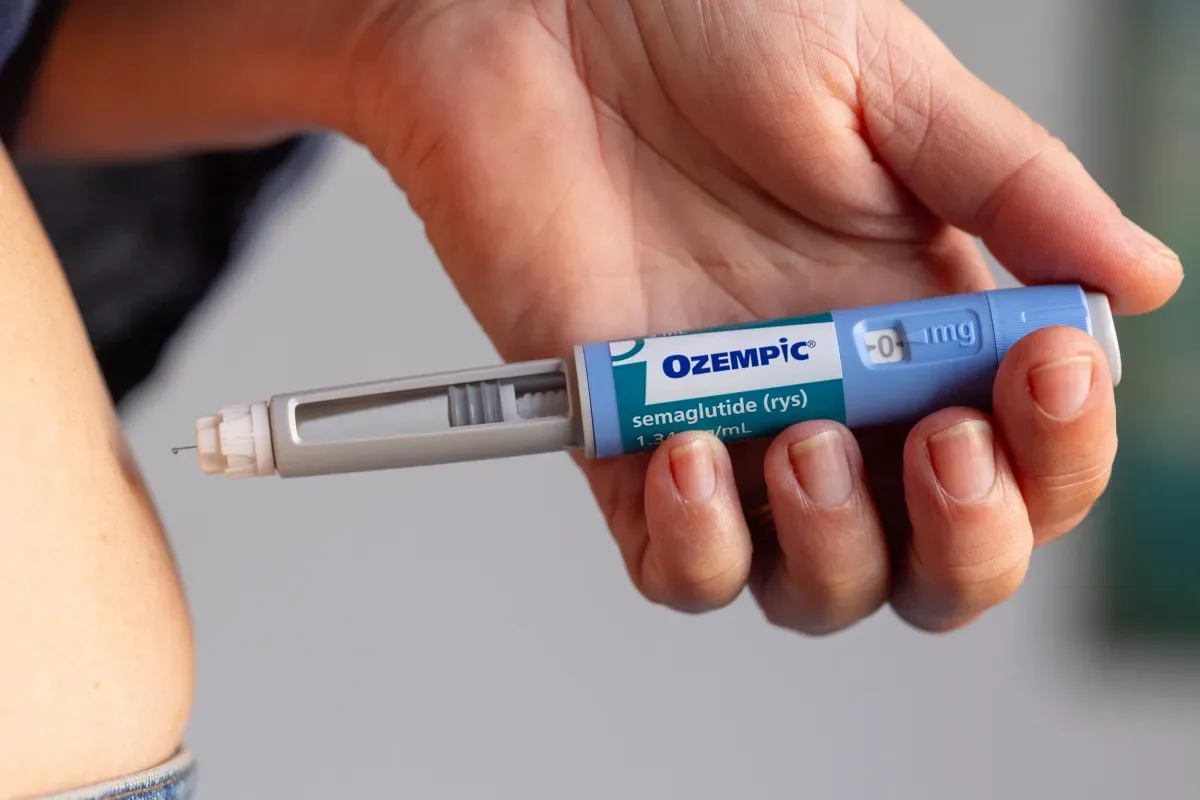
Ozempic hair loss has become a hot topic among users, with online forums filled with stories of increased shedding in brushes, on pillows, and in showers after starting this semaglutide-based medication. Ozempic, primarily used for diabetes control and weight management, helps many achieve significant results, but this side effect raises concerns. Bariatric surgeon Dr. Neha Shah, speaking to NDTV, attributes it to the stress of fast weight loss on nutrition, causing hair roots to enter a resting phase prematurely. Skin specialist Dr. Sharmatha from SIMS Hospital emphasizes that poor food intake during these body changes plays a key role, leading to nutrient deficiencies. While clinical tests show hair loss in just 3-5% of users, anecdotal reports suggest up to one-third of those losing weight rapidly may experience it—a phenomenon dubbed "Ozempic hair loss."
The good news? This isn't direct toxicity from Ozempic harming hair follicles. Instead, it's a reversible response to bodily stress. This guide dives into expert insights, backed by science like the STEP-1 trials, to demystify causes, mechanisms, and strategies for prevention and recovery.
Not Ozempic Itself, But Rapid Weight Loss Triggers Shedding
The primary culprit behind Ozempic hair loss is rapid weight loss, which induces telogen effluvium—a temporary shedding where more hair follicles than usual shift into the resting (telogen) phase. Normally, 85-90% of scalp hair is in the growth (anagen) phase, with 10-15% resting. Ozempic suppresses appetite via GLP-1 receptor agonism, mimicking gut hormones to reduce hunger and promote 5-15% body weight reduction, similar to crash diets or post-bariatric surgery scenarios.
This metabolic shock redirects energy from non-essential functions like hair growth to vital organs, causing 30-40% more follicles to shed 2-4 months later. The STEP-1 trials reported 3% hair loss in Ozempic users versus 1% on placebo, with faster weight loss correlating to higher incidence. Endocrinologists note that drops over 1-2kg per month elevate risk, affecting up to one-third of rapid losers. Reassuringly, shedding halts once weight stabilizes, and hair regrows naturally for most within 6-12 months, as follicles aren't scarred like in permanent alopecia.
Why does this matter for Ozempic users? Semaglutide's efficacy in metabolic health—lowering A1C, blood pressure, and cardiovascular risks—makes it a game-changer, but understanding this side effect helps patients stay on track without unnecessary alarm.
Nutritional Deficiencies Amplify Ozempic Hair Loss
Ozempic's appetite suppression often leads to unintentional calorie restriction, depriving hair of essentials for keratin production—the protein comprising 95% of hair shafts. Key shortfalls include:
- Protein: Follicles require 15-20g daily; vegetarians may miss it without sources like dal, eggs, or paneer.
- Iron: Critical for oxygen delivery; low ferritin (<40 ng/mL) links to thinning in 70% of cases, especially in women.
- Zinc and Biotin: Zinc supports follicle anchoring; biotin <30mcg/day slows regrowth.
- Good Fats: Needed for hormone balance and absorption of fat-soluble vitamins.
Blood tests are recommended at the onset of shedding to identify gaps. Aim for 1.2-1.6g protein per kg body weight via nutrient-dense foods like palak dal, nut butter, and fortified rice. Supplements should only follow confirmed deficiencies to avoid overload.
Practical Nutrition Tips for Ozempic Users
To counteract these gaps:
- Pair iron-rich spinach, beetroot, or methi with vitamin C from amla or citrus for 18mg daily absorption.
- Incorporate quinoa, yoghurt, and lentils for balanced vegetarian protein hitting 80-100g/day.
- Track intake with apps; tools like Shotlee can help log symptoms alongside meals for better doctor insights.
Hormonal Shifts and Stress as Contributing Factors
Ozempic influences incretin hormones, stabilizing blood sugar and reducing insulin spikes, which indirectly affects thyroid function and cortisol—both vital for hair cycling. Weight loss anxiety or dose escalations (from 0.25mg weekly) can mimic postpartum or PCOS shedding. Dermatologists observe a transient 20-25% DHT elevation in some, causing temporary crown thinning, but unlike chemotherapy, roots remain intact.
Precision tracking for your journey
Join thousands using Shotlee to accurately track GLP-1 medications and side effects.
📱 Get the Shotlee App
Track your GLP-1 medications, peptides, and health metrics on the go with our mobile app!
Pre-existing thyroid issues exacerbate it—routine TSH checks are advised. The FDA notes hair loss as rare (3%), non-permanent, unlike androgenetic alopecia. Mitigation includes stress reduction via sleep, mindfulness, and gradual dosing to allow adaptation. Most regain thickness post-stabilization.
Prevention and Management Strategies for Ozempic Hair Loss
1. Optimize Nutrition Intake
Target 80-100g daily protein from lentils, eggs, paneer, quinoa, and yoghurt. Enhance iron uptake with vitamin C-rich foods, aiming for 18mg iron to combat common Ozempic-related deficiencies.
2. Adopt Scalp Care Routines
Use 5% minoxidil twice daily to prolong anagen phase, plus 5mg biotin and marine collagen peptides. Weekly massages with rosemary or bhringraj oil boost circulation, rivaling minoxidil in studies.
3. Avoid Aggravating Habits
Skip tight styles, heat tools, and harsh chemicals during peak shedding (months 3-6). Opt for sulphate-free shampoos to protect fragile follicles.
4. Monitor and Seek Interventions
Normal daily loss is under 100 strands; beyond 6 months, pursue trichoscopy or PRP (30% density gain). Consult endocrinologists before dose changes. Apps like Shotlee aid in symptom tracking for personalized plans.
5. Embrace Patience and Tracking
Slow loss to <1-2kg/month; monthly photos document 90% recovery within 12 months as nutrition and hormones balance.
Key Takeaways: What This Means for Ozempic Patients
- Ozempic hair loss affects 3-5% clinically, up to one-third with rapid loss—driven by telogen effluvium, not drug toxicity.
- Address nutrition (protein, iron, zinc), stress, and hormones for reversal.
- Discuss with doctors: Blood tests, gradual dosing, and monitoring prevent escalation.
- Compared to alternatives like surgery, Ozempic's shedding is milder and self-resolving.
Safety profile remains strong; common sides like nausea differ from this reversible issue. For metabolic health gains, proactive care ensures hair health too.
Conclusion: Restore Confidence with Informed Action
Ozempic hair loss stems from rapid weight loss, nutritional shortfalls, and stress—not direct semaglutide effects—and resolves for nearly all with targeted strategies. By optimizing diet, scalp care, and monitoring, patients can enjoy diabetes control, weight loss, and sustained hair vitality. Always consult professionals for tailored advice, turning potential worry into empowered wellness.