
Ozempic for Weight Loss: Effectiveness and Safety Explored
Maintaining a healthy weight presents a significant challenge for many individuals in the United States. Frequently, conventional weight loss methods yield unsatisfactory results, prompting people to consider alternative approaches. Glucagon-like peptide-1 (GLP-1) agonists have recently emerged as promising options in weight management, potentially offering benefits for those seeking effective solutions.
Ozempic, a medication that has garnered substantial attention, has become a frequent topic of discussion. Celebrities are endorsing it, and medical professionals are recognizing it as a research-backed advancement. Its widespread popularity has, however, led to shortages as both individuals and healthcare providers seek this drug for diabetes and obesity treatment. This medical advancement holds the potential for significant positive impacts.
The U.S. Centers for Disease Control and Prevention (CDC) estimates that approximately 42% of Americans are living with obesity, defined as a body mass index (BMI) of 30 or higher. Ozempic and similar medications are viewed as a major breakthrough for this considerable segment of the population, and justifiably so.
While individuals with a BMI below 30 can often manage their weight through diet and exercise, those with obesity may find these methods inadequate. Emerging medications offer the potential to reverse the underlying pathways contributing to obesity, which could prevent the development of chronic conditions like heart disease, kidney disease, and sleep apnea.
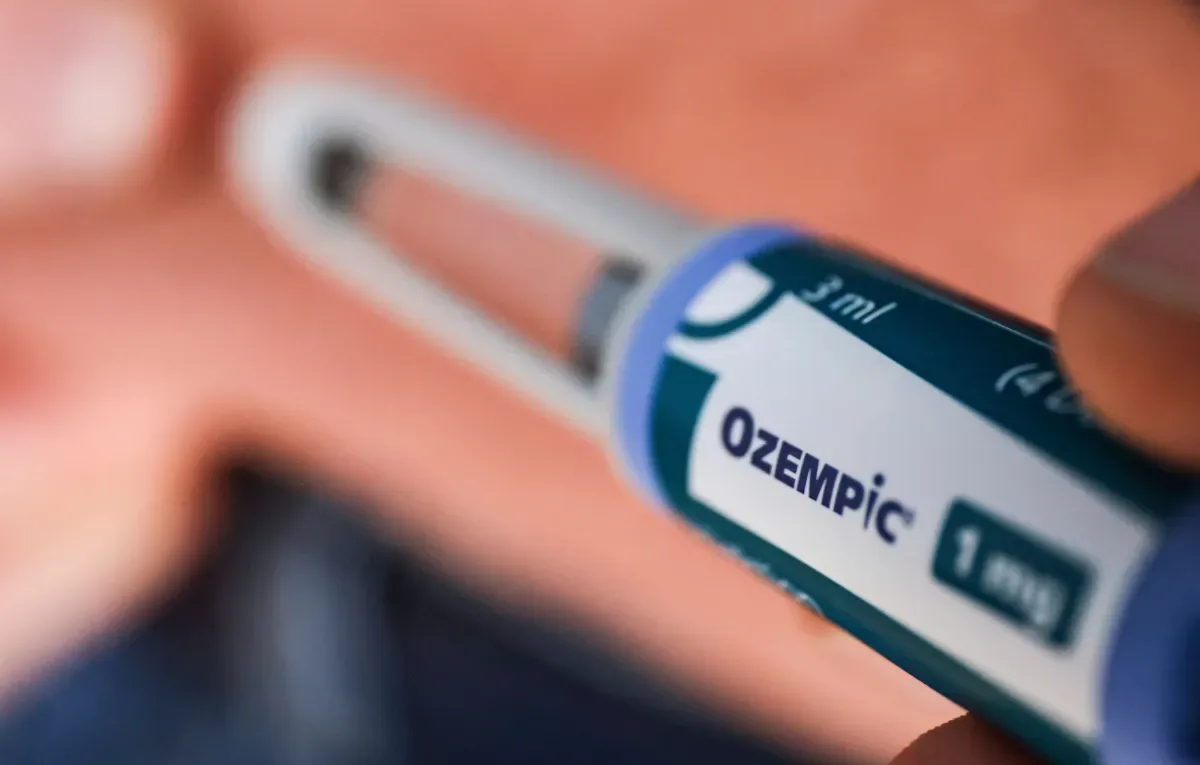
Ozempic is an injectable medication prescribed to manage blood sugar in adults with type 2 diabetes. While not officially a weight loss drug, research indicates modest weight loss as a side effect for some users. Semaglutide, Ozempic's active ingredient, is FDA-approved in higher doses under the name Wegovy for treating obesity and related conditions.
Recently, Wegovy shortages and widespread social media discussions about Ozempic's weight loss effects have increased off-label Ozempic use by individuals without type 2 diabetes seeking to lose weight.
This article explores the growing trend of using Ozempic for weight loss, providing insights from healthcare professionals on its effectiveness, safety, and crucial considerations. For individuals seeking dietary solutions to address excess body fat, the following alternatives are worth considering.
PhenQ: A Weight Loss Alternative
PhenQ is a weight management product designed to support weight loss. It aims to reduce cravings and target stored fat in areas like the neck and thighs. This supplement intends to help users achieve a desired body shape while maintaining daily activities. PhenQ is formulated with nutritious ingredients, and reviews suggest it functions beneficially for many users. It may also aid in adhering to a diet plan.
Key Ingredients in PhenQ
The PhenQ weight management formula includes:
- Caffeine
- L-carnitine Fumarate
- Capsimax Powder
- Nopal
- Chromium Picolinate
- Lacy Reset
These ingredients are designed to function in beneficial ways, providing vitamins and minerals that may offer various advantages when consumed daily. The blend is created to help suppress cravings and prevent issues.
Potential Benefits of PhenQ
Potential benefits associated with the PhenQ weight loss formula include:
- Suppressing cravings that can lead to unwanted weight gain.
- Increasing energy levels, potentially leading to increased physical activity.
- Improving immunity.
- Blocking fat storage in the body.
PhenQ Pricing
PhenQ is available through its official website. Purchasing from other sources is not advised due to the risk of counterfeit products.
- Starter Pack: 1 Bottle (30-day supply) - $69.99
- Most Popular: 2 Bottles + 1 FREE - $139.99
- Best Value: 3 Bottles + 2 FREE - $209.99
Refund Policy
The company offers a 60-day money-back guarantee. If the product is not satisfactory, users can return unused PhenQ within 67 days for a refund, excluding shipping costs.
Customer Feedback
- Emma T.: Experienced significant weight loss and reduced cravings.
- Mark L.: Lost weight and feels more confident.
- Jessica K.: Noticed slight improvement in energy levels.
- John M.: Lost weight and reduced hunger.
Understanding Ozempic
What is Ozempic?
Ozempic is an injectable medication intended to help manage blood glucose levels in adults with Type 2 diabetes. It is also approved to lower the risk of heart attack and stroke in individuals with both Type 2 diabetes and heart disease.
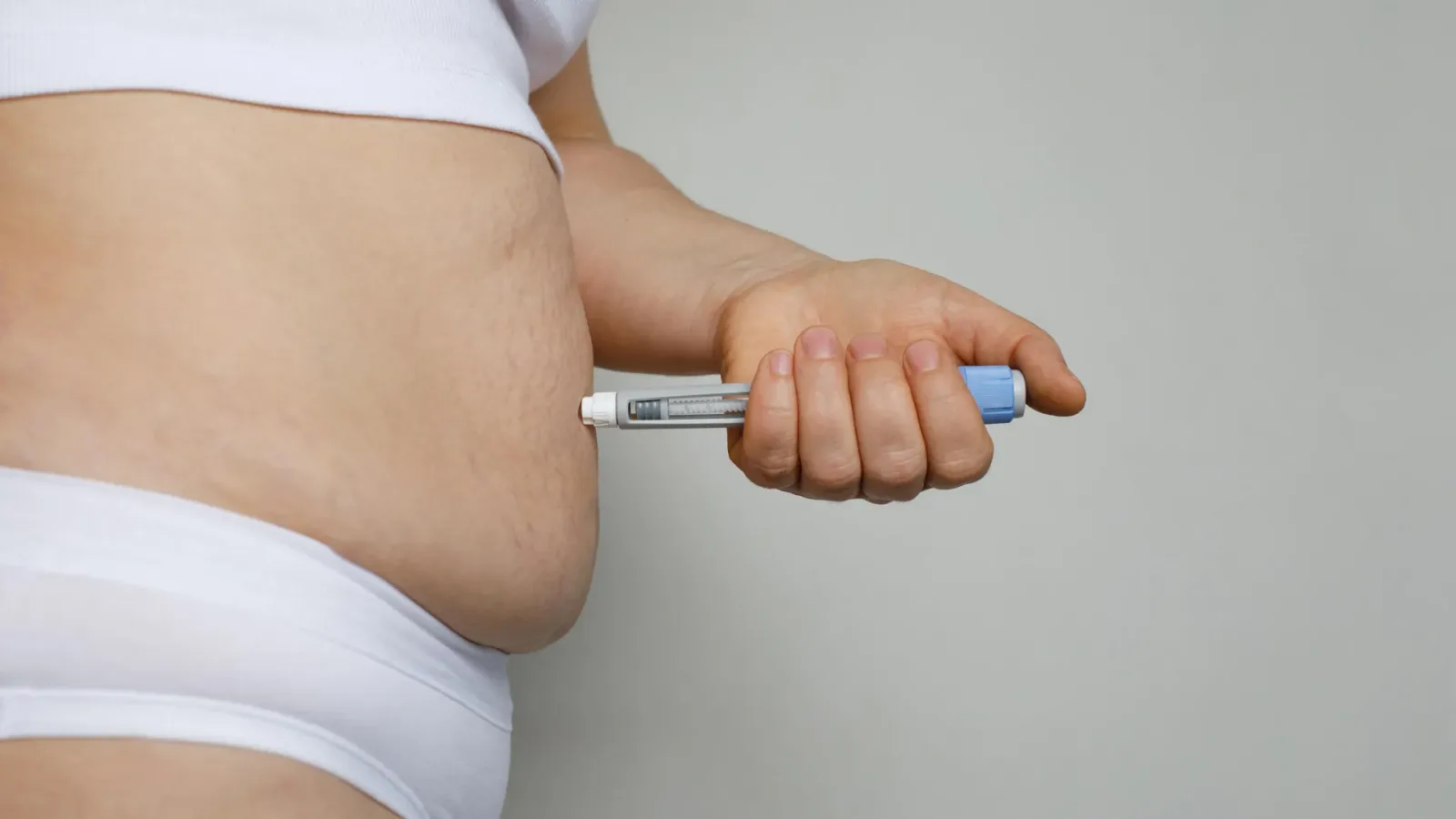
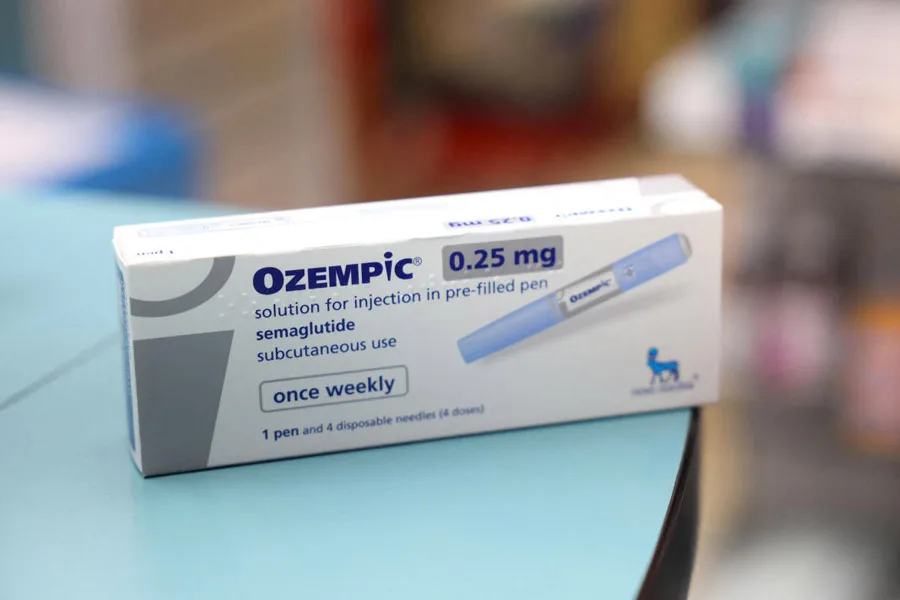
Belonging to the GLP-1 agonist class, Ozempic mimics the actions of the GLP-1 gut hormone. This helps lower blood glucose after meals, inhibits excessive glucose production by the liver, and promotes a prolonged feeling of fullness. Ozempic is available as a pre-filled pen injector, administered once a week. Its extended duration of action differentiates it from medications requiring more frequent injections.
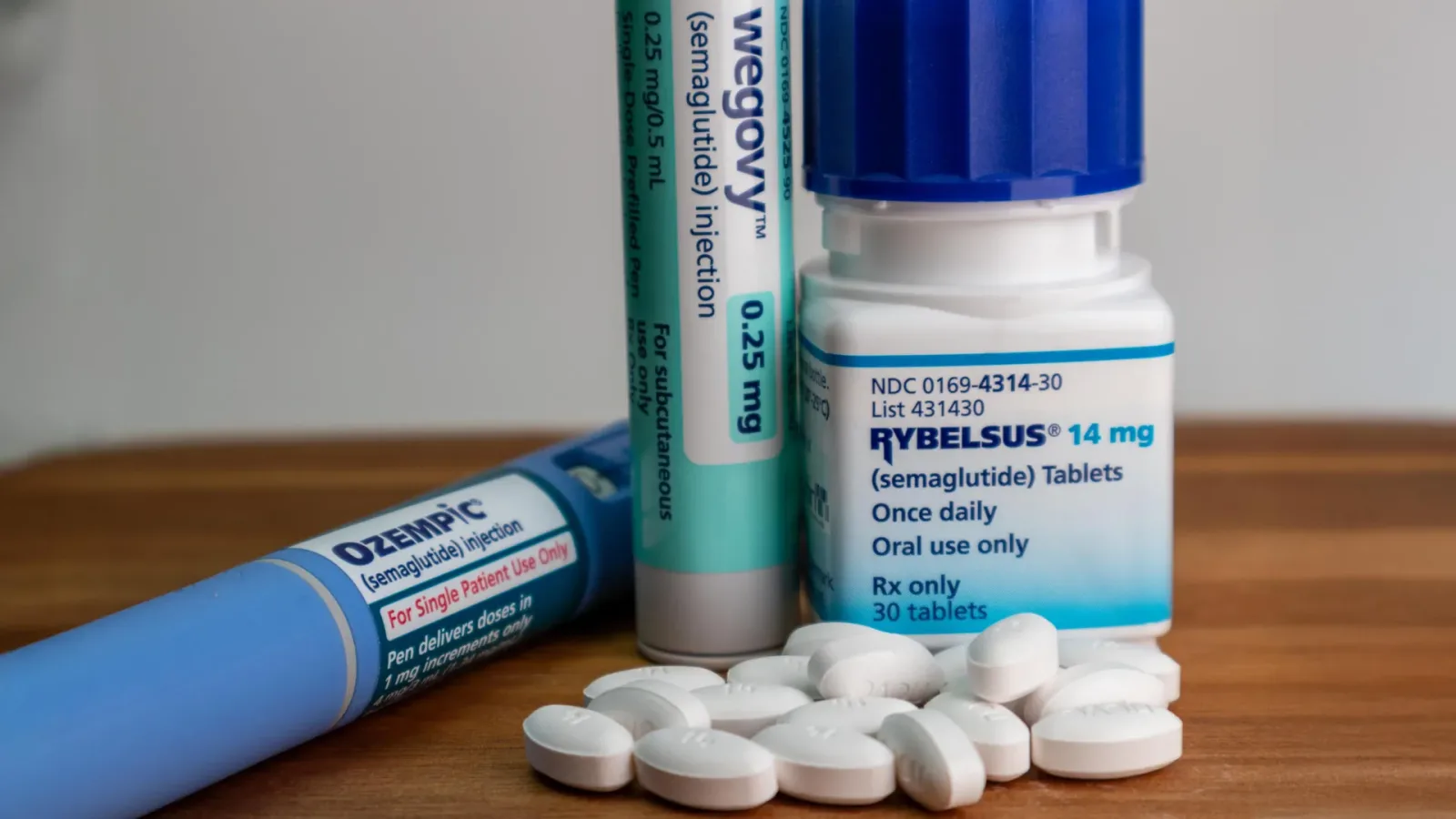
Semaglutide, Ozempic's active ingredient, is also available as an oral tablet called Rybelsus for managing Type 2 diabetes. A higher-dose version, Wegovy, is available for chronic weight management in individuals with or without diabetes.
Ozempic vs. Insulin
While Ozempic is not specifically a weight loss medication, studies suggest that semaglutide may lead to weight loss. Semaglutide is FDA-approved for weight loss under the brand name Wegovy, at a higher dosage than Ozempic. Wegovy contains 2.4 milligrams of semaglutide, while Ozempic dosages range from 0.5 to 2 milligrams.
Semaglutide functions as a GLP-1, enhancing the effects of the naturally occurring GLP-1 hormone. Besides its impact on blood glucose and diabetes management, GLP-1 affects weight through:
Precision tracking for your journey
Join thousands using Shotlee to accurately track GLP-1 medications and side effects.
📱 Get the Shotlee App
Track your GLP-1 medications, peptides, and health metrics on the go with our mobile app!
- Modulating hunger centers in the brain, reducing appetite and cravings.
- Slowing stomach emptying, prolonging feelings of fullness after meals.
This results in decreased hunger, extended satiety, and potential weight loss. However, it's important to note that the semaglutide dosage in some studies exceeded that of Ozempic, corresponding to the dosage in Wegovy.
Ozempic is FDA-approved solely for diabetes treatment, not weight loss. Wegovy, essentially the same medication but with a different dosage, is specifically approved for weight management. Ozempic is often covered by insurance, while Wegovy frequently is not. High demand has led to availability issues for Wegovy, causing many individuals to use Ozempic off-label for weight loss. This practice can reduce Ozempic availability for individuals with diabetes. Health tracking apps like Shotlee can help monitor progress and side effects when using such medications.
While semaglutide may aid in weight loss during medication use, individuals are likely to regain a significant portion of the lost weight upon discontinuation. Studies suggest that stopping Ozempic entirely will likely result in regaining most of the lost weight within months.
GLP-1 medications like Ozempic are intended for long-term use as chronic treatments for chronic conditions, including both diabetes and obesity.
Weight Loss Timeline with Ozempic
Reaching the optimal Ozempic dosage may take a few months to manage potential side effects. Gradual dose increases occur during this time, and weight loss may be observed. The amount of weight lost depends on the Ozempic dosage.
For individuals with Type 2 diabetes, the initial Ozempic dose is usually 0.25 mg once a week for four weeks. This dose typically does not significantly affect blood glucose or weight, as it helps the body adjust to the medication. After this initial phase, the dose increases to 0.5 mg once a week.
Clinical trials showed that individuals taking the 0.5 mg dose experienced an average weight loss of about 8 lbs over 30 weeks. However, some may require a higher dosage for optimal blood glucose control, gradually increasing it every four weeks up to a maximum of 2 mg once a week.
Generally, higher Ozempic doses correlate with greater weight loss and improved blood glucose control. A 40-week study showed that individuals receiving a 1 mg Ozempic dose experienced an average weight loss of 13 lbs, while those receiving a 2 mg dose lost an average of 15 lbs.
Wegovy has a higher recommended dosage of 2.4 mg once a week. During clinical trials, individuals taking Wegovy lost 10% of their initial body weight in the first 20 weeks of treatment, followed by an additional 8% loss over the subsequent 48 weeks.
It is crucial to complement medications like Ozempic and Wegovy with lifestyle modifications, including a healthy diet and regular exercise, to maximize their benefits.
Safety Considerations for Ozempic
Ozempic, while not a weight loss medication, is recognized as a safe and effective treatment for Type 2 diabetes. Weight loss may occur as a side effect. Prescribing Ozempic for weight loss without diabetes is considered off-label usage.
Wegovy has been proven safe and effective for weight loss and is approved for use in adults and children aged 12 and above meeting specific BMI requirements.
Both Ozempic and Wegovy share risks such as pancreatitis, gallbladder disease, and potential kidney damage.
Animal studies indicated a potential risk of thyroid C-cell tumors, but this has not been confirmed in humans. Individuals with a personal or family history of certain types of thyroid cancer are advised against taking Ozempic or Wegovy.
Potential Side Effects of Ozempic
Digestive-related side effects are possible, particularly during the initial stages of Ozempic use or when adjusting the dosage. These side effects typically improve over time for most individuals.
Common side effects of Ozempic include:
- Nausea
- Vomiting
- Constipation
- Stomach pain
- Diarrhea
Similar side effects were observed during Wegovy clinical trials. However, the higher doses of Wegovy may increase the likelihood of experiencing side effects compared to Ozempic.