
New Diabetes Drug UBT251 Beats Ozempic in Phase 2 Trial
A new diabetes drug candidate, UBT251, has shown superior results compared to Ozempic (semaglutide) in early clinical trial data, offering hope for better management of type 2 diabetes. Developed by Novo Nordisk and United Laboratories International Holdings, UBT251 significantly lowered blood sugar levels and body weight in a Phase 2 study involving Chinese patients. This finding highlights potential advancements in GLP-1 receptor agonist therapies, a class that includes popular treatments like Ozempic.
Overview of the Phase 2 Trial
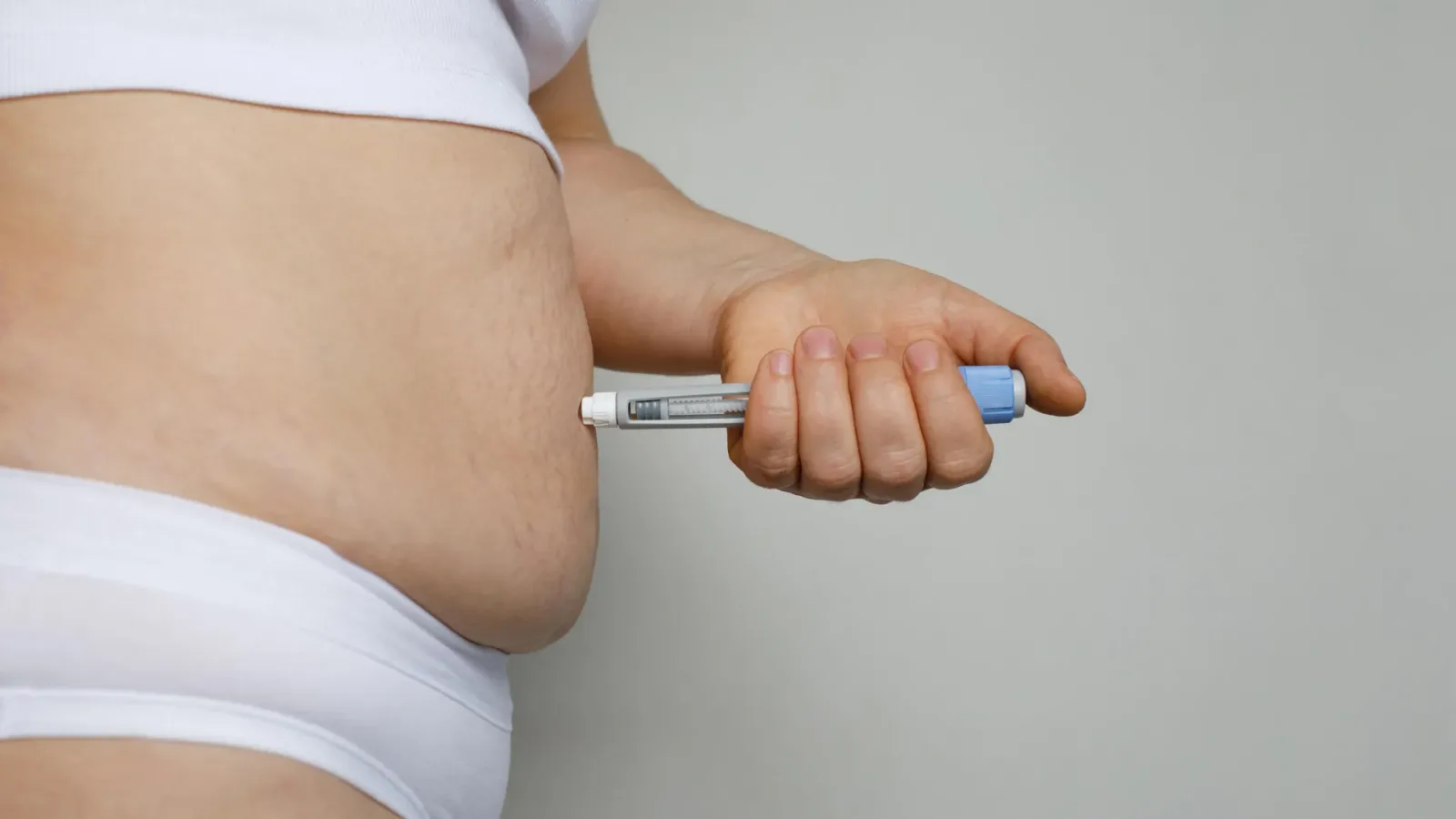
The trial, conducted in China and reported by Qazinform News Agency, enrolled 211 Chinese adults with type 2 diabetes. These participants were either managing their condition through lifestyle changes or with the drug metformin. They received weekly subcutaneous injections of UBT251 at different doses, semaglutide, or a placebo over 24 weeks.
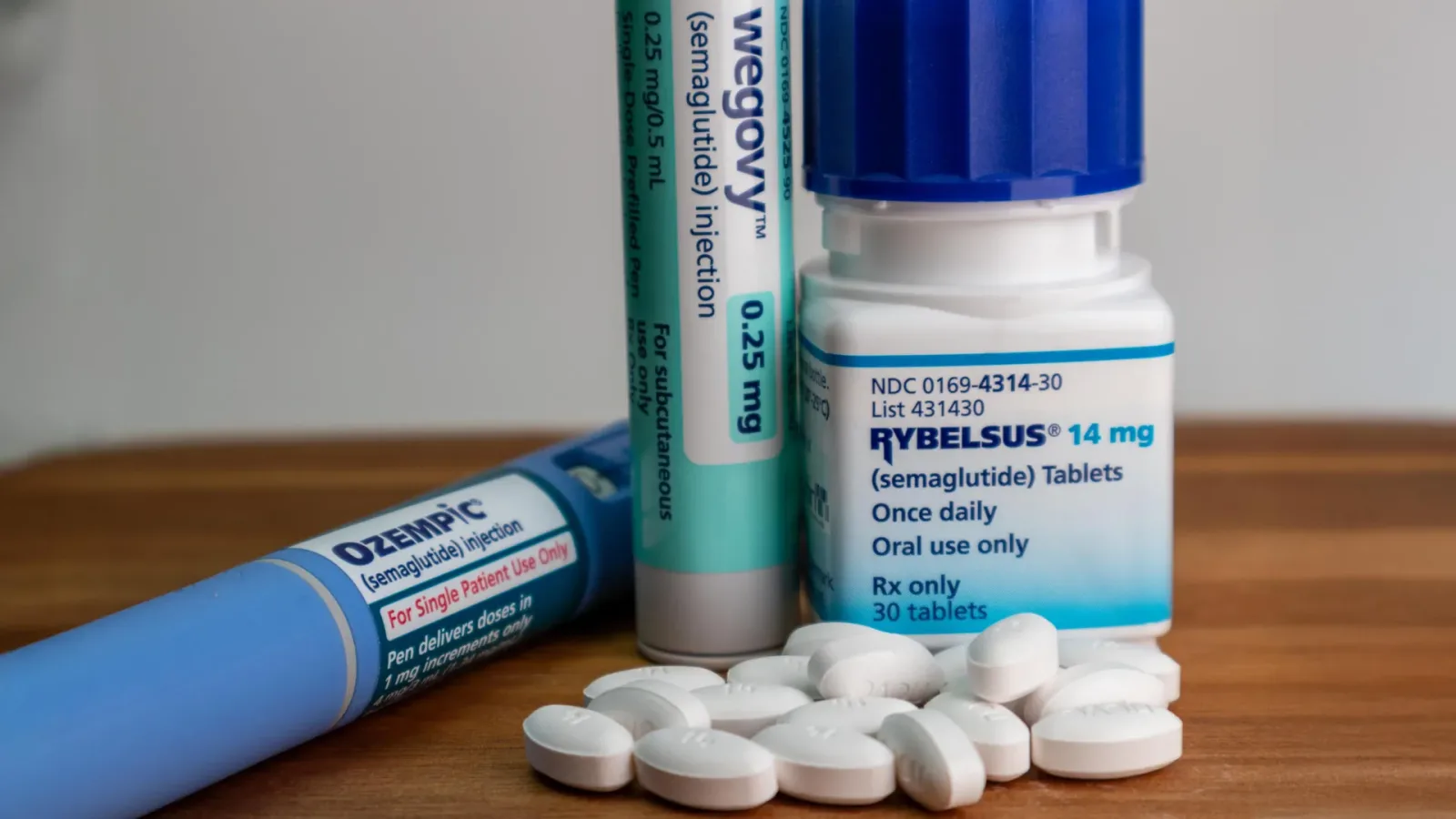
GLP-1 receptor agonists like semaglutide work by mimicking the glucagon-like peptide-1 hormone, which helps regulate blood sugar by stimulating insulin release, slowing gastric emptying, and reducing appetite. UBT251 appears to build on this mechanism, potentially with enhanced potency, as evidenced by the trial outcomes.
Patient Demographics and Study Design
Participants represented a real-world population for type 2 diabetes treatment in Asia, where metformin monotherapy or lifestyle interventions are common first-line approaches. The randomized, placebo-controlled design allowed direct comparison of UBT251 against semaglutide, the active ingredient in Ozempic, providing robust early efficacy data.
Key Results: Blood Sugar Control
After 24 weeks, patients receiving UBT251 recorded an average reduction in long-term blood sugar levels, measured by HbA1c, of up to 2.16%. By comparison, patients treated with semaglutide saw a reduction of 1.77%, while those given a placebo experienced a drop of just 0.66%.
These HbA1c reductions are clinically meaningful. For context, guidelines from the American Diabetes Association recommend lowering HbA1c by at least 0.5-1% to reduce complications like cardiovascular disease and neuropathy. UBT251's superior performance suggests it could help more patients reach target HbA1c levels (<7% for most).
Weight Loss Outcomes
UBT251 also led to notable weight loss, with participants losing up to 9.8% of their body weight on average. The semaglutide group lost about 4.8%, and the placebo group lost 1.4%.
Weight management is crucial in type 2 diabetes, as excess body weight exacerbates insulin resistance. GLP-1 drugs like Ozempic are already valued for dual benefits on glycemia and weight, but UBT251's nearly doubled weight loss effect could offer a significant edge, especially for patients with obesity-related diabetes.
Precision tracking for your journey
Join thousands using Shotlee to accurately track GLP-1 medications and side effects.
📱 Get the Shotlee App
Track your GLP-1 medications, peptides, and health metrics on the go with our mobile app!
Additional Metabolic Improvements
Researchers reported improvements in waist circumference, blood pressure, and blood lipid levels (such as cholesterol and triglycerides) among patients taking UBT251. These changes support overall cardiovascular health, a key concern since type 2 diabetes doubles heart disease risk.
Safety Profile and Comparison to Ozempic
The safety profile of UBT251 appeared similar to other medicines in the GLP-1 class, including Ozempic. Common side effects in this category—gastrointestinal issues like nausea, vomiting, and diarrhea—are typically mild to moderate and decrease over time. No new safety signals were highlighted in the trial.
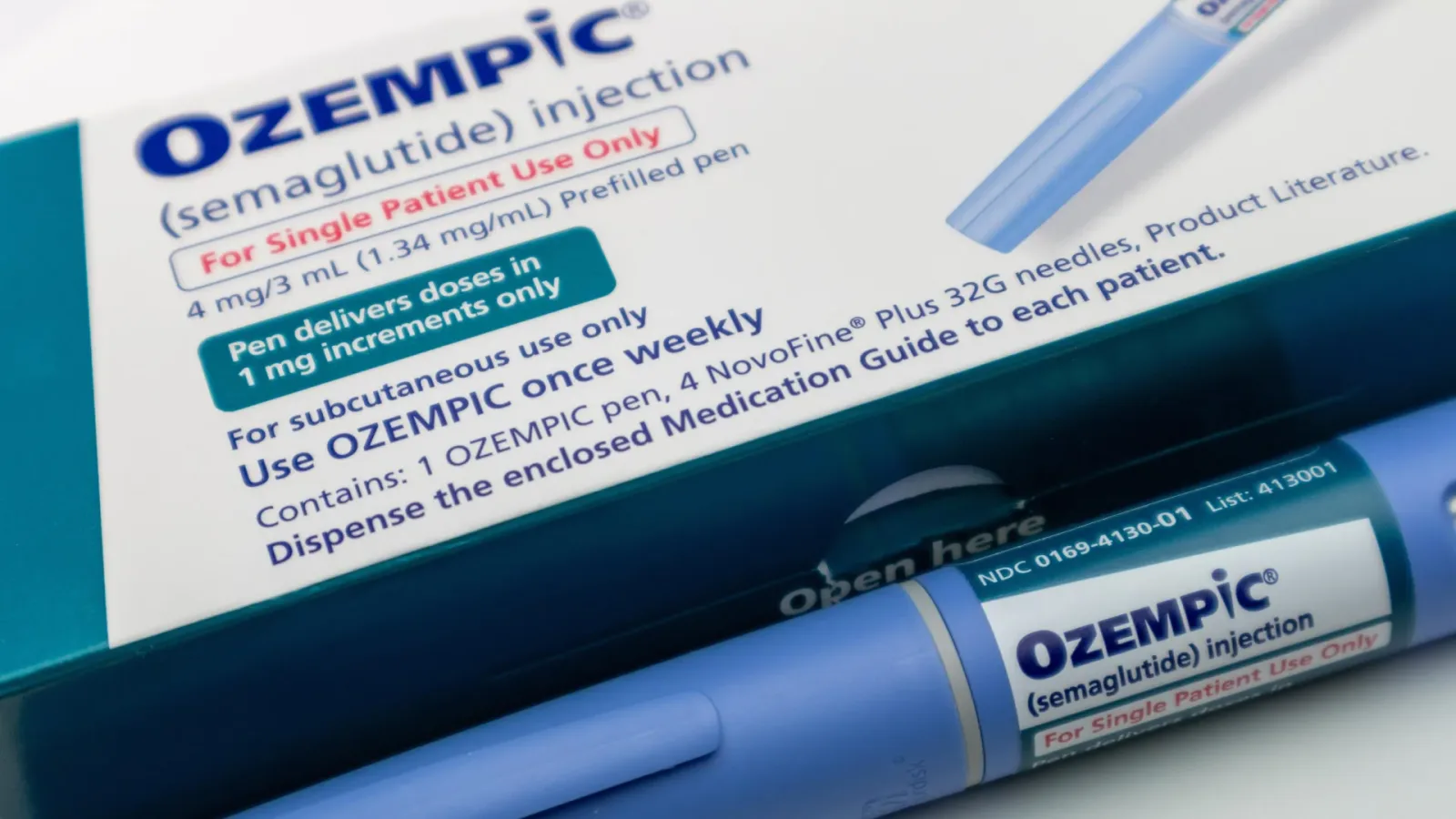
Compared to Ozempic, which has a well-established profile from millions of patient-years of use, UBT251's early data aligns with class expectations. Patients considering GLP-1 therapies should discuss gastrointestinal tolerance, injection frequency (both weekly), and long-term risks like pancreatitis or thyroid concerns with their doctor.
Expert Insights and Future Development
"The company is encouraged by the results and plans to launch a global Phase 2 trial in people with type 2 diabetes later in 2026," said Martin Holst Lange, executive vice president and head of research and development at Novo Nordisk.
Another global study involving around 330 people with overweight or obesity is already underway and expected to report results in 2027. These trials will provide broader data across diverse populations, addressing limitations of the China-focused study.
What This Means for Type 2 Diabetes Patients
For patients on metformin or struggling with Ozempic's effects, UBT251 represents a promising next-generation option. Discuss with your endocrinologist if you're not achieving HbA1c or weight goals. Factors like cost, insurance coverage, and access (currently experimental) will influence availability.
Tools like Shotlee can help track blood sugar trends, weight changes, and side effects during GLP-1 therapy, empowering better doctor discussions.
While not yet approved, these results underscore the evolving landscape of diabetes care, where GLP-1s are shifting paradigms from insulin-centric to weight-inclusive strategies.
Key Takeaways
- UBT251 reduced HbA1c by up to 2.16% vs. 1.77% for semaglutide and 0.66% for placebo in a 24-week Phase 2 trial.
- Weight loss reached 9.8% with UBT251, compared to 4.8% with semaglutide.
- Additional benefits included smaller waist size, lower blood pressure, and improved lipids.
- Safety mirrors GLP-1 class; global trials planned for 2026-2027.
- Consult a healthcare provider for personalized type 2 diabetes treatment plans.
Conclusion
The Phase 2 trial positions UBT251 as a potential leader over Ozempic for type 2 diabetes, with stronger effects on blood sugar and weight. As Novo Nordisk advances global studies, patients should stay informed and work closely with providers. This development reinforces GLP-1 therapies' role in metabolic health, offering actionable hope for better outcomes.