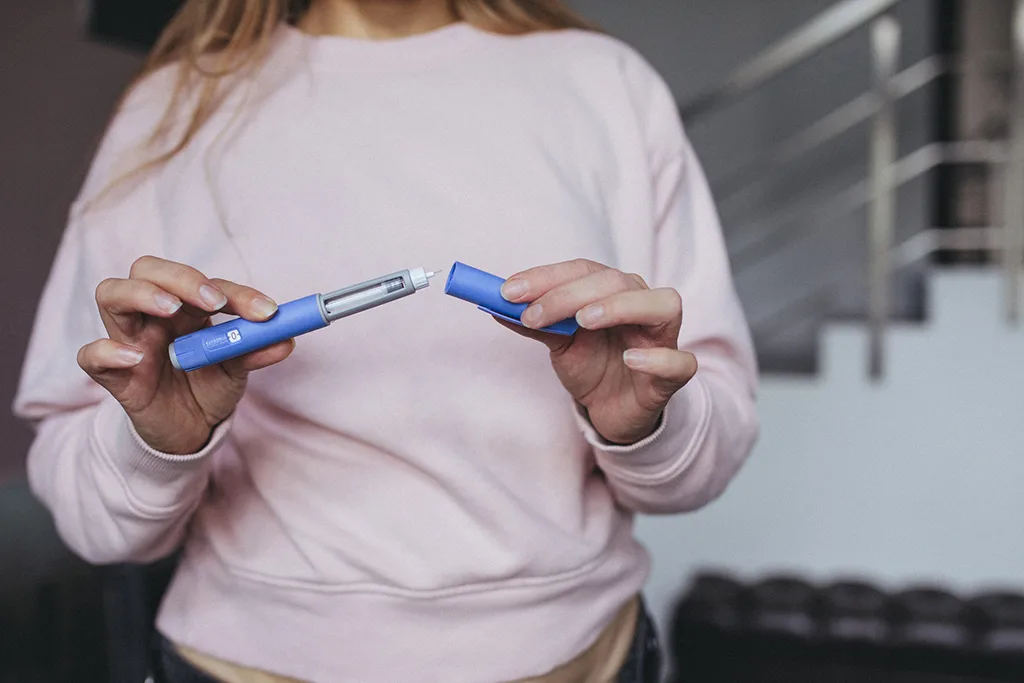

Actress Mayim Bialik has bravely shared her deeply personal and unsettling experience with GLP-1 medications, describing it as a "nightmare." In a candid essay for The Free Press, Bialik, 50, recounted the severe and unexpected side effects she endured, prompting a vital conversation about the potential downsides of these increasingly popular drugs. While GLP-1 agonists like semaglutide and tirzepatide have garnered significant attention for their efficacy in weight management and diabetes control, Bialik's story underscores the critical need for a thorough understanding of their risks and the importance of individualized medical guidance.
A Lifelong Relationship with Body Image and Health
Bialik's journey is framed by a lifelong awareness of her appearance, amplified by growing up in the public eye. She recalls a time in her youth, during the 'Blossom' era, when she was blissfully unaware of her weight, maintaining a naturally athletic physique. However, as she navigated adulthood and her career, societal pressures and personal experiences began to shape a more complex relationship with her body.
She explains that early medication use in her teens, intended to manage mood, contributed to weight gain. By her 40s, even at a size 6, she experienced a profound sense of shame, a feeling that intensified with the advent of social media and its relentless focus on thinness and physical perfection. This led to a disordered relationship with food that she has been actively working to untangle for years. The added challenge of gaining 20 pounds due to early menopause further complicated her efforts to manage her weight.
The Unexpected Turn to GLP-1s
Despite her struggles with weight, Bialik clarifies that her decision to try a GLP-1 medication was not solely for aesthetic reasons. Instead, it was prompted by a doctor's suggestion that it might help alleviate symptoms associated with her long-standing autoimmune conditions. At 23, she was diagnosed with Graves' disease, an autoimmune disorder affecting the thyroid. She later received diagnoses for connective tissue disease, mast cell activation syndrome (MCAS), Sjögren's syndrome, and dysautonomia.
"A few months ago, three separate doctors all suggested I try a GLP-1," she wrote. "Not because of the 20 postmenopausal pounds but because the drugs have shown promise in reducing the systemic inflammation that drives autoimmune conditions." This intention highlights a lesser-discussed potential application of these medications, moving beyond solely weight loss to managing chronic inflammatory diseases.
When the "Magic Cure" Becomes a Nightmare
Bialik harbored hopes that a GLP-1 would be her "magic cure." However, her experience took a sharp and distressing turn. She emphasizes that while these medications have undoubtedly helped many, the conversation often omits the severe consequences when things go wrong.
Even on the lowest dose, Bialik endured a cascade of debilitating side effects that significantly impacted her quality of life:
- Explosive, Uncontrollable Diarrhea: This was a persistent and severe issue, leading to a lack of control and frequent, urgent bathroom visits.
- Violent Sulfur Burps: The intensity of these burps was so profound that she feared speaking in public.
- Snatiation: An unusual and disruptive side effect where sneezing attacks were triggered by eating or drinking.
- Cramping and Bloating: Common gastrointestinal discomforts that added to her distress.
- Full-Body Aching: Described as feeling like she had the flu, indicating a systemic inflammatory response.
- Inability to Keep Down Fluids: The severity of her digestive issues meant even small sips of water led to immediate bathroom emergencies.
She recounts a particularly harrowing incident where she "frantically" had to pull over on the highway to find a bathroom, underscoring the unpredictable and urgent nature of these symptoms. The medication's long half-life meant these effects persisted for over a week, prolonging her suffering.
Precision tracking for your journey
Join thousands using Shotlee to accurately track GLP-1 medications and side effects.
📱 Get the Shotlee App
Track your GLP-1 medications, peptides, and health metrics on the go with our mobile app!
Medical Validation and a Shift in Perspective
Seeking relief and understanding, Bialik consulted a gastroenterologist. To her relief, the doctor reassured her that her "dramatic" symptoms were not uncommon with GLP-1 medications. The gastroenterologist explained that these drugs are potent and can be highly disruptive to the body.
The doctor emphasized that GLP-1s should ideally be used within a specific, regulated framework for serious medical conditions, primarily life-compromising obesity and its associated health consequences. Bialik realized she did not meet this stringent criterion. Furthermore, the gastroenterologist suggested that other medications she was taking might have played a role in exacerbating her gut health issues, adding another layer of complexity to her situation.
This validation from a medical professional provided Bialik with a crucial shift in perspective. As she left the appointment, catching her reflection, she experienced a moment of self-acceptance. The chins she had been fixating on were no longer visible, her cheekbones were apparent, and her clothes seemed to hang differently. This personal realization, coupled with the medical advice, affirmed her decision to discontinue the medication.
The Importance of Informed Decisions and Health Tracking
Mayim Bialik's experience serves as a powerful cautionary tale. While GLP-1 medications offer significant benefits for many, they are not without their risks. The severity of her side effects highlights the potential for profound physical distress and the importance of a thorough medical evaluation before starting such treatments.
For individuals considering or currently using GLP-1s, whether for weight loss, diabetes management, or other health concerns, a few key takeaways emerge:
- Consult Thoroughly with Your Doctor: Discuss your full medical history, including all existing conditions and medications, to ensure the GLP-1 is appropriate for you.
- Understand Potential Side Effects: Be aware of the common and severe side effects, and know when to seek medical attention.
- Start Low and Go Slow: Adhere strictly to the prescribed dosage and titration schedule.
- Monitor Your Symptoms: Keep a detailed record of how you feel, any changes in your body, and any side effects experienced. Tools like the Shotlee app can be invaluable for tracking doses, symptoms, and overall health progress, providing crucial data to share with your healthcare provider.
- Prioritize Your Well-being: If the side effects are unmanageable or significantly impacting your quality of life, do not hesitate to discuss stopping the medication with your doctor. Your health and comfort are paramount.
Bialik's narrative emphasizes that the pursuit of health and well-being requires a nuanced approach, one that balances potential benefits with a clear-eyed understanding of risks and a commitment to informed, personalized medical care.
Conclusion
Mayim Bialik's candid account of her GLP-1 "nightmare" offers a vital perspective on the realities of these powerful medications. Her journey from hope to distress, and ultimately to informed self-acceptance, underscores the critical importance of thorough medical consultation, vigilant symptom tracking, and prioritizing individual well-being over perceived societal pressures. As GLP-1s continue to be a topic of widespread interest, Bialik's story serves as a poignant reminder that while they can be life-changing for some, they require careful consideration and management to avoid potentially severe adverse effects.