
Introduction: A Real-Life Triumph Over Obesity
Obesity affects over 42% of U.S. adults, driving risks like type 2 diabetes, heart disease, and joint pain. While GLP-1 medications such as Ozempic, Wegovy, Mounjaro, and Zepbound offer rapid weight loss by mimicking satiety hormones, they aren't the only path. Devyn McGuire's story—from 400lbs to 200lbs lighter in two years—demonstrates the power of natural strategies: consistent walking and a structured calorie deficit with balanced macronutrients. This guide breaks down his approach, adds clinical context, and provides actionable steps for evidence-based, sustainable weight management.
Devyn McGuire's Journey: From Rock Bottom to Renewal
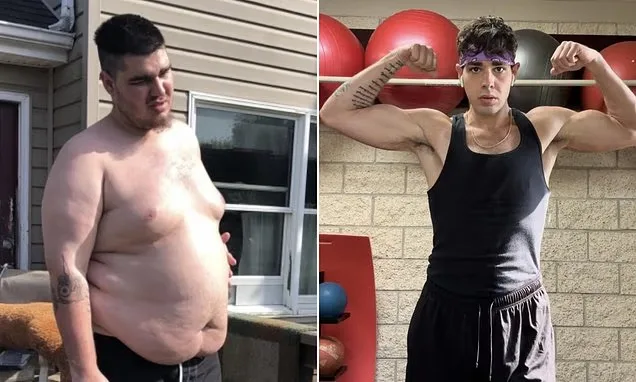
At 29, Devyn McGuire from Drums, Pennsylvania, tipped the scales at 400lbs after years of childhood bullying and emotional eating. 'I would eat junk food all day long to numb the pain,' he shared. Simple tasks left him breathless, his muscles weak, and injuries frequent. Mentally, self-hatred dominated: 'I could barely look in the mirror.'
Family health scares became his wake-up call at age 27. 'I woke up one day and had enough,' he said. Starting slow, he added daily walks, researched calorie deficits, and focused on macronutrients. Setbacks happened, but persistence paid off. He progressed to strength training, becoming 'addicted' to the process. Today, as an ISSA-certified weight loss specialist, he runs a business promoting natural methods.
'Don't overwhelm yourself. The first step is wanting to make a change... Eat clean foods, stay active, and stay consistent. I promise, the results will show.'
His 200lb loss improved his physical health, mental clarity, and social life—proof that lifestyle changes can transform lives without pharmaceuticals.
The Two Core Changes: Walking and Calorie Deficit
Step 1: Walking – The Low-Barrier Entry to Activity
McGuire began with walking because it required no equipment and built momentum. Clinical evidence supports this: a meta-analysis in British Journal of Sports Medicine (2022) found brisk walking burns 200-300 calories per 30 minutes for obese individuals, boosting NEAT (non-exercise activity thermogenesis) by up to 15% daily.
Start with 10-15 minutes daily, progressing to 10,000 steps. This increases mitochondrial function, improves insulin sensitivity, and reduces inflammation—key for metabolic health. Unlike high-intensity workouts, walking minimizes injury risk in deconditioned bodies.
Step 2: Calorie Deficit with Proper Macronutrients
A calorie deficit—consuming fewer calories than burned—is the cornerstone of weight loss. McGuire calculated his needs (around 3,500 calories daily at 400lbs maintenance) and aimed for 500-1,000 fewer, targeting 1-2lbs weekly loss to preserve muscle.
Macronutrients matter: 40% protein (1.6-2.2g/kg body weight) supports satiety and muscle retention; 30% fats for hormones; 30% carbs for energy. Studies like the DIETFITS trial (2018) show personalized macros outperform one-size-fits-all diets.
- Protein sources: Chicken, eggs, Greek yogurt, legumes.
- Fats: Avocados, nuts, olive oil.
- Carbs: Oats, vegetables, fruits.
Tools like Shotlee can track nutrition, symptoms, and progress alongside these changes, ensuring adherence.
The Science of Sustainable Weight Loss Without GLP-1s
GLP-1 drugs like semaglutide (Ozempic/Wegovy) reduce appetite via gut hormone mimicry, yielding 15-20% body weight loss in trials like STEP 1 (2021). Yet, McGuire achieved ~50% loss naturally through energy balance: 1lb fat = 3,500 calories deficit.
Obesity stems from chronic positive energy balance, inflammation, and hormonal dysregulation (e.g., leptin resistance). Lifestyle interventions reverse this:
Precision tracking for your journey
Join thousands using Shotlee to accurately track GLP-1 medications and side effects.
📱 Get the Shotlee App
Track your GLP-1 medications, peptides, and health metrics on the go with our mobile app!
- Calorie control: RCTs show 600kcal deficits sustain loss long-term (LOOK AHEAD trial).
- Activity: Combines aerobic (fat oxidation) and resistance (muscle preservation).
- Mindset: Dopamine from progress combats emotional eating.
For those on GLP-1s, these habits enhance results and mitigate rebound post-medication.
Progressing to Strength Training: Building Muscle and Momentum
Why Resistance Training is Essential
Once walking normalized mobility, McGuire added bodybuilding. Resistance training preserves lean mass during deficits—vital, as 25% of weight loss can be muscle without it (per 2020 meta-analysis in Obesity Reviews).
Muscle boosts basal metabolic rate by 5-10 calories/lb daily. Progressive overload (increasing weights/reps) drives hypertrophy and strength.
Beginner Program
- Frequency: 3x/week, full-body.
- Exercises: Squats, deadlifts, presses, rows (bodyweight or dumbbells).
- Sets/Reps: 3x8-12.
This approach fueled McGuire's addiction to fitness, creating a positive feedback loop.
Mental Health and Social Shifts: The Hidden Benefits
Physical changes reshaped McGuire's psyche: 'I began looking at myself without hate.' Exercise releases endorphins and BDNF, combating depression common in obesity (prevalence 30-50% higher).
Socially, improved treatment reinforced habits. Consistency breeds discipline: 'Get comfortable with being uncomfortable.'
Practical Tips for Your Natural Weight Loss Journey
McGuire's advice—start slow, focus on routine—aligns with evidence:
- Avoid overwhelm: Track one metric weekly (weight, waist).
- Handle plateaus: Adjust calories (reverse diet if needed), vary workouts.
- Sustainability: 80/20 rule—mostly clean, occasional treats.
- Support: Apps or coaches; monitor with tools like Shotlee for nutrition and side effects like fatigue.
Common pitfalls: All-or-nothing thinking, undereating protein. Consult a doctor for personalized plans, especially with comorbidities.
Natural Methods vs. GLP-1 Medications: Complementary Paths
GLP-1s excel for rapid loss but cost $1,000+/month, cause GI side effects (nausea in 20-40%), and risk regain off-drug (80% in some studies). Natural strategies like McGuire's are free, build lifelong skills, and avoid dependency.
Hybrid approach: Use GLP-1s short-term while adopting habits. Both target satiety—GLP-1s pharmacologically, diet/exercise physiologically.
Conclusion: Your Transformation Starts Today
Devyn McGuire's 200lb loss without Ozempic proves walking, calorie deficits, macros, and strength training—paired with discipline—deliver profound results. Backed by science, these changes improve metabolic health holistically. Recognize your 'rock bottom,' start small, stay consistent. As McGuire says, 'There is a way out.' Consult professionals, track progress, and reclaim your health naturally.