
Unlocking Metabolic Secrets: How Bariatric Surgery Impacts Glucose
Bariatric surgery is a powerful tool for weight loss and improving metabolic health. But how exactly does it change the way our bodies process sugar (glucose) and insulin? A recent study published in Communications Medicine sheds light on these complex dynamics, revealing important differences between surgical procedures and even between men and women.
Decoding Glucose-Insulin Dynamics After Bariatric Surgery
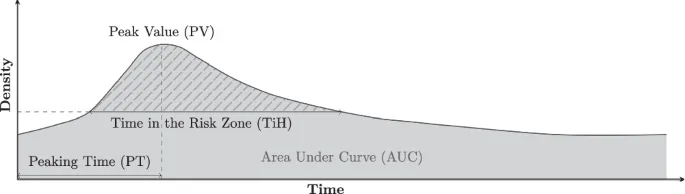
The study used a sophisticated computational model to analyze glucose and insulin responses after bariatric surgery, specifically looking at Roux-en-Y gastric bypass (RYGB) and One-Anastomosis Gastric Bypass (OAGB). Researchers found that both surgeries led to sharper and earlier glucose-insulin peaks, along with faster restoration to baseline. This means the body is more efficient at clearing glucose from the bloodstream after eating.
But there were key differences:
- RYGB resulted in a higher peak glucose-insulin response compared to OAGB. This may be due to anatomical differences, where nutrients reach the gut more quickly, leading to faster glucose absorption.
- OAGB presented a smoother glucose curve, which might lower the risk of post-bariatric hypoglycemia (low blood sugar).
RYGB vs. OAGB: Which is Better?
While RYGB's sharper glucose peaks could potentially have vascular implications, studies also show it improves hypertension. OAGB might be a safer choice for individuals with a history of cardiovascular disease due to its more gradual glucose absorption. Ultimately, both procedures offer substantial glycemic benefits.
The Role of GLP-1
These metabolic benefits are likely linked to changes in the gut after surgery. Specifically, there's an enhanced stimulation of L-cells, leading to a significant increase in the secretion of GLP-1, a gut hormone that stimulates insulin secretion and contributes to glycemic control. The increased GLP-1 secretion post-surgery helps enhance insulin sensitivity and improves glucose clearance.
Precision tracking for your journey
Join thousands using Shotlee to accurately track GLP-1 medications and side effects.
📱 Get the Shotlee App
Track your GLP-1 medications, peptides, and health metrics on the go with our mobile app!
Men vs. Women: Sex-Based Differences in Metabolic Response
The study also uncovered significant sex-based differences. Men exhibited a more unhealthy glucose-insulin profile throughout weight loss, with higher peak glucose levels. This highlights the importance of considering sex when developing personalized treatment strategies for metabolic conditions. According to a study in Diabetes Care, hormonal differences play a significant role in how men and women process glucose.
Practical Takeaways for Improving Metabolic Health
So, what can we learn from this research?
- Personalized treatment is key. Understanding individual glucose-insulin responses, especially after bariatric surgery, can help tailor treatment plans.
- Consider the surgical approach. The choice between RYGB and OAGB should be based on individual risk factors and metabolic needs.
- Monitor your glucose levels. Whether you've had bariatric surgery or are simply managing your metabolic health, regular glucose monitoring is crucial. Tools like Shotlee can help track your progress and identify potential issues.
Focusing on metabolic health includes paying close attention to diet, exercise, and overall lifestyle. For example, peptide therapy, including medications like semaglutide, sold under the brand names Ozempic and Wegovy, can improve glycemic control. Even other peptides like BPC-157, which is known for its healing properties, may have other benefits in this area.
Conclusion
Understanding the intricate glucose-insulin dynamics after bariatric surgery is crucial for optimizing patient outcomes. This study highlights the importance of personalized treatment strategies, considering both the type of surgery and individual characteristics like sex. By closely monitoring glucose levels and embracing a healthy lifestyle, individuals can unlock the secrets to improved metabolic health and longevity.