
Effectiveness of GLP-1 Receptor Agonists
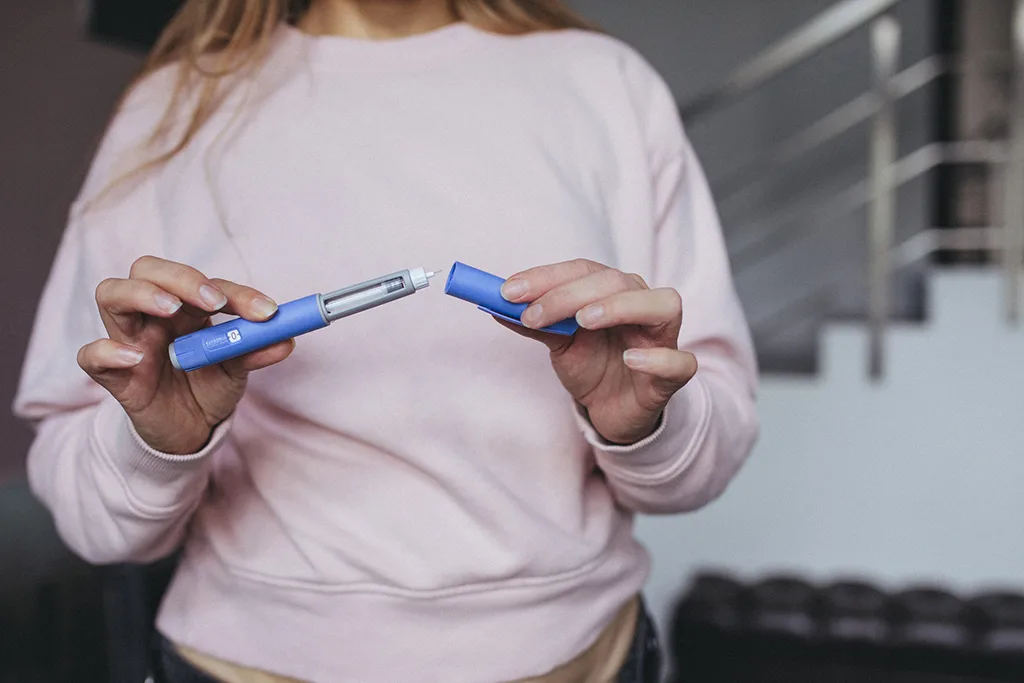
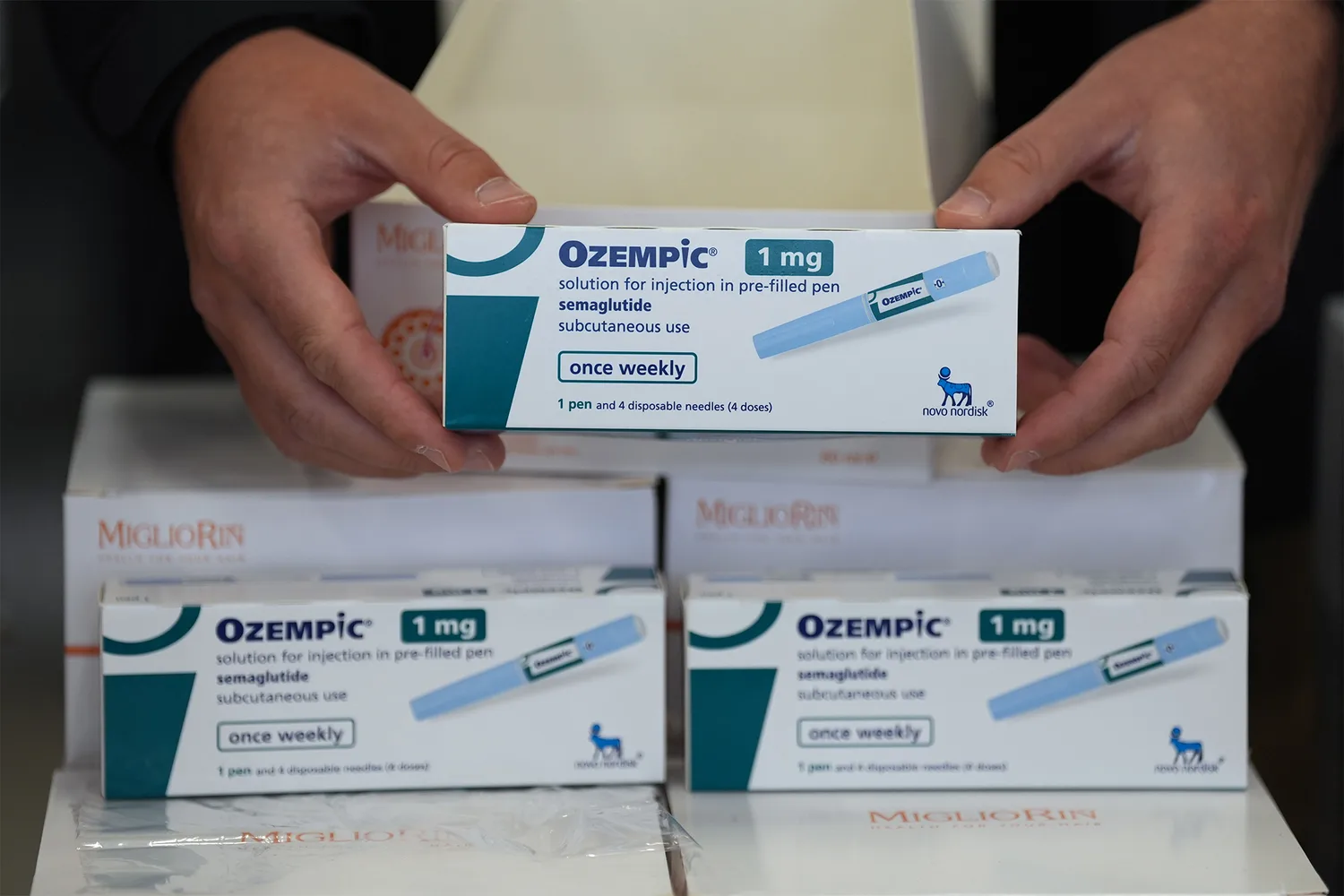
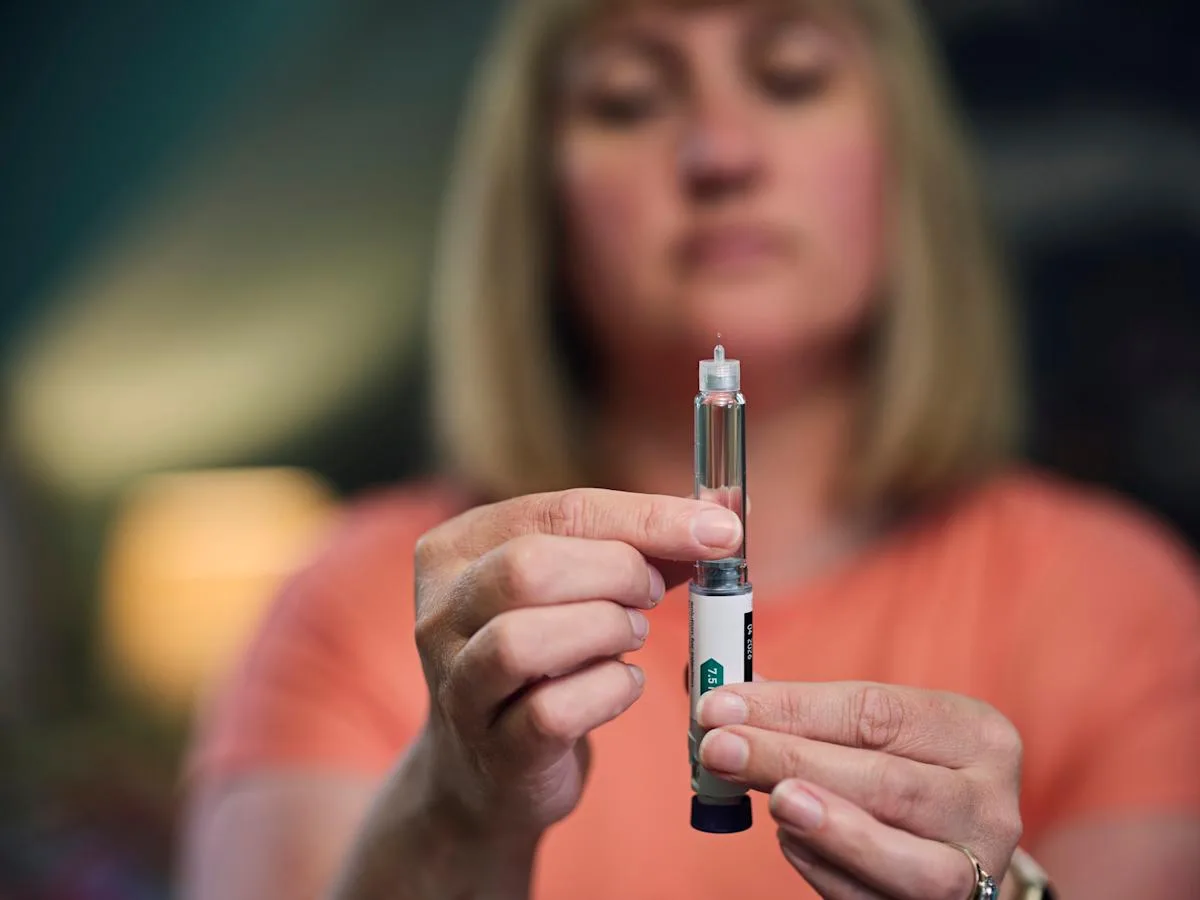
Drugs that activate glucagon-like peptide-1 (GLP-1) receptors, including widely used weight-loss injections like Wegovy and Ozempic, have demonstrated remarkable success. These medications not only help individuals shed substantial pounds but also provide various additional health advantages, such as reducing cardiovascular disease risks and preventing conditions like diabetic kidney damage, Parkinson's, and Alzheimer's.
The Dilemma of Discontinuation
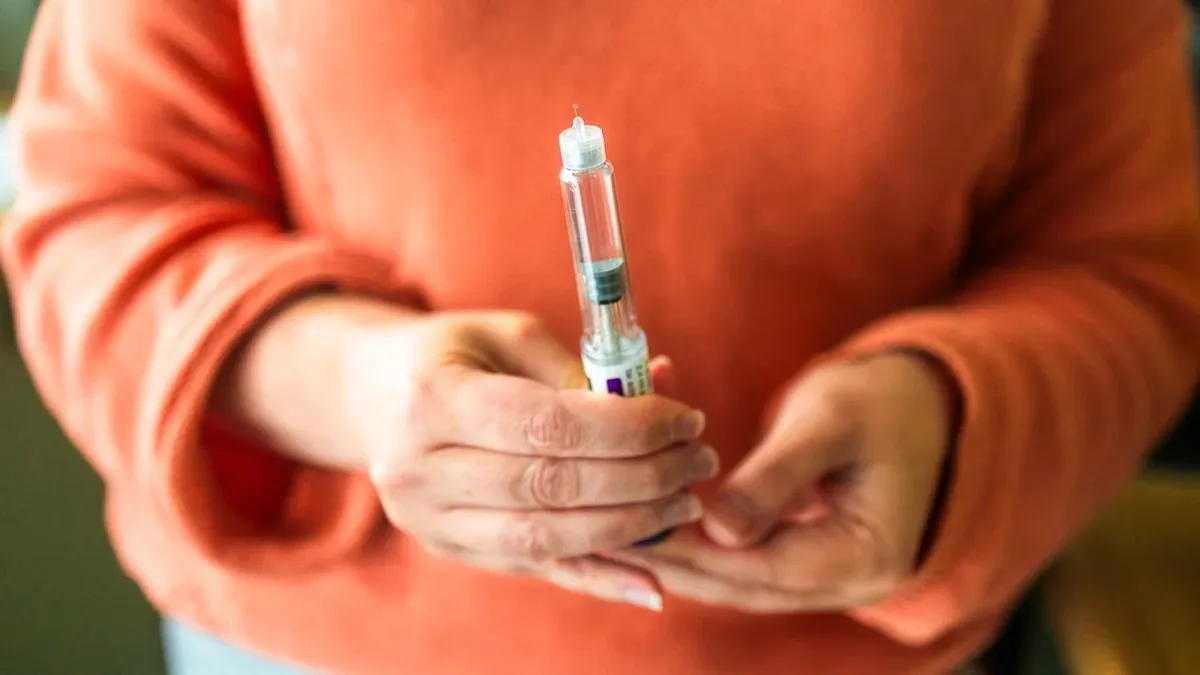
However, the stark truth about halting these monthly shots presents a troubling issue: can users ever quit these pricey treatments, or are they committing to a lifelong dependency fraught with serious repercussions? Recent investigations highlight the challenges of cessation.
Key Findings from Oxford Research
A fresh investigation conducted by experts at the University of Oxford analyzed 37 prior studies on weight loss therapies, encompassing more than 9,000 subjects. It revealed that individuals ceasing GLP-1 treatments regained pounds at a rate four times quicker than those relying on non-drug approaches, such as dietary adjustments and exercise routines.
On average, subjects reverted to their initial body weight merely 1.7 years post-medication. Individuals who discontinued the injections shared with the BBC recently that intense cravings resurfaced powerfully.
"It felt as if a switch flipped in my brain, urging: 'Consume everything, proceed, you've earned it after depriving yourself for ages,'" recounted Tanya Hall, who has alternated between using and stopping GLP-1 shots, expressing to the outlet her utter dismay at her eating habits resuming within days.
Reversal of Health Improvements
Moreover, the Oxford team discovered that the supplementary benefits vanished similarly. Vital health indicators, including blood pressure and cholesterol levels, returned to baseline approximately 1.4 years on average.
"This analysis indicates that halting [weight control treatments] leads to swift weight recovery and undoing of positive impacts on cardiometabolic factors," the scientists noted. "Such results urge prudence in brief applications without an integrated weight maintenance plan."
The experts propose that these pharmaceuticals alone fail to instill enduring behavioral shifts that endure beyond cessation.
Precision tracking for your journey
Join thousands using Shotlee to accurately track GLP-1 medications and side effects.
📱 Get the Shotlee App
Track your GLP-1 medications, peptides, and health metrics on the go with our mobile app!
"This accelerated regain might occur since drug users avoid deliberately altering eating habits to slim down, potentially lacking practical techniques to sustain losses post-treatment," explained senior researcher Dimitrios Koutoukidis, an associate professor at Oxford, in a released statement.
Recommendations for Balanced Use
The team advocates a more thoughtful strategy moving forward.
"These treatments are revolutionizing obesity management and deliver substantial reductions in weight," stated lead investigator Sam West, a research scientist at the University of Oxford. "Yet, our findings indicate rapid weight restoration after discontinuation—faster than observed with lifestyle interventions."
Nonetheless, this does not imply the drugs are ineffective.
"This is no flaw in the medications—it mirrors obesity's chronic, recurrent nature," West continued. "It serves as a warning against short-term application lacking a holistic long-term weight control method, and underscores primary prevention's significance."
Calls for Comprehensive Approaches
Other voices push for a broader treatment framework.
"Weight reduction medications serve as valuable aids in controlling body mass and type 2 diabetes vulnerability—but this study confirms they aren't a simple solution," Diabetes UK research communications head Faye Riley shared with The Guardian. "They should be administered judiciously, accompanied by personalized ongoing assistance, to maximize benefits and sustain losses as long as feasible post-discontinuation."
Health tracking apps like Shotlee can help monitor these changes and support long-term management.