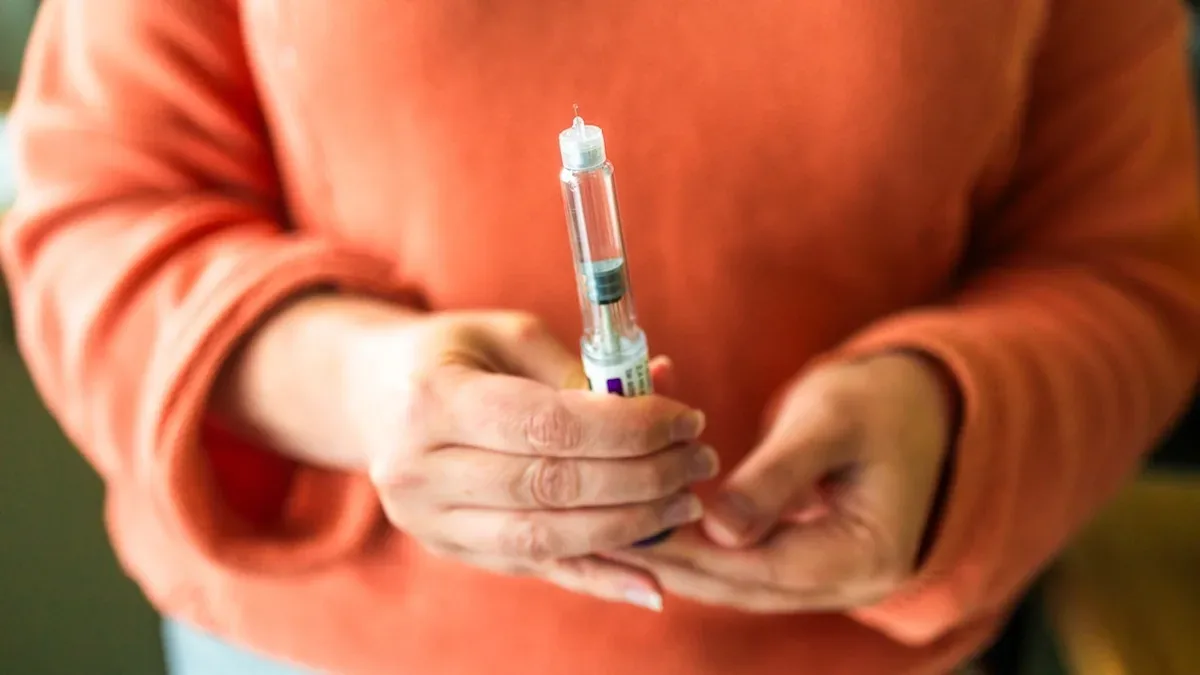

GLP-1 Drugs and Their Popularity Among Seniors
GLP-1 medications have emerged as a leading option in the weight management arena this year, yet certain elderly individuals in America are choosing to abandon this trend.
Research released in JAMA during January 2025, examining over 125,000 individuals who are overweight or obese, indicated that approximately 47% of participants with type 2 diabetes and 65% without diabetes discontinued their GLP-1 prescriptions within twelve months of initiation.
Dr. John Batsis, an expert in geriatrics and obesity at the University of North Carolina School of Medicine, shared with The New York Times in a recent article that adults aged 65 and above represent "ideal candidates" for these medications, given that obesity affects roughly 40% of older people.
Understanding GLP-1 Medications
These pharmaceuticals replicate a hormone in the gut known as glucagon-like peptide-1, primarily prescribed for managing type 2 diabetes and controlling weight. Additionally, they undergo trials for addressing various other health issues, including sleep apnea and heart-related events.
Initiating and then halting these drugs frequently results in regained weight, heightened hunger, and forfeiture of related benefits such as lower blood pressure and cholesterol, as noted by Stamford Health and specialists. The likelihood of conditions tied to obesity, like heart problems and sleep apnea, may also rise.
Reasons for Discontinuation Among Older Adults
Regardless of the potential drawbacks, elderly Americans are reportedly forsaking their weight-loss drugs for several motives, ranging from severe adverse reactions to escalating expenses.
The subsequent section outlines the primary four factors that might lead seniors to abandon their GLP-1 treatments.
Financial Challenges and Accessibility Issues
The cost of GLP-1 medications poses a significant hurdle in maintaining therapy, particularly amid shortages that limit supply.
The New York Times recounted the experience of Mary Bucklew, a 75-year-old retired transit worker from Delaware, who initially paid only $25 monthly through her insurance for Ozempic to manage weight.
After shedding 25 pounds over six months and reporting boosted vitality, Bucklew received notice from her insurer that coverage for the medication would end, despite her pleas regarding its health necessity.
Without insurance support, the prescription would exceed $1,000 monthly out-of-pocket, forcing her to cease usage, as detailed in the report.
Certain GLP-1 producers have taken steps to enhance affordability. In December 2025, Lilly declared a reduction in the price of Zepbound (tirzepatide) single-dose vials.
"An excessive number of individuals requiring obesity therapies encounter obstacles related to expenses and coverage," stated Ilya Yuffa, executive vice president and head of Lilly USA, in the press release. "This measure highlights Lilly's dedication to enhancing availability in obesity care. We remain committed to offering additional alternatives, such as varied delivery methods and novel access routes, enabling more patients to obtain essential treatments."
Common Side Effects
In a conversation with Fox News Digital, Dr. Sue Decotiis, a physician specializing in medical weight reduction in New York City, affirmed that over half of elderly patients halt GLP-1 usage because of expenses or unwanted effects.
Frequent adverse reactions encompass nausea, vomiting, diarrhea, constipation, bloating, headaches, tiredness, and hair loss, as per specialists.
Precision tracking for your journey
Join thousands using Shotlee to accurately track GLP-1 medications and side effects.
📱 Get the Shotlee App
Track your GLP-1 medications, peptides, and health metrics on the go with our mobile app!
"Elderly individuals might experience heightened sensitivity to gastrointestinal discomfort," Decotiis remarked. "Consistent oversight by a physician well-versed in medical weight loss is essential."
Older adults often begin in a state of dehydration and fail to ingest sufficient fluids to counteract GLP-1 impacts, according to Decotiis.
"A scale measuring body composition can assess fluid, muscle, and bone levels, visually demonstrating necessary actions to the individual," she suggested.
In Novo Nordisk's official prescribing details for Wegovy, the manufacturer cautions that symptoms like nausea, vomiting, and diarrhea could cause dehydration, emphasizing the "necessity of consuming ample fluids to avoid dehydration," particularly for those with renal conditions.
Risks of Muscle Loss
Muscle reduction, another potential effect of GLP-1 drugs, poses "significant harm" in this demographic, Decotiis warned.
When dehydration occurs or protein intake falls short, individuals might shed more muscle than fat, she explained.
A review from the American Heart Association in October 2024 referenced two studies indicating that under half of weight reduction from GLP-1s stems from fat, with a notable share deriving from muscle tissue.
Muscle deterioration in seniors heightens fall and fracture risks. Beyond age 35, muscle mass can decline by as much as 2% annually, rising to 3% after 60, per Harvard Health.
Experts concur that steps exist to mitigate semaglutide-induced muscle decline.
"It begins with enhanced vigilance from both the patient and doctor," Dr. Brett Osborn, a Florida neurosurgeon and longevity specialist, previously informed Fox News Digital. He advises physicians to perform routine body assessments and modify dosages if targets aren't reached.
Health providers prescribing these without "meticulous follow-up" may lead to treatment failures, Decotiis noted.
"Implementing an individualized dosage strategy aids in evading excessive side effects and promotes greater fat reduction, which is how GLP medications function effectively over time and throughout the system," she shared with Fox News Digital. "For select individuals, premium compounded GLP-1s can deliver customized dosing."
"Numerous patients ceasing GLP-1 medications might have continued with appropriate tailored support."
Health tracking apps like Shotlee can assist in monitoring weight changes and side effects during such treatments.