
Shotlee LogoShotlee
Blog
Download on theApp Store
Become aBeta Tester
Skip to main content
India's Obesity Crisis: GLP-1 Drugs' Role in Treatment - Featured image
GLP-1 Medications

India's Obesity Crisis: GLP-1 Drugs' Role in Treatment

A recent survey highlights that nearly 6 in 10 Indians are managing obesity-related issues like heart disease and hormonal disorders. GLP-1 receptor agonists (RAs), including Ozempic, Wegovy, and Mounjaro, are emerging as key treatments amid India's rising obesity rates. This guide breaks down their science, benefits, and integration with lifestyle changes.

Shotlee·January 24, 2026·Updated Jan 24, 2026·4 min read
Share:

Contents

  1. 01India's Growing Obesity Epidemic
  2. 02Survey Insights: Perceptions and Realities of Obesity in India
  3. 03What Are GLP-1 Receptor Agonists (RAs)?
  4. 04Clinical Evidence and Dosing Considerations
  5. 05Health Benefits of GLP-1-Induced Weight Loss
  6. 06Managing Side Effects and Best Practices
  7. 07Challenges and Future Outlook in India
  8. 08Conclusion
  9. 09Mechanisms: How GLP-1 RAs Drive Weight Loss
  10. 10Metabolic and Diabetes Control
  11. 11Cardiovascular Gains
  12. 12Beyond Weight: Multi-Organ Improvements

India's Growing Obesity Epidemic

Obesity has evolved from a concern of affluence to a nationwide public health crisis in India. The World Health Organization (WHO) reports over 1 billion people worldwide living with obesity, with prevalence surging in nearly every country. In India, the National Family Health Survey-5 (NFHS-5, 2019-21) indicates that nearly one in four adults is obese, a sharp rise driven by urbanization, dietary shifts toward processed foods, sedentary lifestyles, and genetic predispositions.

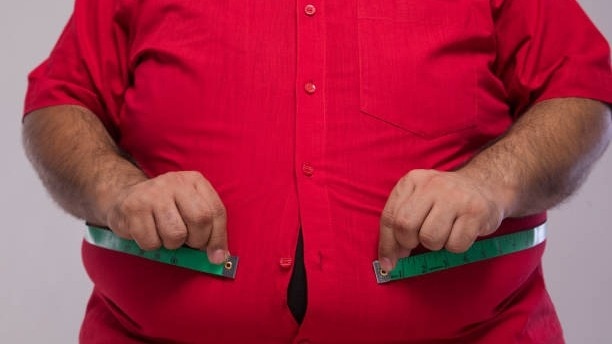
A study in The Lancet Regional Health - Southeast Asia underscores abdominal obesity—visceral fat accumulation around organs—as particularly alarming: 40% in women and 12% in men overall, escalating to 50-60% among women aged 30-49. Risk factors include older age, urban living, higher socioeconomic status, and non-vegetarian diets, but trends now extend to rural and lower-income groups, signaling a democratization of the disease.

Obesity is a chronic, relapsing disease from interactions of genetics, neurobiology, behaviors, and environment, per WHO—not merely a lifestyle failing.

Survey Insights: Perceptions and Realities of Obesity in India

A collaborative survey by The Times of India and Novo Nordisk, involving 16,741 respondents, paints a stark picture. Only 53% recognize obesity as a medical condition; 32% dismiss it as non-medical, and 15% are unsure. Yet, 6 in 10 Indians are already grappling with complications like cardiovascular disease, hormonal imbalances (e.g., PCOS), type 2 diabetes, and fatty liver.

Over 80% have attempted weight loss, often through diets or exercise, but sustained success remains elusive. Awareness of prescription options is low: just 16% are well-informed about GLP-1 RAs, while 44% have vague knowledge. This gap highlights the need for education on evidence-based treatments beyond willpower alone.

What Are GLP-1 Receptor Agonists (RAs)?

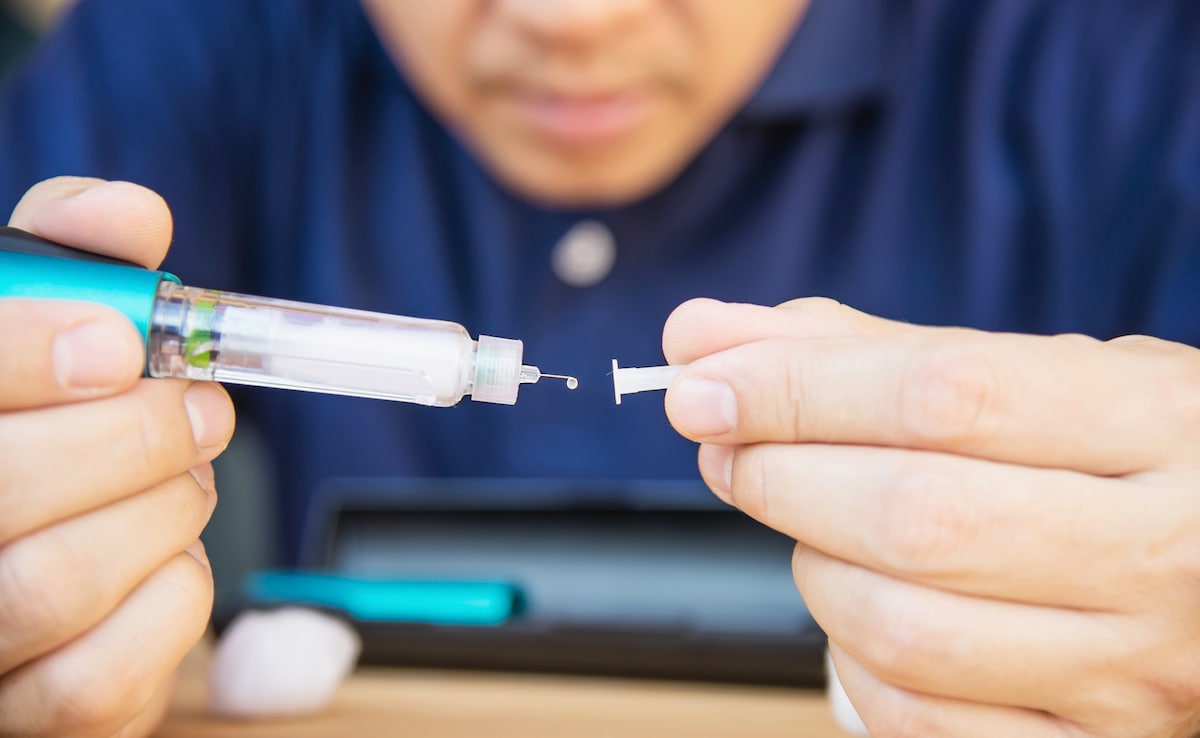
GLP-1 RAs mimic glucagon-like peptide-1 (GLP-1), an incretin hormone released from intestinal L-cells post-meal. Native GLP-1 regulates glucose homeostasis, but its short half-life (1-2 minutes) limits therapeutic use. These injectable analogs—weekly subcutaneous doses—extend action to hours or days.

In India, key options include:

  • Ozempic (semaglutide): Launched December 2025 by Novo Nordisk, primarily for type 2 diabetes but used off-label for weight loss.
  • Wegovy (semaglutide): Higher-dose version launched June 2025, FDA-approved specifically for obesity.
  • Mounjaro (tirzepatide): Dual GLP-1/GIP agonist, launched March 2025, showing superior weight loss in trials.

These drugs target obesity as a chronic condition, complementing—not replacing—lifestyle interventions.

Mechanisms: How GLP-1 RAs Drive Weight Loss

GLP-1 RAs act via multiple pathways:

  • Appetite suppression: Bind hypothalamic receptors, increasing satiety signals and reducing hunger hormones like ghrelin.
  • Slowed gastric emptying: Prolongs fullness, blunts postprandial glucose spikes.
  • Glucose regulation: Enhance insulin secretion (glucose-dependent), suppress glucagon, improving insulin sensitivity.
  • Cardiovascular protection: Reduce inflammation, improve endothelial function.

Tirzepatide's GIP agonism adds fat metabolism benefits, explaining its edge. Clinical trials like STEP (semaglutide) show 15-17% weight loss at 68 weeks; SURMOUNT (tirzepatide) up to 21%—far surpassing lifestyle alone (2-5%).

Clinical Evidence and Dosing Considerations

For obesity (BMI ≥30 or ≥27 with comorbidities), start low to minimize side effects:

  • Semaglutide (Ozempic/Wegovy): 0.25 mg weekly, titrate to 2.4 mg over 16 weeks.
  • Tirzepatide (Mounjaro/Zepbound): 2.5 mg weekly, up to 15 mg.

Sustained use maintains loss; discontinuation leads to ~2/3 regain within a year. Long-term data (SELECT trial) shows 20% reduction in major cardiovascular events, even without diabetes.

Track your medication journey

Join thousands using Shotlee to track GLP-1 medications.

📱 Get the Shotlee App

Track your GLP-1 medications, peptides, and health metrics on the go with our mobile app!

Download on theApp Store
Become aBeta Tester

In India, accessibility improves post-2025 launches, but costs (₹10,000-20,000/month) and supply chain issues persist. Tools like Shotlee can help patients track symptoms, side effects, and nutrition adherence alongside therapy.

Health Benefits of GLP-1-Induced Weight Loss

Metabolic and Diabetes Control

5-10% loss stabilizes blood sugar, reverses prediabetes (58% risk reduction per Diabetes Prevention Program), and improves HbA1c by 1-2%. Insulin sensitivity rises in adipose, hepatic, and skeletal tissues, mitigating metabolic syndrome.

Cardiovascular Gains

Lower triglycerides (20-30%), HDL rise, blood pressure drop (5-10 mmHg systolic). CRP falls 30-40%; 10% loss correlates with 20-30% fewer events like MI/stroke.

Beyond Weight: Multi-Organ Improvements

  • NAFLD/NASH: 7-10% loss resolves steatosis; 15%+ improves fibrosis.
  • Sleep Apnea: 10% loss cuts AHI by 50%.
  • Musculoskeletal: Reduced joint load eases osteoarthritis pain.
  • Mental Health: Improved mood, reduced depression risk via neuroinflammation reduction.

Even modest 5% loss yields profound benefits, amplifying with GLP-1s.

Managing Side Effects and Best Practices

Common issues: nausea (20-40%, dose-dependent), vomiting, diarrhea—usually transient. Rare: gastroparesis, pancreatitis, gallbladder disease. Mitigation: slow titration, antiemetics, hydration.

Patient Selection: Ideal for those failing lifestyle (≥6 months). Monitor thyroid (contraindicated in MTC history), renal function.

Combine with 500 kcal deficit diet, 150 min/week exercise. Apps like Shotlee aid logging intake, side effects, aiding adherence.

Challenges and Future Outlook in India

Stigma, low awareness, affordability hinder uptake. Policy support—like insurance coverage—could expand access. Dual/triple agonists (e.g., retatrutide) promise 25%+ loss.

GLP-1s aren't "magic pills" but powerful tools addressing obesity's biology when paired with habits.

Conclusion

India's obesity crisis demands multifaceted action. GLP-1 RAs like Ozempic, Wegovy, and Mounjaro offer 5-20% sustained loss, slashing complication risks. Consult specialists for personalized plans—empowering metabolic health transformation.

Original source: NDTV

View original article →
#GLP-1 drugs India#obesity treatment India#Ozempic Wegovy Mounjaro India#abdominal obesity survey India#GLP-1 RA weight loss
  1. Home
  2. Blog
  3. India's Obesity Crisis: GLP-1 Drugs' Role in Treatment

Related Articles

Healthy Lifestyle Enhances GLP-1 Therapy's CV Benefits in Type 2 Diabetes
GLP-1 Medications

Healthy Lifestyle Enhances GLP-1 Therapy's CV Benefits in Type 2 Diabetes

New research reveals that pairing GLP-1 receptor agonists with healthy lifestyle habits significantly lowers heart attack, stroke, and CV death risk in type 2 diabetes patients. Those following 6-8 habits plus GLP-1 therapy saw a 43% reduced MACE risk. This study highlights their complementary roles in heart health.

Zydus Launches Affordable Semaglutide Brands in India on Patent Expiry
GLP-1 Medications

Zydus Launches Affordable Semaglutide Brands in India on Patent Expiry

Zydus Lifesciences is set to launch affordable semaglutide injections in India right on patent expiry, targeting the growing Type 2 diabetes and obesity crisis. With innovative reusable pens under brands like SEMAGLYN, MASHEMA, and ALTERME, the company aims to cut costs and improve patient adherence. This move could transform access to GLP-1 therapy for millions.

Ozempic-Like Drugs in India May Drop 50% in Price from March 2026
GLP-1 Medications

Ozempic-Like Drugs in India May Drop 50% in Price from March 2026

Semaglutide-based weight-loss drugs like Ozempic and Wegovy are set for a price revolution in India, with generics launching after patent expiry on March 20, 2026, potentially halving costs. Domestic giants like Sun Pharmaceutical and Dr. Reddy's are gearing up to make these GLP-1 therapies more affordable amid rising obesity rates. This shift could transform access to effective treatments for diabetes and weight management.

Shotlee LogoShotlee

Your comprehensive health tracking companion. Track, analyze, and optimize your journey with advanced metrics and community support.

Product

  • Get Started

Resources

  • Health Blog
  • Support Center
  • System Status

Legal

  • Privacy Policy
  • Terms of Service
  • Community Guidelines
  • Refund Policy

© 2026 Shotlee. All rights reserved.

Made with ♥ for the community