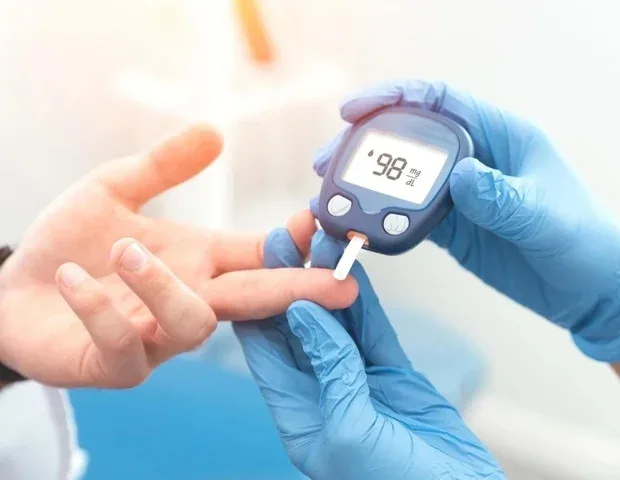

In the management of type 2 diabetes (T2D), GLP-1 receptor agonists (GLP-1 RAs) have emerged as powerful tools for improving glycemic control and cardiovascular outcomes. A groundbreaking study led by researchers at Harvard T.H. Chan School of Public Health and the Department of Veterans Affairs Boston Healthcare System demonstrates that combining GLP-1 therapy with healthy lifestyle habits yields even greater cardiovascular protection. This is the first large cohort investigation to examine the combined effects of healthy habits and GLP-1 RAs on heart health in T2D patients, showing these strategies are complementary rather than substitutes.
Study Overview: Unpacking the Research Design
The study analyzed data from more than 98,000 adults living with T2D and without prior cardiovascular disease, drawn from the Veterans Affairs' Million Veteran Program spanning 2011 to 2023. Researchers evaluated lifestyle habits, GLP-1 RA usage, and major adverse cardiovascular events (MACEs), defined as non-fatal stroke, myocardial infarction, or cardiovascular death.
Key elements included:
- Healthy lifestyle habits assessed: healthy diet, regular exercise, not smoking, restful sleep, minimal alcohol intake, good stress management, social connection and support, and no opioid use disorder.
- GLP-1 RA users: More than 13,000 participants used a GLP-1 RA.
- Controls: Analyses adjusted for demographic and health-related confounders like age, sex, and comorbidities.
"Our findings underscore that, even in the era of highly effective GLP-1 pharmacotherapy, lifestyle habits remain central to diabetes management and cardiovascular risk reduction and can substantially amplify the benefits of modern medications," said corresponding author Frank Hu, Fredrick J. Stare Professor of Nutrition and Epidemiology and chair of the Department of Nutrition.
How GLP-1 Receptor Agonists Work for Cardiovascular Health
GLP-1 RAs mimic the glucagon-like peptide-1 hormone, promoting insulin secretion, slowing gastric emptying, and reducing appetite, which leads to weight loss—a critical factor in T2D. Beyond glucose control, these medications offer cardioprotective effects through mechanisms like reduced inflammation, improved endothelial function, and better lipid profiles. In T2D patients, where cardiovascular disease is the leading cause of death, GLP-1 RAs like semaglutide or liraglutide have shown consistent benefits in trials such as LEADER and SUSTAIN-6, setting the stage for studies like this one exploring synergies with lifestyle.
Key Findings: Synergistic Risk Reduction
The results were striking: Maintaining a healthy lifestyle and using a GLP-1 RA led to significantly reduced MACE risk. Specifically:
- Participants using a GLP-1 RA and adhering to six to eight healthy habits had a 43% lower risk compared to those not using a GLP-1 RA and adhering to three or fewer habits.
- Healthy habits alone: Adhering to all eight healthy habits yielded a 60% lower risk versus one or fewer.
- GLP-1 RA alone: Users had a 16% lower MACE risk compared to non-users.
These findings confirm that healthy habits and GLP-1 RA usage independently benefit heart health, but their combination maximizes protection. "From a public health perspective, the results underscore the continued importance of population-level investments and policy in promoting healthy diet, physical activity, sleep, stress management, and social connection, even in a modern drug era," Hu added. "As novel therapies expand, scalable lifestyle interventions remain essential for reducing the overall burden of cardiovascular disease and other chronic diseases."
Precision tracking for your journey
Join thousands using Shotlee to accurately track GLP-1 medications and side effects.
📱 Get the Shotlee App
Track your GLP-1 medications, peptides, and health metrics on the go with our mobile app!
Breaking Down the Eight Healthy Habits
To help patients implement these, here's a closer look:
- Healthy diet: Emphasize whole foods, fiber-rich vegetables, lean proteins, and limited processed sugars—aligning with Mediterranean or DASH patterns that complement GLP-1 RAs' weight loss effects.
- Regular exercise: At least 150 minutes of moderate activity weekly, enhancing insulin sensitivity and CV fitness.
- Not smoking: Eliminates a major CV risk amplifier.
- Restful sleep: 7-9 hours nightly, crucial for metabolic regulation.
- Minimal alcohol: <1-2 drinks/day, avoiding excess that worsens insulin resistance.
- Good stress management: Techniques like mindfulness reduce cortisol-driven risks.
- Social connection: Strong networks buffer CV stress.
- No opioid use disorder: Prevents compounding comorbidities.
Clinical Implications for Type 2 Diabetes Patients
For T2D patients at high CV risk, this study reinforces a holistic approach. GLP-1 RAs are recommended by guidelines like ADA/EASD for those with established CV disease or high risk, but adding lifestyle changes amplifies outcomes. Patients should discuss GLP-1 RA initiation with their physician, considering factors like kidney function and GI tolerance.
Practical Guidance:
- Start small: Aim for 4-6 habits first, tracking progress with apps or tools like Shotlee for symptoms and medication adherence.
- Monitor side effects: Common GLP-1 RA issues include nausea or GI upset, often transient; lifestyle can mitigate via gradual dosing.
- Compare options: Versus SGLT2 inhibitors, GLP-1 RAs excel in weight loss; combos may be ideal for some.
Safety Considerations and Side Effects
GLP-1 RAs are generally safe, with low hypoglycemia risk, but watch for pancreatitis or thyroid concerns (rare). Lifestyle integration reduces overall CV burden without added risks, making it a low-barrier enhancement.
Study Limitations and Generalizability
The researchers noted limitations: Observational data may involve residual confounding (e.g., socioeconomic status), despite adjustments. The cohort was primarily white male veterans, potentially limiting generalizability, though findings held across races, ethnicities, and sexes.
Reference: Nguyen XMT, Li Y, Czernichow S, et al. Combined associations of GLP-1 receptor agonists and a healthy lifestyle with cardiovascular outcomes among individuals with type 2 diabetes: a prospective cohort study. Lancet Diabetes Endocrinol. 2026:S221385872500395X. doi: 10.1016/S2213-8587(25)00395-X.
Key Takeaways: What This Means for Patients
- GLP-1 RAs reduce MACE risk by 16% alone, but pair with 6-8 healthy habits for 43% reduction.
- Lifestyle alone cuts risk by 60% with full adherence.
- Prioritize diet, exercise, sleep, and social ties alongside pharmacotherapy.
- Consult providers for personalized plans; track via digital tools for best results.
Conclusion: A Complementary Path Forward
This Harvard-VA study solidifies that GLP-1 therapy's cardiovascular benefits in type 2 diabetes are profoundly enhanced by healthy lifestyle habits. Patients and clinicians should embrace this dual strategy to optimize heart health outcomes. For related topics like GLP-1 dosing or peptide alternatives, explore our guides on metabolic health.