
Ozempic-Like Drugs in India May Drop 50% in Price from March 2026
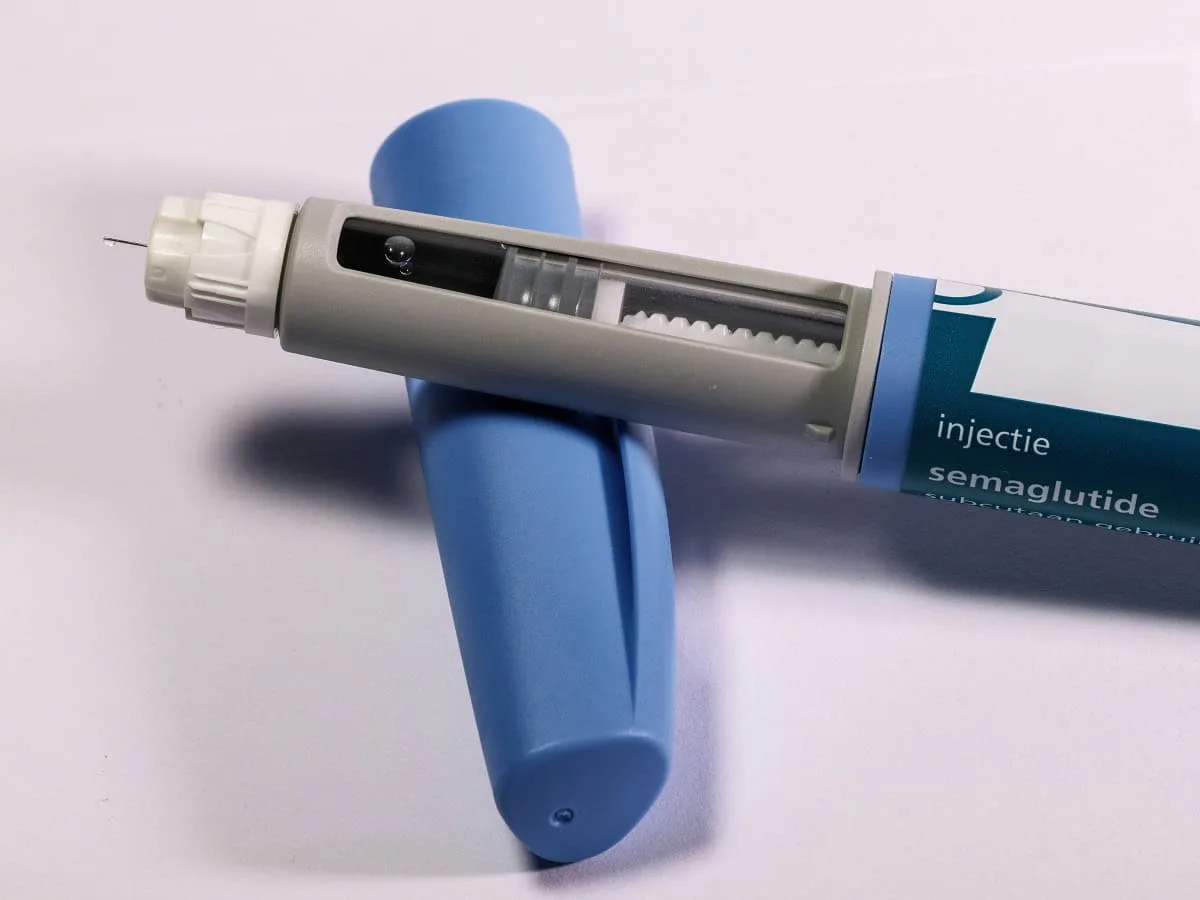
India's market for anti-obesity medicines, including popular GLP-1 receptor agonists like Ozempic and Wegovy, is poised for a major affordability boost. Industry estimates indicate that prices of these semaglutide-based injections could fall by as much as 50% starting March 21, 2026, following the patent expiry on March 20. This development, driven by domestic drugmakers such as Sun Pharmaceutical Industries, Zydus Lifesciences, Dr. Reddy's Laboratories, and Natco Pharma, promises to expand access for patients managing obesity and type 2 diabetes.
The Patent Expiry: A Turning Point for Semaglutide in India
Semaglutide treatments have seen explosive global demand for obesity management and type 2 diabetes control. In India, the anti-obesity segment is valued at nearly Rs 1,400 crore and growing rapidly. Until now, Novo Nordisk has held exclusive rights to branded versions like Ozempic and Wegovy, priced at premiums that reflect extensive research and development costs. These high prices have limited access for many eligible patients since their launch.
With patent protection ending on March 20, 2026, generic competition will kick in from March 21. Several Indian pharmaceutical companies are already preparing launches. Analysts predict this influx will drive sharp price reductions through increased supply and competition, making semaglutide a more viable option for broader populations.
Key Players Entering the Generic Semaglutide Market
- Sun Pharmaceutical Industries: Planning competitive generics post-patent lapse.
- Zydus Lifesciences: Positioning for immediate market entry.
- Dr. Reddy's Laboratories: Aiming to capture share with cost-effective versions.
- Natco Pharma: Among those signaling aggressive pricing strategies.
These firms have indicated plans for discounts of 50-60% in the initial phase, with further corrections as more entrants join over subsequent months.
Expected Price Drops: From Premium to Affordable
Current branded semaglutide injections command significantly higher prices in India. Market experts forecast that generic starter doses could drop to approximately Rs 3,500-Rs 4,000 per month once launched in late March 2026. This represents a potential 50% reduction, transforming these from niche, high-cost therapies into widely accessible options.
As competition intensifies, prices may decline even further, broadening market reach. For patients, this means lower out-of-pocket costs for ongoing treatment, crucial for long-term management of chronic conditions.
Understanding Semaglutide: Mechanism and Clinical Role
Semaglutide belongs to the class of GLP-1 receptor agonists, initially developed to regulate blood sugar in people with type 2 diabetes. By mimicking the GLP-1 hormone, it stimulates insulin release, suppresses glucagon, slows gastric emptying, and signals fullness to the brain—leading to substantial weight loss when prescribed appropriately.
Beyond glycemic control, semaglutide has demonstrated benefits in obesity treatment. Global health bodies, including the World Health Organization, emphasize obesity as a key risk factor for heart disease, diabetes, and hypertension. GLP-1 agonists like semaglutide address these by promoting weight reduction, improving blood sugar, and potentially lowering cardiovascular risks under medical supervision.
Why Semaglutide Matters in India's Health Landscape
India faces one of the world's largest adult diabetes populations, per the International Diabetes Federation. Rising obesity rates compound this, with lifestyle changes alone often insufficient. Affordable semaglutide could fill a critical gap, offering medical intervention alongside diet and exercise.
Precision tracking for your journey
Join thousands using Shotlee to accurately track GLP-1 medications and side effects.
📱 Get the Shotlee App
Track your GLP-1 medications, peptides, and health metrics on the go with our mobile app!
Safety, Side Effects, and Proper Usage Guidance
While GLP-1-based medications like Ozempic and Wegovy offer meaningful benefits, they are not standalone solutions. Healthcare professionals stress integration into comprehensive plans with diet, exercise, and regular monitoring. Common side effects include nausea, vomiting, and gastrointestinal discomfort, which typically subside over time.
Patients should only use these under qualified practitioners' guidance to ensure safety and effectiveness. Discuss family history, other medications, and lifestyle factors with your doctor before starting. Tools like Shotlee can help track symptoms, side effects, or injection schedules for better adherence and doctor consultations.
Serious risks, such as pancreatitis or thyroid concerns, are rare but warrant vigilance. Long-term data supports cardiovascular safety in appropriate candidates, but personalized assessment is key.
Comparing Semaglutide to Alternatives
In India, semaglutide stands out among weight-loss injections for its dual diabetes-obesity efficacy. Alternatives like older diabetes drugs (e.g., metformin) or other GLP-1s may lack comparable weight-loss potency. Branded versions currently dominate, but generics will level the field against pricier imports.
Post-2026, patients may choose between multiple generic providers, fostering quality competition while maintaining bioequivalence standards set by regulators.
Public Health Implications of Cheaper GLP-1 Therapies
Lower prices could significantly impact India's public health. With obesity and diabetes surging, accessible semaglutide may reduce related complications like heart disease. Analysts envision a shift from limited elite access to widespread use, potentially easing healthcare burdens.
However, experts caution against over-reliance: these drugs complement, not replace, lifestyle measures. Sustained success requires holistic approaches.
Key Takeaways: What This Means for Patients
- Patent expiry on March 20, 2026, enables generics from March 21, slashing Ozempic/Wegovy prices by up to 50%.
- Monthly costs for starter doses could hit Rs 3,500-4,000, led by Sun Pharma, Zydus, Dr. Reddy's, and Natco.
- Semaglutide aids weight loss, diabetes control, and CV risk reduction as a GLP-1 agonist.
- Consult doctors for prescriptions; combine with diet/exercise.
- Monitor via apps like Shotlee for optimal outcomes.
Conclusion: A More Accessible Future for Metabolic Health
The impending generic entry for semaglutide-based drugs like Ozempic and Wegovy marks a pivotal moment for India's Rs 1,400 crore anti-obesity market. By improving affordability, it empowers more patients to tackle obesity and type 2 diabetes effectively. Stay informed on launches, discuss with healthcare providers, and prioritize comprehensive management for lasting results. For related topics like GLP-1 mechanisms or diabetes prevention, explore our guides on metabolic health.