
Hidden Side Effects of GLP-1 Drugs: 6 Clues from Reddit Study
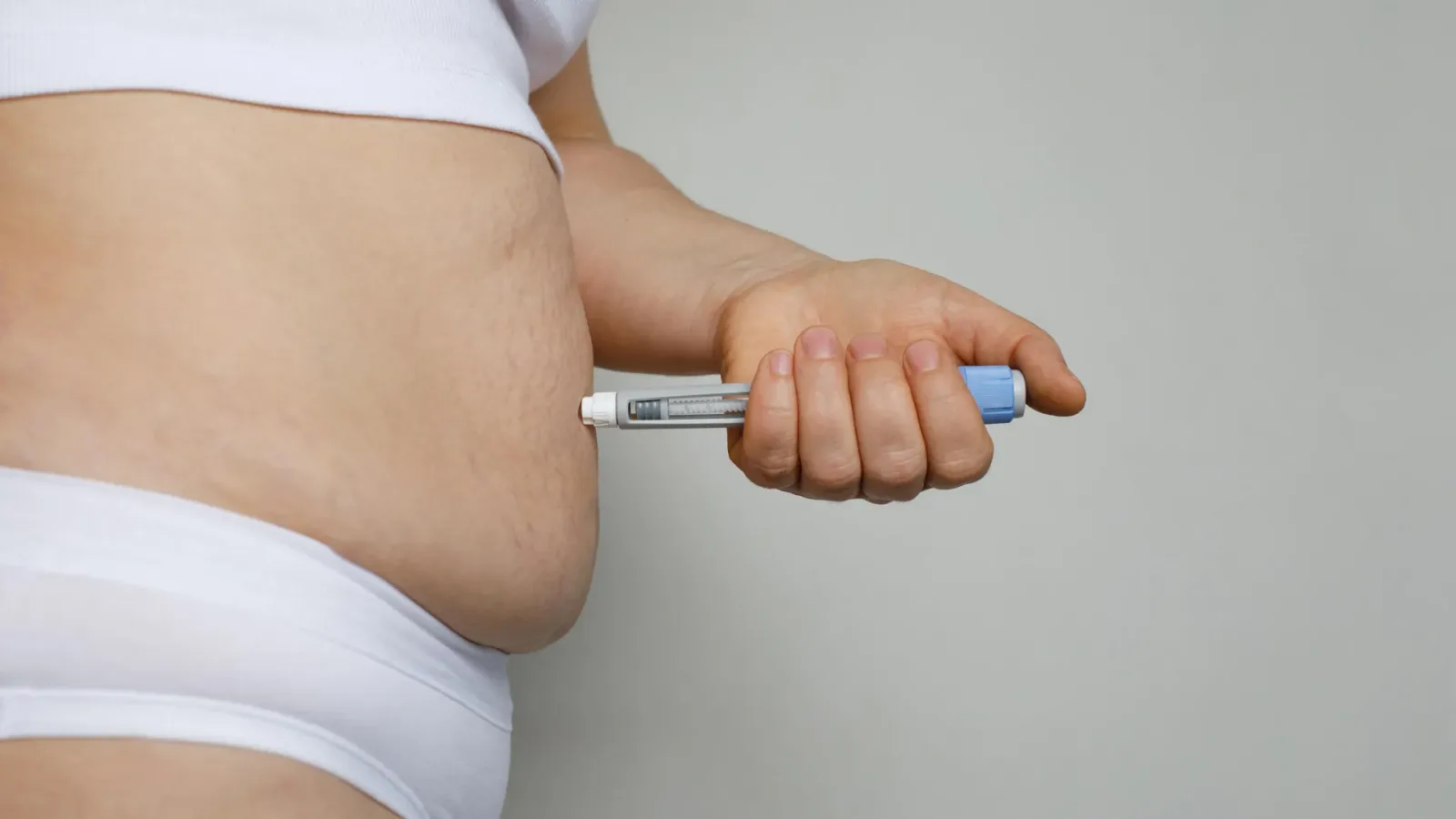
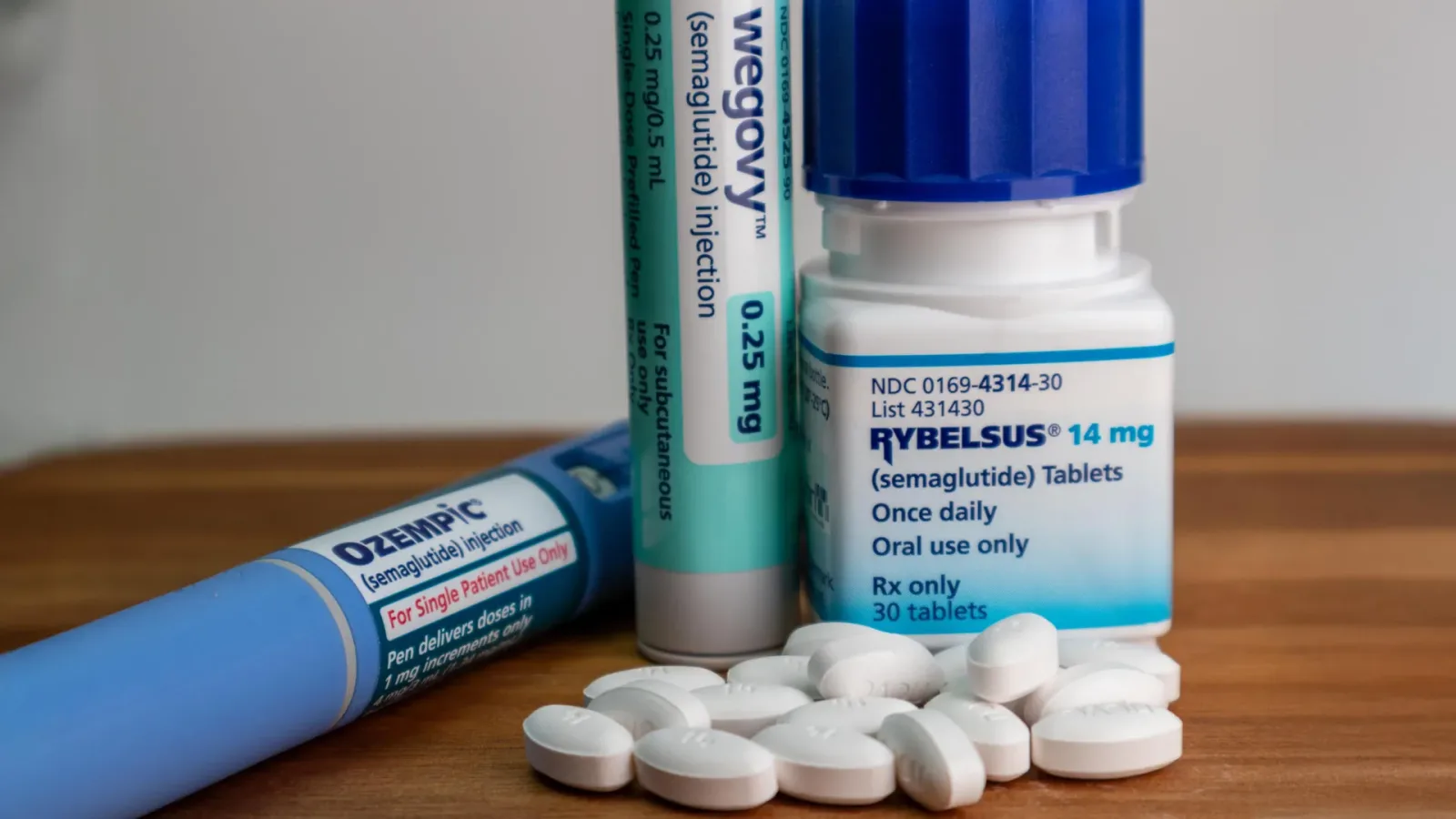
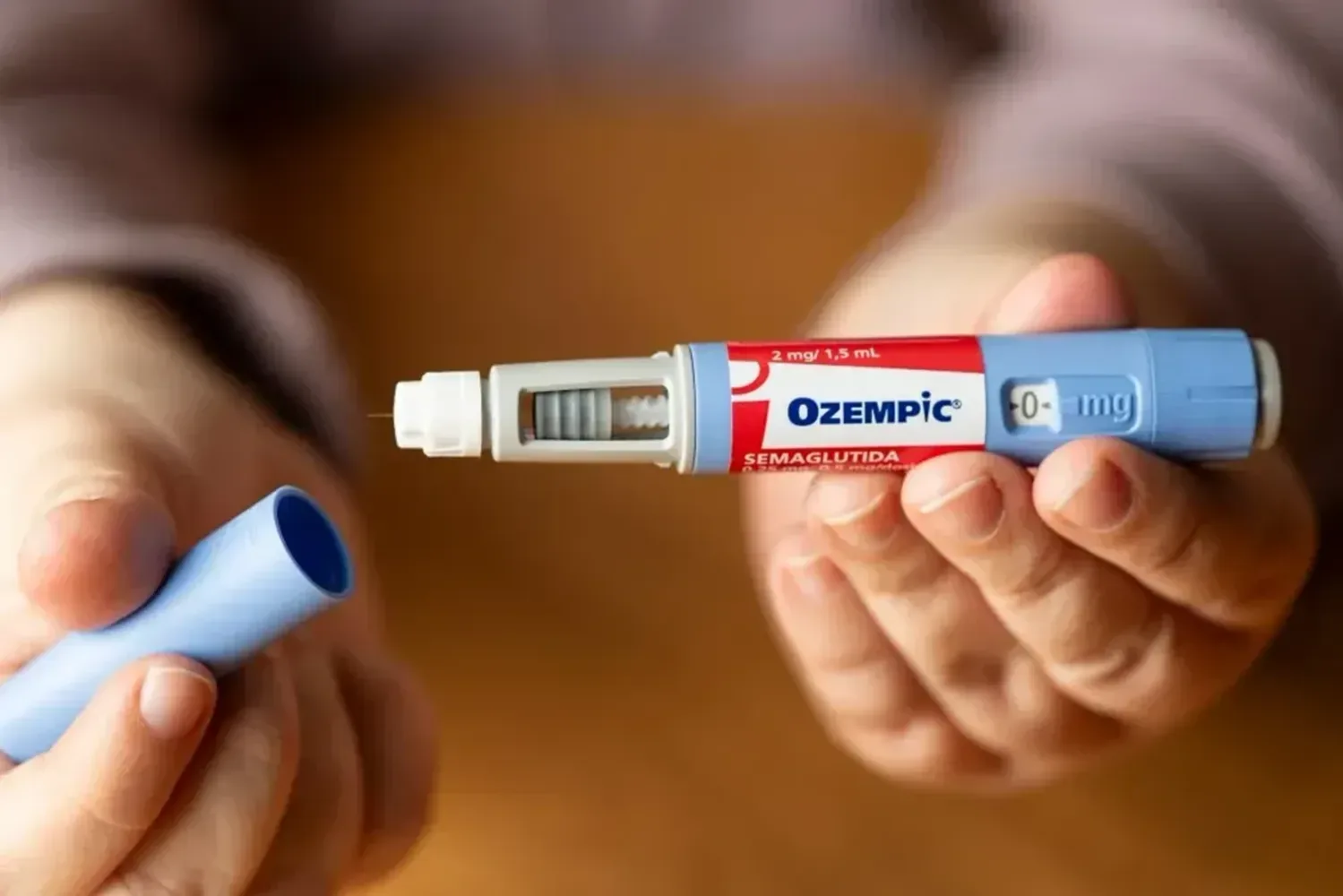
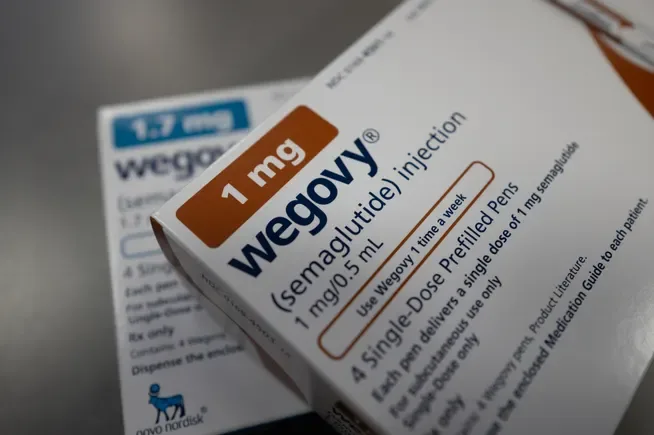
GLP-1 medications like semaglutide (Ozempic, Wegovy) and tirzepatide (Mounjaro) have transformed weight loss and metabolic health management, but a recent study highlights hidden side effects of GLP-1 drugs that patients may not expect. Published in Nature Health, the analysis of user experiences pushes the conversation beyond familiar gastrointestinal issues, spotlighting reproductive irregularities and temperature-related complaints. These insights from real-world reports underscore the broader biological impacts of these therapies.
What the Study Found: Analyzing 410,198 Reddit Posts
The research examined 410,198 Reddit posts tied to semaglutide and tirzepatide, identifying 67,008 users who self-reported using these medications. Of those, 43.5% posted about at least one side effect. This substantial volume illustrates how often individuals share unexpected symptoms in online communities, though it doesn't quantify prevalence in the general population.
Key among the findings were symptoms not routinely highlighted in standard side effect profiles, including menstrual irregularities as reproductive issues and temperature-related complaints such as chills and hot flashes. These stand out because they extend the discussion past the well-known gastrointestinal effects like nausea, bloating, and constipation associated with GLP-1 medications.
Study Methodology and Limitations
By focusing on self-reported posts, the study captured authentic patient voices, offering a window into everyday experiences. However, researchers caution that social media data reflects those motivated to post, not a randomized clinical sample. This approach excels at pattern detection but requires validation through controlled trials to link symptoms directly to the drugs.
Why These Hidden Side Effects Matter for GLP-1 Users Now
With GLP-1 drugs like Ozempic, Wegovy, and Mounjaro gaining massive popularity for weight management, understanding the full side effect spectrum is crucial. Patients starting treatment may attribute bodily changes to the medication, but factors like rapid weight loss, metabolic shifts, or personal physiology can interplay. The study's timing amplifies its relevance, as these therapies see widespread off-label use for obesity and related conditions.
In clinical practice, gastrointestinal side effects remain dominant, but emerging reports suggest a more nuanced profile. This evolution prompts patients and providers to monitor beyond the basics, ensuring comprehensive care.
Expert Insights: Dr. Jeffrey Lee's Perspective
"The most common side effect he sees in practice is gastrointestinal, including nausea, bloating, and constipation. He added that those effects are typically temporary and often dose-dependent, meaning they can improve over time or after a dosage adjustment. Lee also said he has occasionally had patients report fatigue, but he has not personally seen most of the other symptoms highlighted in the study in a consistent or clinically significant way."
— Jeffrey Lee, MD, double board-certified plastic surgeon and founder of JL Plastic Surgery in Boston, Massachusetts
Dr. Lee's observations align with trial data, where GI issues affect up to 40-50% of users initially but often subside. He notes rarer reports of fatigue, emphasizing individualized responses.
How GLP-1 Drugs Work: Mechanisms Beyond Appetite Suppression
GLP-1 receptor agonists mimic glucagon-like peptide-1, a hormone that slows gastric emptying, signals fullness to the brain, and boosts insulin release. Primarily targeting the gastrointestinal system, they also influence the hypothalamus—the brain's control center for appetite, hormones, and body temperature regulation.
This hypothalamic action plausibly explains temperature-related complaints like chills or hot flashes, as well as potential hormonal disruptions leading to menstrual irregularities. Dr. Lee highlights that while GI effects are primary, systemic reach could manifest variably.
Precision tracking for your journey
Join thousands using Shotlee to accurately track GLP-1 medications and side effects.
📱 Get the Shotlee App
Track your GLP-1 medications, peptides, and health metrics on the go with our mobile app!
Impact on the Brain's Reward System
Emerging evidence points to GLP-1s modulating dopamine signaling in the reward pathways. Clinically, some patients report diminished cravings not just for food but for alcohol or other behaviors. Dr. Lee cites cases where individuals with alcohol use issues experienced reduced urges to drink, framing this as a potential benefit despite being an off-label effect.
Whether viewed as a side effect or advantage depends on context—one person's blunted reward might curb harmful habits, while another's could dull enjoyment.
Common vs. Hidden Side Effects: A Comparison
- Common (GI-focused): Nausea (20-40%), vomiting, diarrhea, constipation—usually transient and manageable with dose titration.
- Hidden (from study): Menstrual irregularities, chills, hot flashes, fatigue—less documented, potentially tied to hormonal or thermoregulatory changes.
- Other reported: Broader reward alterations, though not universally confirmed.
Compared to alternatives like older weight loss drugs (e.g., phentermine), GLP-1s offer superior efficacy with a distinct profile, but their novelty means ongoing discovery of subtler effects.
Patient Guidance: Monitoring and Managing Side Effects
If you're on semaglutide or tirzepatide, track symptoms systematically. Discuss any irregularities—menstrual, thermal, or otherwise—with your provider. Dose adjustments often alleviate GI issues; for others, rule out confounders like perimenopause or thyroid changes.
Practical tips:
- Start low, go slow on dosing to minimize GI upset.
- Hydrate well and eat small, frequent meals.
- Log symptoms daily; apps like Shotlee can help monitor patterns in side effects or medication schedules alongside weight and metabolic markers.
- Report persistent issues promptly for evaluation.
Safety data from trials like SELECT and SURMOUNT show cardiovascular benefits outweighing risks for many, but personalized assessment is key.
Safety Profile and When to Seek Help
While the study flags unreported effects, serious risks like pancreatitis or thyroid tumors are rare (<1%). Most symptoms resolve, but new-onset reproductive or temperature issues warrant investigation to distinguish drug effects from weight loss impacts.
Key Takeaways: What This Means for Patients
- The Nature Health study of 410,198 posts shows 43.5% of 67,008 GLP-1 users reported side effects, including menstrual irregularities and chills/hot flashes.
- These expand beyond GI complaints, linked to hypothalamic actions.
- Dr. Jeffrey Lee confirms GI dominance but calls for more research on rarer symptoms.
- Reward system changes may offer benefits like reduced alcohol cravings.
- Monitor closely; self-reports guide but don't replace clinical judgment.
The side effect story for GLP-1 drugs is evolving, balancing transformative benefits with a fuller understanding of real-world experiences.
Conclusion: Staying Informed on GLP-1 Side Effects
This Reddit-driven study enriches the dialogue on semaglutide and tirzepatide, urging vigilance for hidden effects. Patients should partner with clinicians, leveraging tools for tracking to optimize outcomes. As research advances, expect clearer distinctions between drug-driven changes and metabolic shifts, empowering better metabolic health decisions.