
Why US Patients Sue Ozempic Makers Over Gastroparesis, Vision Loss
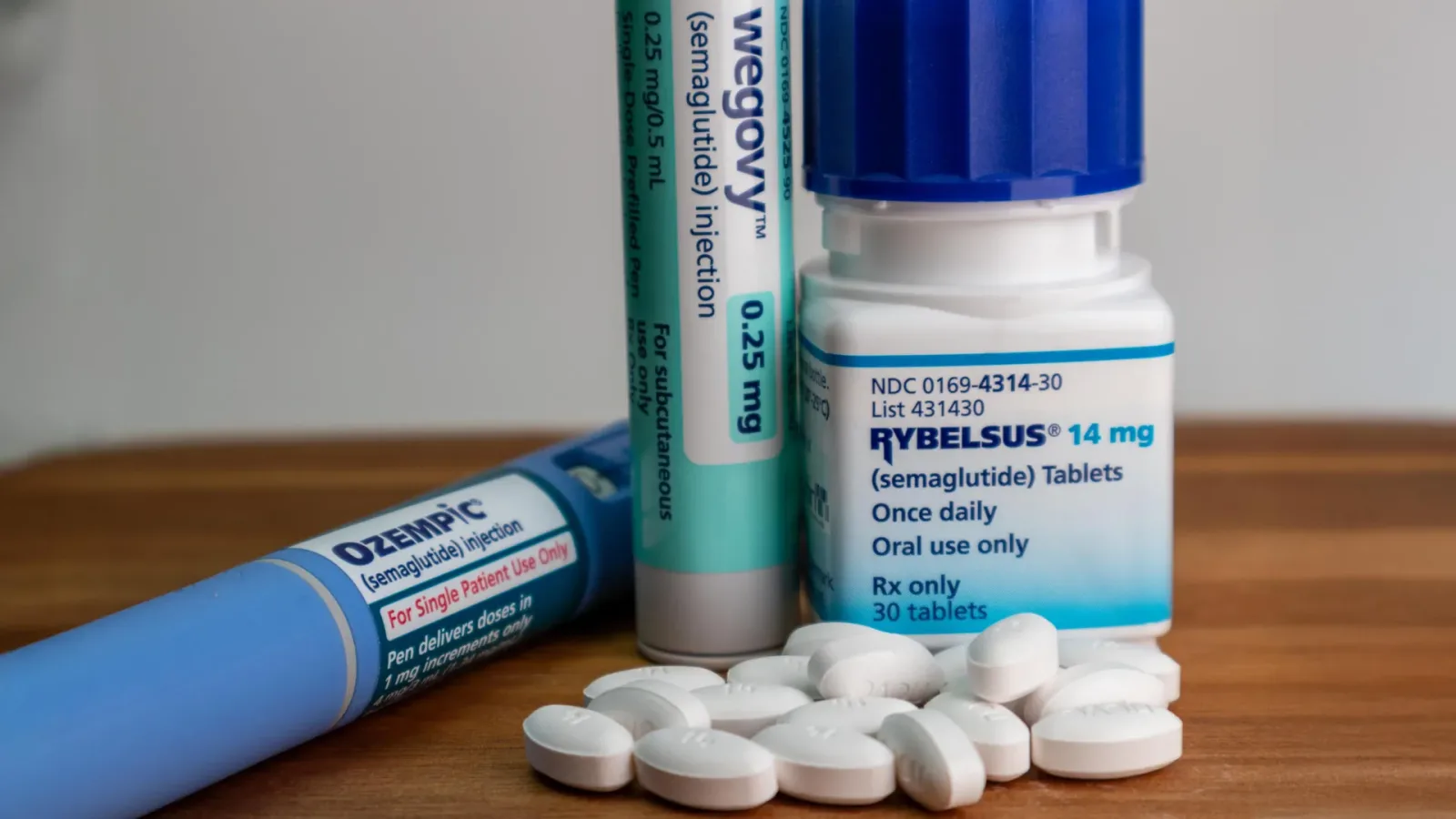
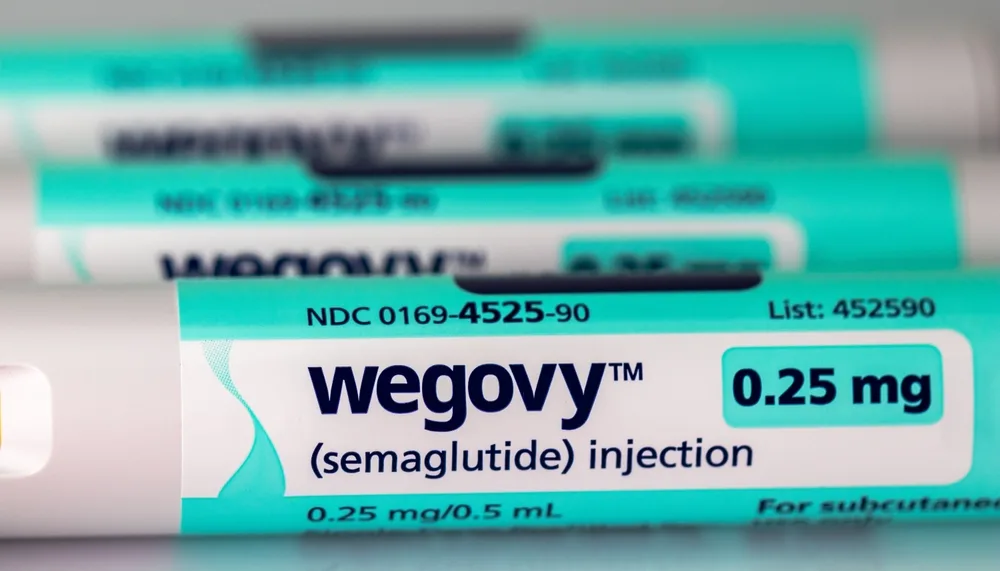
In the US, a wave of Ozempic lawsuits is targeting Novo Nordisk, the manufacturer of the semaglutide-based drug Ozempic. Plaintiffs accuse the company of concealing risks such as gastroparesis and vision loss, demanding compensation for severe side effects. These cases, rapidly increasing and potentially consolidating into class-action suits, highlight growing concerns over the drug's off-label use for weight loss.
The Surge in Semaglutide Lawsuits Against Novo Nordisk
The number of lawsuits against manufacturers of semaglutide-based drugs, particularly Ozempic, is growing rapidly in the US. Patients claim pharmaceutical companies failed to adequately warn about serious health risks. Court documents detail complications that arose after using the drugs, with claims focusing on insufficient disclosure of potential dangers.
This primarily concerns Novo Nordisk and other companies producing similar semaglutide formulations. Some lawsuits are being consolidated into joint proceedings, which could lead to systemic decisions on manufacturer liability. Lawyers emphasize that the key question is whether patients were adequately warned, potentially resulting in significant compensation or settlements worth billions.
Key Side Effects Cited in Ozempic Lawsuits
Plaintiffs report a range of severe complications linked to semaglutide use. These include:
- Gastroparesis: Impaired stomach motility, in some cases requiring a feeding tube. This condition slows gastric emptying, leading to nausea, vomiting, and malnutrition risks.
- Intestinal obstruction: Blockages that can cause abdominal pain and require medical intervention.
- Inflammatory diseases, including pancreatitis and cholecystitis: Inflammation of the pancreas or gallbladder, potentially leading to hospitalization.
- Optic nerve damage: Resulting in sudden vision loss, with cases citing non-arteritic anterior ischemic optic neuropathy (NAION), a rare condition that can cause blindness.
- Thrombosis and kidney problems: Blood clots and renal issues adding to the list of alleged risks.
Cases of vision loss are particularly alarming, as NAION involves reduced blood flow to the optic nerve, often without warning.
Understanding Gastroparesis in the Context of GLP-1 Drugs
Gastroparesis occurs when the stomach muscles fail to function properly, delaying food digestion. Semaglutide, a GLP-1 receptor agonist, slows gastric emptying as part of its mechanism to control blood sugar and appetite. While this aids diabetes management and weight loss, it can exacerbate or trigger gastroparesis in susceptible individuals, leading to severe symptoms that prompted lawsuits.
Vision Loss and NAION: A Rare but Serious Concern
Non-arteritic anterior ischemic optic neuropathy (NAION) is highlighted in filings as a potential semaglutide side effect. This optic nerve condition disrupts blood supply, risking permanent blindness. Patients in lawsuits report sudden vision changes post-Ozempic use, underscoring the need for clear risk communication.
Background on Ozempic: From Diabetes Treatment to Weight Loss Phenomenon
Ozempic (semaglutide) was originally developed for type 2 diabetes. It mimics the GLP-1 hormone, which regulates blood sugar levels by stimulating insulin release, suppressing glucagon, and slowing digestion. This also reduces appetite, promoting satiety and weight loss.
Precision tracking for your journey
Join thousands using Shotlee to accurately track GLP-1 medications and side effects.
📱 Get the Shotlee App
Track your GLP-1 medications, peptides, and health metrics on the go with our mobile app!
Over time, Ozempic gained immense popularity as a weight loss aid. Social media, bloggers, and celebrities promoted it as a "quick fix," driving demand surges and shortages for diabetic patients who medically need it. This off-label trend fueled aggressive marketing, which plaintiffs argue downplayed risks.
Pharmaceutical Companies' Defense and Medical Expert Views
Novo Nordisk insists that information about possible side effects is in the product instructions, and the drugs underwent clinical trials before market release. Despite the lawsuits, demand for semaglutide-based drugs remains high due to their proven effectiveness in weight loss and glucose control.
Medical experts stress that semaglutide is not a "magic pill" but a serious medication requiring medical supervision. They emphasize using it only under a specialist's prescription, considering individual risks and characteristics.
Potential Outcomes of the Ozempic Litigation
The lawsuits could force manufacturers to provide clearer warnings about risks. Advertising and popularization of Ozempic as a weight loss aid may face limitations. In Ukraine, where Ozempic is also popular for weight loss via social media, the US situation serves as a cautionary tale about uncontrolled use leading to serious consequences.
Patient Guidance: Safely Considering Semaglutide Therapy
For those with type 2 diabetes or obesity exploring Ozempic, consult a healthcare provider to weigh benefits against risks like gastroparesis or vision changes. Discuss personal history, including gastrointestinal or eye issues. Start at low doses, monitor symptoms closely—tools like symptom-tracking apps can help log side effects such as persistent nausea or vision blurriness for timely reporting.
Alternatives like other GLP-1 agonists (e.g., dulaglutide) or lifestyle interventions may suit some patients better. Regular check-ups for kidney function, pancreatitis signs, and eye exams are essential.
Safety Profile and Clinical Context
While effective, semaglutide's GLP-1 mimicry impacts multiple systems: gastrointestinal (slowing motility), cardiovascular (potential thrombosis risk), and ocular (possible NAION links). Clinical trials noted GI side effects, but real-world off-label use amplified reports. Patients should report symptoms promptly to avoid progression to feeding tubes or blindness.
Key Takeaways for Semaglutide Users
- Lawsuits highlight underreported risks like gastroparesis, intestinal obstruction, pancreatitis, cholecystitis, vision loss (NAION), thrombosis, and kidney issues.
- Ozempic excels for diabetes and weight loss but demands supervision—not DIY via social media hype.
- High demand persists, but clearer warnings and marketing curbs may follow litigation.
- Always prioritize doctor-guided use; track symptoms diligently.
Conclusion: Balancing Benefits and Risks in GLP-1 Therapy
The Ozempic lawsuits underscore the tension between transformative benefits and hidden dangers in semaglutide use. While effective for metabolic health, aggressive promotion as a weight loss shot has invited scrutiny. Patients should seek professional advice, ensuring informed decisions amid evolving safety discussions. Stay vigilant with monitoring to maximize benefits safely.