
Grim Effects of Stopping GLP-1s Like Ozempic, Study Reveals
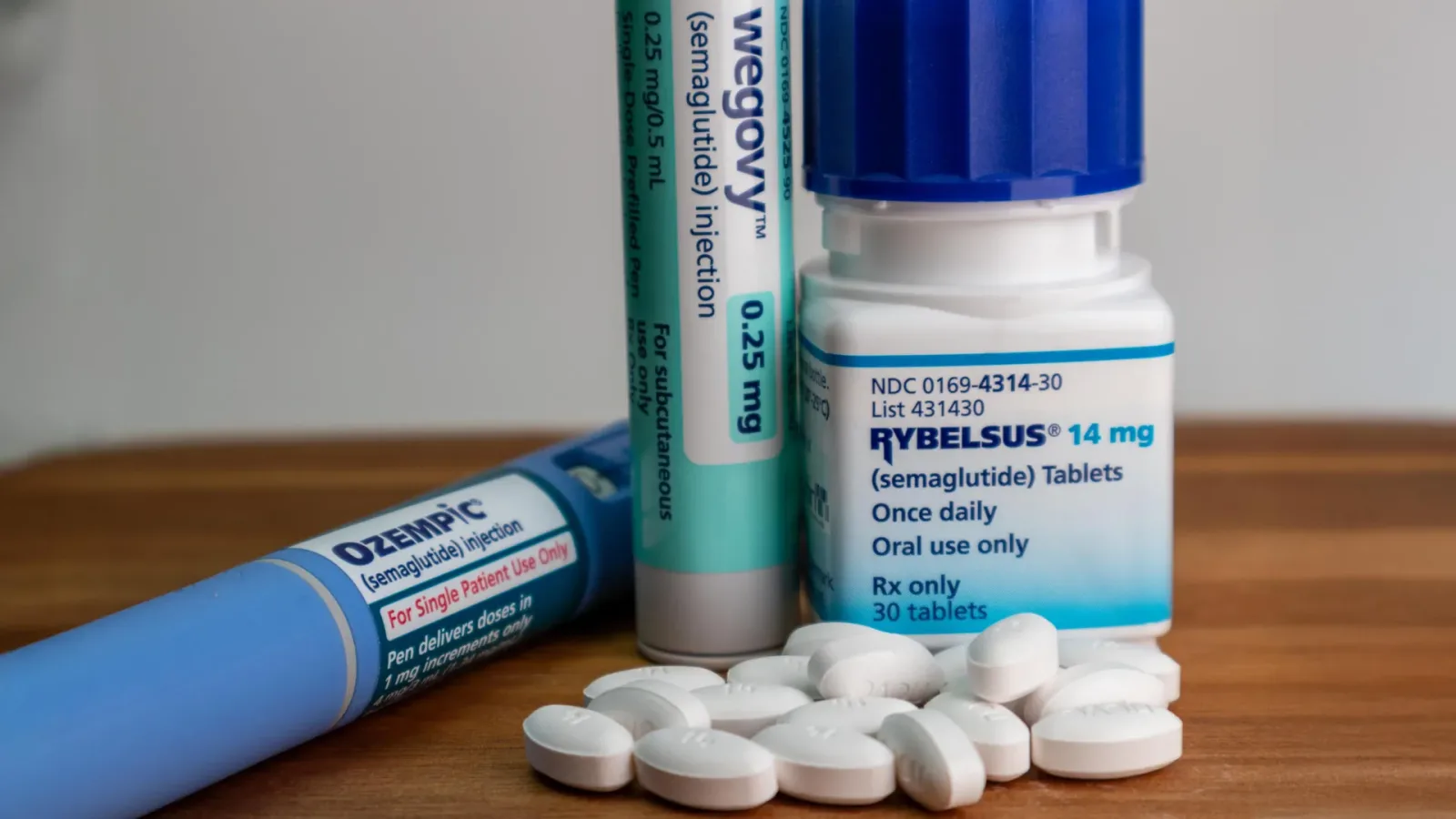
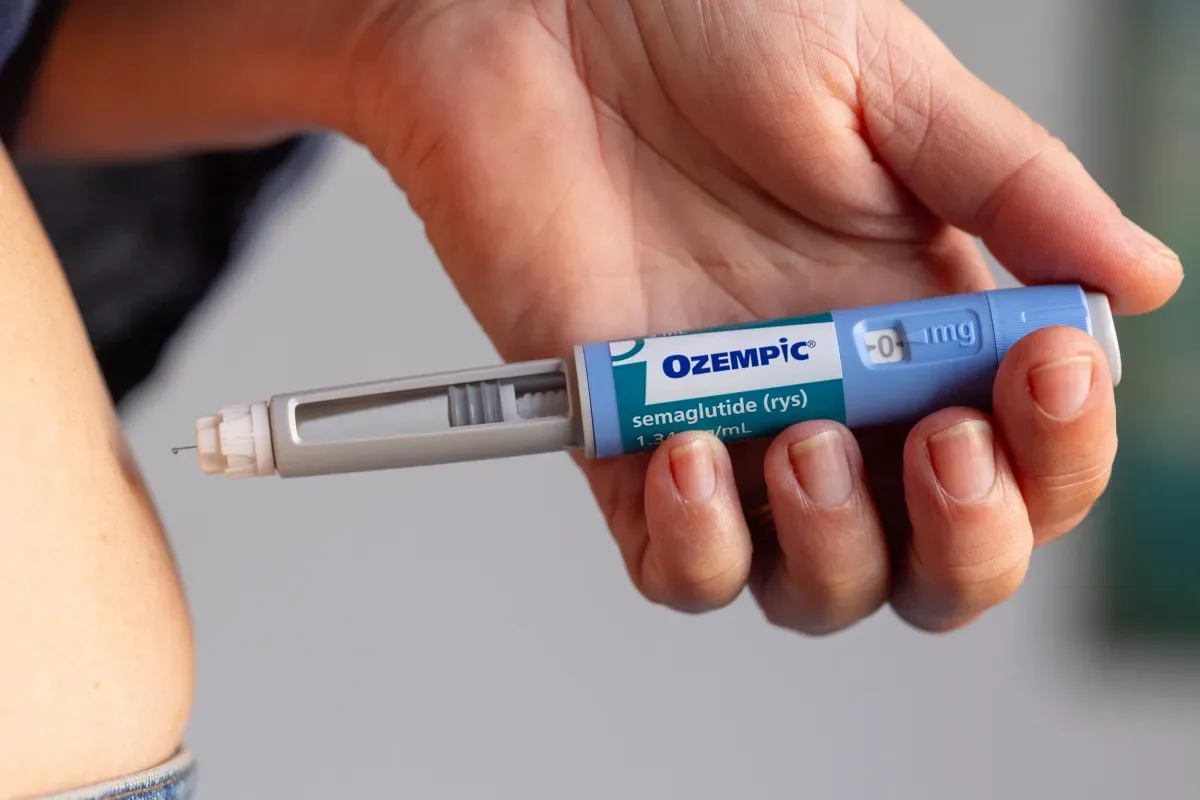
Recent research into what happens when you stop taking GLP-1s uncovers a sobering reality for patients relying on these medications for diabetes management and beyond. GLP-1 receptor agonists, such as Ozempic (semaglutide), have gained fame for benefits extending far past weight loss, including reduced risks of heart disease and other conditions. However, a new study emphasizes the precarious nature of these gains, showing how quickly they can vanish upon discontinuation.
The Landmark Study on GLP-1 Discontinuation
Published in the journal BMJ Medicine, researchers from Washington University School of Medicine analyzed health records of over 333,000 adults with diabetes over three years. Approximately a third of participants took the GLP-1 drug Ozempic, whose active ingredient is semaglutide.
This large-scale analysis provides critical insights into long-term outcomes, tracking consistent users against those who interrupted or quit therapy. The findings underscore the importance of adherence in maintaining the protective effects of these medications.
Key Study Design and Population
- Participants: 333,000+ adults with diabetes
- Duration: Three years of health record tracking
- GLP-1 Group: Roughly one-third on Ozempic (semaglutide)
- Focus: Cardiovascular disease (CVD) events, including heart attacks and strokes
Benefits of Consistent GLP-1 Use
The study confirmed substantial advantages for those who stayed on GLP-1s. Patients consistently taking these drugs over three years saw their risk of cardiovascular disease fall by 18 percent. This aligns with extensive prior research highlighting GLP-1s' protective effects beyond glycemic control and weight loss.
GLP-1 agonists like semaglutide mimic the glucagon-like peptide-1 hormone, which regulates blood sugar, slows gastric emptying, and suppresses appetite. For cardiovascular health, they reduce inflammation, improve endothelial function, and promote favorable changes in lipid profiles and blood pressure—mechanisms that build cumulative protection over time.
Risks When You Stop Taking GLP-1s
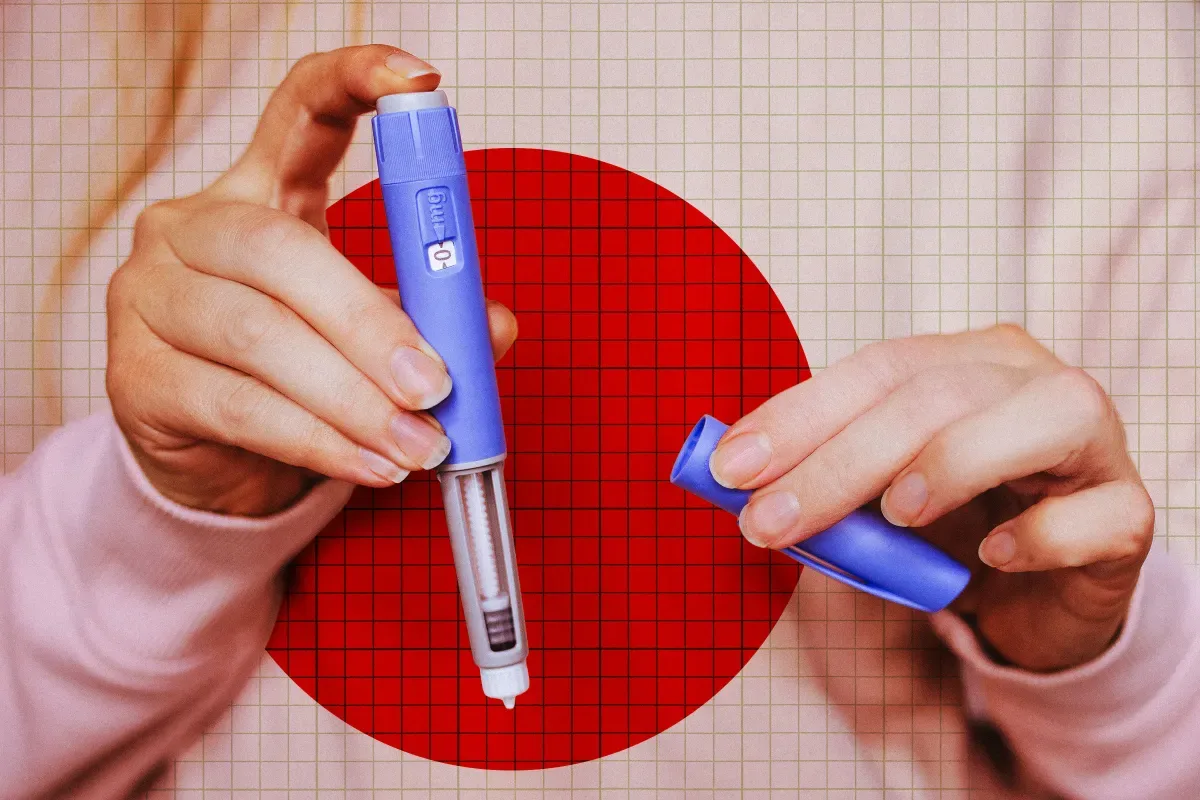
The downside is stark. Quitting GLP-1s for as little as six months increased the risk of a major cardiovascular event by as much as 8 percent. For those stopping for one or two years, the risk surged by 22 percent, effectively erasing the drug's benefits.
During the study, 26 percent of GLP-1 users stopped entirely, while 23 percent experienced interruptions of six months or longer before resuming. These patterns mirror real-world challenges, amplifying the public health implications.
The 'Metabolic Whiplash' Explained
Study author Ziyad Al-Aly, a Washington University School of Medicine epidemiologist, coined the term "metabolic whiplash" to describe this rebound. "It takes years to build cardiovascular protection, and takes half as much time to undo that," he told CNBC.
Beyond weight regain—where suppressed appetite returns intensely—discontinuation triggers a resurgence in inflammation, blood pressure, and cholesterol levels. Al-Aly noted in a statement that interruptions leave a "lasting scar," as patients fail to fully recover the drug's protective effects.
Why Patients Stop GLP-1 Medications
Several barriers contribute to discontinuation. GLP-1s carry side effects like nausea (affecting about 50 percent of starters, per one survey), vomiting, and diarrhea. These gastrointestinal issues often improve over time but can deter adherence initially.
Precision tracking for your journey
Join thousands using Shotlee to accurately track GLP-1 medications and side effects.
📱 Get the Shotlee App
Track your GLP-1 medications, peptides, and health metrics on the go with our mobile app!
Cost is another hurdle; these drugs remain expensive even with insurance. Supply shortages, driven by high demand and manufacturing constraints, have plagued availability. Al-Aly stressed, "Keeping patients on these drugs shouldn't be an afterthought. People need to realize that there's a price of stopping."
How GLP-1s Protect the Heart: A Deeper Look
GLP-1 receptor agonists exert cardioprotective effects through multiple pathways. They enhance insulin secretion in a glucose-dependent manner, reduce glucagon release, and promote satiety, leading to weight loss that eases heart strain. Clinically, trials like SELECT and LEADER have shown semaglutide and liraglutide reduce major adverse cardiovascular events (MACE) in high-risk populations.
The Washington University study builds on this by quantifying the reversibility. For patients with diabetes—who face 2-4 times higher CVD risk—consistent therapy is vital. Compared to alternatives like SGLT2 inhibitors (e.g., empagliflozin), GLP-1s offer similar or complementary benefits, but rebound risks appear unique due to their direct metabolic modulation.
Practical Guidance for Patients on GLP-1s
If you're on Ozempic or similar GLP-1s, discuss long-term strategies with your doctor. Gradual dose adjustments can mitigate side effects, and addressing barriers like cost through patient assistance programs may help.
Monitoring is key: track symptoms, weight, blood pressure, and labs regularly. Apps like Shotlee can assist in logging side effects, medication schedules, and progress to share with providers, promoting better adherence.
Who should consider GLP-1s? Those with type 2 diabetes and CVD risk factors, or obesity-related complications. Always weigh benefits against personal tolerability.
Safety Profile and Management Tips
Common side effects are mostly GI-related and transient. Rare risks include pancreatitis or thyroid tumors (from rodent studies), prompting FDA monitoring. Starting low and titrating slowly reduces nausea incidence.
For shortages, alternatives like tirzepatide (Mounjaro) or dulaglutide (Trulicity) may bridge gaps, though switching requires medical oversight to avoid compounding rebound risks.
Key Takeaways from the Study
- Consistent GLP-1 use over 3 years reduces CVD risk by 18%.
- Stopping for 6 months raises risk by 8%; 1-2 years by 22%.
- Rebound involves weight regain, inflammation, BP, and cholesterol spikes.
- Interruptions leave lasting damage; 26% quit, 23% had long pauses.
- Prioritize adherence despite side effects, cost, and shortages.
What This Means for Patients and Providers
This research urges a shift toward sustained therapy planning. Patients should explore support for tolerability and access, while providers emphasize education on rebound risks. Future studies may clarify optimal resumption strategies post-interruption.
In summary, the protective shield of GLP-1s like Ozempic demands vigilance. Quitting isn't neutral—it's a step back toward heightened CVD vulnerability. Consult your healthcare team to navigate these medications effectively for lasting metabolic and heart health.