
Govt Cautions Pharma Cos on Surrogate Ads for GLP-1 Drugs
The government has issued an advisory cautioning pharmaceutical companies against the use of surrogate advertising to promote GLP-1 drugs, amidst growing concerns of rampant misuse by gullible consumers. This regulatory move underscores the need for ethical marketing of prescription-only medications like GLP-1 receptor agonists, which are primarily indicated for obesity and metabolic disorders.
Details of the Government Advisory
The government has warned of strict regulatory action against those found using surrogate advertising to promote GLP-1 drugs. "A detailed advisory on the use of GLP-1 drugs is expected to be released in the next few days," sources told ET.
"The Advertisement including surrogate advertisement of the said product shall be "strictly prohibited," said the March 10 note signed by Rajeev Singh Raghuvanshi, Drugs Controller General of India.
Adding that the prohibition will extend to any form of direct or indirect promotional activity in print, electronic, digital, social media, or any other public platform that is intended, directly or indirectly, to promote the product to the general public.
The development comes in response to concerns formally brought to the attention of the drug regulatory authority regarding the marketing conduct of pharmaceutical companies over the GLP drugs. "It has been brought to the notice of this Directorate that certain pharmaceutical companies may be engaging in direct or indirect (surrogate) promotional activities, including disease awareness campaigns, digital media outreach, and other communications, relating to GLP-1 receptor agonists and similar prescription drugs indicated for obesity and metabolic disorders".
What Are GLP-1 Receptor Agonists?
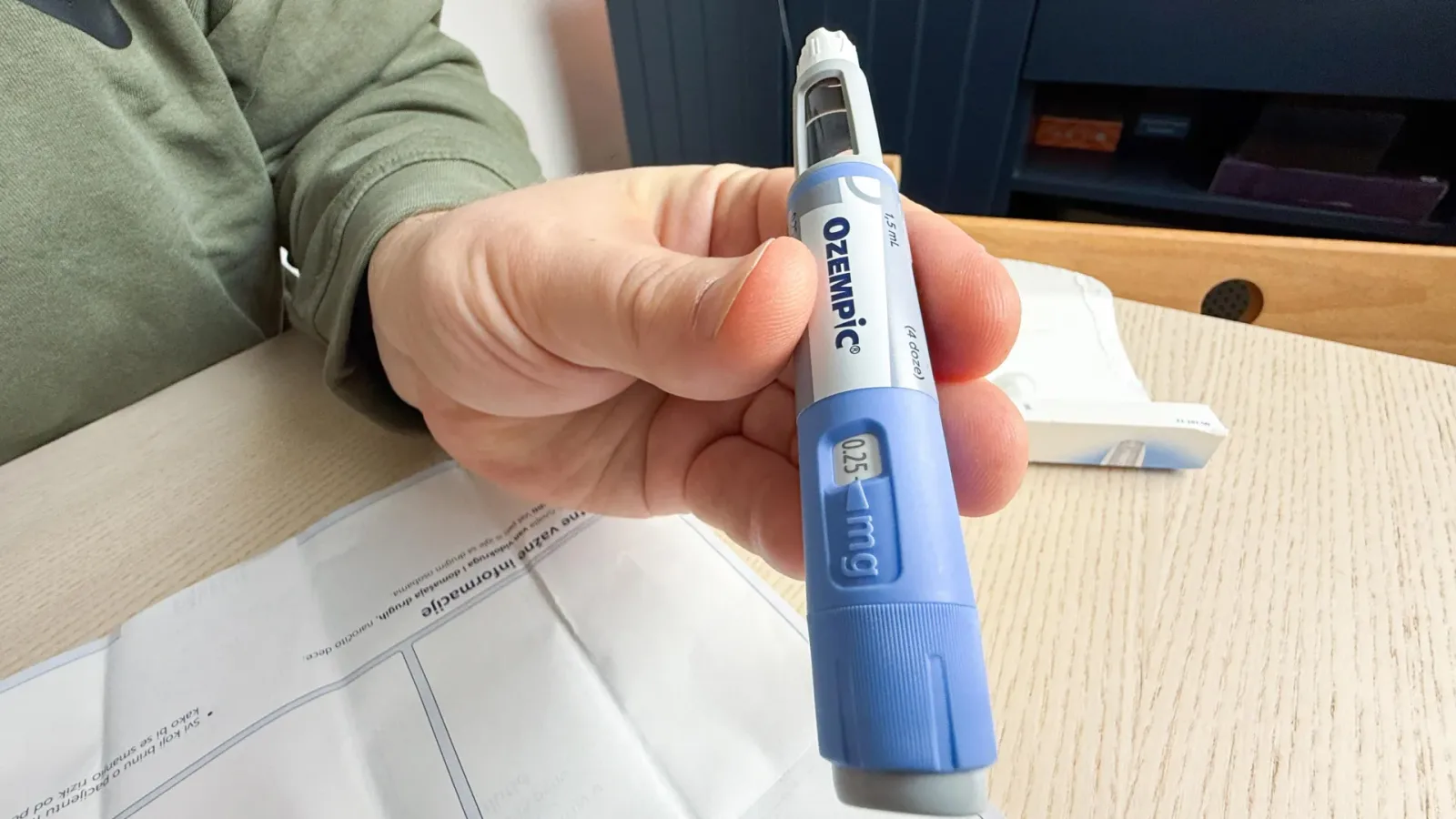
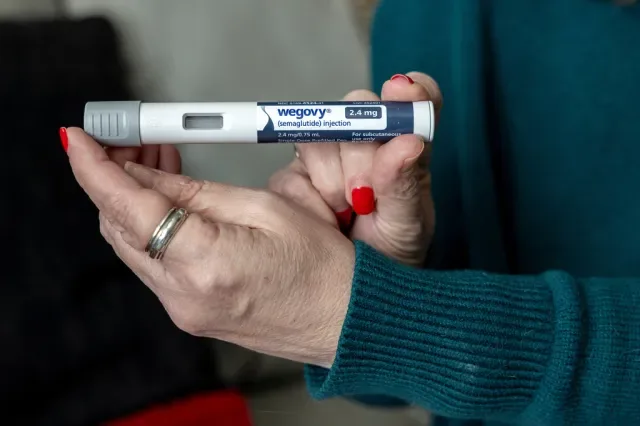
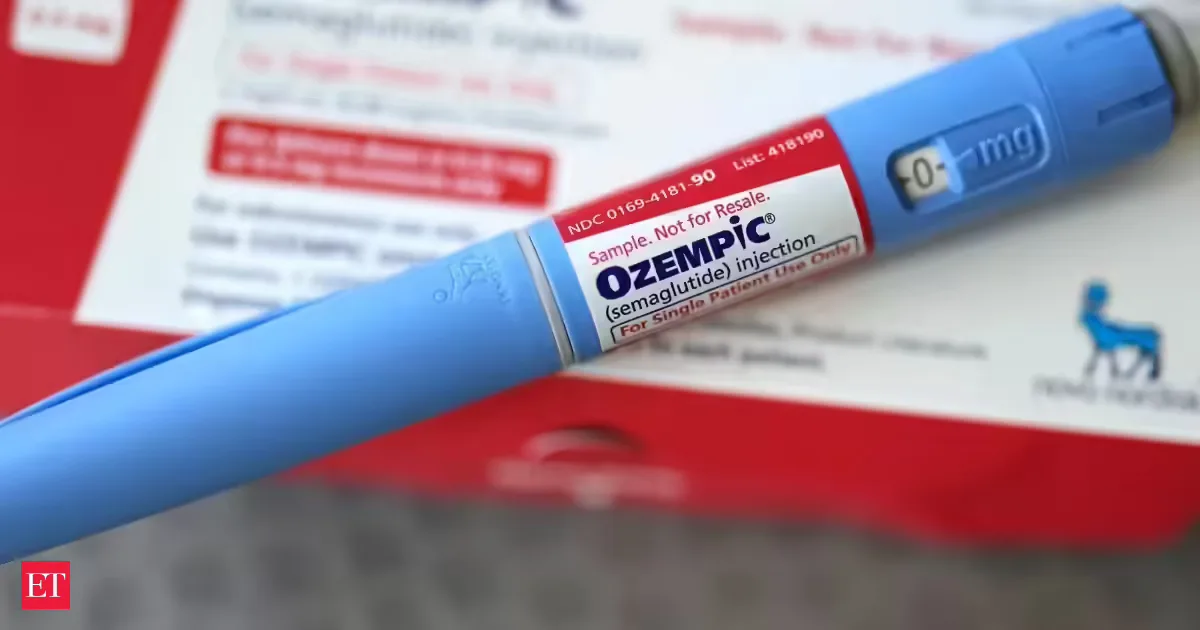
GLP-1 receptor agonists, such as semaglutide (branded as Ozempic and Wegovy by Novo Nordisk), mimic the action of glucagon-like peptide-1, a hormone that regulates blood sugar, slows gastric emptying, and reduces appetite. These drugs are approved for type 2 diabetes management and, in some cases, chronic weight management in obesity when lifestyle interventions alone are insufficient. In India, where obesity rates are rising—with over 135 million adults affected according to recent surveys—they represent a targeted pharmacological option but require medical supervision due to potential side effects like nausea, gastrointestinal issues, and rare risks such as pancreatitis.
The drug regulator has therefore advised all manufacturers and importers of drugs to ensure that manufacture, sale, distribution, and promotion of drug products strictly conform to the approved indications, conditions of permission, labeling requirements, and other statutory provisions.
Prohibited Promotional Practices
The regulator has said that any form of advertisement—direct or indirect—which promotes prescription-only medicines to the general public, exaggerates therapeutic efficacy, suggesting assured or guaranteed weight loss outcomes, downplaying lifestyle modification measures (diet, exercise, behavioural interventions), or inducing demand for pharmacological therapy will attract action under provisions of Drug rules. "It may amount to misleading promotion and may attract action under relevant provisions of the Drugs Rules, 1945, including principles underlying Schedule J of the said rules," it said.
It has also said that the GLP-1 receptor agonists are required to be prescribed by registered medical practitioner or specialists as per approved indications and conditions of marketing authorisation.
Understanding Surrogate Advertising in Pharma Context
Surrogate advertising involves promoting a restricted product indirectly through associated brands or campaigns, such as disease awareness initiatives that subtly endorse prescription drugs. For GLP-1 drugs, this might include social media posts on obesity awareness that highlight weight loss benefits without disclaimers, leading consumers to seek these medications without proper evaluation. The advisory views any such activity, including "awareness campaigns," that functions as a surrogate advertisement for prescription-only drugs as "seriously" and may treat it as "irrational or misleading marketing practice".
Precision tracking for your journey
Join thousands using Shotlee to accurately track GLP-1 medications and side effects.
📱 Get the Shotlee App
Track your GLP-1 medications, peptides, and health metrics on the go with our mobile app!
"Obesity is a chronic metabolic condition requiring comprehensive management, including lifestyle interventions. Pharmaceutical therapy, where indicated, must not be projected in a manner that undermines public health initiatives promoting diet control, physical activity, and preventive healthcare measures," according to the drug regulator.
Upcoming Patent Expiry and Market Implications
The patents for weight-loss drug semaglutide branded Ozempic and Wegovy by Danish drug maker Novo Nordisk are set to expire on March 21. This is expected to lead to a rush of cheaper generic options, potentially intensifying marketing pressures and misuse risks.
Accordingly, all manufacturers, importers, and marketing authorisation holders have been asked to ensure strict regulatory measures. It has asked for prescribing information / patient information leaflet/ product Information Sheet (PIS) to prominently display the details of authorised personnel and the authorized office code. "The PIS shall also provide a dedicated contact number along with a complaint / ticket reference mechanism for addressing consumer queries and facilitating reporting".
Risk Management and Compliance Requirements
The manufacturers and marketing Authorisation holders have been asked to strictly comply with all applicable ethical and regulatory norms, including ethical marketing practices, to ensure that vulnerable populations are not exploited. "To mitigate any residual risk, the firms to submit comprehensive Risk Management Plan (RMP) which will ensure continued safety monitoring and implementation of appropriate risk minimization measures," it said.
Patients considering GLP-1 therapy should discuss with their doctor whether it fits their needs, especially alongside diet and exercise. Tools like Shotlee can assist in tracking symptoms, side effects, or medication schedules to support safe use.
Comparison to Global Regulations
India's stance aligns with global norms, such as the FDA's restrictions on direct-to-consumer drug ads in the US (which allow them but regulate closely) and EMA guidelines in Europe emphasizing prescription-only promotion. This advisory reinforces that GLP-1 drugs, despite their efficacy in reducing cardiovascular risks and aiding weight loss in clinical trials, must not bypass medical oversight.
Practical Guidance for Patients and Providers
For those with obesity or metabolic disorders, GLP-1 drugs offer benefits like sustained weight reduction (up to 15-20% in trials) but are not standalone solutions. Always prioritize lifestyle changes first. If prescribed, monitor for side effects and report via official channels. Pharma companies must now focus on healthcare professional education rather than public campaigns.
Key Takeaways
- Surrogate ads for GLP-1 drugs are strictly prohibited across all media platforms.
- Promotions cannot exaggerate benefits or downplay lifestyle interventions.
- GLP-1s require prescription by registered practitioners only.
- Patent expiry on March 21 for Ozempic/Wegovy may bring generics, heightening scrutiny.
- Companies must submit Risk Management Plans and ensure compliant labeling.
What This Means for Patients
Consult specialists for GLP-1 suitability. Beware unverified online promotions. Report misleading ads to regulators. Comprehensive obesity management integrates drugs with behavioral changes for long-term success.
In conclusion, this advisory protects public health by curbing unethical promotion, ensuring GLP-1 drugs reach those who truly need them under proper guidance.