
Introduction
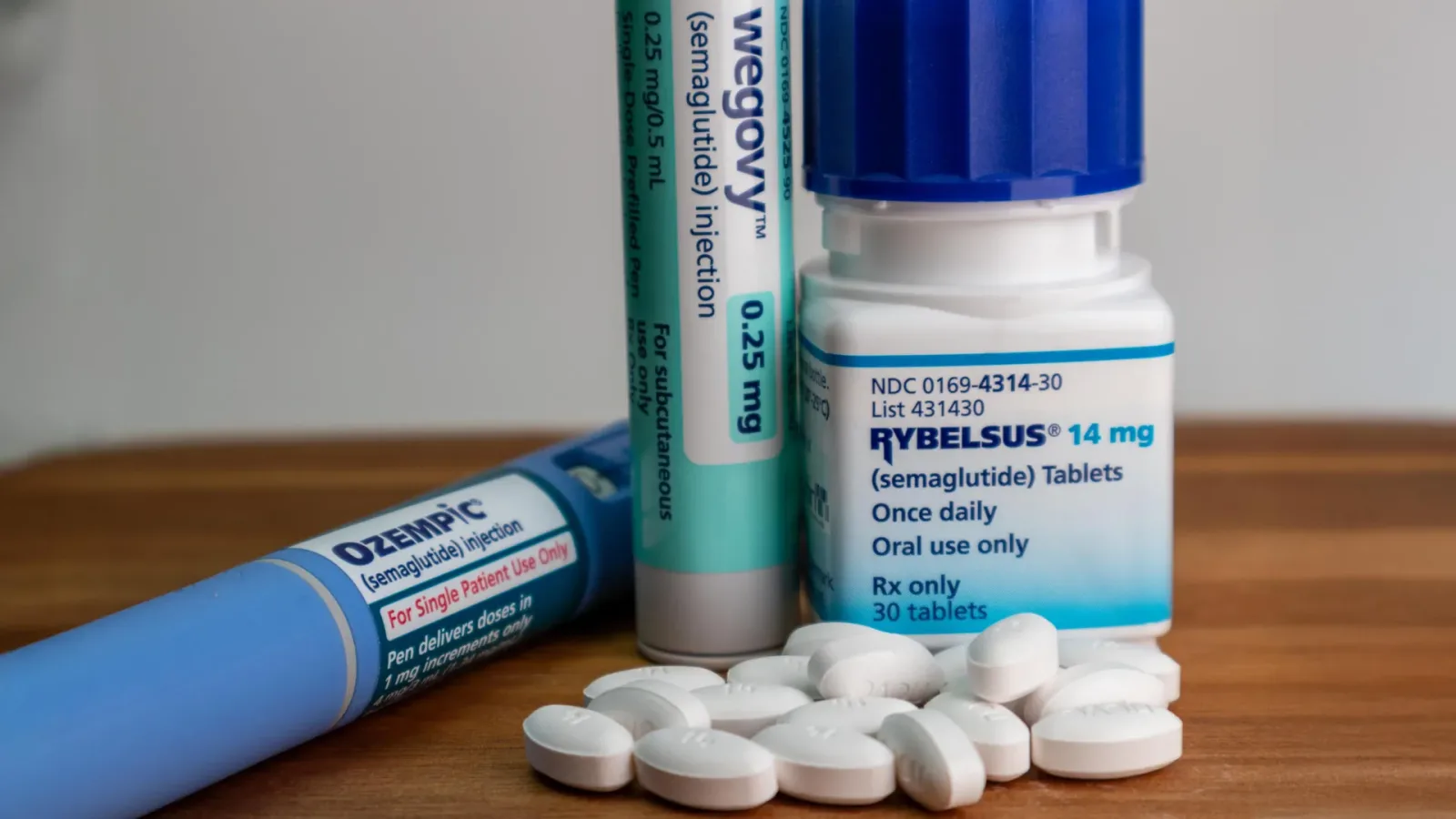
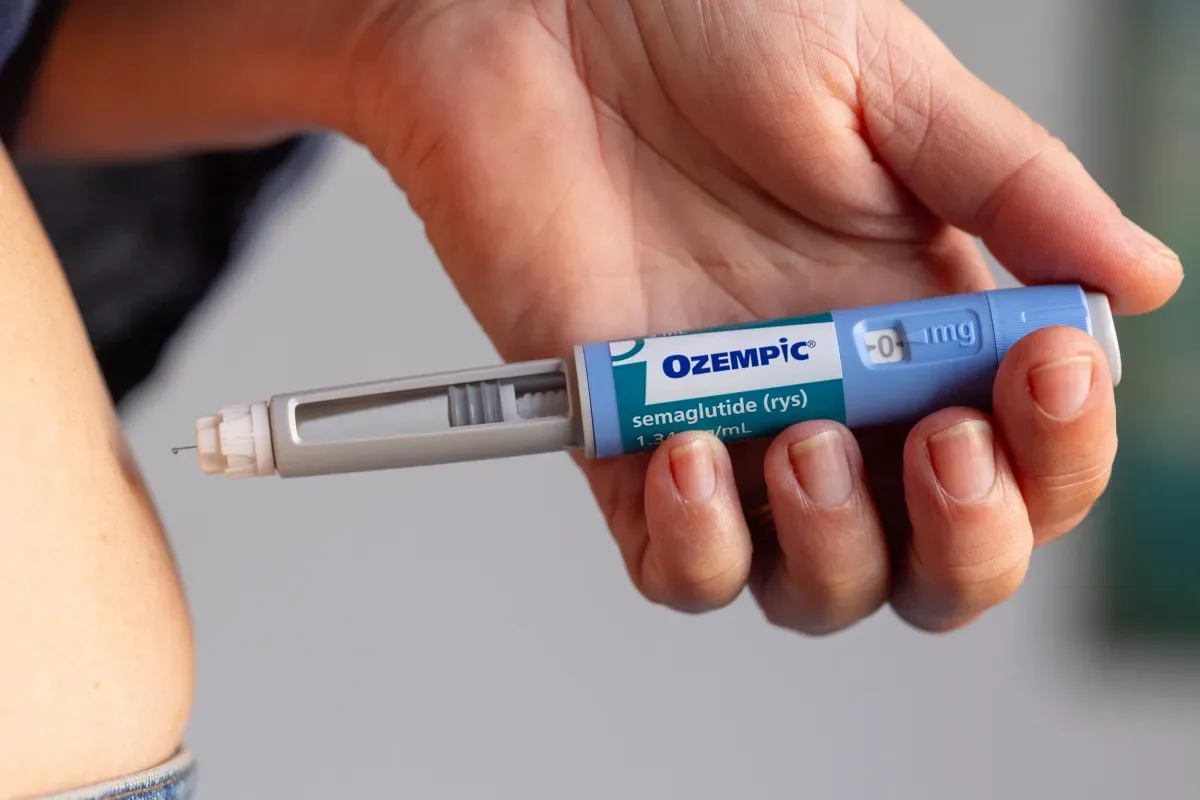
GLP-1 receptor agonists (GLP-1 RAs)—including semaglutide (Ozempic, Wegovy), tirzepatide (Mounjaro, Zepbound), and liraglutide (Saxenda)—have revolutionized type 2 diabetes and obesity treatment. Patients often lose 15-20% of body weight, slashing cardiometabolic risks like heart disease and insulin resistance. Yet, a common worry surfaces: Does GLP-1-induced weight loss harm skeletal muscle?
This concern stems from observations of reduced lean body mass (LBM) in trials, fueling online debates about 'Ozempic muscle wasting' or frailty risks. In reality, the evidence paints a nuanced picture: GLP-1 RAs cause modest, proportional muscle reductions typical of any calorie deficit, often with gains in muscle quality that support strength and metabolism. This guide dives into the data, mechanisms, and strategies for health-conscious users on GLP-1 therapy.
Lean Body Mass vs. Absolute Muscle Mass: Decoding the Metrics
Weight loss inevitably trims both fat and lean tissues. But not all 'lean mass loss' equals muscle damage. Lean body mass includes muscle, bones, organs, water, and connective tissue—measured via DEXA scans or bioimpedance. Absolute muscle mass, assessed by MRI or CT, focuses on skeletal muscle volume.
Meta-analyses of randomized trials show LBM reductions comprise 12-40% of total weight loss with GLP-1 RAs, often at the lower end (around 25%). For context:
- Liraglutide: Smallest absolute muscle drops (e.g., LEADER trial subanalyses).
- Semaglutide: Moderate reductions in STEP trials (e.g., 25-30% of weight loss as LBM).
- Tirzepatide: Slightly larger but proportional in SURPASS trials.
Crucially, when expressed as a percentage of body weight, lean mass stays stable or rises. This indicates balanced fat-muscle loss, not selective atrophy. Disproportionate muscle loss (>50% of total) signals sarcopenia risk, but GLP-1s fall well below this threshold—even in older adults.
Muscle changes with GLP-1s mirror diet-alone weight loss, not exceeding age-related decline when adjusted for weight lost.
Muscle Quality: The Overlooked Hero
Quantity matters, but muscle quality—intramuscular fat (myosteatosis), mitochondrial density, insulin sensitivity, and perfusion—drives function. GLP-1 RAs excel here, reducing ectopic fat in muscle while boosting metabolic efficiency.
Studies like the STEP 1 MRI substudy (semaglutide) showed preserved muscle strength despite volume dips, thanks to less fatty infiltration. Tirzepatide similarly cut muscle fat by 20-30% in SURPASS-3.
Deep Dive: SURPASS-3 Trial on Tirzepatide
The SURPASS-3 MRI subanalysis (n=165, 72 weeks) compared tirzepatide (5/10/15mg) to insulin degludec in type 2 diabetes patients. Key findings:
- Total weight loss: 15-20kg.
- Muscle volume: Modest 3-5% drop, proportional to fat loss (60-70%).
- Muscle fat content: Reduced 1.5-2.5% across doses—reversing diabetes-related myosteatosis.
- Thigh muscle quality improved via lower inflammation markers.
This adaptive shift enhances strength per unit muscle, countering raw mass loss.
Mechanisms Behind Muscle Preservation
GLP-1 RAs don't just suppress appetite; they remodel muscle physiology:
Precision tracking for your journey
Join thousands using Shotlee to accurately track GLP-1 medications and side effects.
📱 Get the Shotlee App
Track your GLP-1 medications, peptides, and health metrics on the go with our mobile app!
- Microvascular recruitment: Boost skeletal muscle blood flow by 30-50% (human studies), aiding nutrient/oxygen delivery.
- Insulin sensitization: Reverse muscle insulin resistance, common in obesity/diabetes.
- Anti-inflammatory effects: Lower cytokines (IL-6, TNF-α), curbing catabolism.
Preclinical data amplify this: GLP-1 analogs activate PI3K/Akt/mTOR (anabolism), AMPK/PGC-1α (mitochondrial biogenesis), and suppress proteolysis. Rodent models show direct myocyte protection, hinting at sarcopenia prevention.
Functional Outcomes: Strength and Performance
Limited but promising: Meta-analyses (e.g., 2023 review in Diabetes Care) found no grip strength or 6-minute walk test declines with semaglutide/tirzepatide. Cardiorespiratory fitness often improves due to weight relief.
In type 2 diabetes—where baseline sarcopenia risk is 2-3x higher—GLP-1s may protect against falls/fractures. STEP-HFpEF (heart failure patients) preserved Kansas City Cardiomyopathy Questionnaire scores, reflecting functional gains.
Special Populations: Older Adults and Comorbidities
Concerns peak in seniors or those with CKD. Yet, data reassure: Semaglutide in older STEP participants showed proportional LBM loss without frailty spikes. In CKD, GLP-1s' kidney-protective effects may offset muscle risks via better uremia control.
Long-term data (e.g., SELECT trial, ongoing) will clarify, but current evidence favors net benefits.
Practical Strategies to Maximize Muscle Health on GLP-1s
Therapy alone isn't enough—pair with lifestyle:
- Resistance training: 2-3x/week (squats, deadlifts, 8-12 reps). Trials like LOOK AHEAD show it halves LBM loss.
- Protein intake: 1.6-2.2g/kg body weight (e.g., 120-160g/day for 75kg person). Leucine-rich sources (whey, eggs) trigger muscle protein synthesis.
- Weight-bearing cardio: Walking preserves bone-muscle axis.
- Monitoring: Use apps like Shotlee to track symptoms, side effects, nutrition, and body composition for personalized tweaks.
Consult providers for dosing (e.g., titrate semaglutide slowly to minimize GI issues distracting from exercise).
Conclusion
GLP-1 RAs like Ozempic, Wegovy, Mounjaro, and Zepbound induce proportional muscle reductions (12-40% of weight loss) but enhance quality via fat reduction, metabolic upgrades, and anti-catabolic effects. Strength/function holds steady, reframing 'lean mass loss' as physiologic adaptation—not pathology.
For patients, the verdict: Benefits far outweigh muscle risks, especially with exercise/protein. Stay vigilant, track progress (consider tools like Shotlee), and view GLP-1s as metabolic allies for lifelong health.