
GLP-1R Regulates Blood Pressure via Kidney VSMCs, Study Finds
In a groundbreaking study highlighted in Nature Reviews Nephrology, researchers demonstrate that the GLP-1 receptor (GLP-1R) regulates blood pressure through vascular smooth muscle cells (VSMCs) in the kidney. GLP-1R expression in endothelial cells and VSMCs of the renal artery and afferent arterioles suggested a role in BP control, explains Drucker. This finding uncovers a weight loss-independent mechanism by which GLP-1 receptor agonists like semaglutide influence cardiovascular health, particularly in hypertension.
Understanding GLP-1R and Its Role in Metabolic Health
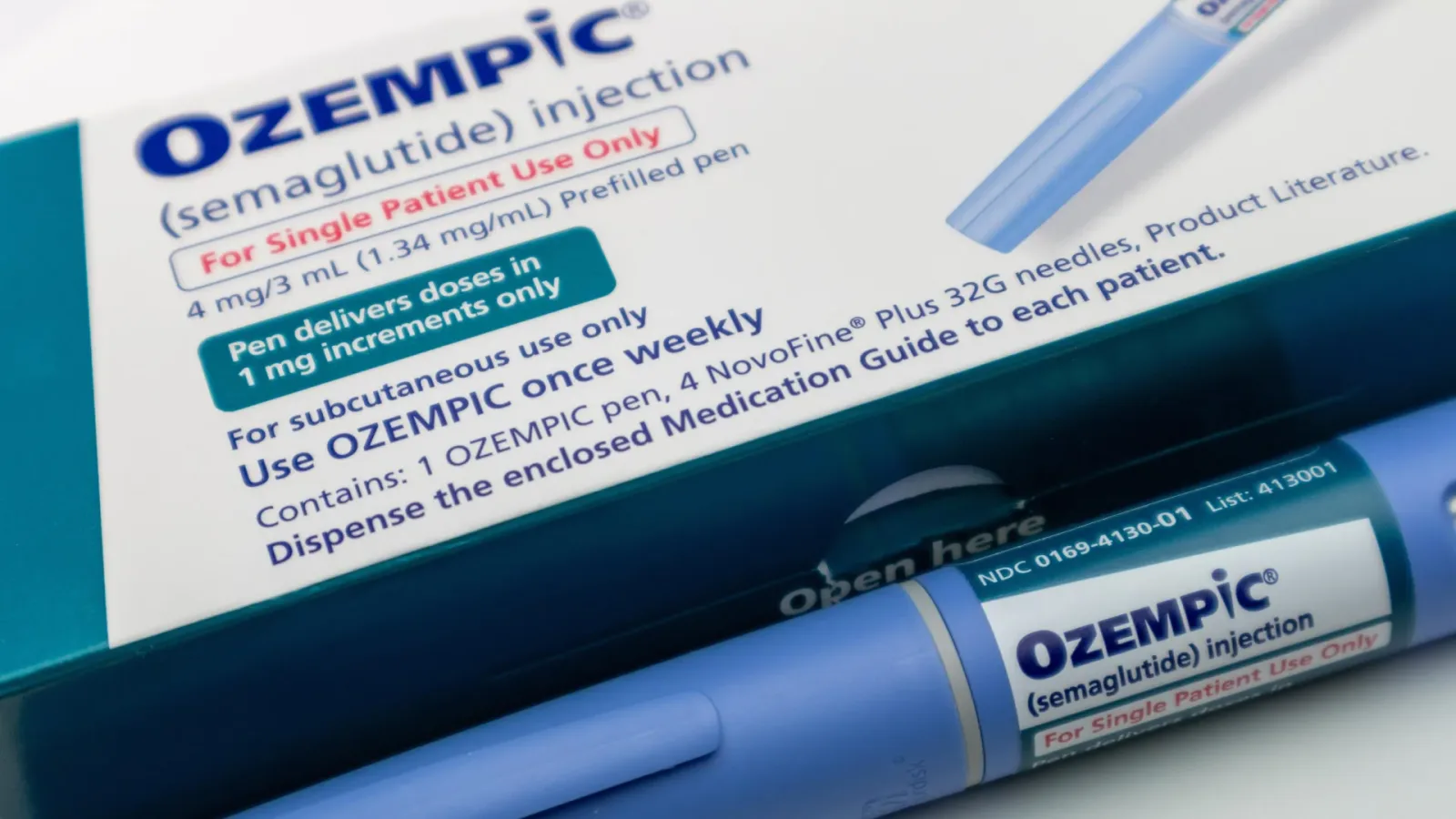
GLP-1 receptor agonists (GLP-1RAs), such as semaglutide (known commercially as Ozempic or Wegovy), are widely used for type 2 diabetes management and weight loss. Beyond glycemic control, emerging evidence links these peptides to cardiovascular benefits, including blood pressure reduction. This study delves into the renal mechanisms, focusing on how GLP-1R signaling in specific kidney cell types modulates BP—a critical factor for patients with metabolic syndrome, where hypertension often coexists with obesity and diabetes.
The kidneys play a pivotal role in long-term blood pressure regulation through mechanisms like glomerular filtration rate (GFR), natriuresis (sodium excretion), and vascular tone. Dysregulation here contributes to hypertension, affecting over 1.2 billion adults worldwide. GLP-1RAs may target these pathways directly, offering insights into peptide therapy for metabolic health.
Study Design: Targeting GLP-1R in Specific Kidney Cells
Endothelial Cell Knockouts (EC KOs)
In mice, conditional deletion of Glp1r under the control of Tie2 reduced GLP-1R expression in endothelial cells (EC KO) effectively but did not affect overall expression in the kidney. However, in both normotensive and hypertensive conditions, treatment with systemic semaglutide had a similar BP-lowering effect in EC KOs and their respective controls. This indicates that endothelial GLP-1R is not essential for semaglutide's hypotensive effects.
Vascular Smooth Muscle Cell Knockouts (VSMC KOs)
An inducible Myh11-Cre recombinase enabled VSMC-specific Glp1r deletion (VSMC KOs), with a 95% reduction in Glp1r expression in the kidney and renal artery. The body weight and glycaemia responses to semaglutide were similar in VSMC KO and control mice but, in contrast to EC KOs, the drug only reduced BP in mice with intact VSMC GLP-1R expression under normotensive conditions.
Moreover, in different models of hypertension, although BP increased to similar levels in both VSMC KOs and controls, semaglutide only reduced BP in control animals. This failure to lower BP in the absence of VSMC GLP-1R expression might be partially explained by haemodynamic differences. Semaglutide induced only mild diuresis and no natriuresis in hypertensive VSMC KOs compared with controls, despite similar levels of protein excretion; acute semaglutide treatment also increased glomerular filtration rate, but only in control animals.
Ex vivo, semaglutide could induce vasorelaxation directly in mouse mesenteric arteries previously exposed to phenylephrine, underscoring a direct vascular effect mediated by VSMC GLP-1R.
Mechanisms of GLP-1R-Mediated Blood Pressure Control
"VSMC GLP-1R was essential for both the acute and chronic weight loss-independent actions of semaglutide to lower BP in mice," concludes Drucker. The study reveals that GLP-1R in VSMCs promotes vasorelaxation, enhances diuresis and natriuresis, and boosts GFR—key haemodynamic changes that counteract hypertension.
Precision tracking for your journey
Join thousands using Shotlee to accurately track GLP-1 medications and side effects.
📱 Get the Shotlee App
Track your GLP-1 medications, peptides, and health metrics on the go with our mobile app!
- Vasorelaxation: Direct relaxation of preconstricted arteries, likely via cAMP signaling in VSMCs.
- Renal Haemodynamics: Improved GFR and sodium handling in the kidney, reducing plasma volume and vascular resistance.
- Independence from Weight Loss: BP effects persist acutely, before significant weight reduction occurs.
These mechanisms align with clinical observations where GLP-1RAs reduce systolic BP by 2-5 mmHg in human trials, though the VSMC-specific role requires translation to patients.
Implications for Patients with Hypertension and Metabolic Disorders
For individuals with type 2 diabetes, obesity, or hypertension, this study suggests GLP-1RAs like semaglutide may offer renal-targeted BP benefits. Patients should discuss with their doctor if they have uncontrolled hypertension alongside metabolic issues. Monitoring tools like Shotlee can help track blood pressure fluctuations, symptoms, or medication responses during therapy.
Who might benefit? Those with resistant hypertension or chronic kidney disease (CKD) stages 1-3, where renal VSMC function is implicated. However, as this is a mouse model, human trials are needed to confirm VSMC GLP-1R's role.
Comparisons to Other Therapies
Unlike ACE inhibitors or ARBs, which primarily target the renin-angiotensin system, GLP-1RAs provide multifaceted benefits: glycemic control, weight loss, and now potentially VSMC-mediated vasodilation. Compared to SGLT2 inhibitors (e.g., empagliflozin), which also promote natriuresis, semaglutide's effects appear more dependent on intact renal GLP-1R signaling.
Safety Considerations and Side Effects
Semaglutide is generally well-tolerated, with common side effects including nausea, diarrhea, and mild hypotension. In the study, no differences in body weight or glycemia were noted in KOs, suggesting BP effects are dissociable from metabolic actions. Rare risks include dehydration from GI effects, which could exacerbate hypotension—monitor electrolytes and renal function, especially in hypertensive patients.
Contraindications include personal/family history of medullary thyroid carcinoma or multiple endocrine neoplasia syndrome type 2. Always consult a healthcare provider before starting GLP-1RA therapy.
Key Takeaways: What This Means for Metabolic Health
- GLP-1R in kidney VSMCs is crucial for semaglutide's BP-lowering effects in mice.
- Endothelial GLP-1R is not required, pinpointing VSMCs as the primary mediator.
- Mechanisms include vasorelaxation, diuresis, natriuresis, and GFR enhancement.
- Potential for peptide therapy to address hypertension independently of weight loss.
Conclusion
This Nature Reviews Nephrology study illuminates a novel pathway where VSMC GLP-1R drives semaglutide's hypotensive actions, offering hope for integrated metabolic and cardiovascular care. Patients and clinicians should consider GLP-1RAs in hypertension management, backed by personalized monitoring. Future research will clarify human relevance, potentially expanding peptide therapy applications.