
Introduction to GLP-1s and Their Broader Impact
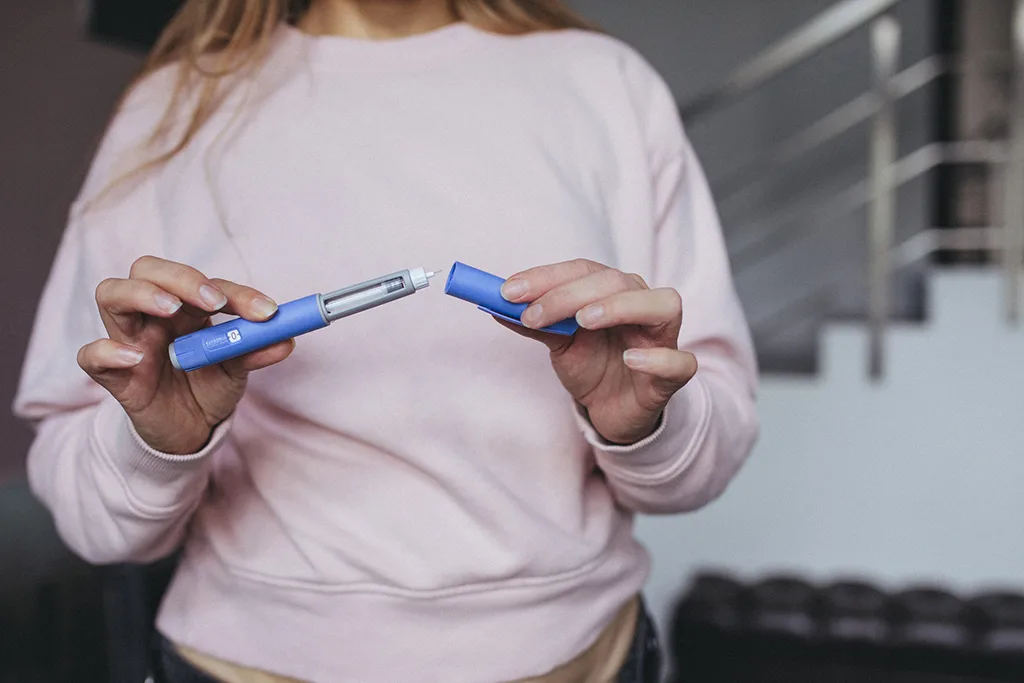
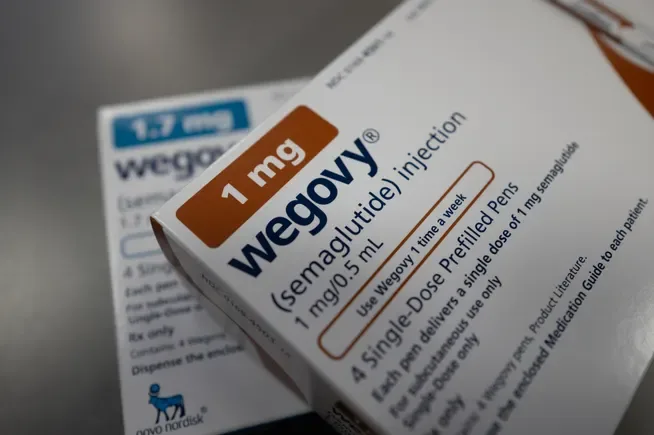
GLP-1 weight loss medications are disrupting fashion retail demand in profound ways. Drugs such as Ozempic, Wegovy, Mounjaro, and Trulicity—originally developed for Type 2 diabetes management—are now widely adopted for weight loss. These glucagon-like peptide-1 (GLP-1) receptor agonists work by mimicking a natural hormone that regulates blood sugar, slows digestion, and suppresses appetite, leading to significant and sustained weight reduction for many users.
According to Circana estimates, approximately 23% of all U.S. households use GLP-1 medications as of September 2025, up four points from the prior year. This rapid adoption is extending beyond healthcare into consumer sectors like apparel. A Circana survey reveals that around 80% of GLP-1 users anticipate needing new clothing due to size changes, while 55% have already purchased new clothing or footwear, primarily driven by shifting body sizes.
This isn't a fleeting trend; GLP-1-driven weight loss occurs at both scale and speed, unlike traditional dieting cycles, making it highly disruptive to apparel demand forecasting and inventory planning.
The Mechanism Behind GLP-1 Weight Loss and Body Changes
GLP-1 medications activate receptors in the gut and brain, promoting feelings of fullness, reducing caloric intake, and improving insulin sensitivity. Clinical studies show average weight loss of 15-20% of body weight over 12-18 months, often translating to multiple clothing size drops. For patients, this means navigating a transitional phase where bodies change faster than wardrobes can adapt.
Patients starting GLP-1 therapy should discuss wardrobe planning with healthcare providers, as consistent dosing (e.g., weekly injections) alongside diet and exercise maximizes results. Tools like Shotlee can help track medication schedules, symptoms, and weight progress, aiding in smoother transitions through sizing shifts.
Consumers' Identities Are Changing, Not Just Sizes
Weight loss from GLP-1 use isn't merely physical—it's reshaping self-perception and style preferences. As users drop multiple sizes, many rebuild wardrobes from scratch, exploring categories once out of reach. Circana data highlights increased purchases in activewear, denim, dresses, and intimates during the first year of GLP-1 use.
"GLP-1 usage extends beyond the physical implications; it's a catalyst for redefining personal style. As consumers rebuild their wardrobes, they're reassessing what fits, what flatters, and what feels aligned with their lifestyle," said Kristen Classi-Zummo, apparel industry advisor at Circana.
This identity reset has merchandising implications: consumers prioritize versatile, confidence-boosting pieces over past habits. Retailers must adapt marketing to this fluid journey, emphasizing transitional sizing and lifestyle alignment.
Mounting Pressure on Plus-Size Retailers
Maintaining size inclusivity remains crucial, as most Americans still wear plus-size clothing—estimated at 68% to 78% by FIT professor Mallorie Dunn. Yet, GLP-1 adoption is creating headwinds for extended-sizing specialists amid broader retail challenges.
Store closures rose 67% in 2025 versus the prior year, per CoreSight Research. Specific impacts include:
Precision tracking for your journey
Join thousands using Shotlee to accurately track GLP-1 medications and side effects.
📱 Get the Shotlee App
Track your GLP-1 medications, peptides, and health metrics on the go with our mobile app!
- Torrid (CURV) reported a 14.3% year-over-year sales decline in Q4 fiscal 2025, with a net loss of $8.1 million versus $3 million profit. The company plans 30 more store closures in H1 2026 after 151 last year.
- DXL (DXLG) saw a 6% year-over-year sales drop in Q4 fiscal 2025, with a $29.6 million net loss versus $1.3 million profit.
DXL CEO Harvey Kanter linked slowdowns to GLP-1, estimating 25% of customers on the meds: "Right now, we are in a pattern where they are losing weight and they are trying not to buy clothes until they are done with that journey," he said on the earnings call.
This creates a short-term demand gap, compressing buying cycles as consumers skip purchases mid-transition.
The Future of Fashion Retail Amid GLP-1 Shifts
McKinsey & Company's State of Fashion 2026 Report forecasts low-single-digit global growth, citing macroeconomic instability, tariffs, and value-conscious spending: "In the end, 2026 will likely be another year of dislocation for fashion companies."
However, GLP-1s offer an unexpected boost. Bernstein analysts project up to $13 billion in annual apparel spending from wardrobe changes: "We expect that GLP-1 users will expand their apparel shopping basket size for 1-3 years, including both the multiple size changes during their weight loss journey as well as replacing their entire wardrobe (and perhaps shifting the styles and types of clothing as well) once they have reached their goal weight."
Compared to past weight-loss fads, GLP-1 effects are more predictable and widespread, demanding agile inventory for mid-size transitions.
The Risk of Scaling Back on Inclusivity
Despite pressures, reducing plus-size offerings risks alienating a core market. Demand persists for the majority still in larger sizes. Overcorrecting to short-term GLP-1 trends could erode loyalty from underrepresented groups.
What This Means for Retailers and Consumers
GLP-1 medications blend healthcare and spending, challenging retailers to support transitions while upholding inclusivity. Strategies include:
- Offering capsule wardrobes for size flux.
- Marketing to evolving identities with versatile lines.
- Enhancing e-commerce for quick size swaps.
For consumers, plan for 1-3 years of wardrobe evolution; consult doctors on GLP-1 side effects like nausea that might affect shopping habits.
Key Takeaways
- 23% of U.S. households on GLP-1s, driving 80% to expect size changes.
- Plus-size retailers like Torrid (-14.3% sales) and DXL (-6%) feel immediate pain.
- Long-term: $13B opportunity in wardrobe rebuilds.
- Maintain inclusivity—68-78% of Americans wear plus-size.
Conclusion
GLP-1 weight loss is structurally shifting fashion retail from plus-size dominance toward transitional and versatile apparel. Retailers adapting to faster cycles and identity changes will thrive. Patients should leverage tracking apps for their journeys, ensuring health and style evolve together.