
GLP-1 Rush: Pharma, Food Firms Eye Tie-Ups for India's Weight-Loss Boom
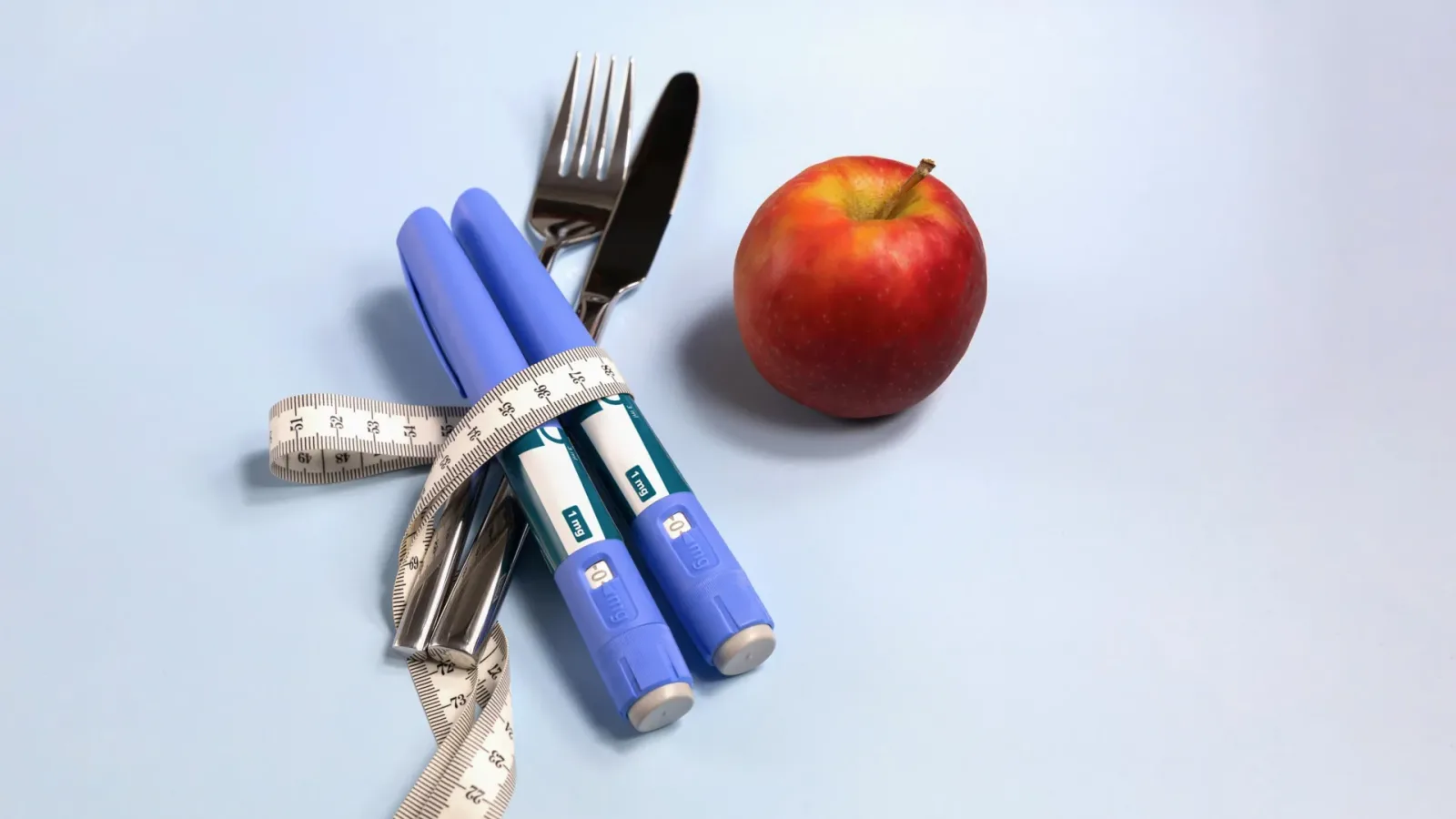
The introduction of affordable semaglutide generics in India following Novo Nordisk's patent expiry is fueling a surge in GLP-1 receptor agonists for weight loss. Drugmakers and packaged foods companies are now exploring strategic tie-ups to develop nutrition products tailored for patients on semaglutide, addressing key challenges like muscle preservation during rapid weight reduction.
The Patent Expiry and Semaglutide Generics Launch
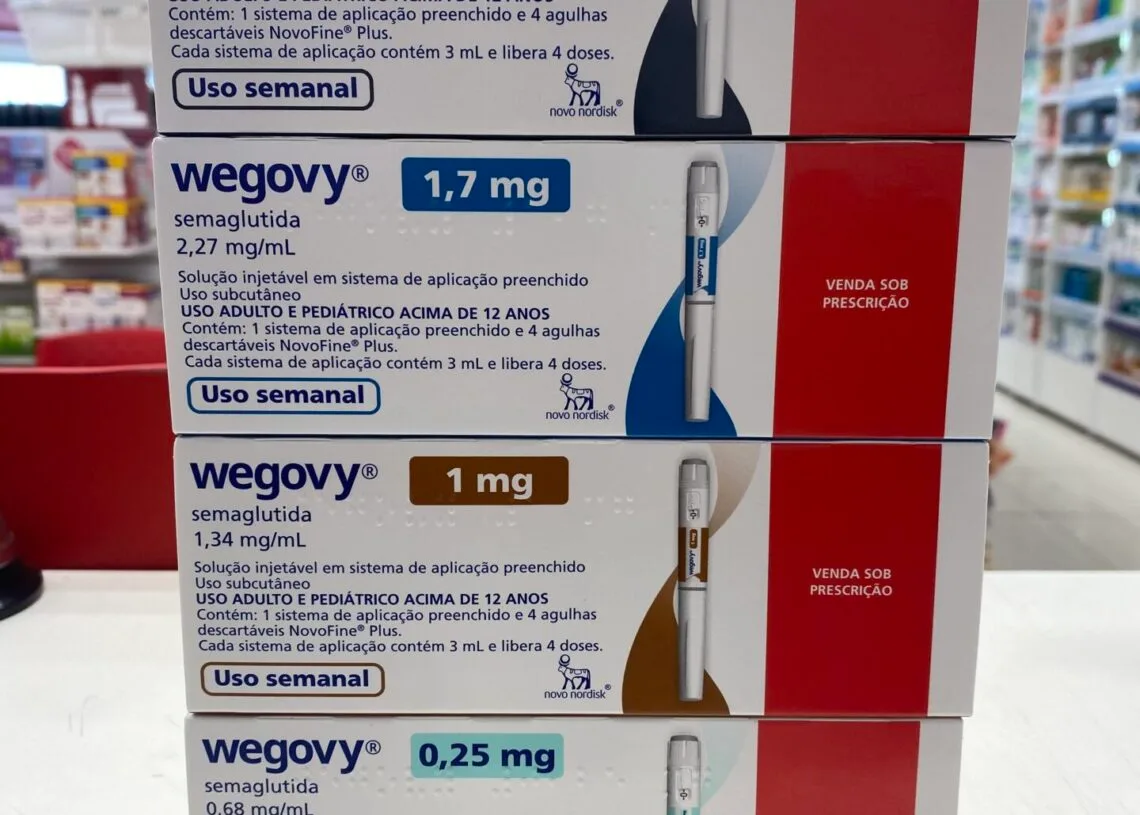
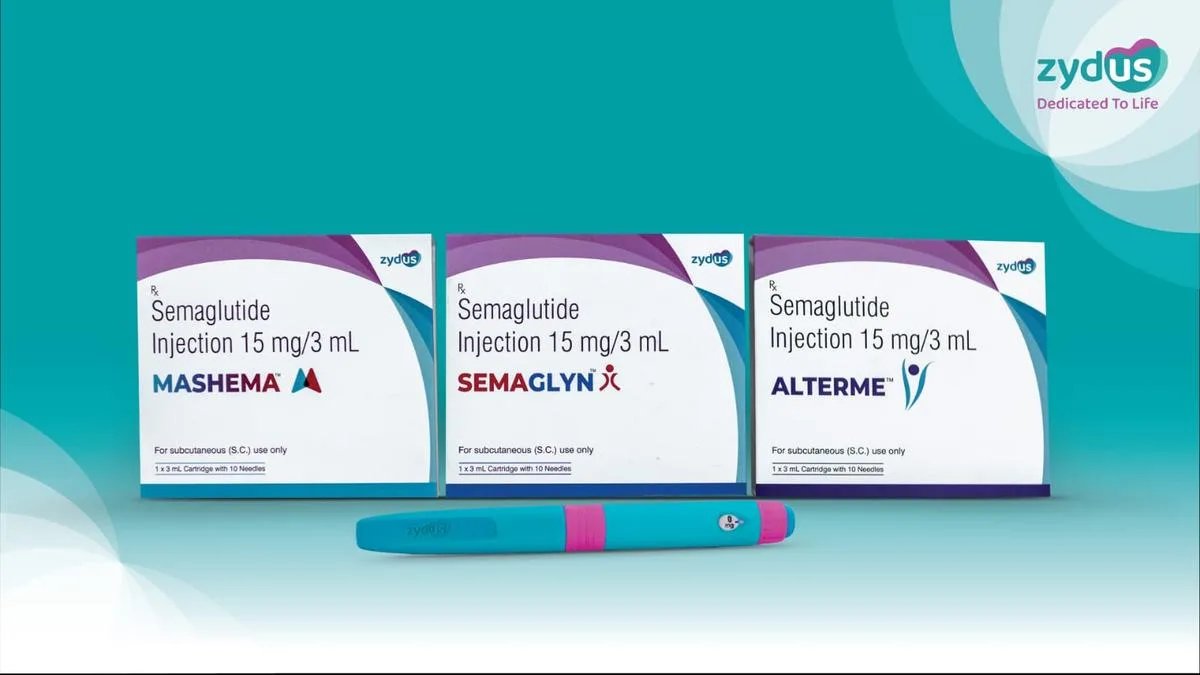
On Friday, Novo Nordisk's patent for semaglutide expired, opening the floodgates for Indian pharmaceutical giants. Companies including Sun Pharma, Torrent, Zydus, Dr Reddy's, Glenmark, and Alkem swiftly launched their semaglutide generics, dramatically lowering costs from premium branded versions. This move makes GLP-1 medications like semaglutide—known for mimicking the GLP-1 hormone to regulate blood sugar, slow gastric emptying, and suppress appetite—accessible to a broader population battling obesity.
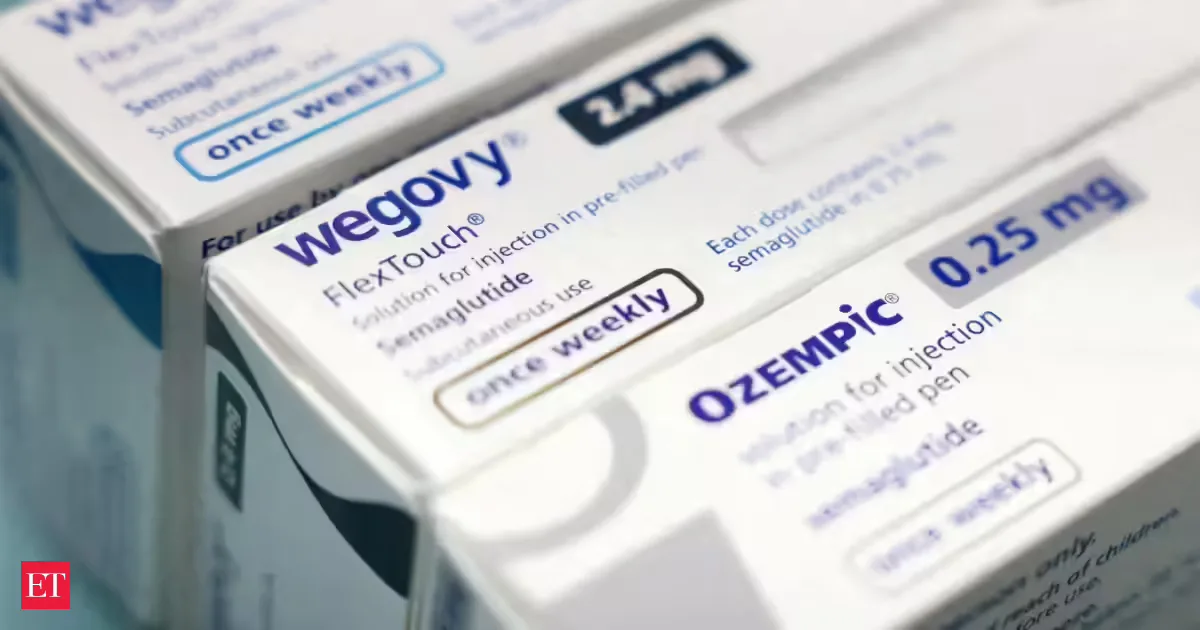
Semaglutide, the active ingredient in drugs like Ozempic and Wegovy, works by activating GLP-1 receptors in the pancreas, brain, and gut. This leads to improved insulin secretion, reduced glucagon, and prolonged satiety, resulting in significant weight loss. However, clinical studies have shown that GLP-1 receptor agonists like semaglutide are associated with a high proportion of lean muscle loss, which can range from 25% to 40% of the total weight reduction in patients with obesity. To mitigate this, physicians often prescribe these drugs alongside high-protein diets and supplements, creating a ripe opportunity for integrated solutions.
Pharma Companies Forging Nutrition Partnerships
Industry executives reveal active discussions between pharma firms and consumer goods companies to launch high-protein nutrition, fortified supplements, and meal solutions. "Nestle and ourselves are looking at it (weight loss) comprehensively," said MV Ramana, chief executive officer, branded markets (India and emerging markets), at Dr Reddy's Labs. "Both our teams are meeting up with specialists to work together to bring in products." Dr Reddy's already has an existing joint venture with Nestle for nutraceutical products in India, positioning them ideally for this synergy.
Mankind Pharma is taking a bold step forward. "We will establish a new division focused on obesity and launch Mankind Nutrition, with a separate dedicated field force to lead marketing and engagement for this business," said Rajeev Juneja, managing director, Mankind Pharma. "Our focus is not just on enabling weight loss, but on delivering holistic, medically guided outcomes that balance fat loss with muscle health."
Market Projections Fuel the Momentum
According to market research firm PharmaTrac, the semaglutide market is poised for massive expansion. The obesity drug segment is projected to grow to ₹8,000 crore by 2030 from approximately ₹1,500 crore at present. This growth mirrors global trends where GLP-1 drugs have transformed metabolic health management.
Packaged Foods Makers Seize the Opportunity
For packaged foods companies, GLP-1 medications that reduce appetite present both challenges and opportunities. Jayen Mehta, managing director of India's largest dairy company Amul, noted that weight-loss injectables open a whole new category. "Protein is a very big vertical for us, and we are supplementing this portfolio with research-backed products including wheat flour, yogurts, and snack bars," he said.
Precision tracking for your journey
Join thousands using Shotlee to accurately track GLP-1 medications and side effects.
📱 Get the Shotlee App
Track your GLP-1 medications, peptides, and health metrics on the go with our mobile app!
The trend is expected to mirror the West, where companies like PepsiCo and Danone have adapted to Ozempic's impact on consumption. "The rapid rise of GLP-1 weight-management medications is producing one of the most significant shifts in consumer food purchasing in a generation," said Arvind Mediratta, founder and chief executive of organic, health-focused grocery platform Elixiir Foods. "As appetite shrinks after consuming these medications, the quality, not just quantity, of food becomes paramount, with consumers gravitating toward high-protein, fibre-rich and functional foods that support energy and muscle retention." Mediratta is former managing director at Metro AG.
Biscuits and confectionery maker Parle Products is also pivoting. "More-fibre, less-sugar products were not commercially viable ten years back and have accounted for about 5% of our portfolio," said Mayank Shah, vice-president at Parle Products. "But with the weight-loss category opening up, there's a lot of impetus on R&D and we are looking at making such products a significant part of our portfolio."
Understanding Muscle Loss with GLP-1s and Mitigation Strategies
Lean muscle loss during GLP-1 therapy occurs because weight reduction isn't selective—both fat and muscle are lost, especially without resistance training or adequate protein. Studies indicate 25-40% of weight lost can be lean mass, potentially leading to sarcopenia, reduced metabolism, and frailty in long-term users. To counter this:
- Increase protein intake to 1.6-2.2g per kg of body weight daily.
- Incorporate strength training 2-3 times weekly.
- Monitor body composition via DEXA scans or apps like Shotlee for symptom and progress tracking.
Patients should discuss personalized plans with healthcare providers, including dietitians, to optimize outcomes. Common side effects of semaglutide include nausea, gastrointestinal issues, and fatigue, which these nutrient-dense products may help alleviate.
Comparisons: Semaglutide vs. Alternatives
Compared to older weight-loss drugs like orlistat or phentermine, semaglutide offers superior efficacy (15-20% body weight loss) but requires ongoing use and monitoring. Tirzepatide (a dual GLP-1/GIP agonist) shows even higher losses but generics are pending. In India, these partnerships make semaglutide a frontrunner for holistic care.
Key Takeaways for Patients and Providers
- Semaglutide generics from Sun Pharma, Dr Reddy's, and others slash costs, boosting accessibility.
- Pharma-food tie-ups target muscle preservation with high-protein, fiber-rich products.
- Market to explode to ₹8,000 crore by 2030; focus on quality nutrition amid appetite suppression.
- Consult doctors for combined therapy to minimize 25-40% muscle loss risk.
What This Means for Patients on GLP-1 Therapy
For those starting semaglutide, expect transformed eating habits—prioritize nutrient-dense foods. Tools like Shotlee can help track side effects, medication adherence, and nutritional intake. Discuss emerging products from Amul, Nestle, and Mankind with your doctor for tailored support.
In conclusion, India's GLP-1 rush signals a new era of integrated obesity management. By blending affordable semaglutide with purpose-built nutrition, pharma and food firms are enabling sustainable weight loss. Patients should stay informed, prioritize muscle health, and partner with professionals for best results.