
GLP-1 Slimming Drugs Boom Sparks Misuse Concerns in India
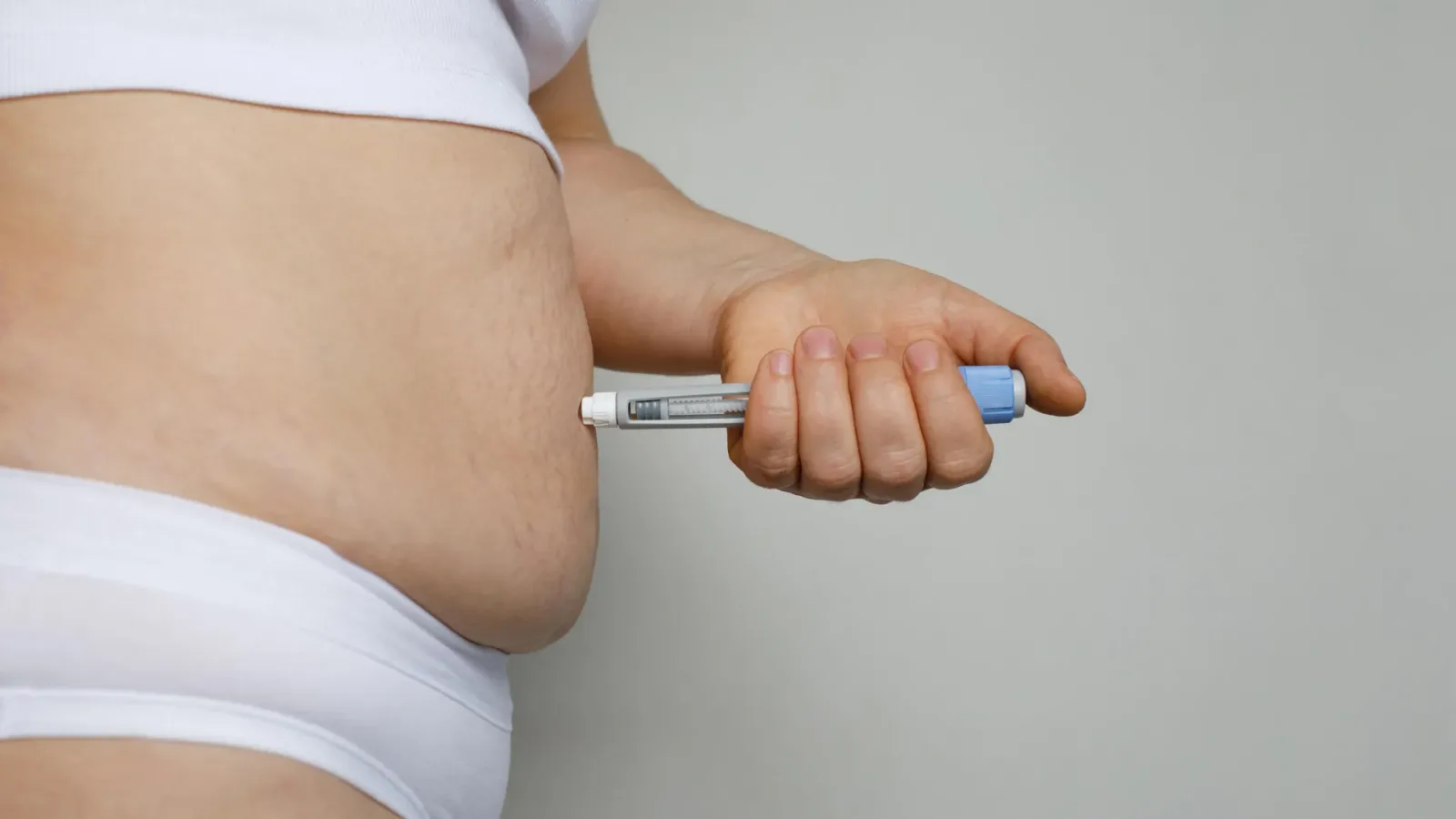
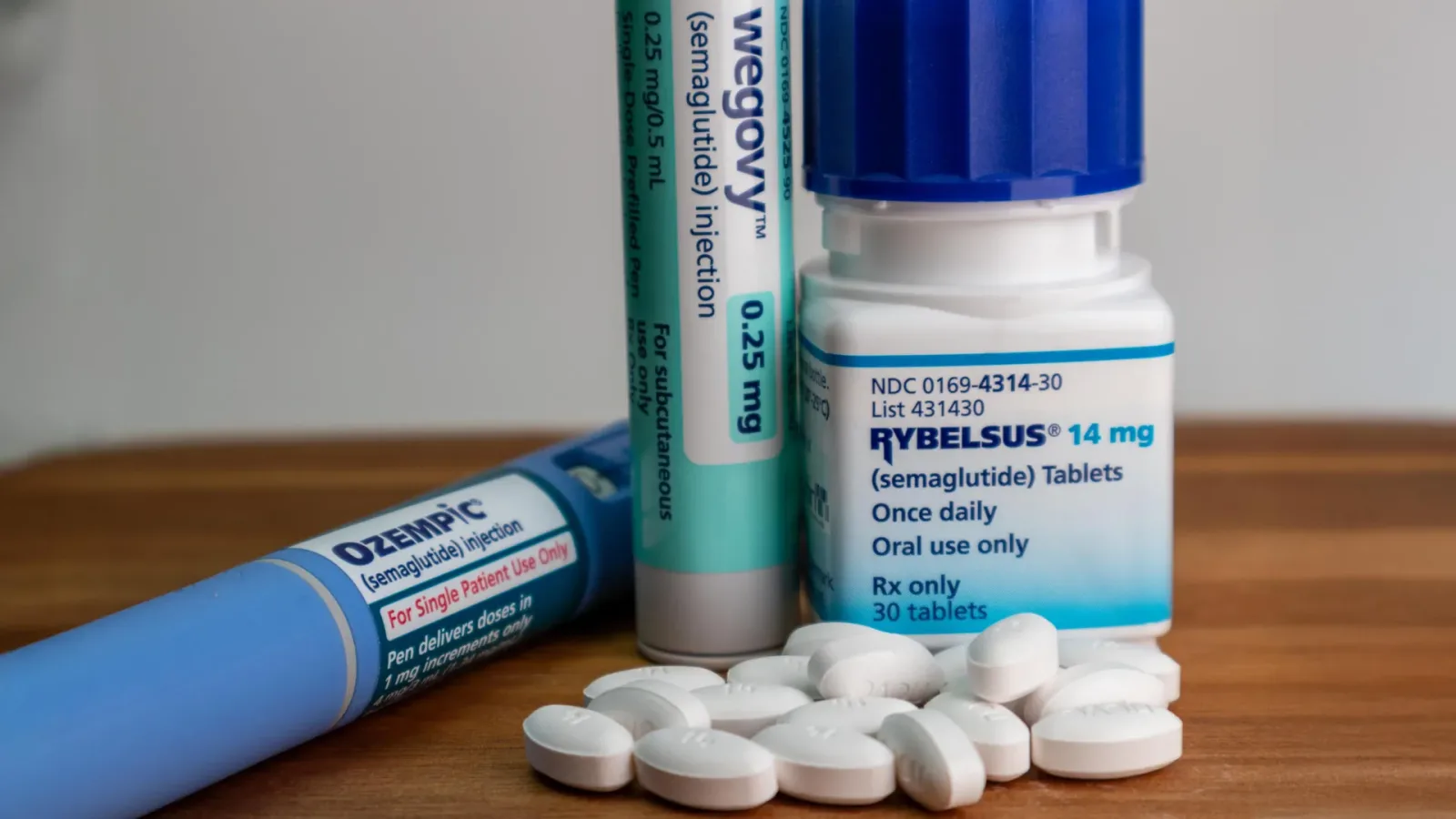
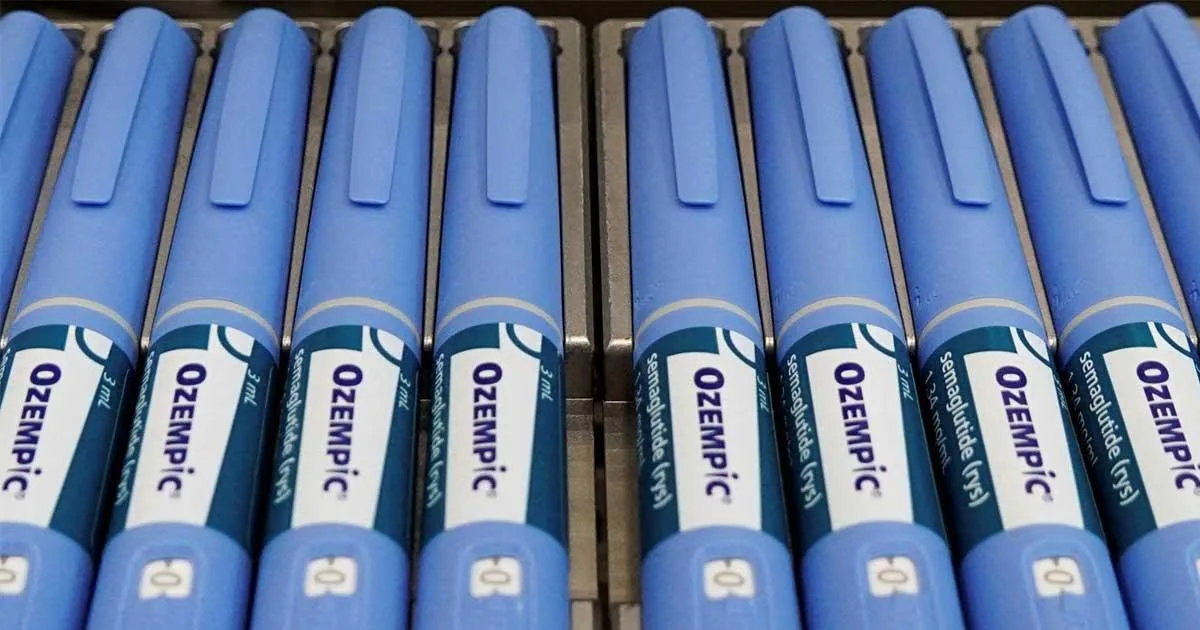
The rapid rise in GLP-1 weight-loss injections, particularly semaglutide generics, across India is sparking serious misuse concerns, especially among young women seeking cosmetic slimming. With prices plummeting up to 90% following Novo Nordisk's patent expiry on semaglutide, access has exploded, but doctors are warning that indiscriminate use can lead to complications. These drugs, originally developed for diabetes like Ozempic, are prescription treatments for obesity and diabetes, not meant for short-term cosmetic weight loss.
The Surge in Weight-Loss Injections in India
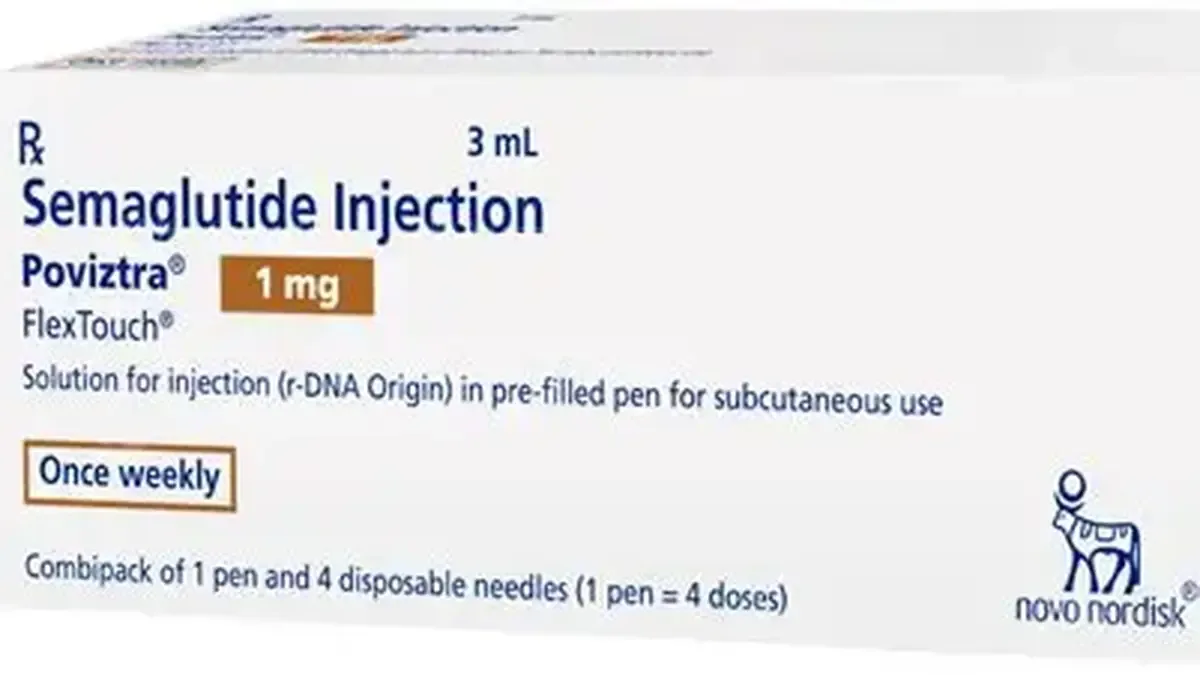
India's GLP-1 market is booming, estimated at around Rs 1,000 crore by BNP Paribas, with strong growth expected as prices fall. Adoption is concentrated in tier-1 and tier-2 cities, propelled by over 40 to 50 branded generics entering the market post-patent lapse—one of the most crowded drug rollouts in recent Indian pharmaceutical history. Some Indian semaglutide versions are now priced from about Rs 1,290 per month, a fraction of earlier innovator costs.
This expanded access is widening availability beyond patients with obesity and diabetes, driving unsupervised, appearance-led demand. Rising use among young women, often ahead of weddings or special events, is prompting doctors to call for tighter medical oversight to prevent cosmetic misuse of GLP-1 therapies.
How GLP-1 Drugs Like Semaglutide Work
GLP-1 receptor agonists such as semaglutide mimic the glucagon-like peptide-1 hormone, which regulates blood sugar, slows gastric emptying, and suppresses appetite. This mechanism supports significant weight loss—up to 15-20% of body weight in clinical trials for obesity—but requires medical evaluation. In diabetes management, they improve glycemic control; for obesity, they address chronic overeating by enhancing satiety signals to the brain.
However, their efficacy for cosmetic purposes is mismatched. Short-term use for aesthetic goals ignores the need for sustained lifestyle changes, as weight regain is common upon discontinuation without diet and exercise integration.
Clinical Indications for GLP-1 Therapies
Doctors emphasize GLP-1 drugs are indicated for patients with a BMI above 30, or above 27 with comorbidities like hypertension or diabetes. They require ongoing monitoring, as they can alter needs for diabetes and hypertension treatments. In Asian populations, including Indians, metabolic risks emerge at lower BMI thresholds, per recent Lancet studies, underscoring the need for tailored use.
Doctors Warn Against Cosmetic Misuse
Dr Shashank Shah, a bariatric surgeon at Apollo Spectra Hospital in Pune, notes that falling prices and social media are accelerating demand, especially among younger women seeking rapid results. "While these drugs—many originally developed for diabetes—can suppress appetite and support weight management, they are not universally appropriate and require careful evaluation of body composition, health status and underlying causes of weight gain," he said.
Side effects such as nausea, dizziness, indigestion, fatigue and constipation are common, he added, stressing that sustainable weight control depends on diet, exercise, sleep and stress management.
"They are not meant for cosmetic weight loss. Indiscriminate use can lead to complications," said Dr Aparna Govil Bhasker, consultant bariatric surgeon at MetaHeal Clinic and Namaha Hospitals in Mumbai.
Precision tracking for your journey
Join thousands using Shotlee to accurately track GLP-1 medications and side effects.
📱 Get the Shotlee App
Track your GLP-1 medications, peptides, and health metrics on the go with our mobile app!
Dr Bhasker highlights that GLP-1 therapies treat obesity as a disease, underscoring prescription-only status and the risks of self-medication.
Side Effects and Serious Risks of Unsupervised Use
Misuse can result in gastrointestinal distress, nutritional deficiencies, muscle loss, gallstones and, in rare cases, pancreatitis. Nausea and fatigue often lead to discontinuation, while muscle loss from rapid weight reduction without exercise can impair metabolism long-term. Patients on these therapies need regular check-ups to monitor thyroid function, kidney health, and electrolyte balance.
For those experiencing side effects, tools like Shotlee can help track symptoms and medication schedules, providing data to share with healthcare providers for better management.
Comparing GLP-1 Drugs to Alternatives
Unlike over-the-counter supplements or crash diets, GLP-1s offer clinically proven results but demand supervision. Alternatives like bariatric surgery suit severe cases (BMI >40), while behavioral therapies focus on habits. Generics make GLP-1s more affordable than branded Ozempic or Wegovy, but the core requirement—medical oversight—remains unchanged.
Social Media and Wedding Pressures Fuel Demand
Social pressure, amplified by social media and unrealistic beauty standards, is a key driver, particularly around weddings. Young women chase rapid slimming, turning to injections without assessing risks. This echoes global trends but is acute in India, where cultural expectations intensify short-term fixes over holistic health.
Broader Implications from Studies and Experts
Recent Lancet studies note GLP-1 therapies are reshaping obesity care globally, but broader uptake demands long-term monitoring, especially in Asians with lower BMI risk thresholds. In India, doctors prioritize preventing reckless self-medication or vanity-driven use outside clinical care as generics proliferate.
Key Takeaways for Patients
- GLP-1 drugs like semaglutide are for obesity (BMI >30 or >27 with comorbidities) and diabetes, not cosmetic weight loss.
- Cheaper generics (Rs 1,290/month) boost access but heighten misuse risks; always consult a doctor.
- Common side effects: nausea, fatigue, GI issues; serious risks: pancreatitis, muscle loss.
- Sustainable results require diet, exercise, and monitoring—not social media trends.
- Discuss with a bariatric specialist; track progress with apps like Shotlee for symptom logging.
What This Means for Patients and Healthcare
For those considering GLP-1 therapies, start with a full assessment of BMI, comorbidities, and lifestyle. What to discuss with your doctor: personal health history, potential drug interactions, and a plan integrating therapy with nutrition counseling. Avoid self-purchasing from unregulated sources, as purity and dosing vary.
In conclusion, while the GLP-1 boom offers hope for metabolic health, India's doctors urge caution against cosmetic misuse. Prioritize evidence-based use under supervision to harness benefits safely amid falling prices and rising demand.