
GLP-1, Muscle Weakness & Obesity Care: Dr. Bob's Insights
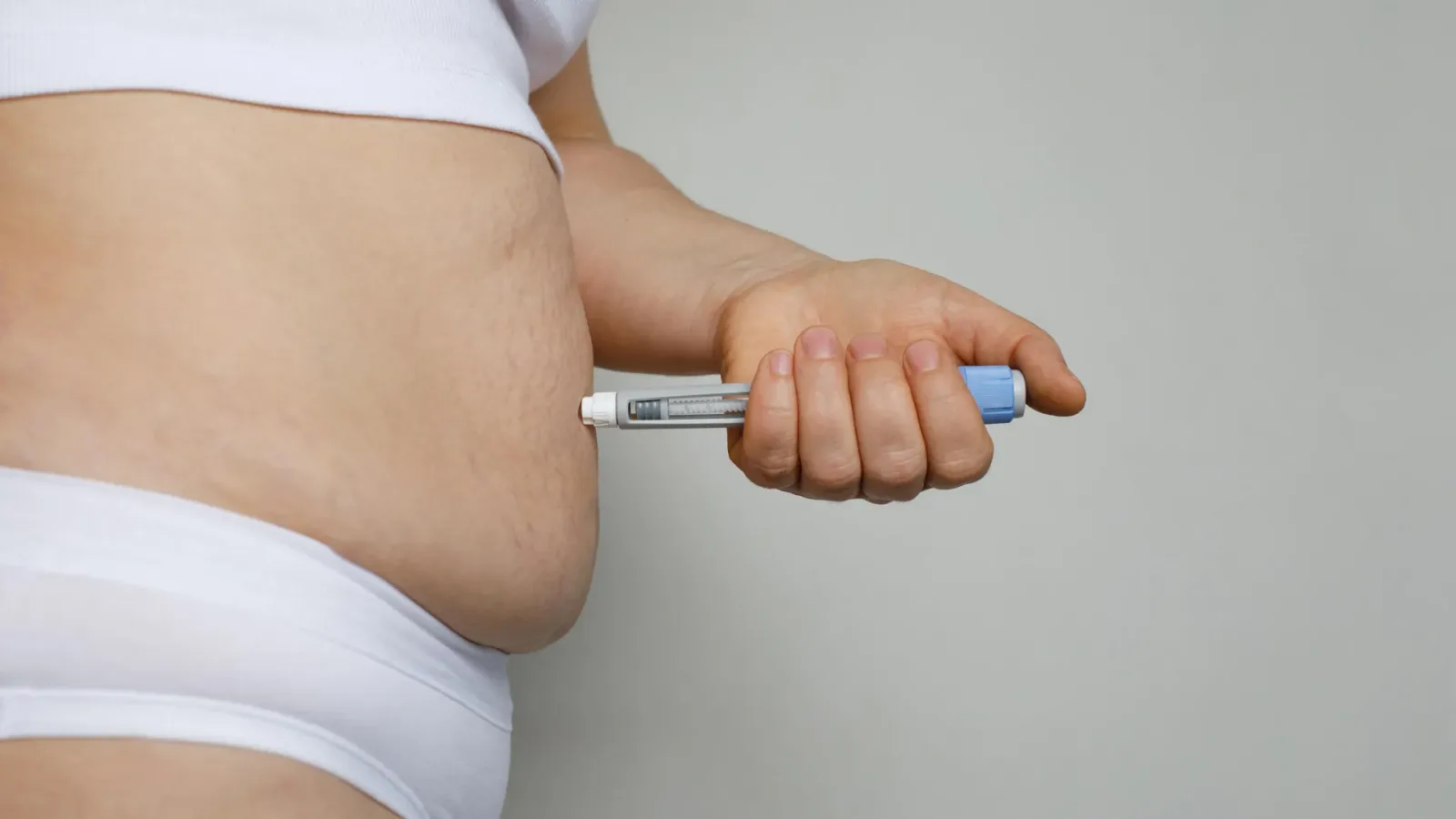
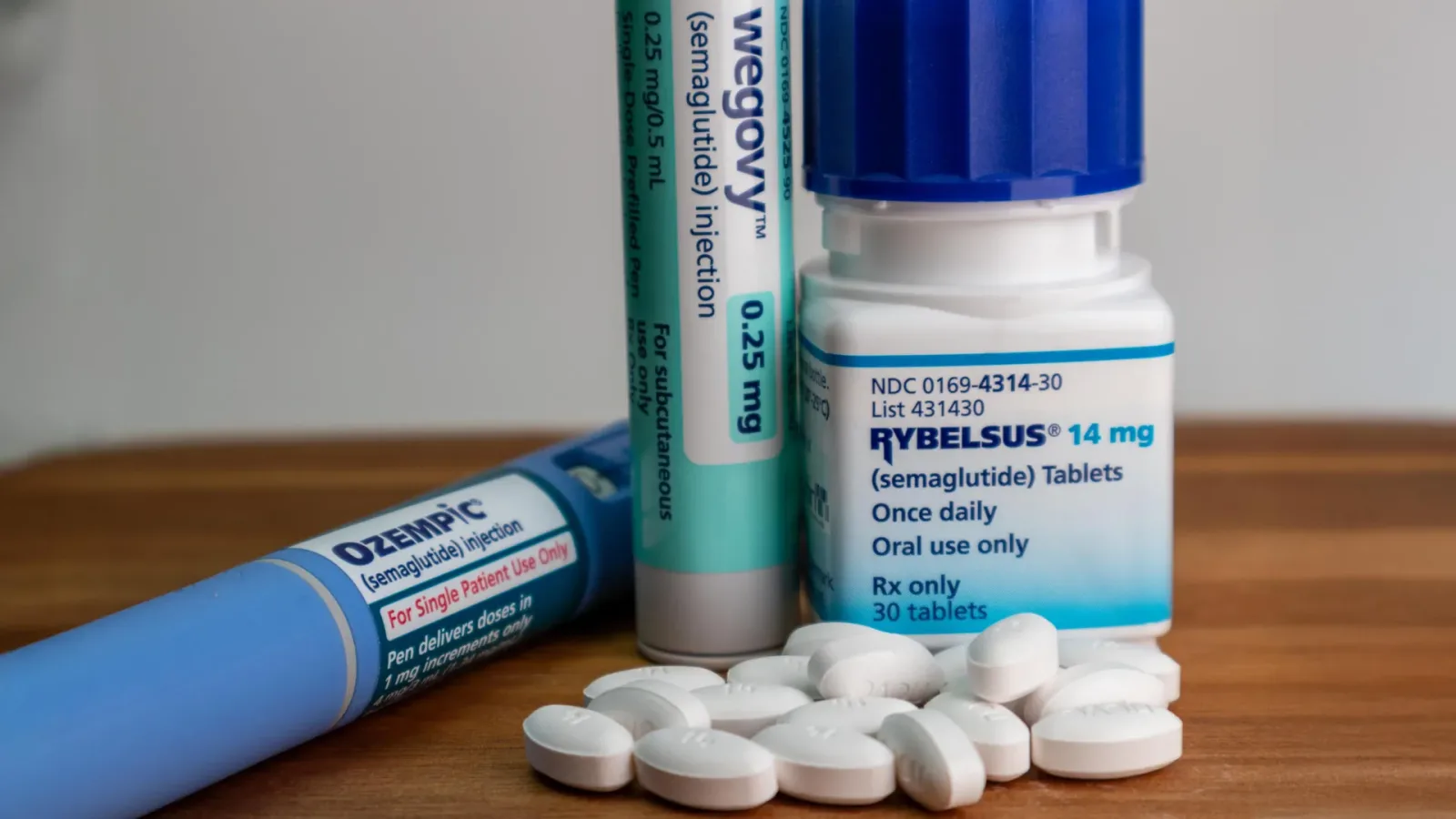
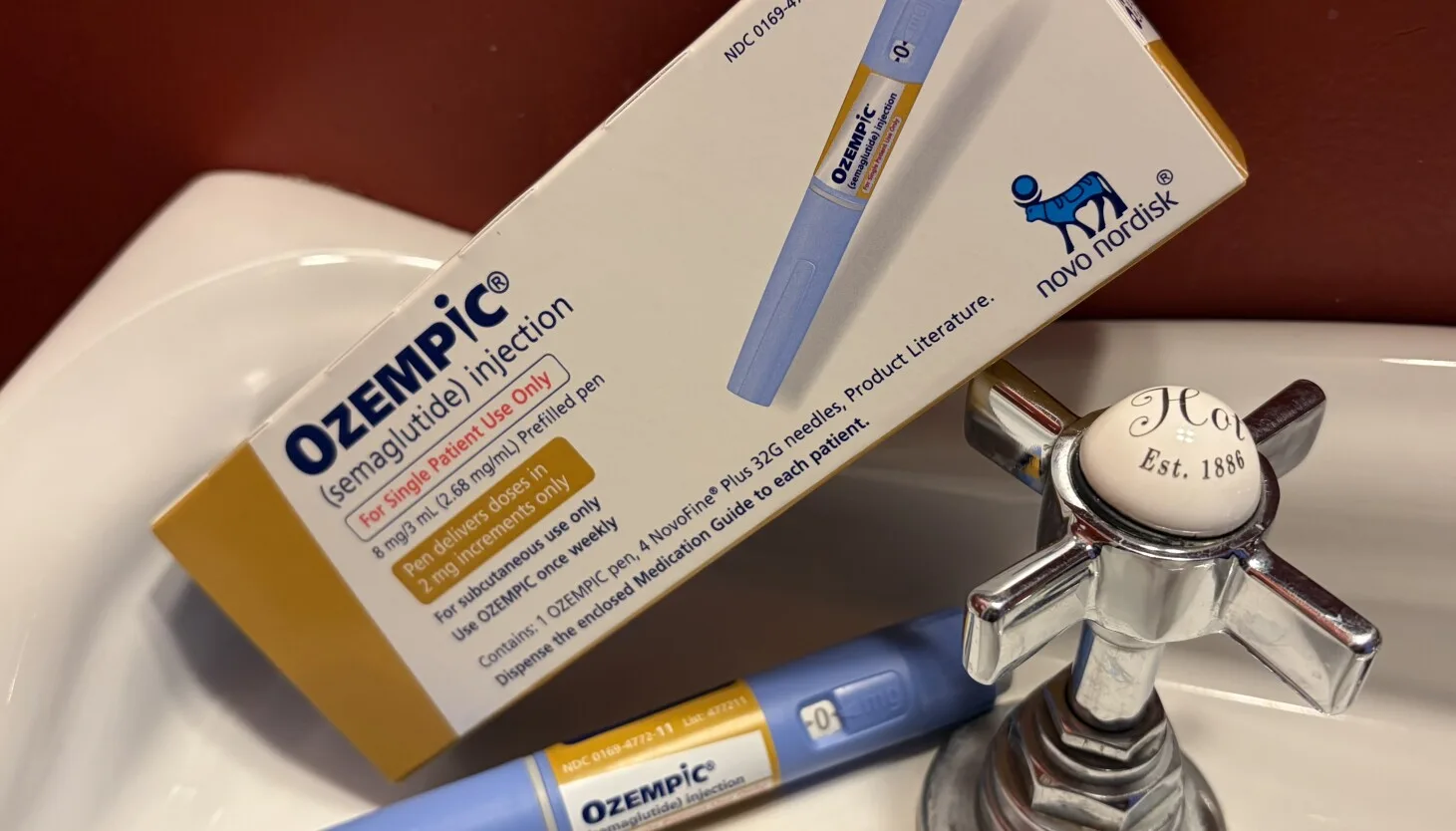
The GLP-1 revolution has transformed obesity and diabetes management with drugs like Ozempic and Mounjaro driving remarkable weight loss. However, as public attention shifts from these successes to challenges like gastrointestinal side effects, high costs, limited access, and unrealistic expectations, GLP-1 muscle loss and weakness have become focal points. In this guide, drawing from Dr. Bob's expertise, we explore these issues, patient realities, and practical steps to mitigate muscle weakness during GLP-1 therapy.
The GLP-1 Revolution and Its Challenges
GLP-1 receptor agonists mimic the glucagon-like peptide-1 hormone, promoting satiety, slowing gastric emptying, and improving glycemic control. This mechanism explains their efficacy in reducing body weight and A1C levels in type 2 diabetes and obesity. Yet, studies show 47% to 65% of people discontinue GLP-1 treatment after one year, largely due to side effects, cost, and access barriers.
Weight cycling exacerbates risks: after significant loss, regained weight tends to be more fat than muscle. Repeated cycles diminish muscle mass, impairing metabolism and increasing fat accumulation—a critical concern for long-term metabolic health.
Why Muscle Loss Stands Out with GLP-1 Drugs
Muscle loss occurs across weight loss methods—diet, exercise, bariatric surgery, or medications—but GLP-1's rapid success with Ozempic and Mounjaro has spotlighted it. At the 2025 Obesity and Weight Loss Drug Development Summit, Dr. Bob surveyed experts who ranked muscle preservation as the top unmet need for diabetes and obesity patients seeking weight loss.
Patients often don't notice weakness. Dr. Bob, having treated hundreds on GLP-1, reports no spontaneous complaints of weakness. Even when probed, patients claim improved strength, possibly due to reduced body mass making movement feel easier. Rigorous testing, however, reveals differences.
Balancing Muscle Loss Risks with GLP-1 Benefits
Despite muscle strength associations with better health outcomes, GLP-1 drugs improve cardiovascular and kidney health, reducing heart disease and kidney disease risks. So, is muscle loss problematic? Functional data is needed—e.g., do older adults with GLP-1-induced muscle loss fall more? Patient-reported outcomes will clarify clinical impacts.
Researchers are investigating, but patients can't wait. Here's how to address GLP-1 muscle weakness now.
Practical Strategies to Combat Muscle Loss on GLP-1
Optimize Protein Intake
Protein builds muscle. Aim for 0.8-1.5g per kg of body weight daily. A 220-pound (100kg) person needs 80-150g. Higher ranges suit seniors facing sarcopenia; lower for younger adults. GLP-1's appetite suppression complicates intake, so use high-protein, low-fat shakes or supplements.
"Protein is the basic building block of muscle, so protein intake is essential for maintaining muscle mass," notes Dr. Bob.
Prioritize Strength Training
Exercise, especially resistance training, preserves muscle. Unlike aerobic exercise for cardio health, strength training directly targets muscles, boosting metabolism for sustained fat loss.
Precision tracking for your journey
Join thousands using Shotlee to accurately track GLP-1 medications and side effects.
📱 Get the Shotlee App
Track your GLP-1 medications, peptides, and health metrics on the go with our mobile app!
No gym needed: bodyweight exercises (push-ups, planks, squats) or resistance bands suffice. A meta-analysis shows one hour of weekly resistance training cuts all-cause mortality by 27%—comparable to quitting smoking or statins.
Dr. Bob highlighted this at the Connected Health & Fitness Summit, urging fitness pros to integrate into GLP-1 care. Now, the National Association of Exercise and Sports Trainers offers GLP-1 Exercise Specialist Certification, and the National Academy of Sports Medicine provides education on weight loss meds.
Overcoming Barriers: Insurance and Access
Fitness coaching lags like chiropractors 10-20 years ago—now often reimbursed. Growing evidence may expand coverage.
Emerging Solutions: Drugs and Regulatory Shifts
Pharmacology advances: ADA 2025 showcased bimagrumab in trials for muscle preservation. Future combos could pair GLP-1 with muscle-sparing agents. With GLP-1's decades of safety data, new drugs face rigorous scrutiny.
The FDA's 2025 Draft Guidance mandates DXA scans (dual-energy X-ray absorptiometry for body composition) in trials—signaling recognition of muscle loss importance pre-patient outcomes.
Guidance for Healthcare Providers and Patients
Providers: Counsel on muscle maintenance, strength training, and protein during visits. Time-strapped? Leverage digital tools like text reminders or apps (e.g., Shotlee for tracking symptoms, side effects, and medication schedules) plus certified diabetes educators and nutritionists.
Special Focus: Older Adults
Seniors risk falls from low muscle reserves and age-related decline. Prevent with tools: 59% of eligible 50+ adults skip SNAP, missing protein-rich foods (meat, poultry, fish). SNAP-compatible delivery aids food deserts or mobility issues.
Key Takeaways for GLP-1 Users
- Monitor for subtle muscle weakness despite feeling stronger post-weight loss.
- Target 0.8-1.5g/kg protein daily; use shakes if needed.
- Incorporate weekly strength training: bodyweight or bands for 27% mortality risk reduction.
- Discuss with providers; explore fitness certifications and digital tracking.
- Watch for bimagrumab and FDA-mandated body comp monitoring.
What This Means for Metabolic Health
Muscle maintenance enhances GLP-1's benefits, supporting diabetes control, obesity management, and quality of life. As Dr. Bob urges, providers and researchers must prioritize this for optimal outcomes.
In summary, while GLP-1 excels, addressing muscle weakness through nutrition, exercise, and innovation ensures sustainable success. Patients: Start strength training today. Providers: Integrate multidisciplinary care.